Castle Solitaire: Card Game
- 8.47K
- 4.7
- Installs
- 1.00M
- Price
- Free
Screenshots
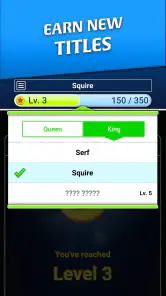
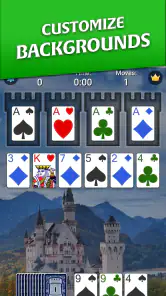
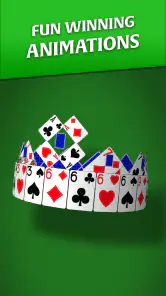


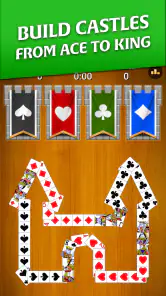
Analysis by Reviewed
I found Castle Solitaire: Card Game easy to understand within a few minutes, but it has enough room for careful decisions to stay interesting beyond the first few deals. It is a free card game from MobilityWare, built around solitaire and a light castle-building theme. The basic appeal is simple: clear cards, make sensible moves, and gradually turn successful play into visible progress.
That combination makes it a comfortable choice for short breaks. I can open it when I have only a few minutes, play without learning a complicated ruleset, and stop without feeling as if I have abandoned a long story or a multiplayer team. At the same time, it is not just a standard solitaire table with a different background. The castle idea gives each completed stretch of play a little more purpose than simply starting another deal.
The game is listed for Everyone, and I think that fits its presentation and general accessibility. It is also free to install, although optional in-app purchases range from $0.79 to $29.99 per item. That matters because the most comfortable way to use it depends on how tolerant you are of interruptions and optional spending. I would begin with the free experience before deciding whether anything extra is worthwhile.
What to expect when you first open Castle Solitaire
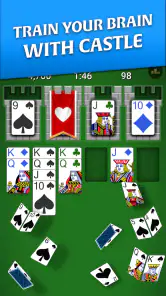
The first thing to understand is that this is a solitaire game with a castle-building layer, not a construction simulator. The cards remain the main activity. The castle gives the session a sense of direction, but you should not expect detailed resource management, free-form building, or a large strategy campaign. I enjoyed that restraint because it keeps the focus on the card decisions rather than burying them under menus.
The presentation is especially suitable for players who already enjoy familiar solitaire patterns but want a little more visual motivation. If you usually play a classic solitaire app when waiting for an appointment, this version gives those individual rounds a stronger feeling of progress. If you are searching for a deep tactical card game with opponents, deck construction, or a competitive ladder, this is probably not the right destination.
MobilityWare has positioned the game as a casual card title, and my experience matches that purpose. The rules are approachable, the rounds are easy to pick up, and the castle theme softens the repetition that can appear in traditional solitaire. The trade-off is that experienced solitaire players may want more variety or more control than this focused format provides.
The store listing shows an average rating of 4.7 from around 102 thousand ratings, with more than 8 thousand written reviews. It has also passed 1 million installs. Those figures suggest that the game has found a substantial audience, but I would not treat popularity as proof that every solitaire player will enjoy it. The important question is whether you like a relaxed, progression-flavored card routine.
How the card loop feels in practice
I approach each round by looking for the safest available move rather than immediately choosing the most obvious card. That small habit makes a noticeable difference. A move that clears one card now may block a more useful sequence later, so I take a moment to scan the layout before tapping. The game feels best when I treat it as a puzzle of ordering and timing instead of a race to empty the table.
The castle theme also changes how I judge a session. In ordinary solitaire, an unsuccessful deal can feel disposable. Here, I am more willing to try again because the surrounding sense of building gives the attempt a reason. That does not remove the frustration of an awkward layout, but it makes repeated play feel less like starting from zero.
One useful expectation to set early is that not every round will be solved through perfect foresight. Solitaire always includes situations where the available arrangement limits your options. I do not interpret a failed attempt as evidence that I played badly. Instead, I look at whether I exposed cards efficiently, preserved flexible moves, and avoided committing to a sequence before checking the alternatives.
Setting up a comfortable first session
The game supports Android devices running version 8.0 or later. Before starting, I recommend choosing a quiet moment for the first round rather than opening it while rushing through several notifications. The rules are not difficult, but the first meaningful decision is easier to understand when you can compare the available cards calmly.
I also suggest deciding in advance whether you want a completely free, interruption-tolerant experience or whether optional purchases might appeal to you later. Since the game is free but includes paid items, I would not tap through purchase screens casually. A sensible first session is simply to learn the card rhythm, see how the castle progress feels, and decide whether the basic loop holds your attention.
There is no need to approach the opening round as a test of skill. I use it to learn the visual hierarchy: which cards are available, which moves expose hidden possibilities, and how the game signals a useful action. Once those elements feel familiar, the game becomes much more relaxing. The first few minutes are about reading the board, not maximizing progress.
For a new player, the most helpful setup is a small routine. I look at the full layout, identify moves that reveal another card, and avoid spending every flexible option immediately. I keep one potential continuation in mind while making the current move. This prevents the common beginner mistake of clearing the first visible opportunity and then discovering that the remaining cards are poorly arranged.
Your first meaningful success
The first success I would aim for is not building the largest possible castle or finishing with a perfect-looking sequence. It is completing a round while understanding why the final few moves worked. When I can explain that I opened a blocked card, preserved a useful alternative, and then used the exposed sequence, I feel I have learned the game rather than simply received a lucky layout.
My practical method is to pause before each irreversible-looking choice. I scan for cards that unlock more of the board, then compare them with moves that merely shift cards around. Unlocking information is usually more valuable than making the layout look tidier. This is a broadly useful solitaire habit, but the castle progression gives me a reason to practice it instead of playing on autopilot.
Another tip is to avoid emptying a visible sequence just because you can. A long move may look productive, yet it can remove the flexibility needed for the next stage. I prefer to preserve at least one route that can respond to the cards I have not exposed. That approach makes the round feel more controlled and reduces the number of moments where I am left with only one unhelpful option.
When I do complete a round, I take a second to notice what caused the breakthrough. Sometimes it was an early reveal; sometimes it was delaying a tempting move. Remembering that pattern helps with the next deal. This is one of the game’s quiet strengths: it can teach patience without announcing itself as a lesson.
Confusing moments and how I handle them
The most common confusion for a first-time player is assuming that every available card should be moved immediately. Solitaire layouts often present several legal actions, but legal does not mean equally useful. I now ask, “Which move gives me more information?” before asking, “Which move can I make?” That simple change improves my decisions more than trying to play faster.
Another point of friction is the relationship between the card round and the castle progress. The castle is motivating, but it should not distract from the board. If I start choosing moves only because I want to see the next visual improvement, I tend to sacrifice flexibility. The better balance is to let the castle provide a long-term reason to continue while allowing the current layout to guide each decision.
Players may also wonder whether an unsuccessful round means they should spend money to continue enjoying the game. My answer is no: I would first replay with a different order of moves and learn from the blockage. Optional purchases are a personal convenience choice, not a substitute for understanding the card flow. Because individual items can cost from $0.79 up to $29.99, I would be particularly careful about making purchases during a moment of frustration.
The game’s free-to-play structure can also affect the feeling of a session. Some players will be comfortable with the available free path and any interruptions that accompany it. Others will find optional offers distracting, especially if they want a completely quiet solitaire tool. If uninterrupted play is your top priority, a paid, simpler solitaire alternative may suit you better. If you enjoy visible progression and do not mind evaluating optional extras, this design is more appealing.
Who will enjoy it most
I would recommend it to someone who wants a gentle card game for commutes, coffee breaks, or winding down before bed. It is particularly suitable for players who know the basic idea of solitaire but want a small goal beyond clearing cards. The castle theme gives repeated rounds a sense of continuity, while the card rules remain approachable enough for occasional players.
It is also a good fit for people who prefer solo play. There is no need to coordinate with another person, wait for an opponent, or maintain a daily competitive schedule. I can play at my own pace and stop after a single round. That makes it more flexible than many modern card games that try to turn every session into a contest or a progression obligation.
On the other hand, I would steer away from it if you want a traditional, stripped-down solitaire experience with no theme or optional spending. I would also choose another game if your priority is strategic deck construction, varied card modes, online competition, or a story with character development. Castle Solitaire stays focused, and that focus is either its main advantage or its main limitation depending on what you want.
It may not satisfy players who need constant novelty. The castle layer helps, but the central activity is still solitaire. If you become bored after several similar rounds, the visual progression may not be enough to keep the experience fresh. I think it works best as a dependable small game rather than as the only card title installed on a phone.
How it compares with familiar alternatives
Compared with classic solitaire apps, this game offers a stronger sense of destination. A conventional version can be cleaner and more immediately recognizable, especially for someone who wants nothing beyond the cards. Here, the castle adds context and encourages another attempt after a disappointing deal. The price of that extra motivation is a busier experience, with progression and purchase considerations that a bare card table may avoid.
Compared with competitive card games, it is calmer and less demanding. I do not need to study an opponent’s habits or react under pressure. That makes it better for relaxed solo sessions, but worse for anyone who enjoys bluffing, tactical counters, or the excitement of a close match. The choice is not about which game is universally superior; it is about whether your attention belongs on your own layout or on another player.
Compared with puzzle games, the challenge here is more familiar and repetitive. Puzzle apps may offer more dramatic objectives and more varied mechanics, while this title rewards careful sequencing and patience. I prefer it when I want a predictable mental rhythm. When I want surprise, experimentation, or a new rule every few minutes, I would switch to a broader puzzle collection.
Small habits that improve the experience
I recommend using the first round of each session to establish the board rather than chasing immediate progress. Look for moves that expose covered possibilities, keep flexible cards available, and resist clearing a sequence simply because it is convenient. This makes the game less dependent on quick tapping and more rewarding for attentive play.
A second useful habit is to separate “progress” from “proof.” Castle advancement can show that I have moved forward, but it does not tell me whether my card choices were efficient. I review the turning point of a round instead: which card opened the useful path, and which tempting move would have closed it? That reflection is especially helpful for new players who feel that wins are random.
I also avoid playing while distracted by a conversation or a crowded commute at the beginning. Once the layout becomes familiar, the game works well in those situations, but learning the visual cues requires a little concentration. A short focused session is more valuable than a longer one where I tap quickly and blame the deal for mistakes caused by inattention.
Finally, I treat purchases as a separate decision from gameplay. I first ask whether the free loop is enjoyable on its own, then consider whether an optional item solves a genuine annoyance. This keeps the castle-building motivation from turning into pressure. For me, the game is strongest when progress feels earned through better choices rather than bought in response to a difficult round.
What the current package tells new players
The game was released on January 16, 2019, and its current version is 2.3.1.1845. Those details are useful when checking compatibility or comparing the title with newer card games, but they do not change the central recommendation: judge it by the feel of its focused solitaire loop. It is an established casual game rather than a complicated new system that requires a long tutorial.
Its Everyone age rating makes it a reasonable choice for a broad audience, though adults should still make their own decision about optional purchases when sharing a device. The free entry point also makes testing straightforward. I would install it, play several unhurried rounds, and pay attention to whether the castle layer genuinely makes me want to continue.
For a first-time user, the path to a satisfying session is clear: open the game, study the layout, prioritize moves that reveal possibilities, and let the castle progress follow naturally. Do not rush toward every available action, and do not assume an awkward deal requires spending. The most useful early improvement comes from preserving options.
After that, the next step is deciding what role you want the game to play. If you want a reliable five-minute card break with a little visual progression, it is an easy recommendation. If you want a deep card strategy game, a pure classic table, or a completely purchase-free environment, another option will probably serve you better.
My final impression is positive but specific. Castle Solitaire: Card Game is at its best as a patient, low-pressure solitaire companion with a castle goal attached. I like that it gives ordinary card decisions a sense of continuity without demanding a large time commitment. I would recommend trying the free version first, learning the board through deliberate moves, and keeping expectations centered on relaxed solo play rather than endless variety or competitive depth.
Pros
- Simple rules make it easy for beginners to start playing.
- Short rounds are convenient for quick breaks or casual sessions.
- Offline play lets you enjoy games without a constant connection.
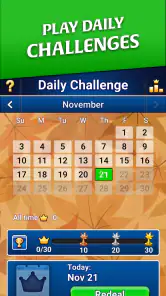
- Progression and challenges add goals beyond individual card rounds.
- Clean card layouts make the board easy to read on mobile screens.
Cons
- Gameplay can feel repetitive after extended sessions.
- Some features may be limited unless optional purchases are made.
- Random card deals can occasionally create frustrating unwinnable rounds.
- Ads may interrupt play
- depending on the device and app version.
- Small screens can make precise card placement less comfortable for some users.
- Category
- Card
- Version
- 2.3.1.1845