Beat Tiles 3D: Music Game
- 580.00
- 4.1
- Installs
- 10.00M
- Price
- Free

Screenshots





Analysis by Reviewed
I like rhythm games best when they turn a spare minute into a small test of timing, and Beat Tiles 3D: Music Game is built around that straightforward appeal. It is a free music game from AppRover, rated for teens, and its 4.2 average from around 33,000 ratings suggests plenty of players have tried it. I’d approach it as an easy-to-pick-up diversion rather than a deep music practice tool: the fun is in following the beat and seeing how steadily your fingers can keep up.
Who will enjoy a quick rhythm challenge
I’d recommend this to someone who likes music-led games but doesn’t want to spend time learning a complicated control scheme. The appeal is immediate: focus on the tiles, listen for the rhythm, and see how well your taps hold together. If you’re introducing a younger teen to a casual game, its teen age rating is worth keeping in mind, while the simple premise may make it approachable for players with different levels of gaming experience.
It is less suited to anyone looking for an instrument lesson, a music player, or a detailed rhythm-training tool. Tapping along can sharpen attention to timing in the moment, but I wouldn’t treat a high score as evidence of musical ability. I’d also skip it if I wanted a game that could run entirely in the background: the core activity asks me to pay attention rather than simply listen while doing something else.
What the purchase details mean
The game is free to download, with in-app purchases priced from $0.99 to $39.99 per item. That range is worth noticing before you start, but it does not by itself tell me what each purchase contains or whether spending changes a score. I would try the free experience first and decide whether anything offered is useful to me; there is no reason to treat the listed purchase range as a requirement to enjoy a rhythm game.
It has passed 10 million installs, and version 2.09.01 runs on Android 5.1 or later. Those details make it accessible to many Android users, including people with older supported devices, though a compatible operating system alone cannot guarantee how smoothly it will run on every phone. The game was released on February 26, 2020, and has 564 written reviews alongside its larger rating count.
Feel the Beat
Right off the bat, Beat Tiles 3D throws you into a world where music and gaming fuse perfectly. The premise is simple yet incredibly engaging: tap the tiles in sync with the beat of the music. It’s easy to get started, but as the levels progress, you’ll find yourself challenged and thoroughly entertained.
Eye-Catching 3D Graphics
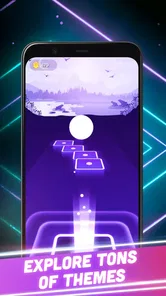
The graphics are something to write home about. The 3D design isn’t just there to look pretty; it enhances the gameplay by immersing you in a vibrant, colorful world. It’s almost like having a mini light show in your pocket! The smooth animations and transitions from one level to the next kept me hooked for hours.
More From Our News Desk

Weather by Xiaomi Review: Clear at a Glance, Less Clear Up Close

X Under Pressure: Can It Recover When Posting Goes Wrong?

Clash of Clans Is Won Between the Battles

Android Auto Makes the Case for Quieter Car Software

MobiOffice: Transforming Mobile Productivity with Seamless Integration

EA SPORTS FC™ Mobile Soccer: Redefining Mobile Sports Gaming
A Melody of Features
What really stands out in this game is its extensive music library. Whether you’re into pop, rock, or electronic dance music, Beat Tiles 3D has something for everyone. And the best part? They frequently update their catalog, so you can always look forward to fresh tunes to tap along to. The game’s interface is user-friendly, making it easy for anyone to navigate through the playlists and find their favorite tracks.
Another notable feature is the competitive leaderboard. It adds a layer of excitement as you strive to beat your own high score or challenge your friends. Trust me, there’s nothing more satisfying than seeing your name climb up that board!
Progress without turning every run into a test
The main pressure here comes from keeping taps aligned with the music as the game gets harder. I’d use a short session to learn how a track feels before treating a leaderboard position as the goal. If a run goes poorly, replaying with attention on the beat rather than the score can make the game feel less like a reflex exam. That is a useful distinction: this is a casual music game, not a substitute for learning an instrument or training precise musical technique.
For an everyday example, it suits a wait between appointments or a quiet break when I want something more active than scrolling but don’t have time to settle into a longer game. I’d keep the session brief if I were playing in a noisy place, since following rhythm demands attention. It is also a poor fit when I want to listen passively to a full album or when I need a game that works as a calm background activity.
Making short sessions work better
A useful way to fit the game into a busy day is to choose one track and treat the first attempt as a warm-up rather than a verdict on your timing. On a later run, keep your eyes near the next tile and let the sound help set your pace. This separates learning the pattern from chasing a score, and it can make a short break feel more satisfying even if you don’t set a personal best.
There is a trade-off between playing with sound and playing in a shared space. The music is central to judging rhythm, so turning it down or trying to play amid conversation may make the timing harder to follow. I’d use headphones when that is comfortable and appropriate, but I wouldn’t assume they are essential; the practical point is simply to choose a setting where the beat is easy for you to hear. If you need to stay alert to people around you, save a run for later rather than splitting your attention.
How it compares, and where it may not fit
Compared with the usual music-game alternatives, tile tapping keeps the interaction immediate: there is little to learn before trying a song, while more elaborate rhythm games may offer deeper patterns or a stronger sense of musical practice. That simplicity is the draw here, but it can also limit the appeal for players who want extensive control over difficulty, detailed performance feedback, or a serious skill ladder. I would choose this when I want quick, visual rhythm play; I’d choose a more involved rhythm title if mastering complex inputs is the point.
A small practical tip is to focus on the beat and the next tile rather than trying to absorb every visual effect at once. The colorful presentation can make a first run lively, but looking for the timing cue is more useful than watching the scenery. If you are playing for a personal best, repeat the same track a few times before comparing scores; that gives you a fairer sense of whether your timing is improving instead of mistaking a lucky run for progress.
The choice also depends on what you value in a music game. If you enjoy quick visual feedback and uncomplicated tapping, this is a more natural fit than a title built around multiple input types or lengthy practice sessions. If you want to learn a song’s structure, work through intricate note patterns, or measure improvement with detailed feedback, a more specialized rhythm game is likely the better use of your time. Beat Tiles 3D is appealing precisely when a lighter challenge is enough.
Fairness, spending, and what remains unclear
The leaderboard gives score-chasing a social edge, but I would not assume that it proves every player is competing under identical conditions. The purchase price range is known; what the purchases unlock and whether they affect competitive results is not established here. I’d enjoy the leaderboard as a personal challenge, and avoid spending for a competitive advantage unless the game itself makes the terms clear. Players who need transparent rules around rankings or purchases may prefer a game that spells those details out before they invest time or money.
Likewise, the broad music selection is part of the appeal, but a genre label cannot guarantee that a particular favorite song is available. I would browse the choices before deciding this is the right fit for a specific artist or playlist. The install count and rating show that it has reached a large audience, not that every song, device, or play session will suit every person. That distinction matters more than a popularity figure when choosing a game for your own habits.
What to check before investing time or money
If you are deciding whether to make a purchase, I’d first look at the offer shown inside the game and ask whether it addresses something you actually want. The listed range alone cannot tell you whether an item is cosmetic, unlocks content, or changes play, so I would not buy on the assumption that it improves scores or opens a particular song. If an offer is unclear, waiting is the sensible choice; the game is free to download, and a purchase should feel worthwhile on its own terms.
For a competitive player, the same caution applies to the leaderboard. It can be motivating to compare a result with your own earlier run, but rankings are less useful if you need a clear explanation of how scores are formed or how purchases relate to competition. I’d treat the board as an optional challenge rather than proof of a rigorously balanced contest. That approach lets the social element add fun without making assumptions about fairness that the available details do not establish.
Why You’ll Love It
If you’re looking for a game that’s both fun and challenging, Beat Tiles 3D is your go-to app. It’s perfect for those moments when you need a quick escape from reality. The combination of rhythm-based gameplay with stunning visuals and an impressive music selection makes it stand out from other music games on the market.
Plus, it’s free to download, which is always a bonus! There are in-app purchases, but they’re not intrusive, allowing you to enjoy the game without feeling pressured to spend money.
In conclusion, Beat Tiles 3D: Music Game is a delightful app that captures the essence of rhythm and fun. Whether you’re a hardcore gamer or someone who just loves music, this game will keep you entertained and tapping along to the beat. It’s a great way to unwind, challenge yourself, and maybe even discover some new favorite songs. So go ahead, give it a try, and let the music guide your fingers!
My trust verdict
I see the strongest case for trying it as a free, casual diversion: it has an easy-to-understand rhythm premise, a colorful presentation, and a leaderboard for players who like a score to chase. AppRover’s game has a 4.2 average and more than 10 million installs, which indicate a broad audience, but those figures cannot settle whether its music selection, timing feel, or purchase offers match your preferences. I’d judge it by a few free sessions rather than popularity alone.
My practical recommendation is to give it a try if you want short bursts of tile-tapping and don’t mind keeping your attention on the screen. I’d pass if you need a clearly documented competitive system, guaranteed access to a particular song, or a more demanding rhythm-training experience. The clearest spending advice is to start without buying anything, check each offer carefully, and only pay when its purpose is clear to you. For a quick music-game break, that is a reasonable way to see whether the beat clicks.
Beat Tiles 3D: Music Game Frequently Asked Questions
What should I know about the game before downloading Beat Tiles 3D: Music Game?
Beat Tiles 3D: Music Game is a music game built around jumping through tiles to hit songs. Its central appeal is the mix of listening and quick reactions, so it is a natural option if you enjoy rhythm challenges rather than a story-focused game. The download is free, and the game’s Teen content rating is worth considering when choosing it for younger players.
How much storage space does Beat Tiles 3D: Music Game need?
It is sensible to check the available space on your device before installing Beat Tiles 3D: Music Game, particularly if you keep many apps or media files on your phone. The game focuses on music and tile-based play, and you may want room for updates or other content as you use it. Keeping some spare storage can also make installing and updating apps more convenient.
Can I play Beat Tiles 3D: Music Game with sound turned off?
The game is centered on music and rhythm, so sound is an important part of the experience. You can still follow the tiles visually if you need to play quietly, but muted play may make it harder to catch the beat and respond naturally. For the intended feel, try playing with sound at a comfortable volume, especially when you are learning how the timing works.
What age group is Beat Tiles 3D: Music Game suitable for?
Beat Tiles 3D: Music Game has a Teen content rating, so it is intended for teenage players and older. Parents may want to review the game themselves before younger children play. The central activity is following music and tapping tiles, which makes it a straightforward choice for players who enjoy rhythm games, though individual suitability can depend on a family’s preferences.
Who developed Beat Tiles 3D: Music Game, and is it popular?
Beat Tiles 3D: Music Game is a music game developed by AppRover. It has reached over 10 million installs and has an average rating of 4.2 from around 33,000 ratings, suggesting that many players have tried it. Those figures can offer a useful sense of its audience, but the best fit still depends on whether you enjoy rhythm challenges and its style of play.
Pros
- Engaging 3D graphics
- Variety of music tracks
- Intuitive controls
- Regular updates
- Offline mode available
Cons
- Ads can be intrusive
- Limited free content
- In-app purchases are pricey
- Requires storage space
- Occasional lag issues