Beat Party:Rhythm Dance Game
- 187.00
- 4.0
- Installs
- 50.00K
- Price
- Free

Screenshots

Analysis by Reviewed
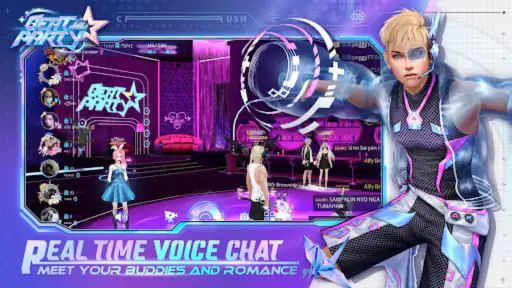
Beat Party:Rhythm Dance Game is the kind of music game I open when I want something cheerful, quick to understand, and more social in feeling than a traditional score-chasing rhythm title. Its central appeal is the combination of idol-style presentation, dancing, music, and friendship rather than a purely technical test of timing. After spending time with it, my view is clear: it works best as a light rhythm game for casual sessions, while players looking for deep musical precision or a large competitive ecosystem may find it less satisfying.
The game comes from LULUDEERS and is available as a free download for Android users. It sits in the music category, carries an Everyone age rating, and has passed 50K+ installs. Its average score is 4.0 from around 614 ratings, with about 187 written reviews. Those figures suggest a modest but active audience rather than a giant mainstream community, which matches my impression of the experience: it feels approachable and focused on relaxed entertainment.
How the rhythm-and-idol formula feels in practice
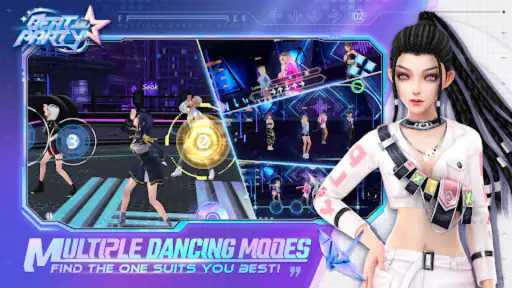
The first thing I noticed is that the game does not present rhythm play as an isolated exercise. The dancing and idol theme give each session a more playful purpose. Instead of simply watching notes arrive and trying to build a perfect score, I felt as if I was helping a musical character perform. That framing makes a difference during short sessions because even an imperfect run can still feel like part of a broader entertainment loop.
The basic rhythm challenge is easy to understand. Music plays, visual cues appear, and I respond in time. That simplicity is useful for newcomers, especially anyone who finds more demanding rhythm games intimidating. I did not need a long explanation before attempting a song, and the bright presentation makes the game feel closer to a casual mobile pastime than a serious arcade simulator.
At the same time, the friendly surface should not be mistaken for a completely effortless experience. Rhythm games depend heavily on timing, and small distractions can affect performance. Playing with headphones and keeping the screen free from notifications makes the experience noticeably more comfortable. I also found that shorter sessions were better when I wanted accuracy, while longer sessions were more enjoyable when I treated the game as a relaxed music break.
The strongest reason to try it is the way it turns a simple rhythm loop into a compact idol-themed activity. The musical action, character-focused atmosphere, and social flavor work together instead of feeling like unrelated menus placed around a song mode. That combination gives it a recognizable personality, even though it is not aimed at the same audience as a highly technical rhythm title.
A good fit for quick, everyday play
I can easily imagine using this game during an ordinary break. Suppose I have ten minutes before leaving home or want something to do while waiting for a friend. I can start a session, play a few musical challenges, and stop without needing to remember a complicated storyline or prepare a long strategy. That low commitment is one of its practical strengths.
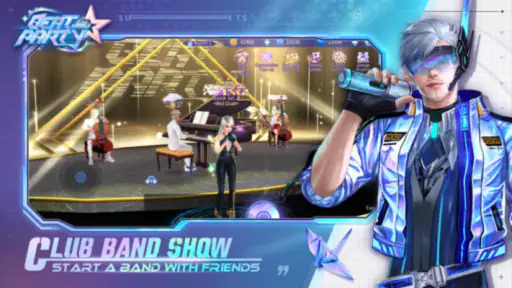
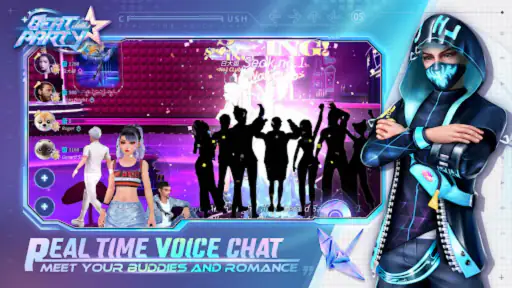
The idol-game structure also gives players a reason to return beyond repeating one song. Making friends and enjoying the performance atmosphere make the experience feel more personal than a bare score screen. Even when I am not trying to improve a result, the surrounding theme helps prevent the game from feeling like a disposable reaction test.
For younger players and families, the Everyone rating is reassuring. It positions the game as an accessible choice for a broad audience, although parents should still remember that the free download includes optional in-app purchases. Those purchases range from $0.99 to $99.99 per item, so I would recommend checking the device’s purchase controls before handing the game to a child.
What I would do before playing seriously
My first practical tip is to adjust the way I play according to my goal. If I am there to relax, I focus on the music and accept missed inputs. If I want to improve, I use the same device position, keep my hands consistent, and avoid playing while holding the phone at an awkward angle. Rhythm games can feel unfair when the real problem is an unstable grip or a noisy environment.
A second useful habit is to begin with a short warm-up rather than immediately chasing the best possible performance. The visual timing can take a moment to settle into, particularly after switching from another app. A few easier attempts help me learn the rhythm presentation and reduce the temptation to blame the game for mistakes caused by rushing.
I also recommend treating the social and idol elements as part of the progression rather than skipping through them automatically. If a player only wants note accuracy, those parts may seem like interruptions. If the player enjoys character interaction and the feeling of building a musical world, they provide the extra motivation that keeps the game from becoming repetitive too quickly.
Where the experience loses momentum
The biggest limitation is that the game’s appeal depends on enjoying its overall theme. Someone who wants a large library of demanding songs, detailed performance analysis, or a strictly competitive ranking experience may prefer a more specialized rhythm game. Beat Party:Rhythm Dance Game is not the choice I would make for serious practice of rhythm-game technique. Its charm is broader and lighter.
The free-to-play structure is another point to consider. The initial download costs nothing, which makes trying it easy, but the presence of optional purchases can affect how some players approach progression. I prefer to decide early whether I am comfortable enjoying the free portion without spending. That mindset avoids turning every new reward into a question of whether it should be purchased.
There is also a natural trade-off between accessibility and depth. A game that welcomes beginners cannot demand expert-level precision from the start. Beat Party leans toward approachability, and that is good for casual players, but experienced rhythm fans may outgrow the basic loop if they need constant mechanical escalation. I would not call this a flaw for its intended audience; it is a boundary that matters when choosing the game.
Another potential source of friction is attention. The game combines music, visual movement, and idol-themed presentation, so it can feel busy when I am tired or playing in a distracting place. Headphones help me follow the audio, but they do not replace a calm environment. For the best results, I play with the phone held steadily and give the screen my full attention during more difficult sequences.
Who should install it, and who should skip it
I would recommend it to players who enjoy music games but want more personality than a plain sequence of notes. It is especially suitable for someone who likes idol themes, dancing, friendly character interactions, and short mobile sessions. A newcomer to rhythm games can start without feeling buried under complicated systems, while a casual fan can return whenever they want a bright musical distraction.
It is also a sensible choice for players who want a free starting point. There is no purchase required to download it, and the Everyone rating makes the game broadly approachable. Still, I would keep spending controls in place because the optional items can cost as little as $0.99 or as much as $99.99 each. The right approach is to enjoy the free experience first and only spend with a clear personal limit.
I would skip it if my main goal were a serious rhythm-training tool. Players who compare games by input precision, song catalog depth, advanced difficulty, or competitive systems may be happier with a dedicated rhythm title built around those priorities. I would also skip it if I strongly dislike idol presentation or character-centered progression, because those elements are central to the game’s identity rather than decoration.
Compared with a conventional music game, this one places more emphasis on the performer and the surrounding social mood. Compared with a full idol simulator, it keeps the musical action closer to the center. That middle position is its most useful distinction: it offers more atmosphere than a simple tap game, but it remains easier to approach than a complex management-heavy idol experience.
Version, access, and day-to-day expectations
The current version is 2.4.9, and the game supports devices running Android 7.0 or later. That makes checking the operating system worthwhile before installing, especially on an older phone or tablet. A compatible device is only the starting point, though; I would also make sure there is enough free space and that the phone can handle music and animation without aggressive background interruptions.
Because this is a mobile game built around timing, the device itself affects how enjoyable it feels. A larger screen can make visual cues easier to follow, while a smaller phone may feel more convenient for short sessions. I prefer whichever setup lets me keep the display steady and see the action clearly. The best device is not necessarily the newest one; it is the one that makes accurate, comfortable play easy.
I would also avoid judging the game after only one rushed attempt. The first session is mainly about learning its rhythm presentation and deciding whether the idol atmosphere appeals to me. The real test is whether I want to return for another short performance after the novelty fades. For me, the answer is yes when I am in the mood for something colorful and forgiving, but not when I want a demanding score-optimization session.
My final recommendation
Beat Party:Rhythm Dance Game succeeds because it understands that a mobile music game can be about mood as much as mastery. The dancing, idol setting, music, and friendship angle give its rhythm play a warmer identity than a purely mechanical score attack. I especially like it as a quick break, a beginner-friendly introduction to rhythm games, or a casual choice for players who enjoy character-focused entertainment.
Its limits are just as clear. The free-to-play purchase range deserves attention, the presentation may feel too busy for some players, and dedicated rhythm fans may want more depth than this accessible format provides. Those are important considerations, but they do not erase the game’s main strength.
My recommendation is to try it if I want a light musical game with an idol flavor and a social, upbeat atmosphere. I would keep expectations realistic, set a spending boundary, and play with headphones when timing matters. For that audience, it is an enjoyable free starting point; for experts seeking a rigorous rhythm challenge, another game will probably be the better investment of time.
Pros
- Large song selection with upbeat tracks for different dance styles.
- Simple tap and swipe controls are easy for beginners to learn.
- Colorful visuals and character animations make performances enjoyable.
- Regular events can provide extra rewards and fresh challenges.
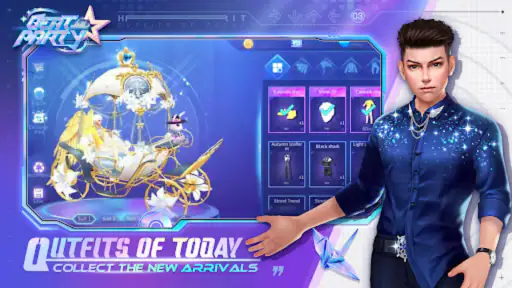
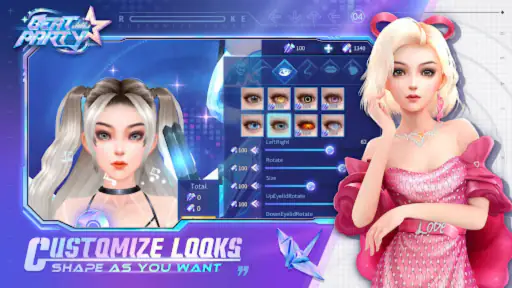
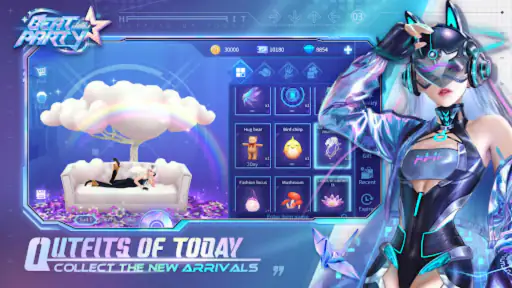
- Multiple outfits and customization options add a personal touch.
Cons
- Some songs and items may require in-app purchases to unlock.
- Energy or similar limits can interrupt longer play sessions.
- Timing can feel inconsistent on older or less responsive devices.
- The game may consume considerable storage after downloading song data.
- Frequent visual effects can make the screen feel crowded during songs.

- Category
- Music
- Version
- 2.4.9