Acertijo Mental: Brain Games
- 1.11K
- 4.9
- Installs
- 10.00M
- Price
- Free

Screenshots
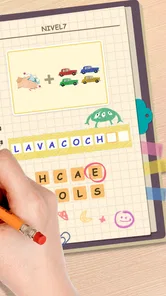
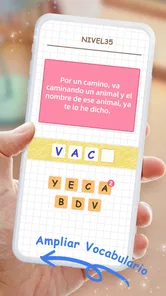

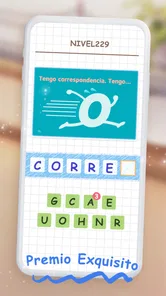
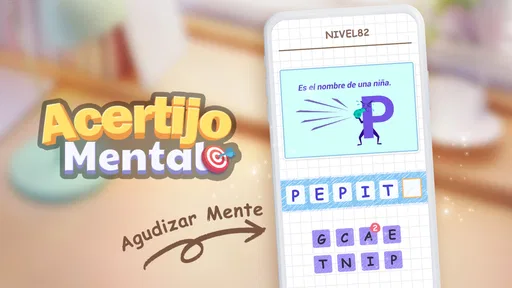
Analysis by Reviewed
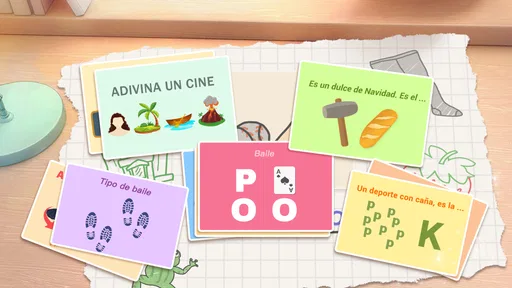
I like word-and-logic games best when they fit into ordinary life rather than demand a dedicated evening. Acertijo Mental: Brain Games is a trivia game from Kerun Games built around short mental challenges, making it an easy option to bring up when a few people are waiting for dinner or taking a break together. The key household question is less whether everyone can play and more how you want to share one device: treat each turn as a small group activity, or let one person play privately and pass the device along afterward.
One device, several different ways to play
For a shared session, I’d keep the phone or tablet in the middle and let players take turns reading a riddle, thinking it through, and entering an answer. That turns a solo puzzle into a conversation without needing a formal team mode. It also gives younger players time to explain their reasoning instead of feeling rushed to tap first. If people prefer quiet play, passing the device between turns is simpler than assuming everyone should use the same progress or score.
That distinction matters on a shared household device. A common screen may make it easy to take turns, but it doesn’t automatically make separate people’s activity separate. I’d agree in advance whether the device is being used for a casual group round or whether one person’s session should be left alone. This is a practical boundary, not a claim about account or profile options: I wouldn’t rely on an app to provide household separation unless I had checked it myself.
A little coordination makes shared play smoother
Riddles can be more fun when nobody blurts out the answer immediately. In my experience, a simple routine helps: give everyone a moment to think, invite one guess at a time, then let the person holding the device enter the response. If someone wants to play alone, agree on a natural handoff point rather than interrupting a puzzle halfway through. These small habits keep a quick game from turning into an argument over whose turn it is.
It also helps to decide what “winning” means before comparing scores. A shared screen can make score comparisons tempting, but different people may be playing at different times or with different levels of experience. I’d use any competition as a light prompt to try another riddle, not as a serious household ranking. That makes the game more welcoming to people who are new to brain teasers.
Getting Started with Acertijo Mental
First things first, let’s talk about the user interface. The moment I launched Acertijo Mental: Brain Games, I was greeted with a colorful and intuitive interface that made navigation a breeze. It’s got this playful vibe that instantly makes you feel like you’re about to have some fun while giving your brain a workout. The app is free to download on both Android and iOS, so it’s easily accessible for everyone.
Diving into the Gameplay
Now, onto the most exciting part — the games themselves! Acertijo Mental offers a variety of brain teasers that are designed to challenge different aspects of your cognitive abilities. Whether you’re into puzzles, memory games, or logical challenges, this app has got something for everyone. I found myself diving into one game after another, each one more intriguing than the last.
More From Our News Desk

Weather by Xiaomi Review: Clear at a Glance, Less Clear Up Close

X Under Pressure: Can It Recover When Posting Goes Wrong?

Clash of Clans Is Won Between the Battles

Android Auto Makes the Case for Quieter Car Software

MobiOffice: Transforming Mobile Productivity with Seamless Integration

EA SPORTS FC™ Mobile Soccer: Redefining Mobile Sports Gaming
One of my personal favorites is the memory match game. It’s simple yet so addictive! The challenge of remembering the positions of different tiles and matching them within a time limit had me hooked for longer than I’d like to admit. And then there’s the series of logic puzzles that really make you think outside the box. Each game tests a different skill set, ensuring that you’re getting a comprehensive brain workout.
The Community Experience
What I also loved about Acertijo Mental is the community aspect. The app allows you to connect with friends and see how your scores stack up against theirs. It’s always fun to have a little friendly competition, and it certainly adds an extra layer of motivation to improve your skills. Plus, there are leaderboards where you can see how you rank globally. Talk about boosting your ego!
Age, expectations, and a fair comparison
The game is rated Everyone, which makes it a reasonable candidate for a family break, but I’d still choose the riddles together and stay nearby if younger children are playing. An age label is useful context, not a substitute for an adult’s judgement about a child’s patience, reading ability, or comfort with competition. The game is free to download, with optional in-app purchases priced from $0.99 to $29.99 per item, so I’d also make sure children understand that paid extras are not necessary to take part in a casual session.
Compared with a crossword or a traditional quiz app, this style of play is better suited to quick changes of pace: a riddle can spark a discussion, while a memory challenge asks for more focused attention. It is not my first choice for a serious trivia night, a long narrative puzzle, or a quiet activity where nobody wants a timer or score comparison. If your household enjoys talking through answers, the mix can be a good fit; if everyone wants a completely separate experience, individual devices or a paper puzzle may be less awkward.
Who will enjoy it—and what to check first
I’d recommend it most to people who like short word puzzles, enjoy testing a guess against friends, and don’t mind switching between different kinds of challenges. It can work for a commute, a waiting room, or the few minutes before a meal is ready, especially when you want something more interactive than scrolling. If you prefer one deep puzzle that unfolds slowly, or need a structured learning tool with a clear lesson plan, this is probably not the right choice.
For a first try, I’d play a few rounds alone before bringing it to a group. That gives you a feel for the instructions and pace, so you can explain a puzzle without making everyone wait while you work out the controls. If the household shares one phone, agree whose session it is and avoid treating a leaderboard as a record of everyone’s personal progress. The game has a 4.9 average rating from around 535,000 ratings, and has passed 10 million installs; those figures suggest broad interest, though they can’t tell you whether its particular puzzle style suits your family.
Making short sessions work in real life
A practical way to use the game is to set a small stopping point before you begin: perhaps one riddle each while the kettle boils, or a few turns before everyone sits down to eat. This keeps a quick distraction from becoming an open-ended screen session and makes it easier to hand the device back without negotiation. I also find it useful to let the next player choose who answers first, so the person holding the phone is not automatically treated as the fastest or most knowledgeable.
When playing with mixed ages, I’d read the prompt aloud and let each person explain their thinking before anyone enters an answer. That makes the activity less dependent on who can read quickly or reach the screen first. It also reveals whether a disagreement is about the wording or the reasoning, which is more interesting than simply declaring a winner. If the wording is unclear to someone, I’d move on rather than turning a casual round into a debate about the “right” interpretation.
What the format does well—and where it can frustrate
The appeal here is variety: word riddles invite discussion, while a memory challenge is more about paying attention to the screen. That change of mental gear can help when a single kind of puzzle starts to feel repetitive. The trade-off is that variety may not mean every mode will suit every player. Someone who comes specifically for trivia facts may find a logic puzzle less satisfying, while a person who prefers unhurried solving may not enjoy a challenge that asks for quick input.
For that reason, I wouldn’t use a shared score as a measure of who is “best” at thinking. Familiarity with puzzle wording, comfort using a touchscreen, and willingness to guess can all affect how a person performs. A better household approach is to treat scores as a prompt to replay or compare strategies, not as a verdict on ability. If one player is getting frustrated, switching to a different type of challenge—or ending the session—is more sensible than insisting everyone keep pace.
Boundaries for a shared phone
Before passing the phone around, decide whether people are taking turns within one casual session or whether each person wants their own uninterrupted time. That simple agreement matters because shared access does not necessarily mean separate personal records or progress. I’d avoid using a household device as though it were a private account for each player, and I wouldn’t let a child make purchase decisions without an adult checking the situation first.
The purchase range is worth explaining in plain language: the game can be downloaded without paying, while optional items inside it can cost from $0.99 to $29.99 each. For a family, the useful question is not just whether the starting download is free, but who is allowed to approve spending on a device. I’d make that boundary clear before handing over the screen, especially if younger children are likely to tap through menus quickly.
Choosing it over other puzzle habits
Against a paper crossword, this game is more convenient when you have a phone nearby and want prompts ready without carrying a book; paper is still better when you want no screen, no shared-device confusion, and space to work things out at your own pace. Compared with a general quiz game, its mix of riddles and memory-style play is less focused on recalling facts and more about solving or noticing patterns. If the group wants a host-led competition with carefully chosen questions, a dedicated quiz format is likely a better match.
It also sits between solo brain-training routines and party games. A solo routine can be easier to fit around one person’s habits, while a party game is usually designed around everyone participating together. Here, I’d think of the phone as a convenient source of prompts rather than assume it will organize a whole group for you. That makes it flexible for a household, but the players themselves have to supply the turn-taking and ground rules.
Household verdict
Acertijo Mental runs on Android 5.0 or later, and its current version is 2.4401. For me, its best household role is a flexible little conversation starter: one person can solve a challenge alone, or a group can take turns and compare ideas without planning a whole game night. Kerun Games keeps the download free, while purchases are available inside the game, so it’s worth setting expectations before handing a shared device to a child.
Final Thoughts
In a world where our attention spans are constantly being tested, it’s refreshing to find an app that not only entertains but also enhances our mental faculties. Acertijo Mental: Brain Games does just that. It’s a well-rounded app that offers a plethora of games to keep your mind engaged and entertained. Whether you’re on a short break or looking to unwind after a long day, this app is a perfect companion.
So, if you’re in the market for an app that’s both fun and beneficial, give Acertijo Mental a try. It’s a great way to keep your brain sharp while having a blast. Trust me, your mind will thank you!
Acertijo Mental: Brain Games Frequently Asked Questions
Is Acertijo Mental: Brain Games suitable for quick play sessions?
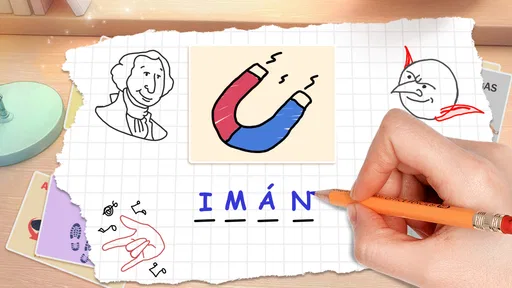
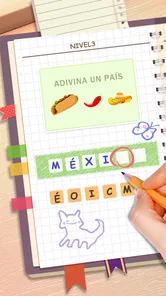
Acertijo Mental: Brain Games is a trivia game built around riddles, quizzes, and guessing words, so it can fit into a short break as well as a longer stretch of play. You can approach a puzzle when you have a little time and return to the game later. Its central appeal is testing your thinking with word-based challenges rather than following a story.
What age group can play Acertijo Mental: Brain Games?
The game is rated Everyone, making it broadly suitable for players of different ages. Its riddles and quizzes offer casual mental challenges that can appeal to children and adults alike, though individual puzzles may feel easier or harder depending on a player’s experience and preferences. If you are choosing a game for someone else, the word-guessing format is a useful thing to consider.
Is Acertijo Mental: Brain Games free to download, and what might cost extra?
Acertijo Mental: Brain Games is free to download, so you can try its trivia-style riddles without paying upfront. The game also offers in-app purchases, with prices ranging from $0.99 to $29.99 per item. Purchases are optional, but check the options shown in the app before buying so you know what each one includes.
What is Acertijo Mental: Brain Games and who is it suitable for?
Acertijo Mental: Brain Games is an engaging app designed to boost cognitive abilities through a series of challenging puzzles and brain teasers. It is suitable for individuals of all ages who are looking to enhance their mental agility, improve problem-solving skills, and enjoy some leisure time with educational benefits. Whether you're a student, a professional, or a retiree, this app offers something for everyone seeking mental stimulation. It is listed for Everyone, making it a broadly accessible choice for players looking for casual mental challenges.
How does Acertijo Mental: Brain Games enhance cognitive abilities?
Acertijo Mental: Brain Games offers a variety of puzzles and challenges that target different cognitive functions such as memory, attention, and logical reasoning. By regularly engaging with these games, users can gradually improve their mental faculties. The app provides levels of increasing difficulty to ensure that users remain challenged and stimulated, fostering continuous mental growth and development. Its focus on riddles and quizzes makes it a trivia game that invites you to guess words while exercising your problem-solving skills.
Pros
- Enhances cognitive skills effectively.
- Offers a variety of challenging puzzles.
- User-friendly interface for all ages.
- Regular updates with new challenges.
- Offline mode available for convenience.
Cons
- Some puzzles can be too difficult.
- Ads may interrupt gameplay frequently.
- Limited hints available for free users.
- Graphics are simple and not engaging.
- In-app purchases can be expensive.