WalterPicks - Fantasy Football
- 94.00
- 4.7
- Installs
- 50.00K
- Price
- Free

Screenshots
Analysis by Reviewed
Fantasy football tools usually impress me during draft season, when every ranking feels urgent and every roster decision seems important. The harder test comes later: does the app still deserve a place on my phone once the draft is over, injuries pile up, and weekly lineup decisions become routine? WalterPicks - Fantasy Football is built for that longer relationship. It combines draft preparation, league syncing, rankings, player research, and trade evaluation in one sports app from WalterPicks, and I found its real value depends less on a single clever feature than on whether it fits the way you already manage a league.
My first impression was that this is not simply a list of fantasy players. It is intended to be a working companion for several stages of a season. I could approach it before a draft, return to it when comparing players, and use it again when a trade or lineup question needed more thought. That range makes it more useful than a basic cheat sheet, although it also means the app asks me to spend some time learning where each tool belongs in my routine.
From draft-day appeal to a season-long habit
Why the first week feels useful
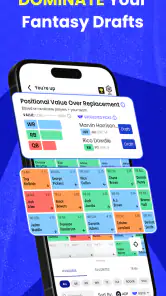
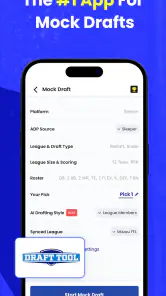
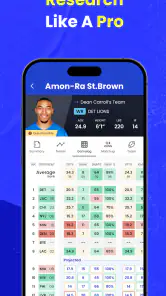
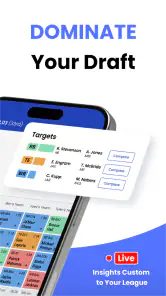
The strongest early appeal is the way the app brings several fantasy football tasks together. A draft kit is more practical than a static ranking page because it gives me a place to organize preparation instead of jumping between unrelated notes, browser tabs, and screenshots. Rankings help establish a baseline, while player research gives me a reason to look beyond that baseline before making a selection.
That combination matters when a draft starts moving quickly. I do not want to read a long profile for every available player, but I also do not want to blindly follow one list. The useful workflow is to use rankings to narrow the field, then open research when a decision is close. In my experience, that makes the app feel less like an information dump and more like a decision aid.
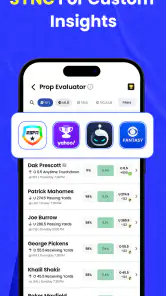
League-sync is another important part of the first-week experience. When an app knows the shape of my league, its advice can be considered in the context of my roster rather than as general fantasy football commentary. That is especially helpful after the draft, when the question is no longer “Who is valuable?” but “What does my team actually need?” I would still check the synced league carefully before trusting any recommendation, because a small setup mistake can distort every later comparison.
The app is free to download, which makes it easy to try before committing to a season-long workflow. It carries an Everyone content rating, so the presentation is accessible to a broad audience. Its current version is 3.219.0 and it supports Android 7.0 or later, a practical advantage for people using an older Android phone instead of upgrading solely for fantasy tools.
Using the tools together instead of separately
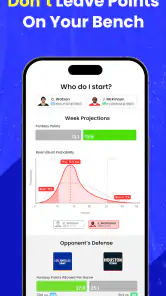
The best way I found to use WalterPicks is not to treat each feature as a separate destination. I start with the league context, review the roster or available players, and then use rankings as a quick filter. The research view is most valuable when it answers a specific question: whether a player is a reasonable target, whether a replacement is worth adding, or whether a trade proposal solves a genuine weakness.
More From Our News Desk

Clash of Clans Is Won Between the Battles

Android Auto Makes the Case for Quieter Car Software

MobiOffice: Transforming Mobile Productivity with Seamless Integration

EA SPORTS FC™ Mobile Soccer: Redefining Mobile Sports Gaming

How Microsoft OneDrive Became a Mobile Productivity Giant

How Google Translate Breaks Language Barriers Effortlessly
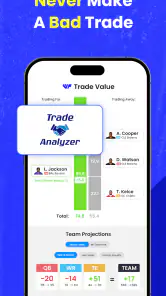
The trade analyzer is particularly easy to misuse. A favorable result should not automatically end the discussion. I use it as a prompt to investigate the deal, not as a final judge. A trade can look attractive in isolation while leaving my roster thin at another position, creating a difficult schedule of future decisions, or relying too heavily on one uncertain player. The app helps me structure that thought process, but it does not remove the need for judgment.
A useful draft-day tip is to prepare a short personal rule before opening the app. For example, I might decide that I will not chase a second player at a position simply because the ranking is tempting, or that I will protect roster flexibility until the middle rounds. The app then supports my plan instead of replacing it. Without that discipline, having rankings, research, and analysis together can encourage constant second-guessing.
What remains valuable after the draft
Many fantasy apps lose their appeal after draft night because their main content is built around preparation. This one has a better chance of surviving that transition because league-sync, player research, and trade analysis remain relevant once the season is underway. I can return when a starter is unavailable, when a waiver decision affects my bench structure, or when another manager sends an offer that deserves more than a quick emotional response.
The recurring value is strongest for managers who enjoy making deliberate moves. If I like comparing options and revisiting roster construction, the app gives me a repeatable place to do that. It also helps reduce the temptation to react only to the loudest headline. Instead of immediately adding a player because everyone is discussing him, I can check how that move fits my own team and compare it with alternatives.
There is a subtle benefit here: the app can turn vague anxiety into a defined task. “My roster feels weak” becomes “I need to compare possible trade targets,” “I need to research replacements,” or “I need to examine the ranking gap at this position.” That kind of structure is more valuable over a long season than a flashy one-time feature.
The month-to-month test
After the novelty fades, I think the app earns continued use mainly through repetition. A fantasy manager may open it before a weekly matchup, after a roster change, and whenever a trade arrives. Those are natural return points, so the app does not need to invent a reason to be opened every day. Its role is more like a reference desk for decisions that matter.
Still, not every manager will need that much support. Someone who sets a lineup quickly, rarely trades, and prefers a single weekly ranking may find the broader toolkit unnecessary. In that case, the usual alternative—a simple league page plus a trusted ranking list—may be faster. WalterPicks makes more sense when I want context around decisions, not merely a reminder of which players are popular.
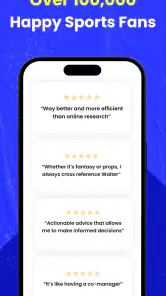
The app’s public reception suggests that many users find this approach worthwhile: it holds an average rating of 4.7 from more than 500 ratings. I treat that as encouraging rather than conclusive. Fantasy football habits differ widely, and a high rating cannot tell me whether the workflow suits a casual manager, a highly competitive league, or someone who dislikes frequent analysis.
Maintenance without turning fantasy football into a second job
The main maintenance burden is not technical; it is behavioral. To get lasting value, I have to keep my league connection accurate, remember to revisit decisions, and avoid treating every new ranking movement as an emergency. The app can organize the work, but it cannot decide how much attention my league deserves.
League syncing is convenient when it is correct, yet it creates a responsibility that a generic research app does not have. I would make a habit of checking the roster context after major league changes rather than assuming everything is still represented exactly as expected. That small check prevents me from building a trade argument around an outdated view of my team.
Another maintenance tip is to separate research from action. I might use the app to investigate a player one day, then wait before proposing a trade or changing my roster. This is especially useful for managers who tend to make decisions immediately after reading a persuasive profile. The app is at its best when it improves the quality of a decision, not when it accelerates every impulse.
There is also a financial consideration. The app is free, but in-app purchases range from $8.99 to $169.99 per item. That wide range means I would inspect the purchase screen carefully and decide what level of use I actually need before paying. A casual player should not assume that every available upgrade is necessary, while a serious manager may see value in paying for tools used repeatedly across a full season. The important question is whether a purchase changes my workflow enough to justify becoming part of it.
Where fatigue can set in
The same depth that makes the app useful can also create fatigue. More research options mean more opportunities to reopen a decision that was already good enough. Fantasy football rewards attention, but it can also punish endless tinkering. If I check every ranking movement, analyze every possible trade, and repeatedly compare the same players, the app becomes a source of noise rather than clarity.
I also think the experience is better suited to managers who enjoy taking ownership of their choices. The app can present rankings and analysis, but fantasy outcomes remain uncertain. A manager looking for guaranteed answers may become frustrated, especially when a carefully researched move fails. That is not a flaw unique to this product, but an app with several decision tools can make expectations feel higher than they should be.
Another possible friction point is the learning curve created by having multiple functions in one place. A narrow app can be understood almost immediately because its purpose is obvious. Here, I would spend some time learning the difference between using a ranking, opening research, and running a trade comparison. That investment is worthwhile for an active manager, but it may feel excessive for someone who only checks a lineup once a week.
The purchase model can add to that hesitation. Since the app is free to start but includes paid items, I would avoid making a purchase during the excitement of draft preparation. I would first use the free experience through a real decision cycle and ask whether I am returning often enough to benefit. That trial period gives a clearer answer than judging the app by its first few minutes.
Who gets the most from it
I would recommend WalterPicks to a manager who wants one place for draft preparation and ongoing roster decisions. It is especially appealing if I enjoy trades, like researching players before acting, or manage a league where small roster edges matter. The combination of league context and analysis is more useful for those situations than a plain list of projected values.
It is also a good fit for someone moving from casual fantasy play toward a more organized approach. Instead of keeping scattered notes, I can build a repeatable routine: sync the league, review needs, compare options, and then make a decision. That structure can save time even when it does not produce a different result, because I know why I made the move.
I would be more cautious about recommending it to a player who wants minimal interaction. If my ideal fantasy experience is opening one screen, accepting a suggested lineup, and leaving, the extra research and trade tools may feel like work. A simpler league interface or a lightweight ranking source could be a better match.
It may also be the wrong choice for someone who expects the app to replace league knowledge. I still need to understand my scoring settings, roster limits, and personal risk tolerance. No analyzer can fully capture the social context of a trade or the importance of keeping flexibility on a particular week. The app supports informed choices; it does not make them automatically correct.
How it compares with familiar alternatives
The usual alternative is to combine a league provider’s built-in roster page with separate rankings and occasional web searches. That approach can be perfectly adequate, especially for a relaxed league. Its weakness is fragmentation. I may have to copy information between places, remember which source influenced a decision, and judge whether a general ranking applies to my specific roster.
WalterPicks is more compelling when that fragmentation is the problem. League-sync gives the analysis a team-level starting point, while the draft kit and research tools give me a more deliberate path from question to decision. The trade-off is that a broader app can feel heavier than a single-purpose page. I gain context and organization, but I also need to learn the workflow and resist overusing it.
Compared with a spreadsheet, the app is more convenient for quick research and trade conversations. A spreadsheet can still be better for managers who maintain custom scoring models, personal tiers, or long-term notes. I would not abandon a carefully built system just because this app is easier to open. Instead, I would use WalterPicks for fast comparisons and keep a separate personal record if my league strategy depends on details the app does not represent in the way I prefer.
Does it earn permanent space?
For me, the answer depends on whether the app becomes part of a calm weekly routine rather than a source of constant alerts in my own head. Its lasting strength is the connection between preparation and maintenance. Draft research does not have to be abandoned after the draft, because the same general workflow can support roster reviews, player comparisons, and trade decisions later.
I would keep it installed if I were managing an active league and regularly needed to make choices that deserved more context than a quick ranking. I would probably open it at the start of the week to identify roster questions, use research only where uncertainty was meaningful, and reserve the trade analyzer for offers with a real chance of improving the team. That approach preserves the app’s usefulness without allowing it to consume every spare moment.
WalterPicks has been available since December 21, 2022, and its continued appeal is easier to understand once I stop judging it as a draft-only product. It is a sports app for managers who want a connected decision process, not just a list of names. The developer, WalterPicks, has positioned it around the practical parts of fantasy football that continue after the opening draft.
My final view is positive but selective. The app earns lasting space when it helps me make fewer, better-considered moves. It is free to begin, supports older Android devices, and brings together enough fantasy football work to justify regular use for engaged managers. The limitations are equally clear: it can encourage overanalysis, paid items require careful consideration, and casual players may find a simpler alternative more comfortable. If I want a structured companion for the whole season, I would recommend trying it. If I only need a quick weekly lineup check, I would skip the extra complexity.
WalterPicks - Fantasy Football Frequently Asked Questions
What devices can I use WalterPicks on?
WalterPicks is a sports app for Android, and it requires Android 7.0 or later. Before installing, check your device’s Android version and available storage so you can confirm the app is compatible with your phone or tablet. Keeping your operating system current can also help with app compatibility and security.
Who makes WalterPicks, and is it popular among fantasy football players?
WalterPicks is developed by WalterPicks and is designed for fantasy football fans. It has a 4.7 average from around 525 ratings, with 94 written reviews and over 50,000 installs. Those figures offer a sense of its reception, but whether its tools suit you will depend on your fantasy format and the kind of research you prefer.
What is WalterPicks – Fantasy Football?
WalterPicks – Fantasy Football is a fantasy sports companion designed to help football fans make more informed decisions for their fantasy teams. The app typically provides player projections, rankings, matchup information, and recommendations that can be useful when setting lineups, evaluating transfers, or preparing for upcoming fixtures. Its store summary also highlights a Draft Kit, League-Sync, a Trade Analyzer, and player research. It is best viewed as a decision-support tool rather than a replacement for your own research or league strategy.
How can WalterPicks help me manage my fantasy football team?
The app can help you compare players and identify potentially valuable options for your squad by presenting statistics, projections, and matchup-based insights in one place. Depending on the supported fantasy format, you may use it to review expected performances, discover waiver or transfer targets, and decide between difficult lineup choices. Its Draft Kit, League-Sync, Trade Analyzer, and player research tools can support different parts of team management. Always confirm the information against your league’s scoring rules and the latest team news.
Does WalterPicks support every fantasy football platform and league?
Compatibility may vary depending on the fantasy football platform, competition, and country supported by the app. Before downloading, check the current store description and the developer’s documentation to confirm whether your league format is included. League-Sync is among the app’s highlighted tools, but some features may work only with specific competitions or scoring systems, while others may provide general player analysis without directly connecting to your fantasy account.
Pros
- Quickly compare player projections before setting your lineup.
- Useful waiver-wire insights for improving weaker roster positions.
- Custom league support makes advice more relevant to your competition.
- Clean layout keeps matchup and player information easy to scan.
- Helpful for managers who want data-driven decisions without spreadsheets.
Cons
- Some advanced recommendations may require a paid subscription.
- Player projections can change quickly after late injury news.
- Advice may feel less useful in very small or casual leagues.
- Limited value for users who only play daily fantasy contests.
- The app’s usefulness depends on supported fantasy platforms and scoring rules.
- Category
- Sports
- Version
- 3.219.0





