TW 2.0
- 0.00
- 0.0
- Installs
- 10.00K
- Price
- Free

Screenshots
Analysis by Reviewed
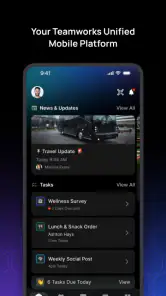
TW 2.0 is a sports app from Teamworks Innovations that takes a more focused approach than the typical score tracker or general fitness download. I spent time looking at it as a tool for people who live around organized sport, and my first impression is that its value depends less on flashy entertainment and more on whether it fits the way you already manage training, communication, and daily athletic routines. It is free, aimed at a Teen audience, and available for devices running Android or iOS versions supported from OS 12 onward.
The store summary calls it “Elite Sports Tech,” while the shorter description simply identifies the product as “TW 2.0.” Those labels suggest a platform built with serious sports environments in mind rather than a casual app for checking yesterday’s results. That distinction matters. A recreational player looking for a simple workout timer may find it more involved than necessary, while an athlete, coach, or team member may appreciate having a sports-specific place to work from.
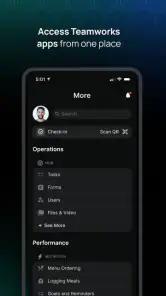
I would not approach it as an app that replaces every other sports utility on your phone. Its appeal is more practical: it is designed to sit inside an organized athletic routine. The strongest reason to try it is that it may bring relevant tasks and information closer together, reducing the need to jump between unrelated tools. The main question is whether your own team or sporting environment actually uses the same workflow.
How TW 2.0 feels during everyday sports use
Speed expectations before you commit to regular use
My expectation for TW 2.0 is not the instant, lightweight feel of a calculator, stopwatch, or basic running tracker. A sports technology platform normally has more context to handle, and that can make the first moments of use feel more deliberate than opening a single-purpose utility. I would judge it by how quickly it gets me to the information or action I need, not simply by whether every screen appears instantly.
That is an important distinction for athletes. When I am preparing for practice, the useful test is whether I can open the app, understand what requires attention, and move on without hunting through unrelated menus. In an organized setting, a small amount of structure can be more valuable than a bare interface. At the same time, extra layers become frustrating when I am standing outside a training facility or trying to check something between drills.
The best performance test is the one that matches your real routine. Install it before a busy week rather than waiting until the day of an important session. Spend a few minutes learning where your regular information lives, then see whether the path remains clear when you are in a hurry. That simple trial tells you more than a store description because sports apps are judged by repeated transitions, not by their first screen.
TW 2.0 is currently listed as version 1.11.17, which gives me more confidence than evaluating an obviously unfinished first release. Still, a version number is not a promise that every device will feel identical. The experience can vary with the phone, operating system, connection quality, and the amount of activity taking place in the service behind the app. I would keep expectations realistic: responsive enough for routine use is a more useful standard than expecting every action to feel instantaneous.
What happens during heavier use
The moments most likely to test this app are not quiet browsing sessions. They are the periods around practice, travel, competitions, and schedule changes, when several people may be checking information or updating their own part of a shared routine. That is where a sports platform either earns its place or becomes another source of friction.
In those situations, I would avoid repeatedly refreshing a screen just because an update is not visible immediately. A better habit is to check the relevant area once, give the app a moment, and then retry only when necessary. This reduces wasted battery and prevents a temporary connection delay from turning into a string of duplicate actions. It is a small workflow change, but it matters when the phone is already busy.
Another useful habit is to open the app before leaving reliable Wi-Fi and become familiar with the information you will need. I would not assume that every part of a connected sports platform remains equally useful without a network. If your day includes a long journey, a crowded venue, or a building with poor reception, prepare the essentials in advance and keep another practical way to remember times or locations.
Heavy use also reveals whether the app is comfortable for short visits. I prefer a sports tool that lets me complete one task and leave, rather than encouraging me to keep it open throughout the day. Keeping any app active for long periods can affect battery life, especially when the phone is already handling navigation, messaging, music, or camera use. I cannot treat TW 2.0 as a substitute for those other tools, so its resource demand should be considered as part of the whole phone experience.
Stability and recovering from interruptions
Reliability is more than avoiding a crash. For me, it means the app returns to a sensible place after a phone call, a temporary signal loss, a screen lock, or a quick switch to another app. Sports routines are full of interruptions, so recovery matters almost as much as the initial load.
If TW 2.0 does not immediately show the state I expected after returning, I would first check whether the connection has recovered before repeating an action. This is especially important when an action could create duplicate entries or repeated requests. A calm retry is safer than tapping the same control several times while the interface is still catching up.
I also recommend keeping the operating system current within the supported range and leaving enough free storage for normal phone maintenance. That is not unique to this app, but it is particularly sensible for a platform used alongside other sports, communication, and scheduling tools. A crowded or outdated device can make a stable app appear unreliable, and separating those causes saves time when troubleshooting.
The recovery experience is also shaped by how much you depend on the app. If TW 2.0 is one part of a team’s workflow, a brief interruption may be manageable because you can confirm urgent details elsewhere. If it is the only place you expect to find something time-sensitive, you should develop a backup habit. I would keep key meeting details, travel information, or instructions available through an approved alternative rather than assuming one app should carry the entire day.
Device limits and practical compatibility
The minimum operating-system requirement is version 12, so anyone using an older phone should check compatibility before planning around it. That requirement is not especially demanding for a newer handset, but older supported devices may still differ in memory, storage, battery condition, and background performance. Two phones can meet the same operating-system requirement and still feel very different in daily use.
For a smoother experience, I would install TW 2.0 on a device with current system updates, reasonable free space, and a battery that can handle a full training day. I would also avoid testing it for the first time while the phone is already running navigation, streaming audio, a camera session, and several communication apps. That kind of crowded setup makes it difficult to tell whether any delay comes from TW 2.0 or from the device as a whole.
Screen size can matter too. A compact phone may be convenient on the move, but dense sports information is easier to scan on a larger display. On the other hand, a large device is less comfortable to carry during activity. My advice is to judge the app in the way you will actually use it: standing, walking, travelling, or checking something quickly between responsibilities. A layout that feels fine at a desk may feel less efficient when you have only one free hand.
Because TW 2.0 is a sports app for a Teen audience, I would also treat account access and personal device habits seriously. Use a lock method on the phone, avoid leaving the app open on a shared device, and think before handing your phone to someone else. These are sensible precautions whenever an app is connected to an organized athletic environment, even if the task you are completing feels routine.
Who will get the most from it
The clearest audience is people involved in structured sport: athletes who need a central team-oriented tool, coaches who want participants working from the same system, and families supporting a young athlete’s schedule. For these users, the app may be more useful as part of a shared process than as a standalone download chosen in isolation.
A realistic example would be a student athlete checking the day’s expectations before leaving school, confirming what needs attention, and returning to the app after practice to stay aligned with the next step. The benefit is not that the phone becomes a coach. The benefit is that a sport-specific workflow can reduce the mental effort of remembering where each piece of information belongs. That is most valuable during busy weeks when school, travel, training, and recovery compete for attention.
Coaches and team staff should think about adoption rather than installation alone. An app only helps when the people involved actually use it consistently. If half of a group relies on TW 2.0 and the rest use scattered messages, paper notes, or different apps, the promised convenience can disappear. In that case, the problem is not necessarily the software; it is the lack of one agreed routine.
Parents may find it useful when they are helping a teenager manage a demanding schedule, but I would not assume that every family needs another sports platform. If the athlete participates casually and receives all necessary details through an existing club channel, TW 2.0 may add another login and another place to check. The free price removes a financial barrier, but it does not remove the time cost of learning and maintaining a new workflow.
Where it compares well, and where alternatives win
Compared with a general calendar, TW 2.0 has the potential advantage of being shaped around sport instead of asking you to build the structure yourself. A calendar is excellent for appointments and reminders, but it does not automatically feel like an athletic workspace. If your needs are limited to dates and times, however, the familiar calendar may remain faster and easier.
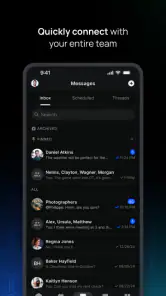
Compared with group messaging, a dedicated sports app can offer a calmer place to look for organized information. Chat is quick and familiar, but important details can disappear under jokes, photos, and unrelated replies. The trade-off is that messaging apps are usually easier to adopt because almost everyone already knows how to use them. TW 2.0 is a better fit when the group is willing to follow one system rather than treating it as an optional extra.
Compared with a fitness tracker, this app should not be judged by whether it replaces personal workout metrics. A tracker is usually built around an individual’s activity history, while an elite sports technology platform is more relevant to the wider structure around an athlete. If your goal is simply counting runs, recording heart-rate trends, or following a solo exercise plan, a specialized tracker may be the more direct choice.
This is also why I would skip TW 2.0 if you want entertainment, casual sports news, or a simple scoreboard. Its identity is narrower. The app makes more sense when your sport already has an organized context that gives the download a purpose.
Small workflow choices that make a difference
My first practical tip is to create a short pre-practice check. Open the app at a consistent time, review only what affects the next few hours, and close it. This prevents endless scrolling and turns the platform into a deliberate checkpoint rather than a distraction.
Second, separate urgent information from information that can wait. If something affects where you must be or what you must bring, confirm it early and keep a simple backup note. Less urgent updates can wait until you have a stable connection and enough time to read them properly. This approach makes the app less vulnerable to a rushed tap or a poor signal.
Third, test recovery before you depend on it. Open a relevant screen, lock the phone, switch briefly to another app, and return. Try the same routine after moving between Wi-Fi and mobile data. You are not measuring laboratory performance; you are learning how your own phone behaves. That knowledge is valuable because it tells you whether the app fits your habits before a busy event exposes a weakness.
Finally, review your phone’s battery condition and notification choices after installation. Too many alerts can make a useful sports tool feel intrusive, while too few can cause you to miss something your team expects you to see. I would aim for notifications that support a clear routine, not a constant stream of interruptions.
My performance verdict
TW 2.0 is a free sports app from Teamworks Innovations, released on April 18, 2025, and it has passed the early stage of being merely a new icon by reaching over ten thousand installs. Its Teen content rating and operating-system requirement from version 12 make it approachable for many athletes, but the real value still depends on the environment around the user.
I see it as a sensible choice for athletes and teams looking for a dedicated sports technology workflow, especially when everyone involved agrees to use it consistently. Its strongest quality is the possibility of replacing scattered habits with a more focused routine. Its main weakness is equally practical: without an organized reason to return, it can become another app competing for attention, battery, and storage.
My recommendation is to try it during an ordinary training week, not only during a major event. Check how quickly it gets you to the information you need, how it behaves when your connection changes, and whether returning after an interruption feels dependable on your device. If those everyday tests fit your routine, TW 2.0 is worth keeping as a focused sports companion. If all you need is a calendar, group chat, or personal fitness log, the simpler alternative may serve you better.
In short, I would recommend it to people who already have a structured athletic context and want their phone to support that context more directly. I would not recommend downloading it just because it is free. The app earns its place when it reduces friction in a real sports routine; outside that setting, its specialized purpose is also its clearest limitation.
Pros
- Simple interface makes core features easy to find.
- Lightweight design should work well on older devices.
- Useful customization options improve the overall experience.
- Responsive controls make everyday use feel smooth.
- Regular updates can help maintain compatibility and stability.
Cons
- Some advanced features may require extra setup or learning.
- The interface can feel dated compared with newer alternatives.
- Performance may vary depending on the device and operating system.
- Limited guidance can make certain options difficult to understand.
- Some functions may depend on an active internet connection.

- Category
- Sports
- Version
- 1.11.17