Snap Finance
- 818.00
- 4.8
- Installs
- 500.00K
- Price
- Free

Screenshots

Analysis by Reviewed
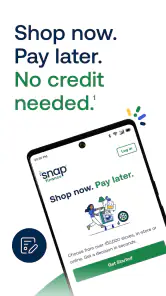
When I look at Snap Finance, I see a shopping app built around one clear idea: helping people apply for financing at the moment they want to buy something, rather than treating payment as an afterthought. The app is free, belongs to the Shopping category, and comes from Snap Finance. Its central promise is especially relevant for shoppers who may not want to rely on a traditional credit application, because the service presents itself as requiring no credit history for consideration.
I installed it expecting a conventional store app, but that is not really the right way to think about it. It is better understood as a financing companion for purchases made through participating shopping channels. That distinction matters. You do not open it simply to browse a huge catalog and check out every item inside one marketplace. You use it when the payment decision is part of the shopping decision.
The important question is not whether Snap Finance makes shopping cheaper. It is whether spreading a purchase through a financing arrangement makes sense for your budget, your timing, and the terms shown during the application. In my experience, that is where the app can be useful, but also where careful reading matters most.
How the no-credit-needed approach changes the shopping experience
The capability that defines Snap Finance is its alternative approach to purchase financing. Instead of making a conventional credit score the only doorway, it gives shoppers a way to seek approval through Snap Finance. That can make a meaningful difference for someone with limited credit history, a damaged credit record, or no desire to use a conventional credit card for a necessary purchase.
That does not mean every application will be accepted, and it does not mean every shopper will receive identical terms. I would not interpret “no credit needed” as “no evaluation” or “guaranteed approval.” The practical benefit is access to an application path that is designed for people who may not fit comfortably into ordinary credit-card shopping.
This is where the app’s role becomes clearer. It is not a magic discount tool, and it should not be treated as free money. It is a way to bring financing into the purchase process. If you already know what you need, can manage scheduled payments, and are willing to inspect the agreement carefully, the app may remove one barrier between you and that purchase.
The app has earned a strong average rating of 4.8 from around 9,000 ratings, and it has passed half a million installs. Those figures suggest that many people find the service useful enough to keep using or recommend. I still would not use popularity as a substitute for checking the actual terms attached to an individual purchase. Financing products affect personal budgets, so the approval screen and agreement deserve more attention than the star rating.
More From Our News Desk

Clash of Clans Is Won Between the Battles

Android Auto Makes the Case for Quieter Car Software

MobiOffice: Transforming Mobile Productivity with Seamless Integration

EA SPORTS FC™ Mobile Soccer: Redefining Mobile Sports Gaming

How Microsoft OneDrive Became a Mobile Productivity Giant

How Google Translate Breaks Language Barriers Effortlessly
What I would do before opening the application
I get the best results from this kind of app when I decide on three things first: the item I need, the maximum amount I can comfortably handle over time, and the point at which I would walk away. Without those limits, the convenience of applying can encourage me to focus on getting the item rather than understanding the total obligation.
I also separate a genuine need from an impulse purchase. Snap Finance can be more defensible when a household appliance, bed, tire, or other important item cannot reasonably wait. It is much harder to justify when the purchase is optional and the payment schedule would compete with rent, utilities, food, or existing debts.
That preparation is one of the less obvious advantages of using the app thoughtfully. It turns the financing screen into a decision checkpoint instead of a button I press simply because the purchase is tempting. I recommend writing down the cash price, the amount available today, and the maximum total I am prepared to repay before starting.
Using it as part of a real purchase
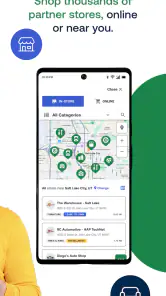
In everyday use, the experience makes the most sense when I am already shopping with a merchant that works with Snap Finance. I would identify the product, choose the relevant financing route, and complete the application information requested by the service. The app is therefore most useful when it sits beside the merchant’s checkout process, not when I expect it to replace the merchant.
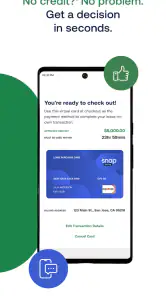
The important practical step comes after an offer appears. I would inspect the payment amount, timing, total repayment, and any other terms shown before accepting. A payment that looks manageable in isolation can still lead to a much higher overall cost or create pressure later in the month. The app may make the application convenient, but convenience should not shorten the time I spend reading.
I also keep screenshots or records of the offer and agreement for my own reference. That is a simple habit, but it helps when I want to remember what I accepted, when payments are expected, or how the financed amount compares with the original purchase. I would not rely on memory after completing a financial application.
Another useful workflow is to compare the Snap Finance option with at least one ordinary alternative before committing. That alternative might be saving for the purchase, using money already available, checking a conventional credit-card offer, or comparing another financing route. The best choice depends on the total cost and my ability to repay, not merely on whether the first application is approved.
A realistic situation where the app makes sense
Imagine that a refrigerator stops working unexpectedly. Replacing it cannot wait for several months of saving, but paying the entire amount immediately would leave too little for other essential bills. In that situation, I can see why someone would try Snap Finance. The app offers a direct way to explore financing at the moment the household need appears, especially for a shopper who does not want to depend on a standard credit card or may not have a strong credit profile.
The sensible approach would be to compare the refrigerator’s cash price with the full repayment obligation, then ask whether the scheduled payments fit comfortably after essentials. If the arrangement keeps the household stable and the terms are understood, the financing route may solve a genuine short-term problem.
The same scenario also shows the limit. If the payments would force late bills, overdrafts, or new borrowing, approval would not make the purchase affordable. In that case, I would look for a less expensive model, a temporary replacement, a used option, or help from another source rather than treating financing as the answer.
Where the experience can feel less straightforward
Snap Finance is convenient precisely because it brings a financial decision close to checkout. That closeness is both its strength and its main risk. When I am focused on getting a needed item, I may pay more attention to the immediate payment than to the complete cost of the agreement. The app cannot make that judgment for me.
The phrase “no credit needed” can also create an expectation that the process will be effortless for everyone. I would approach it more carefully: an application still involves personal information, an assessment, and terms that may vary by situation. The absence of a traditional credit requirement does not remove the need to qualify or the responsibility to repay.
Another trade-off is that the app may be less useful if I have already saved enough to pay cash. Paying directly avoids adding a financing obligation and makes the total cost easier to understand. Likewise, a shopper with access to a cheaper, clearly understood alternative may gain little from using Snap Finance simply because the application is available.
I also would not choose it for a purchase that I cannot explain in practical terms. If I am unsure why I need the item, unsure how much it costs in total, or unsure whether the payment schedule fits my income, I would pause. A fast application is not a reason to rush a long-term financial commitment.
Comparing it with the usual ways to pay
Compared with paying cash, Snap Finance offers flexibility but adds an obligation. Cash is usually simpler: once the purchase is complete, there are no future installments tied to that transaction. Financing can preserve cash for an urgent need, but that flexibility has value only if the repayment plan remains comfortable.
Compared with a conventional credit card, the app may appeal to people who do not have suitable credit access or who want a purchase-specific financing route. A credit card can be more flexible for someone who already has a low-cost arrangement and understands how interest and minimum payments work. I would compare the complete cost rather than assuming either option is automatically better.
Compared with saving first, Snap Finance wins mainly on timing. Saving avoids a new payment commitment, but it is not practical when an essential item fails suddenly. For nonessential purchases, waiting is often the healthier choice. The app is most compelling when timing has real value and the repayment plan does not undermine the rest of the budget.
Compared with borrowing from family or friends, financing offers a more formal process and keeps the transaction separate from personal relationships. However, formal does not automatically mean inexpensive. I would still compare total repayment, clarity, and consequences before deciding.
Small habits that make a large difference
My first tip is to calculate the full commitment before thinking about the monthly or scheduled amount. A small-looking payment can be misleading if it continues for a long time or if the total repayment is substantially above the cash price. The total figure is the anchor I use; the periodic figure only tells me whether the timing might fit.
My second tip is to apply for the exact purchase I have planned rather than treating an approval as a shopping budget. An available financing amount can make additional products feel affordable even when they were not part of the original need. I would keep the application tied to the item that justified opening the app.
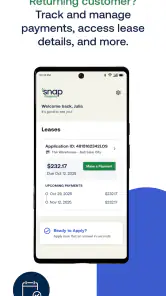
My third tip is to check the payment calendar against the dates when money actually arrives. A plan that looks affordable across a whole month may still be awkward if the due date falls before payday. Matching obligations to real cash flow is more useful than relying on a rough monthly estimate.
My fourth tip is to avoid stacking several financed purchases without a complete list. Each individual payment may look manageable, while the combined schedule becomes difficult to track. I would write down every active obligation and its due date before accepting another one.
Finally, I would use the app as a comparison tool, not as permission to buy. That mindset changes the experience. I can explore whether financing solves a specific problem without assuming that approval means the purchase is financially wise.
Who is likely to benefit most
Snap Finance is best suited to an adult shopper facing a necessary purchase, needing more time to pay, and lacking a convenient conventional credit option. It may also help someone who wants to keep an emergency cash reserve intact for a genuine household need, provided the new obligation remains manageable.
The app is less suitable for someone who already struggles with recurring payments, frequently misses due dates, or is using financing to cover ordinary living costs. It is also a poor fit for an impulse buyer who tends to decide based on the immediate payment rather than the full cost. In those situations, the app’s easy access could intensify an existing budget problem.
Because the content rating is Everyone, the app is presented as suitable for a broad audience, but that should not be confused with every user being financially ready to use the service. Financing decisions are personal and require adult judgment. I would especially encourage younger or inexperienced shoppers to involve a trusted adult and read every agreement carefully before accepting anything.
Snap Finance runs on Android devices starting with version 7.0, and the current app version is 2.2.11632. That broad compatibility makes it accessible on many older Android phones, which is useful for shoppers who do not replace devices often. The developer is Snap Finance, and the download itself is free, although the absence of an app charge should never be confused with the financing being cost-free.
My final view after using it
I like Snap Finance because it focuses on a real problem: a person may need to buy something now while lacking an easy traditional credit route. The app makes that financing conversation available at the shopping stage, and its strong user response suggests that the approach works for many people.
Still, I would recommend it selectively rather than universally. Its value depends on the purchase being important, the repayment schedule fitting the budget, and the total obligation being understood before acceptance. For a necessary item and a carefully checked agreement, it can be a practical bridge. For entertainment, impulse shopping, or an already stretched budget, saving, buying a cheaper item, or using a less expensive payment method is usually the better direction.
My bottom line is simple: use Snap Finance to solve a timing problem, not to disguise an affordability problem. If I can explain what I am buying, why it cannot wait, how much I will repay, and where each payment fits in my budget, the app deserves consideration. If I cannot answer those questions, I would close it and reconsider the purchase first.
Snap Finance Frequently Asked Questions
Is Snap Finance free to download, and what devices can run it?
Snap Finance is free to download and is listed for users of all ages. The app is designed for Android devices running version 7.0 or later. Before installing, check that your device meets this requirement and that you are downloading the app published by Snap Finance. Downloading the app does not itself guarantee approval for financing or mean that a purchase will have no associated costs.
What is Snap Finance, and how does it work?
Snap Finance is a lease-to-own financing service that can allow eligible customers to obtain products from participating retailers and pay over time. Instead of paying the full purchase price immediately, you apply for financing, review the available agreement, and make scheduled payments. Approval, payment amounts, fees, and ownership terms depend on your application and the specific retailer transaction.
Is Snap Finance available to everyone, and what are the eligibility requirements?
Snap Finance approval is not guaranteed. Eligibility may depend on factors such as your age, identity, income, banking information, residence, and ability to meet the provider’s verification requirements. The service may be available only in selected locations and through participating merchants. Before applying, check the current requirements in the app or official website and make sure all submitted information is accurate.
How much does Snap Finance cost, and are there additional fees?
The total cost can be higher than the original cash price because lease-to-own agreements may include rental charges, processing fees, late-payment fees, or other costs. The exact amount varies according to the purchase, payment schedule, promotional option, and agreement presented to you. Carefully read the full disclosure before accepting, paying particular attention to the total amount required for ownership.
Can I use Snap Finance for any purchase or at any store?
No. Snap Finance is generally usable only with participating retailers and for products or services that meet the provider’s rules. Availability may differ between online and physical stores, and some merchandise categories or transaction amounts may be excluded. When browsing a retailer, look for Snap Finance at checkout or ask the merchant whether it is supported before beginning an application.
Pros
- Fast application process with decisions often available in minutes.
- May help finance purchases when traditional credit options are limited.
- Clear repayment schedules make installment costs easier to plan.
- Available for online and participating in-store purchases.
- Applying typically does not require a hard credit check.
Cons
- Approval does not guarantee a low interest rate or affordable total cost.
- Late or missed payments may lead to fees and credit reporting consequences.
- Merchant availability varies
- so financing may not work at every retailer.
- Some offers require a down payment or an initial payment at checkout.
- Terms and fees can differ significantly based on creditworthiness and purchase.
- Category
- Shopping
- Version
- 2.2.11632