NFHS Digital
- 83.00
- 2.0
- Installs
- 10.00K
- Price
- Free

Screenshots

Analysis by Reviewed
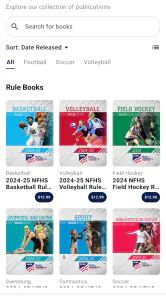
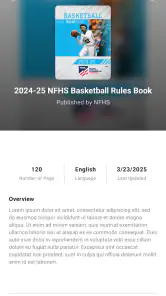
I approached NFHS Digital as a practical sports reference rather than a typical score-tracking or training app. It is the new rules book app from NFHS Apps, designed for people who need to consult sports regulations on a phone or tablet. That distinction matters: its value depends less on entertainment and more on how quickly and comfortably I can find the rule I need when attention, time, lighting, or physical conditions are not ideal.
At no cost to download, it is aimed at an Everyone audience and runs on Android devices using version 7.0 or later. The current release is 2.1.1, and the app has passed the ten-thousand-install mark. I would mainly consider it for coaches, officials, athletes, parents, school staff, and anyone who regularly needs the NFHS rulebook away from a desk.
How NFHS Digital works as a rules reference
Readability and navigation come before everything else
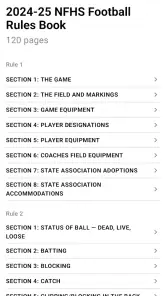
A digital rulebook succeeds when it reduces the effort between a question and a useful answer. I found that to be the right way to judge this app. It is not enough for the rules to exist inside a mobile package; the reading experience has to support quick checking, careful comparison, and returning to a section without losing my place.
The most useful mindset is to treat NFHS Digital as a focused reference shelf. Before opening it during a game or practice, I would spend a little time learning its organization and identifying the sections I consult most often. That small preparation can make a bigger difference than simply installing it and expecting instant answers.
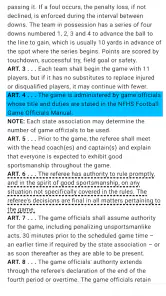
For readers with strong vision, a phone-sized rules book can be more convenient than carrying printed material. I can keep a reference close, enlarge the display through the device’s normal text or screen controls where supported, and avoid flipping through many physical pages. On the other hand, a compact screen can make long passages tiring, especially when the surrounding text is dense or when I am trying to read under pressure.
This is where the app’s role needs to be understood honestly. It should help me consult official sports rules in a portable format, but it is not automatically easier than paper for every person. Someone who remembers page locations in a printed book may initially find digital navigation slower. A coach who needs to compare several passages at once may also prefer paper copies or a larger screen.
I would use a simple workflow: open the app before a session, locate the relevant rule area, read the complete passage rather than relying on one isolated sentence, and keep the device ready for a second look. That approach is particularly useful when a disagreement involves an exception or a condition that is easy to miss in a rushed scan.
More From Our News Desk

Clash of Clans Is Won Between the Battles

Android Auto Makes the Case for Quieter Car Software

MobiOffice: Transforming Mobile Productivity with Seamless Integration

EA SPORTS FC™ Mobile Soccer: Redefining Mobile Sports Gaming

How Microsoft OneDrive Became a Mobile Productivity Giant

How Google Translate Breaks Language Barriers Effortlessly
The strongest accessibility benefit is portability, not a promise of effortless reading. A phone is easier to carry than a book, but the smaller display and the need to navigate digitally remain real trade-offs. The app is therefore most helpful when portability is the main problem and less compelling when large-format reading is the priority.
Motor and sensory considerations in everyday use
Using a rules app can place different demands on the body than using a printed manual. I may need to hold a phone, tap small controls, scroll through text, and keep the screen positioned at a comfortable angle. For a user with limited fine-motor control, repeated tapping or precise scrolling can become tiring. A larger tablet, a stable stand, or a case with a firm grip may make the same content easier to handle.
There is also a practical difference between reading at home and reading courtside. At home, I can set the device down, adjust the lighting, and take my time. During a match, I may be standing, wearing gloves, moving between tasks, or sharing attention with players and other staff. Those conditions make any mobile reference harder to operate, even when the underlying content is useful.
People with sensory sensitivities may want to choose their reading environment carefully. A bright screen in a dark gym can be uncomfortable, while glare outdoors can make text difficult to distinguish. Lowering brightness, changing the device’s display settings, and avoiding direct reflections are sensible adjustments, but they depend on the phone and the user’s own preferences rather than on the app alone.
For users who rely on a device’s built-in accessibility tools, the sensible approach is to test NFHS Digital with those settings before depending on it during an event. Larger system text, magnification, contrast adjustments, or voice-related tools may help in some situations, but the experience can vary by device and by how the app presents its content. I would not wait until a disputed call to discover that a preferred setting makes navigation awkward.
Audio is another important consideration. A person who reads comfortably may be satisfied with the app, while someone who depends on spoken access should verify how well the device’s own assistive features handle the rulebook. A digital format can be more adaptable than paper, but that does not mean every part of the reading experience becomes equally accessible.
There is a useful trade-off here. A printed book is visually stable and can be marked with tabs, but it is heavier and less flexible to enlarge. The app is lighter and easier to carry, yet it requires interaction with a screen. For me, the best choice depends on whether the main obstacle is transport, text size, physical handling, or searching for a particular passage.
Situational access for coaches, officials, and families
The clearest everyday use case is a coach preparing for a practice or game. Suppose I am asked about a rule that affects a drill, substitution, equipment decision, or game situation. Instead of relying on memory or searching through unrelated web pages, I can consult the dedicated rules reference. I would still read the surrounding material, because a short answer without its conditions can create a new misunderstanding.
Officials may appreciate having a portable reference for preparation, especially when reviewing rules before an event. However, I would not treat a phone as a substitute for established game-day procedures or communication with other officials. A device can support preparation and clarification, but it may be distracting or impractical in the middle of active play.
Parents and athletes are another audience, although they may use it differently. A parent trying to understand a call can use the app as a starting point instead of depending entirely on a social-media explanation. An athlete can review rules before a season or ask a coach about a passage that seems confusing. The benefit is educational: it encourages checking the actual rulebook rather than repeating hearsay.
School administrators and volunteers could also find the format useful when they need a reference without carrying several printed manuals. Yet the app is not equally suitable for everyone on a team. A young athlete who wants drills, schedules, scores, or video instruction would probably be better served by a different sports app. NFHS Digital is specialized, and that specialization is both its purpose and its limitation.
In a low-connectivity setting, I would prepare ahead rather than assume that every needed section will be convenient at the exact moment I need it. The safest habit is to open the relevant material before leaving a reliable connection and to keep a backup plan for important events. Even when an app is installed, access can depend on how its content is delivered and how the device behaves in the venue.
This preparation also helps people with different attention needs. Instead of opening the app while stressed and searching broadly, I can identify likely topics in advance, note the wording I need to review, and give myself a quiet moment to read. That reduces cognitive load and makes the app more useful for users who find hurried, unstructured searching difficult.
What can slow users down
The average rating is two out of five from just over one hundred ratings, with more than eighty written reviews. I take that as a clear reason to approach the app with realistic expectations rather than assuming the experience will be smooth for everyone. The rating does not tell me which issue affects each person, but it does signal that friction should be part of the decision.
One likely challenge with any specialized rules reference is the gap between having content and reaching the right passage quickly. A new user may need time to understand the structure. If I only open the app when a disagreement has already started, I am placing too much pressure on the interface and on myself. Learning the navigation during a calm moment is not optional if fast consultation matters.
Another barrier is the difference between a digital rulebook and a purpose-built accessibility tool. The app’s identity is centered on NFHS rules, not on promising a particular reading mode, assistive workflow, or alternative presentation. Users with specific access requirements should test it on their own device and decide whether the combination of app controls and system settings is comfortable enough.
Cost can also become more complicated than the free download suggests. The app is free to obtain, while optional in-app items range from $4.99 to $21.99 each. I would check what an item unlocks and whether it is relevant to my sport or role before paying. For a casual reader who only needs occasional clarification, an extra purchase may not be worthwhile. For someone who uses the rules professionally or throughout a season, the value may look different.
The age rating of Everyone makes the app broadly suitable in terms of listed content classification, but suitability is not the same as ease of use. A child, older adult, or person with a disability may still need a larger screen, help with navigation, or a quieter setting. I would judge the practical experience by the individual user rather than by the age label alone.
There is also the question of trust during disagreements. A digital rulebook can help ground a conversation, but it does not automatically settle every interpretation. Rules often depend on context, definitions, exceptions, and the governing situation. I would use the app to locate and read the relevant material, then involve the appropriate coach or official when interpretation remains unclear.
How it compares with paper books and general sports apps
Compared with a printed NFHS rulebook, the app wins on weight and convenience. I can carry a phone instead of another book, and I can consult the reference while traveling between school, practice, and home. The paper alternative wins when I want a stable spread of pages, physical tabs, handwritten notes, or a large uninterrupted reading area.
Compared with a general sports app, NFHS Digital is narrower but potentially more authoritative for the specific job it is meant to perform. Score apps, training platforms, and sports news tools are better for live information, performance planning, or broad coverage. They are not interchangeable with a dedicated rules reference. Choosing this app makes sense only if rules consultation is a recurring need.
General web searches can be faster for a simple question, but they may lead to summaries, outdated explanations, or discussions that leave out important conditions. A dedicated app gives me a more focused place to begin. The trade-off is that a web search may be more flexible when I do not know the exact terminology or when I need to compare multiple sources.
My practical recommendation is to use NFHS Digital alongside, not blindly instead of, the resources already used by a team or officiating group. Use it for preparation, clarification, and learning the structure of the rules. Keep paper or another trusted reference available when the event is important, the screen is difficult to use, or access conditions are uncertain.
Who should install it, and who should skip it?
I would recommend trying it if you coach an NFHS-covered school sport, officiate, manage athletic activities, or regularly answer questions about rules. It is also worth considering for parents and athletes who want to understand the source material instead of relying on secondhand explanations. The free entry point makes experimentation easier, although I would not purchase optional items until I know the app fits my routine.
I would skip it if I want live scores, team messaging, workout plans, video lessons, or a broad sports news feed. Those needs belong to other kinds of apps. I would also hesitate if I know I need highly customized reading support and cannot comfortably use the device’s built-in accessibility options with the app.
For someone who prefers paper, I would not insist on switching. The digital format is most persuasive when carrying a book is inconvenient or when a phone is already part of the user’s regular workflow. If the user reads for long periods, needs several pages visible at once, or dislikes screen navigation, a physical rulebook may remain the better tool.
My inclusive verdict
NFHS Digital has a clear purpose: put an NFHS sports rules reference into a mobile format that is easier to carry than a printed book. I value that focus, and I can see why it would help coaches, officials, families, and athletes who need rule information away from a desk. Its accessibility strength is practical portability, especially for users who benefit from having one reference close at hand.
At the same time, I would not describe it as universally effortless. Small-screen reading, tapping, glare, hurried use, and uncertain access conditions can all create barriers. The rating of two out of five also makes me recommend a personal trial before relying on it for important events. Test the navigation, try the device’s reading adjustments, and learn the relevant sections before you need them.
My final view is cautiously positive for the right audience. If your regular sports responsibilities involve NFHS rules, this free app is worth exploring as a portable companion. If you need a fully adaptable reading experience, a broad sports toolkit, or a dependable replacement for every other reference, I would choose more carefully. It is most inclusive when used as one flexible option among several, matched to the reader’s device, environment, and way of working.
NFHS Digital Frequently Asked Questions
Who develops NFHS Digital, and what kind of app is it?
NFHS Digital is a sports app developed by NFHS Apps. Its focus is high school sports and activities, with tools and content intended to help users follow participating schools and associations. The app’s short description identifies it as NFHS Digital, while its broader purpose is reflected in its rules-book and sports-related features. It is rated for Everyone.
What does the NFHS Digital Rules Book app offer?
NFHS Digital is presented as the new NFHS Rules Book app, making it relevant to people who want access to NFHS rules on a mobile device. Its sports focus may also connect users with high school activities and related content. What you can access can depend on the sport, season, and participating organization, so check the app’s available sections to find the material that matters to you.
What is NFHS Digital, and what can I use it for?
NFHS Digital is a mobile platform designed to provide access to high school sports and activities content connected with the National Federation of State High School Associations. Depending on your location and available events, you may use it to follow competitions, watch selected broadcasts, check schedules, view scores, and stay updated with participating schools and state associations. The exact content can vary by sport, season, and region.
Is NFHS Digital free to download and use?
The NFHS Digital app may be free to download, but not every feature or event is necessarily included at no cost. Certain live streams, premium broadcasts, replays, or subscription-based content may require payment through a pass or membership. Before confirming a purchase, review the event description, pricing, renewal terms, and supported payment method, since availability and fees can differ between platforms and locations. In-app purchases are listed from $4.99 to $21.99 per item, so check the terms for the specific purchase before proceeding.
Can I watch live high school sports on NFHS Digital?
Live viewing is one of the main reasons users choose NFHS Digital, although coverage depends on whether an event has been selected for streaming and whether the participating school or association supports the service. Available broadcasts can include different sports and postseason competitions. A reliable internet connection is recommended, and video quality may change automatically according to your connection speed and device.
Pros
- Official access to NFHS Network events and school sports coverage.
- Live streams and replays make it easier to follow games remotely.
- Supports coverage of local teams that major sports apps often overlook.
- Event schedules help users find upcoming broadcasts quickly.
- Available on mobile devices for convenient viewing on the go.
Cons
- Some events may require a separate subscription or one-time payment.
- Streaming quality can vary depending on the venue’s internet connection.
- Coverage is limited to events available through the NFHS Network.
- The app may use significant mobile data during live video playback.
- Certain features and broadcasts may differ by location or state.
- Category
- Sports
- Version
- 2.1.1





