JD Sports: Shoes & sneakers
- 790.00
- 4.0
- Installs
- 500.00K
- Price
- Free

Screenshots

Analysis by Reviewed
I use shopping apps when they genuinely make browsing easier, not simply because a retailer has placed its website inside a phone. JD Sports: Shoes & sneakers earns its place better than many basic store apps because it focuses on the things I normally want from JD Sports: finding footwear, checking clothing, keeping an eye on exclusive releases, and using rewards without opening a desktop browser. It is a free shopping app from JD Sports Fashion PLC, aimed at an Everyone audience, and it has become a practical option for people who already buy sportswear from the retailer.
My experience is that the app works best as a companion for planned shopping rather than as a complete replacement for visiting a store. I can browse basketball sneakers, workout clothes, and everyday trainers from the same place, but the real value comes from how quickly I can move from discovering a product to deciding whether it is worth buying. The interface feels designed around visual browsing, so it suits anyone who knows the look they want but has not yet chosen a particular model.
How the current JD Sports app fits into everyday shopping
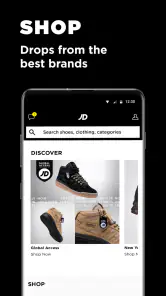
The app sits in the shopping category, but it has a more focused identity than a general marketplace. I am not comparing thousands of unrelated sellers or filtering through household goods. I am looking at JD Sports’ own selection, with footwear and sportswear taking priority. That narrower purpose is useful because the browsing journey feels less distracted than it would on a broad shopping platform.
When I open it with a vague idea such as “I need black trainers for daily use,” the visual product browsing is more helpful than a long text search. I can move between shoes, clothing, and release-led collections without having to decide every detail at the start. For basketball fans, the same approach makes it easier to explore sneakers by appearance and intended style before committing to a specific pair.
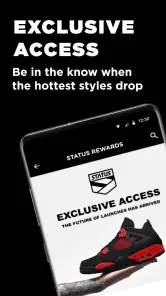
The app’s store summary highlights exclusive releases and rewards, and those are important reasons to use the mobile version instead of simply visiting a physical shop. A release-focused shopper can check the app as part of a regular routine, while a casual buyer may appreciate having the retailer’s current selection in one place. I would not describe it as a specialist footwear tool, though. It helps me shop, but it does not replace trying on a shoe or getting advice from staff.
The current app is version 5.10.0, and that matters mainly because it shows this is an actively maintained product rather than an abandoned catalogue. It supports devices running Android 7.1 or later, which gives it a reasonably broad reach among Android users. On the store, it holds a 4.0 average from around three and a half thousand ratings, with roughly eight hundred written reviews, so the overall response is positive without suggesting that every shopper will have a flawless experience.
What I can realistically use it for
My most useful routine is to browse at home, shortlist a few products, and then make the purchase decision when I have time to check sizing and delivery details carefully. That is much more comfortable than making a rushed choice in a busy shop. I can also use the app to look for a particular colourway, compare similar silhouettes, or check whether a clothing item fits the style I already wear.
More From Our News Desk

Clash of Clans Is Won Between the Battles

Android Auto Makes the Case for Quieter Car Software

MobiOffice: Transforming Mobile Productivity with Seamless Integration

EA SPORTS FC™ Mobile Soccer: Redefining Mobile Sports Gaming

How Microsoft OneDrive Became a Mobile Productivity Giant

How Google Translate Breaks Language Barriers Effortlessly
For a basketball player, the app is useful when the priority is discovering sneakers and matching apparel rather than researching technical performance in depth. I can look at several designs together and narrow the choice by brand, colour, or general product type. For someone building a workout wardrobe, the combination of footwear and training clothes makes the app more convenient than using a separate shoe retailer and a separate sportswear site.
It is also a sensible tool for gift shopping. If I know the recipient likes JD Sports’ brands but do not know the exact model, browsing the app gives me a quick way to understand the current style range. I would still confirm the recipient’s size before ordering, because the convenience of mobile shopping does not remove the usual risk of buying footwear that does not fit.
Why rewards and releases change the experience
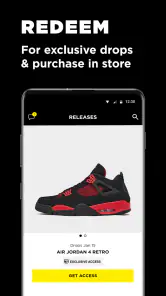
Exclusive releases give the app a different rhythm from ordinary catalogue shopping. Instead of opening it only when I need socks or a replacement hoodie, I can use it to keep track of products that may attract more attention. That makes the app particularly relevant to sneaker fans who prefer to monitor a retailer’s mobile channel rather than rely on occasional browsing.
Rewards add another reason to return, but I think it is important to treat them as a bonus rather than the sole reason to install the app. A rewards feature is valuable when it fits naturally into purchases I would make anyway. It is less compelling if I am downloading the app only to chase offers or change my shopping habits. The best approach is to check the available benefits while keeping the product, size, and final cost as the main decision points.
One practical tip is to use the app for discovery before a release or seasonal purchase, not at the last second. I can save mental notes about preferred sizes, colours, and alternative models in advance. That reduces the chance of choosing a less suitable product simply because the first appealing option is no longer available when I return.
What has evolved and what that means for existing users
The release history gives the app a clear sense of progression: it first appeared on February 3, 2020, and it has continued to reach its present version. I cannot treat a version number as proof that every part of the experience has been redesigned, but it does suggest ongoing product work. For existing users, the important question is not whether the app is new; it is whether the current release makes regular browsing and purchasing dependable enough to keep using.
In my view, the evolution is most meaningful in the app’s role as a single mobile destination for several JD Sports habits. A shopper can use it for everyday shoes, basketball sneakers, workout clothing, exclusive releases, and rewards instead of switching between unrelated mobile experiences. That consolidation is a quiet improvement: it may not feel dramatic, but it reduces the number of places I need to check.
Existing users should still judge an update by practical behaviour. Does product discovery feel quick? Can I move from a product page to the next candidate without losing my place? Is the information I need visible before I commit? These questions matter more than a new visual style. A shopping app succeeds when it reduces uncertainty, especially around the choice of footwear, rather than merely looking modern.
The app’s scale also gives some context. It has passed half a million installs, which indicates that it is not a niche experiment used by only a handful of shoppers. That does not guarantee a perfect experience on every phone, but it does make the app a credible option for people who want a dedicated JD Sports shopping channel rather than an occasional mobile webpage.
A realistic shopping scenario
Imagine I need trainers for commuting and casual weekends, but I also want a pair of workout clothes that will coordinate with them. I would start by browsing footwear without immediately filtering too narrowly. Once I found a few shapes I liked, I would compare colours and then move to clothing to see whether the overall look made sense. This is where the app is more useful than a single-product search: it lets me think in terms of an outfit rather than an isolated item.
Before buying, I would pause to check the sizing information, product description, and the available purchase route. If I were uncertain between two shoe sizes, I would avoid guessing just because the app makes checkout fast. A physical JD Sports shop would be the better choice if trying on the shoe was central to the decision. The app saves browsing time, but it cannot reproduce the feel of a sole, the width of a toe box, or the difference between two materials.
For a release-driven purchase, my workflow would be different. I would browse earlier, identify backup choices, and avoid assuming that the most attractive image automatically means the best everyday shoe. Exclusive availability can create urgency, but urgency is exactly when I am most likely to overlook comfort, fit, or whether the product suits my actual wardrobe.
Where the app is stronger than usual alternatives
Compared with visiting a store, the app gives me more privacy and time to compare. I can browse late in the evening, revisit a product, and look at several styles without feeling that I am holding up a queue. It is also more convenient for shoppers who already know their size and want to repeat a familiar purchase.
Compared with a general marketplace, the focused catalogue is an advantage. I am less likely to be distracted by unrelated sellers, inconsistent product presentation, or a confusing mix of new and used goods. The JD Sports identity is clear, and that makes the app easier to understand for someone who already trusts the retailer’s selection.
Compared with a brand-only app, JD Sports can be more useful when I am undecided between several sportswear labels or want to build a complete outfit in one shopping session. I do not have to commit to one brand before I begin browsing. The trade-off is that a specialist brand app may offer deeper information about its own technology, fit, or product history. If technical research is my priority, I would use those sources alongside JD Sports rather than relying on this app alone.
The friction I would want shoppers to understand
The biggest limitation is inherent to mobile footwear shopping: photographs and descriptions cannot answer every fit question. A shoe can look perfect and still feel wrong after ten minutes of walking. I therefore see the app as excellent for narrowing the field, but only conditionally good as the final decision-maker for unfamiliar models.
Another trade-off is that a visually rich catalogue can encourage impulse buying. The app makes it easy to move from one appealing product to another, especially when exclusive releases and rewards are part of the experience. I recommend deciding on a budget and a purpose before browsing. Otherwise, the convenience that makes the app enjoyable can also make unnecessary purchases feel reasonable.
Availability is another reason to keep expectations realistic. A product shown in a catalogue is not automatically the right size or the right choice for immediate purchase. I would check the relevant details at the point of ordering and keep an alternative in mind. This is particularly important for release-led shopping, where waiting until the final moment can leave fewer options.
People who want the widest possible market comparison should probably skip the app as their only shopping tool. It is built around JD Sports, not around finding the lowest price across every retailer. Likewise, shoppers who need detailed technical guidance, custom fitting, or specialist running advice may be better served by a dedicated sports shop with staff support. The app is strongest when convenience, style discovery, and access to JD Sports’ own shopping experience matter most.
Who should install it and what I would watch next
I would recommend the app to regular JD Sports customers, sneaker shoppers interested in exclusive releases, and anyone who prefers comparing sportswear from a phone. It is also a good fit for people who already know their usual sizes and want a faster way to repeat purchases. The free price removes the main barrier to trying it, and the Everyone rating makes it suitable for a broad audience.
I would be more selective for occasional shoppers. If I only need one item and already know exactly where to find it, the app may not add enough value over a normal browser or a store visit. The installation becomes worthwhile when I expect to browse several products, use rewards, or return regularly to check new releases.
When I assess future updates, I would pay attention to improvements that reduce decision-making friction rather than changes that only refresh the appearance. Better ways to compare footwear, clearer size guidance, smoother movement between shoes and clothing, and a more transparent purchase journey would all make a real difference. Those are the areas that determine whether the app helps me shop confidently.
I would also watch how well the app balances urgency with responsible buying. Exclusive releases can be exciting, but the best shopping experience gives me enough useful information to make a considered choice. Rewards should feel like an extra benefit, not a reason to ignore fit or value. That balance will matter more to long-term users than short-lived visual changes.
After using it as a focused retail companion, my conclusion is straightforward: JD Sports: Shoes & sneakers is most valuable when I want a convenient, visually led way to explore JD Sports footwear and sportswear. It is not a substitute for trying on unfamiliar shoes, specialist advice, or broad price comparison. However, for browsing basketball sneakers, workout clothes, everyday trainers, exclusive releases, and rewards in one mobile space, it is a useful and credible choice. I would install it with realistic expectations, use it to narrow decisions carefully, and switch to a physical store or specialist retailer whenever fit and technical guidance matter more than convenience.
JD Sports: Shoes & sneakers Frequently Asked Questions
Which devices can run the JD Sports: Shoes & sneakers app?
The app is available for Android and iOS, and the Android version requires Android 7.1 or later. Before downloading, check your device’s operating system and make sure there is enough available storage for the installation and future updates. The app is made by JD Sports Fashion PLC and is intended for shopping, so a compatible phone or tablet with an internet connection will help you browse and place orders.
Who is the JD Sports app for, and is it suitable for younger users?
JD Sports: Shoes & sneakers is a shopping app for people interested in browsing footwear, sportswear, clothing, and accessories from JD Sports. Its content rating is Everyone, so it is suitable for a general audience. As with any shopping app, younger users should have a parent or guardian’s permission before making purchases or entering payment details.
What is the JD Sports: Shoes & sneakers app used for?
JD Sports: Shoes & sneakers is the mobile shopping app for browsing and purchasing footwear, clothing, and accessories from JD Sports. During testing, the app was useful for discovering trainers, sportswear, casual collections, and limited releases in one place. Product pages typically include photos, available sizes, prices, colors, and stock information, although the exact catalog and services may vary depending on your country.
Can I buy sneakers and clothing directly through the JD Sports app?
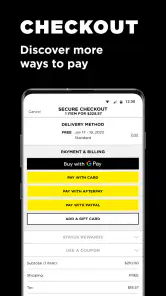
Yes, the app is designed to let users shop directly from their mobile device. You can search or browse categories, open product pages, select a size or color, add items to your basket, and complete checkout using the payment methods offered in your region. Before ordering, check delivery charges, estimated arrival times, return conditions, and whether the selected item is available for your location.
Does the JD Sports app offer exclusive releases, discounts, or member benefits?
The app may provide access to selected promotions, new product launches, sale items, and member-focused benefits, depending on the market and current campaigns. Some releases can be limited by size, stock, location, or launch time, so availability may change quickly. Users should review the promotion terms carefully, since discounts may exclude certain brands, products, delivery fees, or already-reduced items.
Pros
- Large selection of sneakers
- sportswear
- and exclusive branded releases.
- Useful filters make it easier to browse by size
- brand
- price
- or category.
- App-exclusive offers and member rewards can provide extra savings.
- Product pages usually include clear photos
- sizes
- and availability details.
- Store locator helps find nearby JD Sports shops and collection options.
Cons
- Popular sneaker sizes can sell out quickly
- especially during limited releases.
- Prices may be high for premium trainers and exclusive collaborations.
- Some items may have limited reviews to help assess fit and quality.
- Frequent promotional notifications can feel excessive for some users.
- Delivery
- returns
- and stock options may vary by location.
- Category
- Shopping
- Version
- 5.10.0