Dynasty Nerds
- 84.00
- 3.3
- Installs
- 10.00K
- Price
- Free

Screenshots
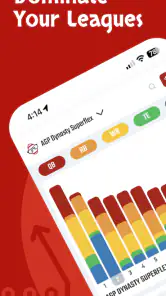

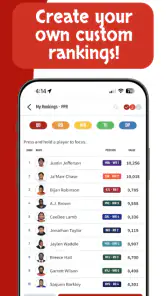
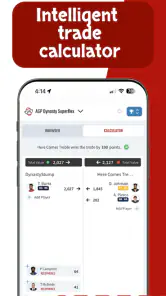
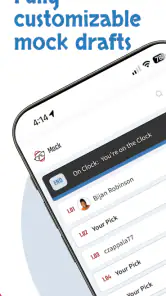

Analysis by Reviewed
I approached Dynasty Nerds as a practical tool for fantasy football managers rather than something to browse casually. Its focus is dynasty football mock drafts, so the value appears when I want to rehearse a long-term roster decision, test a draft approach, or see how a player plan feels before using it in a real league. The app is free to install, aimed at everyone, and comes from Dynasty Nerds, a developer known here for keeping the experience centered on dynasty formats instead of trying to cover every kind of sports game.
That narrow focus is important. A dynasty league is not just a normal draft with different names attached. I have to think about age, future opportunity, roster construction, and whether a short-term contributor is worth choosing over a developing player. A mock-draft app can help me practice that tension, but only if I use it as a decision laboratory rather than treating every result as a prediction. My first impression is that this app is most useful for preparation: it gives me a place to make choices, notice patterns in my own thinking, and arrive at a league draft with fewer surprises.
What to expect before your first draft
The store summary describes the app in very few words, but the central idea is easy to understand: I use it to run dynasty football mock drafts. That makes it different from a general sports news app, a live-score app, or a fantasy league manager that tracks an existing competition. I would not install it expecting a complete replacement for a league platform. I would install it when I want to practice the draft itself.
The app has a 3.3 average from around 130 ratings, with roughly 84 written reviews. That is a mixed reception, and I think a first-time user should read it as a signal to keep expectations realistic. The concept is useful, but the experience may feel more functional than polished depending on what I expect from a modern fantasy tool. It has passed the early experimental stage, with over 10,000 installs, yet it remains a specialized product rather than a dominant all-purpose fantasy destination.
There is no purchase required to begin because the app is free. At the same time, in-app purchases range from $7.99 to $79.99 per item, so I would pay attention to any upgrade prompts before committing to a paid option. The sensible approach is to use the free experience long enough to decide whether the draft workflow fits me. A price alone does not tell me whether an upgrade is worthwhile; the important question is whether it removes a limitation that affects how I personally prepare.
The age rating is Everyone, which matches the subject matter. This is a sports strategy utility, not a mature entertainment product. It also supports devices running Android 7.0 or newer, and the current version is 2.7.4. That makes compatibility fairly approachable for Android users with older hardware, although I would still update the operating system and the app before an important draft session when possible.
My biggest expectation-setting advice is simple: do not judge a mock by whether it produces the same players you would see in your league. A mock is valuable because it forces me to make a decision under changing conditions. If I always restart when the board becomes uncomfortable, I lose the most useful part of the exercise. The awkward draft is often the one that reveals where my roster plan is too rigid.
More From Our News Desk

Clash of Clans Is Won Between the Battles

Android Auto Makes the Case for Quieter Car Software

MobiOffice: Transforming Mobile Productivity with Seamless Integration

EA SPORTS FC™ Mobile Soccer: Redefining Mobile Sports Gaming

How Microsoft OneDrive Became a Mobile Productivity Giant

How Google Translate Breaks Language Barriers Effortlessly
Installing it without overcomplicating the start
After installing the app, I would begin with one clear purpose. For example, I might decide to practice a startup draft from an early position, test a youth-heavy roster, or work on balancing immediate production with future value. Choosing one purpose prevents the first session from becoming a vague tour of screens and buttons.
I would also keep a note nearby with the rules of my real league. Dynasty settings can differ in important ways, and a mock only helps when I understand what I am trying to imitate. The number of starters, roster depth, scoring format, and draft type can all change how I value a position. If the app's available setup does not mirror my league perfectly, I would treat the session as general practice rather than a direct forecast.
A useful first-session routine is to avoid making a long personal ranking list before opening the app. I prefer to enter with a rough plan and let the draft pressure expose my weak spots. If I already know every selection in advance, the mock becomes a checklist. Instead, I can write down two or three principles, such as securing a foundation at a scarce position, avoiding an overly old core, or leaving room for future flexibility.
The first setup question many users will have is whether they need deep fantasy knowledge to use it. I do not think a newcomer needs to memorize every player before starting, but the app makes more sense if I understand the difference between redraft and dynasty football. In a redraft league, the season ahead dominates the decision. In dynasty, I am also buying into a player's likely usefulness beyond that season. Without that basic distinction, the mock can feel like a stream of names rather than a learning tool.
I would not make the first attempt my final verdict. The first run is partly about learning the rhythm: where the draft begins, how selections are presented, how I move through the available choices, and what information I can review before confirming a pick. Once I know that flow, I can focus on strategy instead of interface discovery.
Turning the first mock into a meaningful success
For me, a successful first action would be completing a mock with a defined goal and reviewing the roster afterward. Finishing is more valuable than chasing a perfect grade or restarting after every pick I dislike. I would choose a draft approach before the opening selection, follow it for several rounds, and then examine where the plan held up or broke down.
One practical exercise is to run the same broad strategy twice while changing only the draft position or an early priority. The comparison can show whether my plan is adaptable. If a strategy works only when a particular player falls to me, it is not really a strategy; it is a hope. The app is especially useful here because it lets me experience the consequences of a choice before a real league mate benefits from my hesitation.
Another strong workflow is to create a short post-draft review. I would record the first pick, the point where I changed direction, the position I postponed too long, and the selection I made mainly from fear of missing out. That last category matters in dynasty formats. A player can be attractive in isolation while still being a poor fit for the roster I am building.
The best first win is not a perfect roster; it is a clearer decision process. If I finish knowing why I chose a player and what trade-off that choice created, the session has done its job. This is a more durable benefit than simply seeing a favorable mock result.
For a realistic everyday scenario, imagine that I have a draft scheduled after work and only a short window to prepare. I could run a quick mock during a lunch break, deliberately take a different opening approach, and save a few notes for the evening. I would not try to simulate every possible league outcome. I would use the time to rehearse the uncomfortable decisions: whether to take a promising player with uncertain short-term value, whether to strengthen a thin position, and when to stop collecting upside and build a usable starting group.
Where new users can become confused
The first common confusion is treating the app's draft result as an authoritative ranking. I would resist that immediately. A mock draft reflects the choices made inside that session, not a guarantee about actual player performance or the behavior of my league. If I select according to one set of assumptions, the resulting roster will naturally support those assumptions. The app can test my thinking, but it cannot remove uncertainty from dynasty football.
A second source of friction is the difference between a player being valuable and a player being right for my roster. In a dynasty mock, I can easily collect attractive names while ignoring balance. A team full of long-term projects may look exciting but leave me weak when I need to compete. Conversely, an older roster may win quickly and lose flexibility later. I use the app best when I ask not only “Who is available?” but also “What does this pick force me to do next?”
I also would not assume that a mock automatically matches my league's exact rules. Before trusting the outcome, I would compare the setup with my real competition and note any differences. If the available format is broader than my league, the draft can still improve my instincts, but I would avoid copying the roster directly. This is one of the most important trade-offs: a convenient practice session is useful, while a highly customized simulation would be more precise if my league has unusual settings.
Another point worth watching is the temptation to overvalue the app's convenience. A mobile mock is easy to open, which is excellent for repeated practice, but convenience can encourage shallow sessions. I get more from one deliberate mock with notes than from several rushed drafts where I select quickly and forget the reasoning. I would use the phone format to make practice accessible, not to replace thoughtful preparation.
Paid content may also create questions. Since individual in-app purchases can reach $79.99, I would avoid tapping through an offer simply because it appears during setup. First I would identify what I can accomplish without paying, then decide whether the additional material or access addresses a real need. Casual users should be especially cautious here; a free app can still lead to meaningful spending if I do not distinguish curiosity from a genuine requirement.
How it compares with familiar alternatives
The usual alternatives serve different purposes. A league-management app is better for setting lineups, checking a live roster, handling transactions, and following an actual competition. A rankings page or sports news feed is better when I want current information and analysis. A spreadsheet is better when I want complete control over custom scoring, personal tiers, and long-term roster projections.
This app sits between those options as a focused rehearsal space. Compared with a spreadsheet, it should feel faster for making selections and experiencing a draft sequence, but it gives me less freedom to build a completely personal model. Compared with a rankings list, it asks me to make decisions rather than simply consume opinions. Compared with a full league platform, it is more useful before the draft than during the season.
That distinction helps me decide who should skip it. If I only play redraft fantasy football and want weekly lineup advice, this is probably not the right first download. If I want live news, injury updates, or a social league hub, I would choose a different sports app. If I already have a detailed spreadsheet system and dislike guided draft tools, the extra layer may not justify the effort.
On the other hand, dynasty beginners can benefit from the pressure of making connected choices. Experienced managers can use it to challenge a comfortable routine. I particularly like the idea of using it before a startup draft, a rookie-focused exercise, or a trade-heavy offseason conversation. The app does not need to replace my research to be worthwhile; it only needs to make the decision practice easier to repeat.
Using repeated mocks to improve instead of chasing results
After the first completed draft, I would change one variable at a time. I might keep my opening preference but alter the point where I begin addressing another position. Then I would compare the finished rosters for flexibility, not just star power. This method gives the app a more educational role and prevents me from drawing a large conclusion from a single unusual draft.
A particularly useful test is the “forced discomfort” mock. I can decide in advance that I will not take the position I normally prefer during the opening phase. The purpose is not to discover a universal best strategy. It is to learn how quickly my roster becomes fragile and which later choices repair it. This is a concrete way to find blind spots that a comfortable mock may hide.
I would also separate process notes from player opinions. If I write only that a certain selection was good or bad, I learn little. If I write that I reached for upside because I feared the next pick, or that I ignored roster balance because an earlier plan felt emotionally important, I gain information I can use in the real draft. That kind of self-review is one of the app's less obvious strengths: the mock becomes a mirror for my habits.
There is a limit, though. Repetition cannot compensate for outdated assumptions or poor league knowledge. I would pair the sessions with current research from sources I trust, then return to the app to test how that information changes my choices. The app is strongest as an interactive practice layer, not as my only source of football judgment.
Device support is another practical consideration. Android 7.0 compatibility makes the app accessible across a wide range of devices, but I would still test it before draft day rather than waiting until the opening pick. A stable setup, a charged phone, and a familiar workflow matter more than squeezing in one last speculative mock. If the experience feels slow or confusing on my device, I would know early enough to prepare a backup method.
My recommendation for a first-time dynasty manager
I recommend starting with the free version and one clearly defined mock. Do not buy anything during the first few minutes. Learn the draft flow, complete a session, and decide whether the app helps you think more clearly about roster construction. If it does, repeat the exercise with a different opening approach and keep short notes. That path gives the app a fair test without turning the first encounter into a spending decision.
My overall opinion is positive but measured. Dynasty Nerds is a specialized sports app with a useful purpose, especially for people preparing for dynasty football drafts on a phone. Its mixed 3.3 average suggests that not every user will find the experience equally smooth, and the purchase range means I would approach upgrades carefully. Still, the focused mock-draft format can fill a real gap between reading rankings and facing the pressure of a live league.
I would choose it when I want repeated practice, a quick way to challenge my draft habits, or a low-commitment introduction to dynasty roster decisions. I would choose a league manager, research app, or spreadsheet instead when I need live competition tools, detailed customization, or broader fantasy coverage. For a first-time user, the smartest next step is to finish one purposeful mock, review the trade-offs behind every early pick, and only then decide whether the app deserves a regular place in the draft-preparation routine.
Dynasty Nerds Frequently Asked Questions
What devices and operating systems can run Dynasty Nerds?
Dynasty Nerds is a sports app for people who want dynasty football tools on a mobile device. Before downloading, check that your device is running a compatible operating system and that you have enough storage for the app. If you use more than one device, the available version and experience may differ between platforms, so review the relevant app-store page before installing.
Is Dynasty Nerds free, and does it offer in-app purchases?
Dynasty Nerds is free to download, with in-app purchases available. The app may suit users who want to try its dynasty football resources before deciding whether to pay for additional options. Review the purchase details shown in your app store before confirming anything, particularly if you are considering recurring access or a higher-priced item, so you understand what is included and what the charge covers.
What is Dynasty Nerds, and what can I use it for?
Dynasty Nerds is a fantasy sports companion designed primarily for dynasty fantasy football managers. It helps users research players, compare dynasty values, review rankings, and follow long-term roster trends. The app is especially useful when planning trades, evaluating prospects, preparing for rookie drafts, or deciding whether a player’s future value justifies a current roster spot.
Is Dynasty Nerds suitable for beginners, or is it mainly for experienced dynasty players?
The app is useful for both beginners and experienced managers, although newcomers may need some time to understand dynasty-specific terms such as startup value, rookie tiers, positional scarcity, and future draft capital. Its rankings and player information can provide a helpful starting point, while experienced users may appreciate the deeper context when making trades or building a roster for several seasons.
Does Dynasty Nerds provide live news, statistics, or player updates?
Dynasty Nerds is mainly focused on player evaluation and long-term fantasy value rather than replacing a full live-score or breaking-news service. Depending on the current version, some information may be updated regularly, but users should still verify injuries, depth-chart changes, transactions, and game-day news through a trusted sports news source. It works best alongside your fantasy league platform and a reliable news app.
Pros
- Helpful dynasty rankings for long-term fantasy planning.
- Player values are easy to compare at a glance.
- Useful trade analysis for evaluating roster moves.
- Covers prospects and younger players in one place.
- Clean layout makes research quick during league activity.
Cons
- Some rankings may not match your league’s scoring settings.
- Advanced analysis can be difficult for new dynasty players.
- Player values can change quickly after injuries or news.
- Limited usefulness for managers focused only on redraft leagues.
- Some features or content may require a paid subscription.
- Category
- Sports
- Version
- 2.7.4





