Box Tops for Education™
- 10.30K
- 4.2
- Installs
- 1.00M
- Price
- Free

Screenshots
Analysis by Reviewed
I like the idea behind Box Tops for Education™: it gives routine grocery shopping a possible connection to school fundraising. The app is free, so trying it does not add an app purchase to the cost of a shopping trip. Its value depends on whether the products you already buy qualify and whether you’re willing to make receipt scanning part of your routine; I wouldn’t treat it as a reason to spend more.
Where the value comes from
In my view, the strongest case for using it is that the effort can fit around an existing errand. If you’re already shopping for your household, checking whether that receipt can support a school is a small extra task, not a separate fundraiser to organize. That makes it a practical option for families, school staff, and other supporters who want to contribute in an everyday way.
The app is in the shopping category and is developed by General Mills, Inc. It has an average rating of 4.2 from around 19,000 ratings, with more than 1 million installs. Those figures suggest it has reached a substantial audience, though they don’t tell me whether it will suit your shopping habits or how much any one school will raise.
A routine that works best when it stays simple
My practical tip is to scan a receipt soon after shopping rather than leave several to deal with later. That keeps the task attached to the trip and makes it easier to remember which purchase it came from. I’d also check that the right school is selected before making this a regular habit, especially if you’re supporting a different school from other people in your household.
It’s worth keeping expectations grounded. This is not a general cash-back app where every purchase necessarily earns something; the school benefit depends on eligible products and the receipt process. If you mainly want discounts for yourself, a retailer’s own rewards program or a conventional cashback option may be a better fit. I’d use Box Tops alongside ordinary shopping, not as a replacement for comparing prices or choosing what makes sense for my budget.
Who should give it a try
I’d recommend it most to someone who regularly shops for groceries and already has a school in mind to support. It can also be a useful shared routine: an adult can handle the account and receipt, while children can see how small household actions connect with their school community. If you don’t shop for eligible products, rarely keep receipts, or don’t have a school you want to support, the app is less likely to feel worthwhile.
The app is rated for Everyone, and its current version is 4.164.0 (2025103102), for devices running OS 9 or later. It was released on September 6, 2016, and has around 10,000 reviews. I’d focus less on the age of the app and more on whether its current receipt-scanning flow fits your routine; the version details are useful to check if an older phone is involved.
More From Our News Desk

Clash of Clans Is Won Between the Battles

Android Auto Makes the Case for Quieter Car Software

MobiOffice: Transforming Mobile Productivity with Seamless Integration

EA SPORTS FC™ Mobile Soccer: Redefining Mobile Sports Gaming

How Microsoft OneDrive Became a Mobile Productivity Giant

How Google Translate Breaks Language Barriers Effortlessly
Transforming Shopping into Support
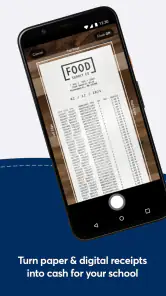
When I first downloaded the Box Tops for Education™ app, I was curious about how simple it would be to use. The app's primary function is to allow users to scan their grocery receipts to earn money for their chosen school. It's as easy as snapping a photo! You just grab your receipt after a shopping trip, open the app, and hit the scan button. The app then automatically detects eligible items and credits your school's account. It's like magic!
Easy Peasy Setup
Getting started with the app is a breeze. After downloading, you quickly set up an account and select the school you wish to support. There’s something quite satisfying about knowing exactly where your contributions are heading. Plus, if you have kids in school, it's a great way to get them involved in supporting their education.
One of the things I love about this app is how it simplifies the entire process. Gone are the days of clipping physical box tops off packages. Everything is digital, making it not only convenient but also environmentally friendly. And let’s face it, who doesn’t love a bit of convenience in today’s busy world?
Keeping Track and Making an Impact
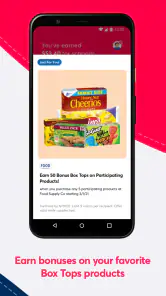
The app isn’t just about scanning receipts; it also keeps you informed. You can easily track how much money your school has raised, which can be incredibly motivating. The app even sends notifications about special offers and bonuses where you can earn extra box tops. It's a great way to stay engaged and ensure you're maximizing your contributions.
The impact this app has on schools is truly profound. Schools can use the funds for anything they need, from new books and supplies to funding special programs. It’s rewarding to see how small efforts can accumulate into significant support. It's like being part of a community-wide effort where everyone can contribute with minimal effort.
User Experience and Feedback
The user interface is clean and intuitive, which makes navigation a breeze. Even if you’re not tech-savvy, you’ll find it easy to use. The app has a feedback section, which shows that the developers are keen on improving the experience based on user suggestions. It's always nice to see a company that values user input.
Overall, the app is more than just a tool; it's a movement towards supporting education through everyday actions. Whether you’re a parent, teacher, or just someone who wants to contribute, this app makes it incredibly easy. So next time you’re out shopping, remember that your receipt could make a difference!
A realistic grocery-run example
Picture a weekday grocery stop for lunch supplies and household basics. Rather than changing the list to chase a reward, I’d shop as usual, keep the receipt, and scan it while unpacking at home. If eligible items are recognized, the school gets the benefit; if not, I’ve still bought what I needed without making the app dictate my choices. That distinction is important: the app works best as a low-effort add-on, not a shopping strategy.
Small habits that prevent missed credit
I’d make the receipt photo part of putting groceries away, while the receipt is still easy to find and read. If you support a school as a household, agreeing on one school ahead of time can also prevent contributions from being scattered between accounts or choices. And because offers and bonuses may appear, checking the app before a planned trip can be useful—but I wouldn’t make an extra trip just to pursue them.
There is a trade-off in the digital approach. You avoid collecting and trimming physical package tops, but you do need a phone, the app, and a receipt to complete the routine. A faded or misplaced receipt can turn a quick task into a missed opportunity. For someone who prefers cash back directly or wants a benefit on every purchase, a standard rewards program is more predictable; Box Tops is specifically about directing eligible activity toward a school.
What to expect from school selection and tracking
A natural question is whether the app can benefit any school a user chooses. The useful first step is to search for the school you intend to support and select it during setup; I’d confirm that choice before scanning regularly. The tracking view can help make participation feel tangible, but it’s best read as a view of the school’s progress rather than a promise that each individual shopping trip will produce a contribution.
Another practical question is whether this replaces other school fundraising. I’d see it as a supplement: a way to direct eligible grocery purchases toward a school without organizing an event or asking people for a separate donation. It won’t suit someone looking for an immediate personal payout, and it may not be compelling if their normal basket rarely includes participating products. In those cases, a direct contribution or a fundraiser with a clear, personal goal may be more effective.
My recommendation
For a free shopping app, the decision is mostly about fit rather than financial risk. I’d try it if I had a school I cared about, bought groceries anyway, and could remember to scan receipts. I’d skip it if the process would make me buy things I don’t need or if I wanted guaranteed savings for myself. Used with realistic expectations, it offers a straightforward way to turn eligible purchases into school support; the payoff is community-minded, not a substitute for careful budgeting.
Making it work across a household
One practical question is how to keep participation manageable when several people buy groceries. I’d agree on the school to support and make the receipt handoff part of a familiar routine, such as leaving it beside the bags until they are unpacked. That avoids relying on everyone to remember a separate process and makes it less likely that a receipt gets thrown away before anyone scans it.
For a busy family, the app is easiest to treat as a small shared task rather than something children need to manage independently. An adult can handle account and receipt steps, while kids can help check whether the household has remembered to save the receipt. That keeps the activity age-appropriate and turns the school connection into a conversation rather than another chore or a promise of a particular fundraising result.
Choosing it over other shopping rewards
The main alternative is not another school-fundraising app so much as the rewards tools people already use: store loyalty programs, coupon apps, and cashback services. Those are usually the more direct choice when the goal is to lower a household bill or receive a personal benefit. Box Tops serves a different purpose. Its appeal is routing eligible grocery activity toward a selected school, so I’d consider it alongside those tools rather than expect it to replace them.
That distinction affects how I’d use the app at the shelf. I wouldn’t choose a more expensive item solely because it might qualify, and I wouldn’t assume that every brand or grocery purchase counts. If I’m comparing two products I would buy anyway, eligibility could be a welcome extra reason to choose one; if the price or suitability is worse, my budget and needs come first. This is the clearest way to keep a community benefit from turning into unnecessary spending.
Handling uncertainty without extra errands
People often want to know whether every receipt will work and how quickly the school’s progress will change. I’d approach both with modest expectations: the app is centered on eligible products, so a normal receipt may not generate a contribution every time, and the progress display reflects the school rather than making each shopping trip feel like a guaranteed payout. Scanning a receipt promptly gives the process its best chance without requiring a special trip or a separate tracking spreadsheet.
If the app does not recognize something as expected, I’d first check that the receipt image is readable and that the intended school is selected. Keeping the paper until the scan is complete is a simple safeguard. I wouldn’t count on the app as a precise household savings tool; the benefit is support directed to a school, and the amount can depend on what was bought and recognized.
When a different approach makes more sense
Some supporters may have no regular grocery receipts, shop mostly for products that do not qualify, or prefer to give a known amount directly. For them, a donation or a school fundraiser with a defined goal may be more dependable and easier to plan around. Likewise, someone who dislikes photographing receipts may get more value from a loyalty program that applies automatically at checkout.
I’d also avoid making this the only way to help a school. It works as a low-pressure addition for people whose usual purchases fit, but it is not a substitute for choosing the kind of support that a school or family actually needs. A teacher or caregiver who wants to contribute without changing shopping habits can try it; anyone expecting guaranteed personal savings or a contribution from every trip should choose a different tool.
A measured decision
My view is that this app earns a place on a phone when its routine is genuinely easy: select a school, keep receipts, and scan them without changing the grocery list. The free access makes trying it a low-cost decision in the literal sense, but time and attention still matter. If those small steps feel natural, the school-directed benefit is a worthwhile bonus. If they become a nagging task, there is no reason to force it.
In the end, I’d recommend Box Tops for Education to grocery shoppers who want an uncomplicated way to support a school with eligible purchases they already make. I’d skip it when personal discounts, guaranteed returns, or a direct contribution are the real priority. Its best use is modest and specific: keep the normal budget, scan when convenient, and let any school support be an extra rather than the reason for buying.
Box Tops for Education™ Frequently Asked Questions
Does Box Tops for Education™ work with every grocery purchase?
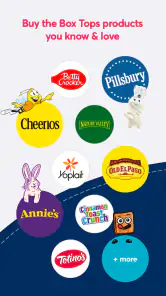
No. Box Tops are earned through eligible products and purchases, rather than automatically through every grocery item. Before shopping, browse the app to see which products qualify, then follow its receipt-scanning steps after your purchase. This makes it easier to know what to look for and helps ensure your shopping can benefit the school you have selected.
Do I need an account to use Box Tops for Education™?
Yes, getting started involves creating an account or logging in. You can then choose a school to support and use the app to scan receipts for eligible purchases. Setting up your account first helps connect your activity with the school you selected, so it is a sensible step to complete before you begin shopping for participating products.
Can I change the school I support later?
Yes. You can change the school you are supporting through your account settings, so you are not locked into your initial choice. The app supports one selected school at a time; if your preference or circumstances change, update that selection in the settings. This can be useful when you want your future eligible shopping to benefit a different school.
Is Box Tops for Education™ free to download?
Yes. Box Tops for Education™ is free to download and use, so you can support a school without paying for the app itself. It is a shopping app from General Mills, Inc., with an Everyone age rating. Before installing, check that your device meets the app’s operating-system requirement so you can get started smoothly.
What is Box Tops for Education™ and how does it work?
Box Tops for Education™ is a program designed to help schools earn extra funds through everyday purchases. Users can download the app, shop for participating products, and then scan their receipts to collect Box Tops. Each Box Top is worth 10 cents, which is directly contributed to the chosen school, helping fund various school activities and resources.
Pros
- Easy to track earnings by scanning receipts.
- Supports multiple schools for donations.
- User-friendly interface for quick access.
- Frequent updates improve app functionality.
- Encourages community involvement.
Cons
- Limited to participating products only.
- Requires regular app updates.
- Receipt scanning can be inconsistent.
- Earnings may take time to process.
- Not all schools are enrolled.

- Category
- Shopping
- Version
- 4.164.0 (2025103102)