Boot Barn
- 738.00
- 4.8
- Installs
- 500.00K
- Price
- Free

Screenshots




Analysis by Reviewed
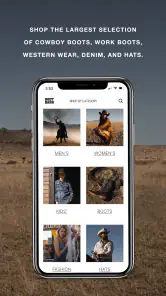
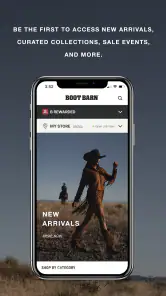
I usually judge shopping apps by what happens after the first browse. A large catalog can feel exciting for a few minutes, but the real question is whether the app remains useful when I need a specific pair of boots, a replacement work shirt, or a hat that has to fit properly. Boot Barn is built for that kind of focused shopping. It is a free shopping app from Boot Barn for western fashion, cowboy boots, work boots, clothing, and hats, and my overall impression is that it works best as a practical companion to the brand’s product range rather than as a general-purpose marketplace.
The first impression is straightforward: this is an app for someone who already knows, or is beginning to explore, the Boot Barn style. I can browse with a clear purpose, compare categories, and return to the same kind of product without wading through unrelated sellers. That focus is its biggest advantage over broad shopping platforms. At the same time, it means the experience is less useful if I want to compare many brands, search for the absolute lowest price, or shop across several unrelated retailers in one place.
What using Boot Barn feels like beyond the first browse
The first week: quick discovery, then more deliberate shopping
During the first few sessions, the app has an obvious appeal. Western clothing is often easier to understand when products are grouped by purpose and style, and Boot Barn gives that kind of focused environment. I can move from cowboy boots to work boots, then look at shirts, denim, hats, or other western pieces without changing shopping context. That makes it more comfortable than a general marketplace when I am trying to build an outfit rather than buy one isolated item.
I also like the distinction between browsing for a look and shopping for a job. A pair of decorative cowboy boots and a pair intended for daily work may both appear under the broad boot umbrella, but they serve very different needs. The app’s category focus encourages me to think about that difference before buying. For workwear, I would pay close attention to construction details, intended use, fit information, and care requirements instead of choosing based only on a photograph.
The app is especially convenient when I have a clear starting point. Searching for a familiar boot style, a particular clothing type, or a replacement for something I already own feels more efficient than beginning with a blank search field on a huge marketplace. The trade-off is that focused catalogs can still feel extensive once I start comparing colors, materials, shaft shapes, heel styles, and intended uses. A shopper who enjoys browsing may find that pleasant; someone who wants a decision in two minutes may need more discipline.
My most useful early habit would be to save the exact reason for the purchase before opening the app. For example, I might write down “daily outdoor work,” “formal western event,” or “casual weekend wear.” That small step prevents the visual appeal of a boot or jacket from taking over the decision. Boot Barn is good at presenting a coherent style, so it can make an attractive item seem more suitable than it really is for a particular routine.
A realistic shopping scenario: replacing dependable workwear
Imagine that a pair of work boots is wearing out before the next busy week. I would use the app to narrow the search by boot type, inspect several candidates, and compare practical details before deciding whether the replacement matches the old pair’s role. I would also check the size information carefully and compare the shape with what I already know fits me. This is where an app can save time: I can do the initial filtering from a sofa rather than visit several stores with no guarantee that the right style is available.
More From Our News Desk

Clash of Clans Is Won Between the Battles

Android Auto Makes the Case for Quieter Car Software

MobiOffice: Transforming Mobile Productivity with Seamless Integration

EA SPORTS FC™ Mobile Soccer: Redefining Mobile Sports Gaming

How Microsoft OneDrive Became a Mobile Productivity Giant

How Google Translate Breaks Language Barriers Effortlessly
However, I would not treat the app as a substitute for trying on footwear whenever fit is uncertain. Boots can differ in width, toe shape, heel feel, and break-in behavior even when the listed size appears familiar. If I have difficult-to-fit feet, a history of discomfort, or a job that requires standing all day, visiting a physical store or using a retailer with an especially convenient return process may be the wiser choice. The app helps me research and shortlist; it cannot remove the physical uncertainty of footwear.
The same principle applies to hats and clothing. A hat can look right in a product image but feel different depending on head shape and preferred fit. A shirt may suit a western outfit but not work comfortably under a jacket or during physical activity. I would use the app to compare styles and narrow options, then make the final choice with measurements, material information, and intended use in mind.
Why the focused catalog matters
Boot Barn’s strongest identity is not simply that it sells boots. It brings boots, western clothing, hats, and workwear into one shopping destination. That matters when I want pieces that coordinate naturally. Instead of finding boots on one marketplace and then trying to match them with a hat or shirt elsewhere, I can explore an entire western wardrobe in the same environment.
This also makes the app more useful for gift shopping than a generic search might be. If I know the recipient likes western fashion but do not know the exact item they want, I can study several product categories and get a better sense of the available styles. I would still be cautious with footwear as a surprise gift because fit is personal. Clothing and accessories may be easier choices, provided I understand the recipient’s preferred size and look.
The downside of specialization is that the app is not a universal shopping tool. If my goal is to compare Boot Barn’s selection with independent makers, secondhand listings, outdoor specialists, or local stores, I need additional apps or websites. Boot Barn is most convincing when I want to shop within its own western and workwear ecosystem, not when I want a neutral comparison engine.
Month-to-month value: when it earns a regular place
After the novelty fades, I would keep this app installed only if I regularly buy western clothing, work boots, or related accessories. For that audience, the value is repeatability. A person who replaces workwear, checks new seasonal clothing, shops for events, or gradually builds a western wardrobe can return to a familiar catalog instead of starting a new search every time.
I find that recurring usefulness comes from having a clear shopping rhythm. One visit might be for durable boots, another for a shirt or jacket, and another for a hat that completes an outfit. The app supports that pattern because its product focus remains consistent. It is less compelling for someone who buys this kind of clothing once every few years and has no immediate need to browse again.
The app has a 4.8 average from around five thousand ratings, which suggests that many users find the shopping experience worthwhile. It has also passed half a million installs, so it is not an obscure experiment that depends on a tiny audience. I would treat those figures as a useful confidence signal, not as proof that every shopper will have the same experience. Ratings can tell me that the app works well for many people, while my own fit needs, shopping habits, and tolerance for browsing still determine whether it belongs on my phone.
One practical way to make monthly use more valuable is to keep a personal reference for sizes and successful styles. I would note the fit of boots that already work, the shirt cut I prefer, and whether I normally choose a snug or relaxed hat. That information turns future browsing into a comparison exercise instead of repeated guesswork. It is a simple habit, but it reduces one of the biggest weaknesses of buying apparel through a screen: forgetting what worked last time.
The app is also more useful for planned purchases than for impulse shopping. If I know that I need work boots before the current pair fails, I have time to compare options, confirm sizing, and think about the conditions in which I will wear them. If I wait until the last moment, the convenience of mobile shopping may be outweighed by uncertainty and limited time. Boot Barn can shorten the research process, but it cannot make rushed decisions reliable.
Maintenance burden: what I need to manage myself
The app itself appears easy to revisit because its purpose is narrow and clear, but maintaining a useful shopping routine takes some effort. The main burden is not technical maintenance; it is decision maintenance. I need to keep track of sizes, preferred materials, intended use, and the difference between an attractive style and a practical replacement. Without that discipline, a focused fashion catalog can encourage repeated browsing without improving the final purchase.
I would also avoid treating the app as a permanent wardrobe manager. Its value is in shopping, not in replacing my own records about what I own, what needs replacing, and what care each item requires. Boots, hats, denim, and workwear can last a long time when maintained properly, so buying more is not always the best response to a worn appearance. Before opening the app, I would inspect the item I already have and decide whether it needs cleaning, repair, or replacement.
That point is important for long-term value. A shopping app can make replacement feel effortless, but responsible use means checking whether the purchase solves a real problem. For boots, I would consider sole wear, structural damage, comfort, and the demands of my work. For clothing, I would look at seams, fabric condition, and whether the item still fits the role I bought it for. The app becomes more useful when it supports a planned replacement cycle rather than constant consumption.
There is also a maintenance habit specific to mobile shopping: reviewing a shortlist before committing. I would leave promising items for a short cooling-off period, then revisit them with the original purpose in mind. If I still need the item and can explain why it suits my use, the shortlist is probably sound. If I only remember the color or the photograph, I likely need more information before buying.
Where fatigue appears over repeated use
The first source of fatigue is choice. A dedicated western catalog is more relevant than a general marketplace, but relevance does not automatically mean simplicity. Boots in particular can look similar while differing in comfort, use, and fit. Repeated browsing may become tiring when I am comparing small visual differences without a clear reason to prefer one product.
The second source is the limit of screen-based evaluation. Product images can communicate shape and style, but they do not fully communicate weight, stiffness, texture, arch support, or how a boot feels after several hours. For clothing, images cannot completely show drape, warmth, or movement. I can reduce the risk by reading details carefully and using known sizes, but some uncertainty remains. This is a genuine reason to choose a physical store or a retailer with a return experience that suits me.
A third issue is that the app may be less satisfying for comparison shoppers. If I want to check several retailers at once, compare independent brands, or search used items, a broad shopping platform or a standard web search may be faster. Boot Barn’s specialization is an advantage when I want its particular selection and style direction; it is a limitation when I want the widest possible market view.
I would also skip making it a daily browsing habit unless I genuinely enjoy western fashion. A shopping app can become background entertainment, but that does not necessarily create lasting value. For me, the healthiest pattern would be purposeful visits tied to a need, an upcoming event, seasonal wardrobe planning, or replacing dependable workwear. That keeps the app useful instead of turning it into another source of visual clutter and unnecessary purchases.
Compatibility, cost, and who should use it
Boot Barn is free, which removes the main barrier to trying it. It is rated for Everyone, and the app runs on Android seven point zero or later, making it accessible on many older Android devices as well as newer ones. The current version is four point zero fifteen. Those details make it a low-risk download for someone who wants to test the catalog before deciding whether it deserves regular use.
The developer is Boot Barn, so the app makes the most sense for shoppers who want to engage directly with that retailer’s selection. I would recommend it to people who regularly wear western fashion, need work boots or work clothing, shop for western events, or prefer researching products on a phone before visiting a store. It can also help gift shoppers who need a focused starting point and already understand the recipient’s style.
I would not make it my first recommendation for someone who needs medical-grade footwear guidance, has unusually difficult sizing needs, wants a broad multi-retailer comparison, or rarely buys western and workwear products. In those cases, a specialist fitting service, a physical retailer, or a general marketplace may serve the actual need better. The app is not weak because it lacks those roles; it is simply designed around a narrower shopping mission.
My long-term verdict
After the initial appeal wears off, Boot Barn still has a credible place on my phone, but only for the right shopping pattern. Its lasting value comes from focus: I can return to a dedicated western and workwear catalog when I need boots, clothing, hats, or related pieces without rebuilding the search from scratch. That is more useful than a novelty-driven fashion app because the same categories can matter repeatedly over time.
My strongest recommendation is to use it as a research and planning tool. Keep a note of sizes that fit, define the job an item must do, compare practical details rather than photographs alone, and avoid replacing durable goods without checking whether care or repair is enough. Those habits make the app more valuable and reduce the frustration that can come from buying footwear or clothing sight unseen.
My reservation is equally clear: the app cannot solve fit uncertainty, and it is not the best place for shoppers who want the entire market in one search. For those users, another option may be better. But if western fashion and workwear are already part of your life, I think Boot Barn earns lasting space after the novelty fades. It is free to try, focused enough to support repeat purchases, and most effective when I approach it with a specific need rather than simply looking for something tempting.
In short, I would keep it installed for dependable, category-specific shopping rather than constant browsing. The app’s real strength is not that it makes every purchase effortless; it makes the right kind of purchase easier to organize. For boots and western clothing, that distinction matters, and it is why I would recommend it to a friend who already shops in this style.
Boot Barn Frequently Asked Questions
What devices can run the Boot Barn app?
Boot Barn is an app for shopping on mobile devices, and its listed minimum operating-system requirement is version 7.0. Before downloading, check that your device meets that requirement and that you have enough space to install the app. Keeping your device’s software and the app updated can help you browse and shop smoothly.
Who develops Boot Barn, and is the app suitable for all ages?
Boot Barn is developed by Boot Barn and is a shopping app for browsing Western and workwear merchandise. Its content rating is Everyone, so it is classified as suitable for a general audience. As with any shopping app, purchases involve choosing products and providing order details, so younger users should have a parent or guardian’s guidance when placing an order.
What is Boot Barn, and what can I do with the app?
Boot Barn is a shopping app focused on Western and workwear products, including cowboy boots, clothing, hats, accessories, footwear, and items for outdoor or ranch lifestyles. After installing it, you can browse product categories, search for specific brands or styles, read item details, check prices and availability, save products, and place orders directly from your mobile device.
Can I purchase cowboy boots and clothing through Boot Barn?
Yes. The app is designed for purchasing a wide selection of Western and work-related merchandise. You can explore cowboy boots, work boots, jeans, shirts, jackets, hats, belts, jewelry, and other accessories. Product pages generally include photographs, descriptions, available sizes or colors, pricing, and customer reviews, helping you compare options before adding an item to your cart.
Does Boot Barn offer shipping, store pickup, or returns?
Boot Barn may provide several fulfillment options depending on the product, your location, and current availability. Standard delivery, expedited shipping, and store-related pickup options may be shown during checkout when eligible. Return rules, deadlines, exclusions, and possible fees can vary by item, so it is important to review the current policy and order details before completing a purchase.
Pros
- Wide selection of Western clothing
- boots
- workwear
- and accessories.
- Detailed product pages make comparing sizes
- colors
- and styles easier.
- Frequent sales and promotions can offer good value on selected items.
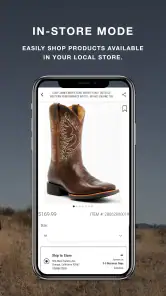
- Store locator helps shoppers find nearby Boot Barn locations.
- Supports order tracking and convenient online shopping from mobile devices.
Cons
- Some popular sizes and styles may sell out quickly.
- Boot sizing can vary by brand
- making online purchases less predictable.
- Promotional exclusions may limit discounts on certain products.
- Shipping costs or delivery times may vary by item and location.
- The app may feel less useful if you only shop in physical stores.
- Category
- Shopping
- Version
- 4.0.15