Benjamin - Earn Cash Rewards
- 28.41K
- 3.6
- Installs
- 1.00M
- Price
- Free

Screenshots


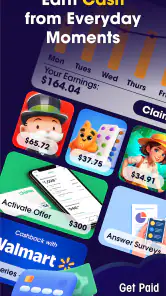


Analysis by Reviewed
I approached Benjamin - Earn Cash Rewards as a shopping app with a simple question in mind: does it offer enough practical value to justify the time it asks from me? The answer is more nuanced than the cheerful promise of earning from a phone suggests. Benjamin, developed by Benjamin Capital Partners, Inc, combines games and surveys with cash rewards, so it sits somewhere between a rewards platform and a casual time-filler.
It is free to install, which makes the first decision easy: there is no purchase price to recover before trying it. That matters because the real cost is your attention. I would not treat it as a replacement for a job or a dependable income source. I would treat it as an optional way to turn spare moments into small rewards, provided I am comfortable comparing the effort involved with what I actually receive.
How Benjamin fits into everyday shopping and spare time
The app belongs to the shopping category, but its activities are broader than browsing products. Its core idea is that I can open the app, choose available games or surveys, complete the required activity, and work toward real cash rewards. That combination makes it different from a conventional shopping app, where the main purpose is finding products, comparing prices, or placing orders.
In practice, I would use it during short gaps rather than planning my whole day around it. Waiting for an appointment, sitting on public transport, or taking a break from routine tasks are more realistic moments than setting aside several uninterrupted hours. Games can make the process feel less like paperwork, while surveys may suit me when I want a more direct task and do not feel like playing.
The app is free, and that is the clearest cost fact a prospective user needs. Free access removes the usual financial barrier, but it does not make every activity equally worthwhile. A task that takes only a little attention may feel reasonable; one that requires repeated sessions, careful progress tracking, or answers I find tedious may not feel like a good exchange.
I also keep the age rating in mind. Benjamin is marked Mature 17+, so it is not an app I would recommend casually to younger teenagers. That rating is part of the decision before installation, especially for families sharing devices or managing app access. It also reinforces that this is a rewards service for an older audience, not a children’s game with pocket-money features.
What the free entry really means
“Free” describes the download and access, not the value of every minute spent inside the app. I would avoid assuming that opening the app automatically produces money. Rewards depend on completing the activities presented, and the usefulness of those activities depends on my patience, eligibility, and available time.
More From Our News Desk

Clash of Clans Is Won Between the Battles

Android Auto Makes the Case for Quieter Car Software

MobiOffice: Transforming Mobile Productivity with Seamless Integration

EA SPORTS FC™ Mobile Soccer: Redefining Mobile Sports Gaming

How Microsoft OneDrive Became a Mobile Productivity Giant

How Google Translate Breaks Language Barriers Effortlessly
My best approach is to treat the app like a small experiment. I would try one game and one survey, note how long each takes, and then decide whether the experience feels fair. That simple comparison is more useful than chasing every available offer. If I find myself continuing only because I have already invested time, the app has stopped being a convenient side activity and started becoming a poor use of my attention.
There is also an important difference between a reward app and a discount app. A discount app helps me spend less on something I already planned to buy. Benjamin asks me to perform activities in pursuit of cash. If my goal is saving money on groceries or comparing prices, a traditional shopping tool may be more useful. If I want something to do during idle time and like the possibility of a cash reward, Benjamin has a clearer purpose.
Where the value comes from
The strongest part of the concept is flexibility. I am not locked into a single format: games can provide a more relaxed route, while surveys offer a task-oriented alternative. That choice matters because motivation changes. On one day I may prefer answering questions quickly; on another, I may be more willing to spend time with a game.
A useful workflow is to check the available activities before committing. I would read the task instructions first, look for any progress requirement, and decide whether the expected effort fits the time I have. Starting a game without understanding its conditions can turn a short break into a longer obligation. The same applies to surveys: if the opening questions make it clear that I am not a suitable participant, I would move on rather than repeatedly forcing a poor match.
This is one of the less obvious trade-offs of the format. Variety can make the app feel active, but it can also encourage constant checking. I would set a personal limit, such as using it only during planned downtime, instead of opening it whenever I feel bored. That keeps the rewards secondary and reduces the risk of replacing more useful activities with endless offer hunting.
Another practical strength is that the app brings the earning process into one place. I do not need a separate game for entertainment and a separate survey service for questionnaires. That convenience is valuable if I prefer a single dashboard and do not want to manage several reward accounts. It is less valuable if I already use specialist apps that offer better games, more relevant surveys, or a smoother shopping experience.
The published store presence gives a sense of scale: Benjamin has passed one million installs, with an average rating of 3.6 from around one hundred thirty thousand ratings and roughly twenty-eight thousand written reviews. I read those figures as evidence that many people have tried it, not as proof that every user will have the same earning experience. A large audience can indicate that the concept is easy to understand, while the middling average rating suggests I should keep expectations measured.
Small habits that improve the experience
I would begin by using a stable routine rather than accepting every activity immediately. For example, I might check the app once during a lunch break, choose the task with the clearest requirements, and stop when that task is complete. This makes it easier to judge whether the reward feels worthwhile instead of losing track of time across several activities.
I would also keep my own notes about effort. A simple record of the activity, approximate time, and reward progress can reveal which format suits me. This is especially helpful because a game may feel more entertaining but take longer, while a survey may feel less enjoyable yet fit a short break better. The best option is not automatically the one with the largest headline reward; it is the one that matches my available time and patience.
Finally, I would avoid treating progress as guaranteed until I have completed the relevant requirements. Rewards apps often involve conditions, and the sensible habit is to read each activity carefully before investing time. I would not multitask carelessly while answering a survey, either. Rushed or inconsistent answers can make the process frustrating and undermine the point of using the app.
The friction I noticed in the model
The main limitation is that the app monetizes spare time rather than replacing paid work. That sounds obvious, but it is easy to forget when the interface focuses on cash. Even if I enjoy the games, the reward remains worthwhile only when the activity itself is acceptable entertainment or a tolerable task. If I dislike both, the financial incentive may not compensate for the boredom.
Surveys can also be a variable experience. A questionnaire may suit me one moment and not suit me the next, so I would not rely on a specific flow being available whenever I open the app. This uncertainty makes Benjamin better for flexible users than for anyone trying to reach a precise financial target by a particular date.
Games bring a different kind of friction. They may be more engaging than surveys, but engagement can work against careful time management. I could easily continue playing because the activity is enjoyable, even when the reward is no longer the reason I am there. I would separate entertainment value from cash value and decide honestly which one I am pursuing.
The app’s current version is 4.22.1, and it supports devices running Android 7.0 or later. That makes compatibility fairly approachable for people using older Android hardware, although I would still check the store page on my specific device before installing. The release date shown for the app is July 18, 2023, so I see it as an established product rather than a brand-new experiment, but I would still expect the selection and presentation of activities to change over time.
How it compares with familiar alternatives
Compared with cashback services, Benjamin is more active. Cashback tools usually fit best when I already intend to shop, because the saving is attached to a purchase. Benjamin is more suitable when I have free time but no shopping plan. The trade-off is that cashback can feel effortless once a purchase is necessary, whereas Benjamin asks me to complete an activity first.
Compared with dedicated survey apps, Benjamin offers more variety through games. That can reduce monotony, especially for someone who dislikes answering a long sequence of questionnaires. On the other hand, a specialist survey service may be a better match for a person who wants only surveys and does not want game-based tasks competing for attention.
Compared with ordinary mobile games, Benjamin adds a possible financial outcome, but it may not provide the same depth or polish as a game chosen purely for entertainment. If I want a rich story, competitive play, or a long-term hobby, I would choose a conventional game. If I want casual play with a rewards angle, Benjamin is the more relevant option.
Compared with a part-time job or freelance work, the difference is much larger. Benjamin is convenient because I can use it in tiny fragments of free time, but that convenience comes with limited earning potential and less predictability. I would never choose it when I need dependable income, scheduled hours, or a clear payment arrangement for substantial work.
Who is most likely to get value from it
I think Benjamin is best for adults who already spend time on casual games or surveys and would enjoy having a rewards element attached. It can also suit people who dislike signing up for several separate services and prefer one app that combines both formats. The free entry makes testing the idea low-risk financially, as long as the user is disciplined about time.
A realistic example would be someone commuting and facing two short waits during the day. During one wait, they could try a survey; during another, they could play a game. At the end of the week, they could decide whether the activity was enjoyable enough and whether the progress justified continuing. That is a sensible use case because the person is filling time that was already unavailable for more productive work.
I would be more cautious recommending it to someone who becomes frustrated by screening questions, changing offers, or progress requirements. It is also a poor fit for anyone who expects immediate, predictable cash or who tends to spend more time chasing rewards than the rewards are worth. People under the Mature 17+ age rating should skip it as well.
Privacy-conscious users should make their own comfort decision after reviewing the app’s current permissions and policies before use. I would not enter sensitive information casually into any rewards service, and I would make sure I understand the account and redemption process before investing significant time. That is not a criticism unique to Benjamin; it is basic caution whenever an app connects activities with financial rewards.
My verdict on trying Benjamin
Benjamin - Earn Cash Rewards is worth trying if I want a free, flexible rewards app and I am happy to judge it by the value of my spare time. Its mix of games and surveys gives it more variety than a single-purpose survey tool, and the lack of an upfront price makes a short trial reasonable. I like the idea most when the activity itself is enjoyable enough that the cash reward feels like an extra benefit rather than the only reason to continue.
I would skip it if I need reliable income, dislike promotional tasks, or already have a cashback or survey service that fits my habits better. The 3.6 average rating is a useful reminder to approach it with realistic expectations rather than assuming the experience will be effortless. Popularity does not remove the need to compare time spent with value received.
My final recommendation is to install it only with a clear boundary: test a small selection of activities, track your time, and keep using it only when the exchange feels worthwhile. For occasional downtime, Benjamin can be a practical extra. For serious earning, planned shopping savings, or high-quality standalone gaming, a different category of app is likely to serve you better.
Benjamin - Earn Cash Rewards Frequently Asked Questions
Can I use Benjamin - Earn Cash Rewards outside the United States?
The offers and rewards available in Benjamin can vary by location, so the experience may differ depending on where you live. Before spending time on an activity, check its eligibility terms and confirm that it is available in your region. The same applies to cash-out methods: options and requirements may not be identical for every user.
What kinds of activities can I do in Benjamin to earn rewards?
Benjamin’s activities can include playing supported games, taking surveys, trying partner apps, watching content, and completing other offers. The options shown may change, and each activity can have its own rules, deadline, or eligibility conditions. Review those details before starting so you know what counts as completion and whether the task is a good fit for you.
Does Benjamin guarantee a specific amount of earnings?
No particular earning amount should be assumed. Rewards depend on which offers are available to you, whether you meet their requirements, and whether completion is tracked and approved. Benjamin is better approached as a way to earn occasional rewards in spare time than as a predictable source of income. Check each task’s reward and conditions before deciding how much time to invest.
What age group is Benjamin - Earn Cash Rewards intended for?
Benjamin carries a Mature 17+ age rating, so it is intended for adults rather than younger users. This is worth considering before downloading, especially because the app includes third-party offers and activities that may have their own terms. Check the age and eligibility requirements for each offer, too, since they can differ from the app’s general audience rating.
What is Benjamin - Earn Cash Rewards, and how does it work?
Benjamin - Earn Cash Rewards is a rewards app that lets users earn money or gift-card value by completing selected activities, such as playing supported games, trying partner apps, watching content, or completing offers. After installing the app, you normally browse the available tasks, review their requirements, and receive rewards after the activity is tracked and approved. Available opportunities can vary by location, device, and account.
Pros
- Simple tasks make it easy to earn small rewards in your spare time.
- Clear progress tracking helps you monitor points and completed activities.
- A variety of offers gives users more than one way to earn.
- The app is lightweight and generally quick to navigate.
- Reward options may suit users who prefer gift cards or cash payouts.
Cons
- Earnings per task can be low compared with the time required.
- Some offers may be available only in certain countries or regions.
- Reward eligibility can depend on strict tracking and completion rules.
- Notifications and promotional content may feel excessive for some users.
- Cash-out thresholds can delay access to rewards for occasional users.

- Category
- Shopping
- Version
- 4.22.1