Word Lots
- 10.77K
- 4.7
- Installs
- 1.00M
- Price
- Free
Screenshots
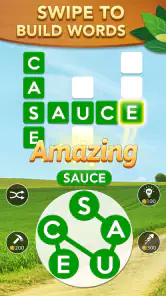
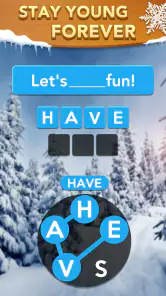


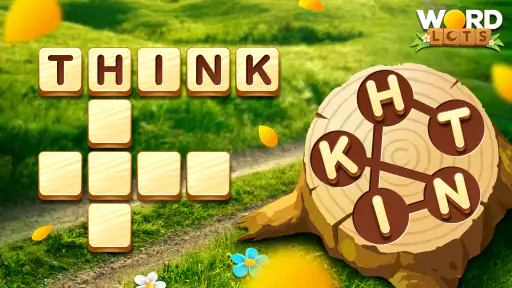
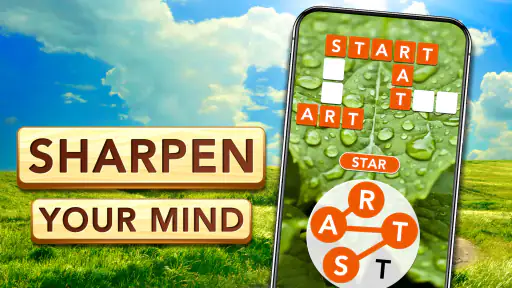
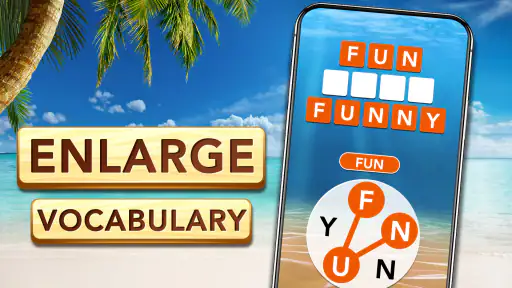
Analysis by Reviewed
Word Lots is the kind of word game I can open without preparing myself for a serious gaming session. Its basic promise is simple: spend a short stretch of time arranging, spotting, or solving words, then put the phone away. I reviewed it with a practical question in mind: does it remain useful after the first few satisfying sessions, or does it become another icon I stop noticing?
My first impression was positive because the game is easy to understand and does not demand a large time commitment. That makes it a comfortable choice for a coffee break, a commute, or the few minutes before bed. HiPlay Games has positioned it as a lightweight mental workout rather than a story-driven adventure, and that distinction matters. You are not installing it for characters, exploration, or a long campaign. You are installing it for repeatable word challenges.
The game is free to start, carries an Everyone age rating, and works on Android devices running version 7.0 or later. Its store presence is also substantial, with over a million installs, roughly forty-eight thousand ratings, and an average score of 4.7. Those figures suggest that the format has found a broad audience, although popularity alone does not guarantee that it will fit your personal routine.
How Word Lots Feels After the First Week
During the first few days, the strongest part of the experience is the low learning curve. I did not need to study a complicated rulebook or spend time arranging a team before playing. The appeal comes from recognizing possible words, testing an answer, and getting the small satisfaction of making progress. That quick feedback is exactly what makes a short word puzzle more inviting than a larger game when I only have a few minutes.
The ten-minute idea works best when treated as a flexible habit rather than a strict target. Some sessions feel naturally brief, while others encourage me to continue because I am close to completing a puzzle. The important point is that the game does not require the kind of uninterrupted attention associated with a long match. I can pause mentally between rounds and return later without feeling that I have abandoned a complicated objective.
I also found the format suitable for different levels of concentration. When I was alert, I could look for less obvious word possibilities and try to improve my speed. When I was tired, I could still approach it as a gentle exercise instead of forcing myself through a demanding competitive game. That range is one reason the first-week appeal is stronger than the store summary alone might suggest.
A realistic everyday use is a short waiting period at a medical appointment or a few quiet minutes after lunch. Rather than opening a social feed and losing track of time, I can play a small amount and stop at a natural point. The game gives that spare time a clear boundary. For students, casual players, and adults who enjoy vocabulary puzzles, this makes the initial routine easy to establish.
There is also a useful difference between playing for entertainment and playing for mental activation. I would not describe Word Lots as a replacement for studying a language or reading extensively. However, it does make me pay attention to spelling, letter combinations, and the way familiar words can be hidden in a puzzle. That narrow focus can feel refreshing, especially when I want something more active than passive scrolling but less demanding than a full strategy game.
The first week is not perfect, though. Simple rules can also mean that the experience feels familiar very quickly. If you prefer games with a strong narrative, elaborate visual progression, or a constant stream of new mechanics, the initial charm may wear off sooner. Word Lots earns its early appeal from accessibility, not from dramatic surprises.
What Makes the Short Sessions Work
The most practical habit is to use the game as a deliberate transition between activities. I found it more enjoyable when I opened it with a clear stopping point instead of treating it as an endless distraction. A quick session before starting work, after finishing a household task, or while waiting for dinner can feel rewarding because the puzzle has a defined purpose.
Another useful approach is to avoid judging every round by speed. Word games can become tiring when I turn each answer into a performance test. Taking a moment to inspect the available letters and then moving on keeps the experience calmer. This is especially helpful for younger players or anyone who wants light cognitive engagement without pressure.
Because the game is rated for Everyone, it is approachable for a wide age range. That does not mean every puzzle will feel equally easy to every player. Vocabulary familiarity, spelling confidence, and preferred difficulty all affect the experience. I would recommend it to families who want a simple word activity, but I would still let each player decide whether the challenge feels enjoyable rather than treating it as a formal learning exercise.
Whether It Keeps Its Value Month After Month
The more important test is what happens after the novelty fades. In my experience, Word Lots has recurring value when I use it as a small maintenance habit rather than expecting constant excitement. Its strength is repetition: I can return for another short word session without having to remember a plot or rebuild a complicated strategy.
That makes it different from many casual alternatives. A crossword app may offer deeper clue solving and more room for personal interpretation. A spelling-focused game may feel more educational. A word search may be more relaxing because the objective is visually obvious. Word Lots sits in the middle: it is more active than simply scanning a grid, but lighter than a demanding crossword or a structured language course.
That middle position is both its advantage and its limitation. If I want a dependable few minutes of word play, it is easy to keep in rotation. If I want a serious vocabulary challenge, detailed explanations, or a sense of mastery over a specialized subject, another category will probably serve me better. The game works best when I accept its modest scope.
One of the less obvious benefits of a recurring word routine is that it can expose my own habits. I tend to notice familiar prefixes, common endings, and letter patterns more quickly after returning regularly. I would not claim that this produces a measurable improvement in general intelligence, but it does encourage focused observation. The mental benefit comes from actively searching and making decisions, not from simply having the game open.
For long-term use, I recommend alternating the way you approach sessions. Some days, play quickly and accept the first reasonable solution. On other days, slow down and look for possibilities you would normally overlook. This prevents every session from becoming a mechanical tap-through routine. It also gives the game two roles: a quick distraction when energy is low and a more attentive puzzle when you want to concentrate.
The free entry point helps with this evaluation. I can spend time deciding whether the core loop belongs in my routine before considering any optional purchases. In-app items range from $0.99 to $49.99 per item, so I would advise setting a personal spending limit before buying anything. The free experience should be judged on its own first; a purchase should solve a specific annoyance or support enjoyment, not become an automatic part of every session.
Who Gets the Most Recurring Value
I think the best match is someone who likes word puzzles but does not want to commit to a large daily game. It is also a good fit for players who appreciate familiar rules and want a low-friction activity they can revisit. People building a small screen-time routine may find the short format easier to manage than an open-ended social or competitive game.
It is less suitable for anyone who needs a clear educational curriculum. If your goal is to learn new vocabulary with definitions, pronunciation, and structured review, a dedicated language-learning tool would be a better choice. Likewise, players who need multiplayer competition, rich customization, or a strong sense of progression may find the experience too contained.
I would also skip it if word puzzles regularly make you feel frustrated rather than refreshed. The game is built around looking, guessing, and trying again. That can be satisfying for one person and repetitive for another. No amount of daily habit turns an unwanted puzzle style into the right hobby.
The Maintenance Burden and Small Sources of Friction
Word Lots is relatively easy to maintain because the commitment is small. I do not need to reserve a long block of time, learn a complex system, or remember a detailed objective from the previous session. That low maintenance is central to its lasting appeal. A game that asks for only a little attention is more likely to survive a busy week.
Still, low maintenance does not mean no maintenance. I need to decide when the game belongs in my day, otherwise it competes with every other short-form app on my phone. The same convenience that makes it easy to open also makes it easy to abandon. A simple reminder, a fixed break, or a personal rule such as playing one session after lunch can make the routine more consistent.
The main friction is repetition. Word games depend on a recognizable loop, but recognition can turn into predictability. Once I understand the rhythm, I may start solving automatically instead of thinking carefully. When that happens, I get less value from the session even though I am still completing puzzles.
My solution is to stop before the game becomes background noise. Ending while I still feel engaged makes the next session more appealing. I also avoid using it as a way to fill every idle moment. If I play whenever there is even a tiny pause, the activity can lose its distinct place in my day and begin to feel like another obligation.
Another consideration is the difference between a free game and a completely cost-free habit. Word Lots is free to download and play, but optional in-app purchases are available. That is not automatically a problem, yet it means I would pay attention to my own behavior. If I start feeling that progress or enjoyment depends on frequent purchases, I would step back and reassess whether the game is still delivering enough value without them.
The current version is 1.76.245, and the game was released on April 6, 2021. Those details place it in the category of an established title rather than a brand-new experiment. For me, that is reassuring because the concept has had time to find its audience, but it also reinforces the need to judge the actual daily experience rather than expecting launch-day novelty.
How to Avoid Puzzle Fatigue
The first warning sign is when I open the game out of habit and cannot remember why I wanted to play. At that point, I take a break instead of forcing a streak. A word game should add a small moment of concentration, not become another task that needs completion.
A second warning sign is relying on the same solving method every time. If I scan only for the longest obvious word, the puzzle can feel narrower than it really is. I get more from it when I examine short combinations, rethink a first assumption, and allow myself to leave a difficult round temporarily. That change in approach creates variety without requiring a new feature.
Finally, I would not use the game as proof that I am becoming smarter. Its value is more practical and modest: it gives me a repeatable reason to focus on words for a few minutes. Keeping that expectation realistic protects the experience from disappointment and makes the habit easier to sustain.
My Long-Term Verdict on Word Lots
After looking beyond the first pleasant sessions, I think Word Lots earns lasting space for the right player, but not because it constantly reinvents word gaming. It earns that space through convenience. I can understand it quickly, play in a short window, and return later without a heavy mental setup. That is a meaningful strength for a casual game.
Its 4.7 average from around forty-eight thousand ratings shows that many players respond well to the format, while roughly eleven thousand written reviews indicate a substantial amount of user discussion around it. I treat those figures as useful context rather than a guarantee. My own recommendation depends on whether you want a compact word routine or a deeper puzzle system.
I would recommend trying it if you want a free, approachable word game for short breaks, especially if you like building habits around small daily activities. The Everyone rating also makes it a reasonable option to consider for mixed-age households, provided each player enjoys this type of puzzle. The minimum Android requirement of 7.0 keeps it accessible to many older devices as well.
I would not recommend making it your only puzzle game. Pairing it with a crossword, a word search, or a language-learning app can cover the areas this game does not emphasize. Word Lots is strongest as a light daily exercise, while those alternatives may offer richer clues, more explanation, or a more deliberate learning path.
My final advice is to test the habit honestly for a couple of weeks. Notice whether you look forward to the sessions, whether they remain mentally engaging, and whether you can enjoy the free experience without feeling pushed toward purchases. If the answers are yes, Word Lots is a sensible small game to keep installed. If the puzzles begin to feel automatic or repetitive, removing it is not a failure; it simply means your routine needs a different kind of word challenge.
In the end, I see it as a dependable companion rather than a game that demands loyalty. HiPlay Games has created something easy to return to, and that is enough to make it worthwhile for casual word fans. Its lasting value comes from maintenance: a few focused minutes, used intentionally, can remain pleasant long after the first-week novelty has disappeared.
Pros
- Simple word puzzles are easy to learn and suitable for quick sessions.
- Large vocabulary keeps the gameplay varied across many levels.
- Relaxed pacing makes it enjoyable without time limits or stressful mechanics.
- Hints can help players progress when a word feels difficult.
- Works well for casual play during short breaks or commutes.
Cons
- Some levels may feel repetitive after extended play sessions.
- Later puzzles can rely on obscure or less familiar words.
- Frequent hints may reduce the satisfaction of solving puzzles unaided.
- Progress can feel slow if bonus rewards are limited.
- Players seeking competitive multiplayer may find the experience too solitary.
- Category
- Word
- Version
- 1.76.245