Woodoku Blast
- 2.53K
- 4.9
- Installs
- 5.00M
- Price
- Free

Screenshots


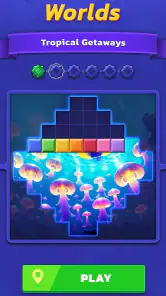
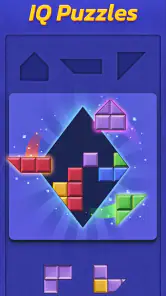


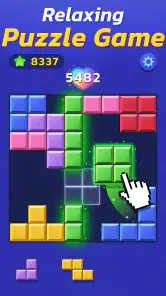
Analysis by Reviewed
I tend to judge a puzzle game by what happens after the first few sessions: does it become a useful little habit, or does the novelty wear off once I understand the rules? Woodoku Blast makes a strong first impression with familiar block-fitting and Sudoku-style thinking, but its lasting appeal depends on whether you enjoy repeatedly weighing space, shape, and timing. I’d treat it as a compact puzzle to dip into, rather than a game that needs to dominate your free time.
Why the first sessions click
The appeal is immediate: the board is easy to understand, while each placement can change what remains possible. That makes it approachable without making every move automatic. I like that a short pause to scan the grid can matter more than rushing to drop a piece; the satisfying part is spotting a placement that clears room and keeps several options open.
That rhythm suits small gaps in the day. I can imagine opening it while waiting for an appointment, playing a round during a quiet break, then putting the phone away without needing to remember a long story or complicated setup. If someone wants a puzzle they can learn quickly but still think about, this is a more natural fit than a lengthy strategy game.
Who will enjoy the routine
I’d recommend it most readily to people who like spatial puzzles but don’t want a large commitment every time they pick up their phone. It’s especially suited to a short, focused break: the board gives your attention a clear job, and the familiar grid format means you can settle in without learning a long sequence of controls or rules. The simple routine also makes it approachable for casual players who usually find traditional Sudoku too number-heavy.
There is a useful difference between playing to relax and playing to improve. If I’m tired, I can make a few careful placements and enjoy the immediate feedback. If I’m in a more analytical mood, I can look for ways to avoid trapping small empty spaces and keep the board flexible. That range is a strength, although it depends on the player finding satisfaction in the same core decision-making rather than expecting a new mechanic to appear each time.
What keeps it in rotation
Over time, the question is less whether the basic idea works and more whether I enjoy returning to it. The blend of wooden blocks and a Sudoku-like grid gives familiar puzzle fans a small change of texture: instead of filling numbered cells, I’m managing shapes and empty space. That is a useful distinction if standard Sudoku feels too methodical, while a plain block puzzle feels a little too obvious.
For a practical routine, I’d use it as a deliberate five-minute reset rather than leave it open as background entertainment. Before placing a piece, I look for awkward gaps and consider which clear would preserve the broadest open area. That simple habit can make play feel more thoughtful, though it won’t suit anyone who wants constant novelty, a narrative, or a steadily unfolding set of objectives.
More From Our News Desk

Clash of Clans Is Won Between the Battles

Android Auto Makes the Case for Quieter Car Software

MobiOffice: Transforming Mobile Productivity with Seamless Integration

EA SPORTS FC™ Mobile Soccer: Redefining Mobile Sports Gaming

How Microsoft OneDrive Became a Mobile Productivity Giant

How Google Translate Breaks Language Barriers Effortlessly
Getting Started with Woodoku Blast
When you first launch Woodoku Blast, you’re greeted with a clean, minimalist design that’s both inviting and easy on the eyes. The game takes the best elements of a block puzzle and mashes them together with sudoku to create an experience that’s both familiar and refreshingly new. No need to worry if you’re a newcomer; the app does a great job of guiding you through the basics with a quick and intuitive tutorial.
The Gameplay Experience
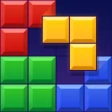
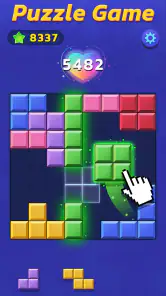
The aim is straightforward: fit wooden blocks into a 9x9 grid and complete lines and squares to keep the board clear. It’s simple in theory, but as you progress, the challenges get trickier. You’ll find yourself strategizing and planning ahead to avoid running out of space. The game rewards you for clearing multiple rows or squares in one move, so there’s always an incentive to think a few steps ahead.
One of the things I love about this app is how it manages to be both relaxing and stimulating at the same time. The wooden aesthetics and gentle sound effects create a calming atmosphere, perfect for unwinding after a long day. Yet, the puzzle aspect keeps your brain engaged, making it an ideal pastime for those who enjoy a mental challenge.
Reading the board before committing
A practical way to get more from each turn is to treat every piece as part of a set of choices, rather than judging it in isolation. I scan for placements that can clear a line or square, but I also check what shape of open space will remain afterward. A move that clears something immediately can still leave a cramped corner that is difficult to use. When no clear is available, preserving broad, connected areas is often a better priority than filling gaps just because they are convenient.
This is also where the game rewards patience. I try to place awkward shapes while the board still has room to accept them, instead of spending every turn on the easiest-looking piece. That doesn’t make every run succeed, and there is no foolproof placement rule, but it gives me a more considered way to play. It’s a small distinction that helps the puzzle feel less like tapping until the board fills and more like managing a limited workspace.
Features and Highlights
What sets Woodoku Blast apart is its variety of modes. Whether you’re in the mood for a quick game in the classic mode or want to test your skills with time-limited challenges, there’s something for everyone. The app also includes a leaderboard, so if you’re competitive like me, you’ll enjoy trying to beat your previous scores and climbing up the ranks.
Another nice touch is the daily challenges, which provide fresh puzzles to solve every day. It’s a great way to keep the game feeling new and exciting, and it ensures you’ll never get bored. Plus, the app doesn’t bombard you with ads, which is always a huge plus in my book.
How it compares with other puzzle habits
Compared with a conventional Sudoku app, this feels more tactile and less dependent on number logic. I’m looking for a fit and planning around occupied cells, not checking a set of digits against rows and boxes. That makes it a better choice when I want spatial reasoning without the slower, methodical rhythm of a number puzzle. Someone who loves Sudoku precisely because of its deduction and notation may find this too focused on shape placement.
Against a basic block puzzle, the grid-clearing pattern gives each placement another layer to consider. The board is not simply a matter of finding somewhere for a piece; the possibility of clearing lines or squares affects which move is valuable. That extra planning gives it more staying power for me than a purely casual fit-the-shape game, though it remains a compact loop rather than a deep strategy experience. If I want evolving rules, a campaign, or meaningful decisions that carry between sessions, I’d choose a different kind of puzzle game.
Maintenance and fatigue
For a casual player, the upkeep is pleasantly simple: there’s no character build or complicated campaign to track. I can return after a few days and still know exactly what to do. The game is free, rated for Everyone, and made by Tripledot Studios Limited; its current version is 1.04.58, with Android 7.0 as the minimum OS. Its first-week charm can still fade if the same board-clearing decisions start to feel repetitive, so I’d alternate short sessions with other activities rather than turn daily challenges into an obligation.
That low-maintenance quality matters in everyday use. If I open it while waiting for a delayed appointment, I don’t need to remember a quest, collect a chain of rewards, or reconstruct a complicated plan from the previous day. I can focus on the current board and leave when the break is over. The trade-off is that the game doesn’t offer much of a reason to return beyond enjoying another round; players who rely on a strong sense of progression to build a habit may not feel the same pull.
It’s also worth deciding what you want from a daily challenge before making it part of your routine. I’d treat it as an optional prompt for a fresh puzzle, not a task I have to complete to keep up. That keeps the game in the role it suits best: a small activity available when I genuinely want it. If missing a day would make a game feel like a chore, this is easier to enjoy casually than as a strict daily commitment.
The main trade-off is the kind of attention it asks for. A timed mode is a poor choice when I’m distracted or already tense, while a relaxed round can work well during a low-pressure break. If you want a puzzle that keeps changing its rules, a story-led game or a broader collection of logic puzzles will likely hold your interest longer. If you like refining the same spatial skill, the repetition is part of the point.
Where the friction can appear
Because the central pleasure comes from evaluating placements, the same strength can become the main source of fatigue. Once I’ve understood the board-clearing logic, a session can feel repetitive if I’m not in the mood to think carefully. Timed play can add pressure rather than excitement for anyone who prefers an unhurried puzzle, and it is not the mode I’d choose while multitasking. For a quick interruption between errands, I’d rather play at a calm pace than turn a short break into a race.
There is a social trade-off, too. A leaderboard can give competitive players a personal target, but it is not a substitute for playing directly with friends or coordinating as a team. If interaction with other people is the main reason I install a game, this would not be my first pick. The same goes for players who want a large collection of puzzle types in one place: its appeal comes from refining one recognizable style, not constantly switching mental gears.
Who should keep it installed?
This is best for people who enjoy compact grid puzzles and are happy to improve by noticing better placements, not by unlocking a complex system. One useful tactic is to inspect the whole board before committing: avoid sealing off narrow pockets, and favor moves that leave room for differently shaped pieces. It won’t guarantee a long run, but it helps turn random placement into a real decision. I’d skip it if you need multiplayer interaction, a strong sense of progression, or a puzzle that changes dramatically from round to round.
It also makes sense for someone who wants a game that can be picked up and put down without a planning burden. A commuter with a few quiet minutes, someone waiting for an appointment, or a player winding down before bed may appreciate that self-contained rhythm. I would avoid playing when I need to watch the clock closely or keep switching attention between the board and another task; careful placement is more satisfying when I can give it a little focus.
Woodoku Blast is a Puzzle game, and its audience response is striking: it has a 4.9 average from around 147,000 ratings, with more than five million installs. It was released on October 17, 2024, and has around 2,500 written reviews. Those figures suggest a broad audience, but they don’t tell me whether its particular loop will suit you; the best test is whether you enjoy making space-management decisions after the tutorial’s novelty has passed.
Does it earn a place over time?
For me, the question is not whether I would play it every day, but whether I would be glad to find it installed when I have a few minutes and want a focused diversion. Its low learning burden and quick return to the board make that plausible. I can leave it alone for a while and come back without feeling behind, which is a better kind of long-term value for a casual puzzle than a routine built on pressure.
The answer depends on what you expect a game to maintain. If you want a growing collection of systems, regular surprises, or a story that develops, I would look elsewhere. If you enjoy making small improvements to how you read a grid, its familiar format can remain worthwhile after the first-week novelty fades. I’d keep it as an occasional option rather than make it the only puzzle on my phone.
Final Thoughts
In conclusion, Woodoku Blast is a delightful blend of relaxation and brain-teasing fun. Whether you’re a fan of sudoku, block puzzles, or just looking for a new way to pass the time, this app has a little something for everyone. Its beautiful design and engaging gameplay make it a standout choice for puzzle enthusiasts.
If you haven’t tried it yet, give Woodoku Blast a download and see for yourself why it’s quickly becoming a favorite among puzzle lovers. Trust me, your brain will thank you!
Woodoku Blast Frequently Asked Questions
Is Woodoku Blast appropriate for children?
Woodoku Blast has an Everyone content rating, so it is presented as suitable for a broad audience. Its focus is on arranging blocks and solving puzzles, making it an option for players who enjoy thoughtful, low-pressure games. Parents can still review the game themselves and consider their child’s preferences before downloading it.
Who makes Woodoku Blast, and when was it released?
Woodoku Blast is developed by Tripledot Studios Limited and was released on October 17, 2024. It is a block-puzzle game for people who like fitting pieces into a grid and planning their moves. Knowing the developer and release date can help you identify the game when browsing app stores or checking whether it is the version you meant to find.
Is Woodoku Blast suitable for casual play, or does it require long sessions?
Woodoku Blast is a puzzle game built around placing blocks on a grid, so it suits players who enjoy thinking through moves at their own pace. Its straightforward premise makes it approachable for a quick puzzle break, while planning placements carefully can keep each session engaging. The game is free to play and is rated Everyone, making it an accessible option for a broad audience.
What kind of game is Woodoku Blast, and who developed it?
Woodoku Blast is a puzzle game from Tripledot Studios Limited. Its store summary invites players to challenge themselves to become the block master in thrilling block puzzle games, which gives a clear sense of its focus on block-based puzzles. If you enjoy games that ask you to consider where pieces fit, its core idea may appeal to you.
What is Woodoku Blast and how does it work?
Woodoku Blast is a puzzle game that combines elements of classic wood block puzzles and Sudoku. Players are tasked with fitting different shaped wooden blocks into a 9x9 grid, making sure to clear lines and complete squares without running out of moves. The game is highly addictive, offering a calming yet challenging experience with a focus on strategic placement and planning.
Pros
- Engaging puzzle gameplay.
- Visually appealing design.
- Easy to learn for beginners.
- Multiple levels to challenge.
- Free to play with optional purchases.
Cons
- Contains ads between levels.
- May become repetitive.
- Requires internet connection.
- In-app purchases can be pricey.
- Limited support for older devices.

- Category
- Puzzle
- Version
- 1.04.58