Vita Spider Solitaire
- 2.09K
- 4.7
- Installs
- 1.00M
- Price
- Free

Screenshots

Analysis by Reviewed
My first impression of Vita Spider Solitaire is that it makes a familiar card game easy to settle into. Spider Solitaire is already well suited to short pauses: I can start thinking through a layout without needing a long tutorial or a big time commitment. This version’s uncluttered presentation helps, especially if I want a calm game rather than a busy mobile experience.
What makes the first sessions approachable
For a first-time player, the useful question is not whether Spider Solitaire is complicated, but whether the app gives you room to learn its rhythm. I find it easiest to focus on one column at a time: look for moves that uncover a hidden card, then consider whether shifting a sequence will leave a useful space behind. That small habit makes the board easier to read and reduces the urge to move cards just because a legal move is available.
It is also a forgiving kind of game to try in short bursts. You do not need to learn a deck of special abilities or memorize a story before the basic puzzle makes sense. If you already know a simpler solitaire game, expect a more involved layout and more planning, rather than a wholly new style of play. If you are new to card games, starting with a comfortable difficulty and using the available help when genuinely stuck makes the opening sessions less intimidating.
Getting Started with Vita Spider Solitaire
So, what's the deal with Vita Spider Solitaire? If you're a fan of card games, especially the classic Spider Solitaire, then you're in for a treat. This app breathes new life into the traditional game with a sleek design and intuitive interface. The installation process is a breeze, and once you're in, the layout is clean and straightforward, making it easy for both beginners and seasoned players to navigate.
Vita Studio makes this free card game, which is rated for Everyone. It has a 4.7 average from around 103,000 ratings, and over a million installs, so it has clearly found an audience beyond people who already play solitaire regularly. The current version is 1.25.1, and it runs on Android 7.0 or later. Optional in-app purchases range from $1.99 to $9.99 per item. I’d treat those as optional extras rather than a reason to spend: the basic appeal here is the familiar card puzzle, not a need to buy your way into understanding it.
Features that Shine
One of the standout features of this app is the customizable difficulty levels. Whether you're just starting out or you're a seasoned pro, you can adjust the game's difficulty to match your skill level. This makes it a great fit for everyone, from casual gamers to hardcore Solitaire fans.
That flexibility matters most during the first week. I’d begin at a comfortable setting and focus on learning how sequences open up columns, rather than immediately choosing the hardest challenge. If a deal becomes confusing, hints can help me see a possible move; undo lets me test a choice and retrace it. Used thoughtfully, those tools are a way to learn the consequences of a move, not just a shortcut to finishing.
More From Our News Desk

Weather by Xiaomi Review: Clear at a Glance, Less Clear Up Close

X Under Pressure: Can It Recover When Posting Goes Wrong?

Clash of Clans Is Won Between the Battles

Android Auto Makes the Case for Quieter Car Software

MobiOffice: Transforming Mobile Productivity with Seamless Integration

EA SPORTS FC™ Mobile Soccer: Redefining Mobile Sports Gaming
Another neat feature is the daily challenges. They're a great way to keep the game fresh and exciting, and they offer a perfect excuse to take a quick break from your day. Plus, there's a sense of achievement when you complete them, which is always a nice little bonus.
A practical routine is to treat a daily challenge as a single-session activity: start when you have a few quiet minutes, and stop when the layout has had enough attention. That keeps the game from turning every spare moment into a demand to play. For a commute or waiting room, it can work well if you have time to concentrate; if you are likely to be interrupted, a short session is a better fit than trying to preserve a complicated train of thought.
Gameplay Experience
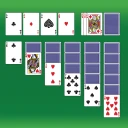
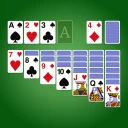
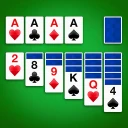
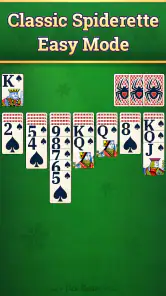
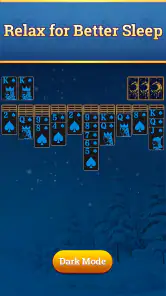
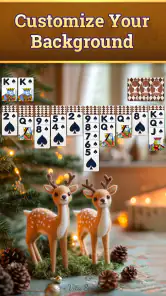
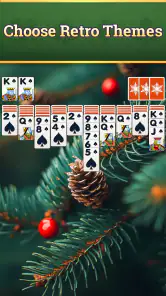
The gameplay is smooth and responsive, which is crucial for a card game. There's nothing more frustrating than lag or delays when you're deep in strategy mode, and thankfully, Vita Spider Solitaire delivers a seamless experience. The graphics are crisp and modern, with a range of themes to choose from, allowing you to personalize your gaming experience.
Those themes are useful as comfort choices, not merely decoration: I’d pick the look that makes card suits and sequences easiest for me to scan, then leave it alone instead of spending time constantly changing the table. In a game that asks me to compare several columns, legibility is more valuable than novelty. The same principle applies to the undo button: use it to check one uncertain move, then decide whether the move helped, rather than backing up repeatedly without learning what changed.
Let's talk about the hints and undo options. They're lifesavers! Sometimes, you just need a little nudge in the right direction, or maybe you've made a move you regret. These features ensure that the game remains enjoyable and not overly frustrating.
For a more deliberate approach, I’d use a hint as a prompt to inspect the board, not as an instruction to tap automatically. Ask what the suggested move reveals or preserves, then compare that with the alternatives you can already see. This turns help into a learning tool and makes it easier to rely on your own judgement later. Undo is most valuable when testing a specific choice; repeatedly reversing several moves can make the game feel like trial and error instead of a puzzle you are solving.
Compared with many casual card games, Spider Solitaire asks for more attention than a simple draw-and-discard round, but it avoids the pace and pressure of competitive card play. That makes it a good match for someone who enjoys planning several moves ahead without needing opponents or a social layer. On the other hand, if you want multiplayer, a constant stream of new mechanics, or a game that rewards fast reactions, this is not the kind of solitaire I’d choose. Its pleasure comes from patiently untangling a tableau, so the same steady rhythm that feels soothing to one player may feel repetitive to another.
How it fits into a daily routine
A realistic use for me would be opening a game after lunch, when I have a little time to reset but do not want to begin something that will take over the rest of the afternoon. I can concentrate on a layout, make a few considered moves, and decide whether I have the attention to continue. The important distinction is that this is not ideal as completely passive background entertainment: keeping track of which columns are open and what a move exposes is part of the appeal.
That makes it a better fit for a quiet break than for a moment when I am walking, juggling conversations, or likely to be interrupted every few seconds. If I do get interrupted, I would return by scanning the board again rather than rushing into the first available move. For players who want a game that can be played while their attention is elsewhere, a very simple matching game may be more convenient. For someone who likes a small, focused problem, this is a more satisfying use of the same spare minutes.
Spider Solitaire also differs from many mobile card games because the challenge is primarily in arranging the cards, not reacting to another player. That makes it a sensible choice if I want a solitary, self-paced activity. It is not the better option for a player who wants conversation, competition, or a different objective each time; a multiplayer card game or a collection of varied puzzles would serve those needs more directly.
Why You'll Love It
Honestly, what makes Vita Spider Solitaire stand out is how it balances traditional gameplay with modern features. It respects the classic roots of Spider Solitaire but isn't afraid to add a little flair. The app is free to download, with some in-app purchases available, which is pretty standard these days. But the best part? You can enjoy a full game without spending a dime.
For month-to-month value, I’d judge it by whether the core card puzzle still feels satisfying after the first burst of curiosity. Difficulty choices give returning players a way to adjust the challenge, while daily challenges provide a small reason to open the game again. Neither changes the basic nature of Spider Solitaire, and that is both its strength and its limit: there is no need to keep up with a complicated system, but players who need major changes in content may eventually want a different game.
One way to keep the game from becoming a rote habit is to give each session a small purpose: practice opening blocked columns, or try to avoid undo unless you have a clear reason to reconsider a move. That gives a familiar format a little variety without pretending it has become a different game. If I notice that I am tapping through moves without thinking, I take that as a sign to stop for the day rather than treating daily play as an obligation.
The maintenance burden is low in the ordinary sense: this is a focused solitaire game, not something that asks me to manage a roster, learn a large collection of systems, or coordinate with other players. I can pick it up for one puzzle and leave it there. The trade-off is that the experience depends on enjoying the same kind of card logic over and over. If I return after a few weeks, I can get back into the rhythm quickly; if I have already tired of Spider Solitaire itself, a new theme or challenge is unlikely to transform it into a different genre.
For someone deciding whether it deserves a regular place on a phone, I’d separate convenience from variety. The familiar rules and focused format make it easy to return to without a long re-entry period. But if your idea of long-term value depends on a steady supply of new modes, stories, or competitive goals, the recurring appeal here may not be enough. It earns space through repeatable, low-pressure play rather than a broad catalogue of experiences.
The free starting point is helpful for making that judgement: you can see whether you enjoy the core puzzle before considering any optional purchases. I would not treat spending as necessary to appreciate the game, and I would decide on purchases only after knowing what, if anything, I personally want from them. The listed age rating is Everyone, which makes the basic game broadly approachable, though a parent should still make their own decision about optional purchases on a device used by a child.
In conclusion, if you're looking for a Solitaire game that offers both nostalgia and innovation, Vita Spider Solitaire is your go-to app. It's perfect for killing time, challenging your brain, or simply relaxing after a long day. Give it a whirl, and you might just find yourself hooked!
Vita Spider Solitaire Frequently Asked Questions
Can I play Vita Spider Solitaire at my own pace, or does it include timed challenges?
Vita Spider Solitaire is presented as a relaxing take on classic Spider Solitaire, so it may appeal if you want a game you can enjoy without pressure. The familiar card-arranging format lets you focus on planning moves and completing a layout at a comfortable pace. If you prefer fast action or competitive challenges, its calm solitaire style may feel more suited to unwinding.
Is Vita Spider Solitaire appropriate for children and families?
Vita Spider Solitaire has an Everyone content rating, and its card-game format may suit a broad range of players. Families can consider it for someone who enjoys classic solitaire and quiet, thoughtful play. As with any mobile game, it is sensible to review the available purchase options and device settings together, particularly when a child will be using the device.
Is Vita Spider Solitaire suitable for seniors or players who prefer larger cards?
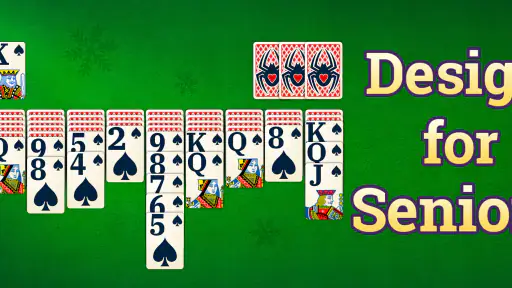
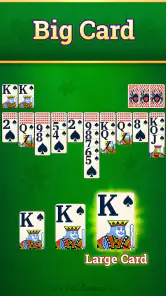
Vita Spider Solitaire is presented as a classic Spider game for seniors, with an emphasis on relaxing play and large cards. That focus may make it appealing if you find standard card layouts difficult to see or prefer a straightforward solitaire experience. As with any game, whether the card display feels comfortable depends on your device and personal preferences.
What kind of game is Vita Spider Solitaire, and who might enjoy it?
Vita Spider Solitaire is a card game based on the classic Spider Solitaire format. It may suit players who enjoy arranging cards, thinking through moves, and taking a quiet break with a familiar solitaire-style game. Its relaxing presentation also makes it an option for casual play, whether you are new to Spider Solitaire or returning to the game.
What is Vita Spider Solitaire and what makes it unique?
Vita Spider Solitaire is a modern adaptation of the classic spider solitaire card game, designed for both Android and iOS devices. What sets it apart from other solitaire apps is its sleek design, intuitive interface, and a variety of customization options. Players can choose different card styles and backgrounds to enhance their gaming experience. Additionally, it offers various difficulty levels to cater to both beginners and seasoned players, making it a versatile choice for solitaire enthusiasts.
Pros
- Smooth gameplay experience
- Multiple difficulty levels
- Attractive user interface
- Offline mode available
- Regular updates
Cons
- Ads can be intrusive
- Limited customization options
- Occasional lag on older devices
- No multiplayer mode
- In-app purchases required for extras
- Category
- Card
- Version
- 1.25.1