Unpacking
- 97.00
- 4.1
- Installs
- 10.00K
- Price
- $9.99

Screenshots

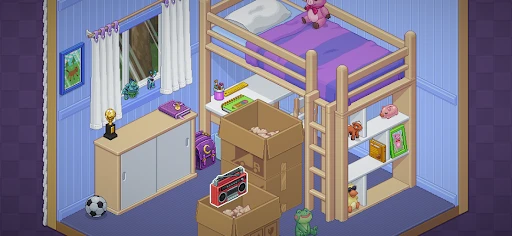
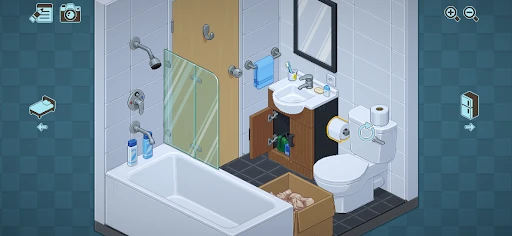
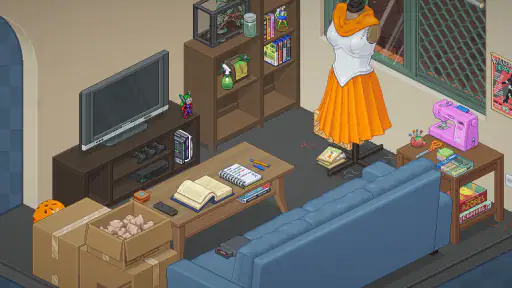
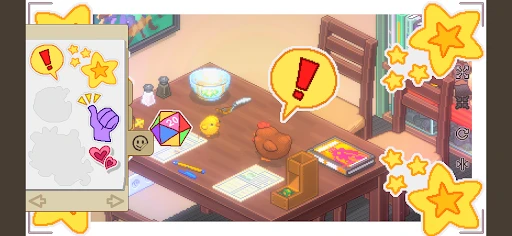

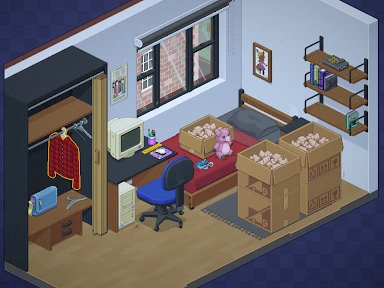
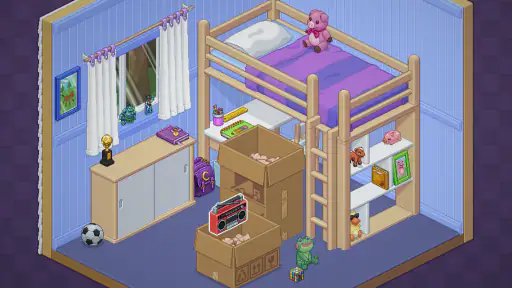
Analysis by Reviewed
I judge a cozy puzzle by what it asks me to do, what its feedback tells me, and whether I feel like returning after I stop. Unpacking makes that loop unusually tangible: I take an object from a box, test a place for it, and watch a room become more settled. There is no race to beat, and the appeal is in the decisions themselves—small choices that gradually suggest a person’s routines and changing circumstances.
Where the first choice leads
When I begin arranging a room, the useful question is not simply “Where can this fit?” but “What would make this space work?” I start with larger belongings or obvious everyday items, then see how much room remains for smaller things. This gives me a practical route into a layout without turning the task into a rigid checklist. If a placement feels wrong, moving the object is part of solving the room, not evidence that I have failed.
That approach is especially handy when several spots seem plausible. I can make a first pass based on function, then step back and consider whether the arrangement feels comfortable as a whole. The second look often matters: a surface that seemed like an easy place for one object may become crowded once the rest of the room takes shape. Thinking in passes helps me avoid getting stuck on a single item too early.
The game suits someone who enjoys noticing small clues more than chasing a score. It is also easy to share informally: one person can suggest a location while another handles the placement, and the discussion can become part of the fun. I would skip it if I wanted fast rounds, strict instructions, or a steady escalation of difficult logic rules. Its quiet, open-ended decisions are the point, but they will not satisfy every puzzle mood.
A gentle routine, not a speed challenge
The first decision in each room is often where to begin: I can unpack one box at a time or scan several objects and plan around the available space. I recommend placing larger items first, since they can help define the room and make smaller choices easier. If an object seems awkward in one spot, moving it elsewhere is part of the process, not a failure. That freedom makes the puzzle feel approachable, though anyone who wants a constant stream of explicit objectives may find the open-ended pace too quiet.
A practical way to play is to stop when a room feels settled rather than trying to optimize every placement. On a tired evening, I might complete a little at a time and let the visual change be the payoff. The game’s slower rhythm also makes it easy to notice details that can be overlooked when rushing: an object’s size, the purpose of a surface, or the way a collection of belongings hints at someone’s habits. This is where the arranging becomes more than tidying.
What the feedback gives you
There is a satisfying rhythm to taking an item from a box, testing a place for it, and seeing the room become more coherent. The response is visual and tactile in spirit: each placement contributes to a space you can read more easily. I enjoy that the game does not need dialogue to make these changes meaningful. Personal objects build context, and the contrast between rooms invites you to notice what has changed without stopping the action for an explanation.
More From Our News Desk

Weather by Xiaomi Review: Clear at a Glance, Less Clear Up Close

X Under Pressure: Can It Recover When Posting Goes Wrong?

Clash of Clans Is Won Between the Battles

Android Auto Makes the Case for Quieter Car Software

MobiOffice: Transforming Mobile Productivity with Seamless Integration

EA SPORTS FC™ Mobile Soccer: Redefining Mobile Sports Gaming
The trade-off is that players who prefer clear instructions or a single obvious solution may feel uncertain. Some objects seem to have more natural homes than others, and working out those relationships is much of the puzzle. I find it helpful to treat a first placement as a suggestion rather than a commitment. If a room looks cluttered or an item feels out of place, a quick rearrangement can reveal a better layout. The reward is not only finishing a room; it is seeing the space and its story click together.
The Art of Unpacking
At its core, Unpacking is a zen puzzle game that revolves around the simple yet satisfying task of unpacking boxes and arranging items in a new home. Sounds mundane, right? But that's where its charm lies. Each level represents a different stage in the protagonist’s life, and as you unpack, you uncover the story of the character's journey through the years. It’s a delightful mix of discovery and nostalgia, as you connect with the character without a single line of dialogue.
Gameplay and Mechanics
The gameplay mechanics are straightforward. You drag and drop items from boxes into their rightful place within the room. However, the challenge lies in figuring out where each item belongs. There's no strict right or wrong way, but some items clearly belong in specific spots, and part of the fun is finding that perfect place for them. It's a game that requires patience and attention to detail, rewarding players with a sense of accomplishment as rooms come together.
What’s truly captivating is the way the game uses this simple mechanic to tell a deeper story. Each item you unpack is a piece of a larger puzzle, providing hints about the character's personality, interests, and life changes. It’s a subtle narrative technique that feels incredibly personal and engaging.
Arranging Around the Story
One useful way to approach a room is to think about function before decoration. I look for a sensible place for the items I will recognize as everyday belongings, then use the remaining space to make the room feel personal. This is not a requirement to play “correctly”; it simply gives me a starting point when several placements seem plausible. A second pass is worthwhile because a layout that works item by item may feel crowded once the whole room is visible.
The game also rewards a slower second look. Rather than treating every object as an isolated placement problem, I consider what its presence alongside other belongings suggests about the person who owns it. That little shift makes the environmental storytelling easier to appreciate, and it gives each room a distinct character. If you mostly want a puzzle with a score to chase or a timer to beat, this reflective approach may not be your preferred kind of challenge.
Reading the room without turning it into homework
I find it useful to alternate between practical sorting and curiosity. First, I give obvious belongings a workable home; then I look at what remains and ask whether the objects make more sense together than apart. This is a low-pressure way to notice details without trying to decode every item as a clue. The narrative works best when I let it emerge from the arrangement rather than pausing to force a theory onto each object.
That distinction also helps explain why the game feels different from a conventional logic puzzle. A grid puzzle usually narrows the possibilities through explicit rules, while a decorating game may ask me to chase a target look. Here, the satisfaction is more personal: I make a room functional, notice what the belongings imply, and decide when the result feels right. If I need an unmistakable “correct answer” after every move, that softer standard can feel less rewarding.
Aesthetic Appeal
Visually, Unpacking is a treat for the eyes. It features charming pixel art that is both colorful and detailed. The sound design complements the visuals perfectly, with soothing background music and satisfying sound effects that enhance the overall experience. The minimalist design and relaxing soundtrack create an immersive environment that encourages players to unwind and enjoy the process.
That calm presentation is a genuine strength, but it also shapes when I would choose the game. It fits a short pause when I want to focus on one contained space, or a longer quiet session when I have the patience to absorb the story. It is less suitable for a commute or waiting room if I expect interruptions to make me lose my place or if I want a game built around brief, high-energy rounds. Its appeal comes from settling into a room, not from constant novelty.
Choosing a good moment to play
A realistic use case is a quiet evening when I have a little attention to spare but do not want a demanding game. I can open a room, make a few considered placements, and stop once the space feels more organized. The game’s gentle pace makes that kind of session feel complete without needing a win screen or a competitive result to justify the time. If I am distracted, though, I may enjoy it less: the pleasure depends on noticing how objects relate to the room and to one another.
For the same reason, I would not treat it as my default choice for every spare minute. A quick arcade game is a better fit when I want immediate action, and a more rule-driven puzzle is better when I want to test a precise solution. This one occupies a narrower but appealing lane: it gives me a calm task, a readable change in the space, and a story I can infer at my own pace.
Who It Suits and What It Costs
Developed by Humble Games, this paid puzzle game is rated Everyone and costs $9.99. It has an average rating of 4.1 from 449 ratings, with 97 reviews and 10K+ installs. Its release date is Aug 14, 2023, and the current version is 1.02, with Android 6.0 as the minimum operating system. I would consider the price in terms of the experience you want: if you enjoy arranging objects and quiet environmental storytelling, that focused identity is the point; if you expect a wide variety of puzzle formats, a free-to-start collection of mini-games may suit you better.
The game is especially appealing if you like noticing small details and prefer gentle progress to competition. It can also work well as a shared activity: one person can suggest where an object might go while another handles the placement, turning the room into a casual conversation about taste and routine. If you are choosing between this and a home-design game, the distinction matters. Design games often emphasize creating a look or following a brief; here, the pleasure is in unpacking belongings and reading the life suggested by them. For a more abstract logic challenge, a conventional grid or number puzzle is a better match.
What the asking price means in practice
Because this is a paid game rather than a free sampler of puzzle types, I would decide based on whether the central activity genuinely appeals to me. The value is not in variety for its own sake; it is in spending time with this particular kind of arranging and storytelling. If I already know that sorting objects feels soothing, the focused design is a reason to consider it. If I tend to abandon games that do not quickly introduce new mechanics, I would be cautious, since the appeal depends on noticing fresh meaning in familiar actions.
The Everyone age rating makes the theme approachable for a broad audience, but the strongest fit still depends on taste rather than age. Someone who enjoys talking through room layouts may find it a pleasant shared activity, while a player looking for competition or a demanding test may be better served elsewhere. The average rating is 4.1, which gives a useful snapshot of its reception, but I would give more weight to whether its patient, detail-focused loop sounds enjoyable to me.
When to Pick It Up Again
The session reset is simple: when I finish a space, I can step away with a clear sense of completion, then return when I want another quiet puzzle and another glimpse into the unfolding story. That makes it easy to fit around an ordinary evening without needing to turn the game into a long commitment. I would not recommend it to someone who needs a strong competitive loop, constant new mechanics, or precise instructions for every decision. But if placing objects thoughtfully is part of the fun, the next box gives you a natural reason to begin again.
Why You Should Try It
If you’re looking for a game that offers more than just mindless entertainment, Unpacking is worth checking out. It’s perfect for those who appreciate games with a story to tell and for anyone who loves the satisfaction of organization. Plus, it's a great way to relax and de-stress after a long day.
In summary, Unpacking is a unique and engaging game that successfully combines the joy of organizing with a compelling narrative. Whether you're a hardcore gamer or someone who picks up a game just to pass the time, this app has something to offer. So why not give it a try and see where the story takes you?
Unpacking Frequently Asked Questions
What kind of game is Unpacking, and what makes its puzzles different?
Unpacking is a puzzle game built around the calm, hands-on task of taking belongings out of boxes and finding a place for them in a home. Rather than focusing on quick reactions, its puzzles ask you to consider how objects fit into each room and living space. The appeal comes from combining gentle organization with a story told through the belongings and their surroundings.
What is Unpacking and what is its main objective?
Unpacking is a zen puzzle game that revolves around the satisfying task of unpacking boxes and arranging belongings in a new home. The main objective is to find a suitable place for each item in various rooms while uncovering a personal story through the items and environments. It's a meditative game that combines elements of home decoration and storytelling without any stressful time limits.
On which platforms is Unpacking available?
Unpacking is available on multiple platforms, including Nintendo Switch, PC, and now on mobile devices such as Android and iOS. This widespread availability allows players to enjoy the game on their preferred device, whether they prefer a console, computer, or mobile gaming experience. Make sure to check the compatibility of your device before downloading. On Android, the listed minimum operating system is 6.0, so check that your device meets this requirement.
How much does Unpacking cost on mobile?
Unpacking is a paid game priced at $9.99. This is worth considering before downloading, particularly if you usually prefer free-to-play titles. The purchase provides access to the game as a premium experience, so you can focus on unpacking and arranging belongings rather than treating the game as an ongoing series of free sessions with optional purchases.
Does Unpacking have in-app purchases or ads?
Unpacking provides a premium gaming experience without any in-app purchases or ads. Once you purchase the game, you get full access to all its content and features. This approach ensures an uninterrupted and immersive gameplay experience, allowing players to fully engage with the storytelling and puzzle-solving aspects of the game.
Pros
- Simple yet visually appealing graphics.
- Relaxing and stress-free gameplay.
- Engaging puzzle-solving mechanics.
- Intuitive drag-and-drop controls.
- Suitable for all age groups.
Cons
- Limited replay value after completion.
- No multiplayer or social features.
- Can be repetitive over time.
- Lacks a storyline or narrative.
- Requires patience for slow progression.
- Category
- Puzzle
- Version
- 1.02