Slay the Spire
- 3.72K
- 4.5
- Installs
- 500.00K
- Price
- $9.99

Screenshots
Analysis by Reviewed
I judge a card game like this by how much meaningful choice it gives me, whether I can enjoy a run in short stretches, and how it handles failure. Slay the Spire suits players who like weighing risks rather than simply collecting powerful cards: each climb asks me to make decisions with incomplete information, then live with the deck I have built. Humble Games developed this paid card game, and its average rating of 4.5 from around 24,000 ratings suggests it has found a sizeable audience. It costs $9.99, is rated Everyone 10+, and has attracted over 500,000 installs.
Deciding whether its style fits
The key question for me is whether you enjoy making small strategic decisions repeatedly, including when none of the available choices is perfect. The game asks you to build a deck as you progress, then use that deck to handle the challenges ahead. That makes each choice feel connected to the next: a card that looks useful now may not fit the direction your deck is taking, while passing on an appealing option can keep your plan focused.
It is a strong match for someone who likes learning systems through play. You do not need to know the ideal choices before beginning; part of the pleasure is discovering which combinations make sense and which leave you short of good options. I would approach the first few runs with curiosity rather than a goal of winning every time. If you find trial and error frustrating, though, a more predictable card game may be a better use of your time.
A realistic everyday use is a quiet break when you have enough attention to read cards and think through a turn. I would not choose it for a moment when I am half-watching something else, because the decisions are the main event. If I had only a little time, I would make progress at my own pace rather than assuming a run must be finished in one sitting. The game’s appeal comes from the choices along the way, not from rushing to the end.
What a run asks of you
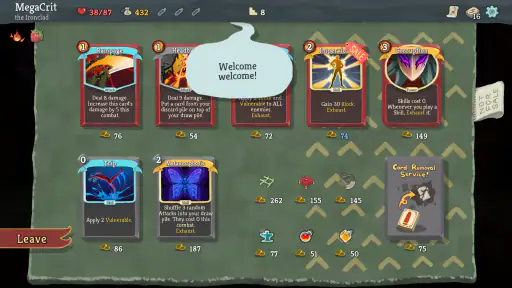
The important choice is not just which card looks strongest. A card can be excellent in one deck and awkward in another, so I try to build around a plan instead of taking every tempting reward. Keeping a deck focused can make later turns easier to read; adding cards indiscriminately may leave me drawing options that do not work well together. That trade-off is a big part of the appeal, but it also means a promising start does not guarantee a smooth finish.
A practical way to approach a first session is to treat each run as a lesson, not a test you must pass. After a difficult fight, I look at which turns left me exposed and whether I had added cards that rarely helped. This small habit makes the game’s strategic choices easier to understand without needing to memorize everything before starting. It is also a good fit for someone who enjoys learning through experimentation rather than following a fixed guide.
The Addictive Gameplay
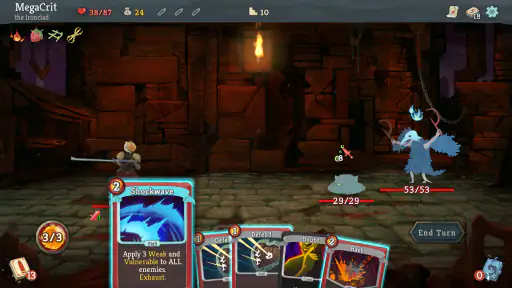
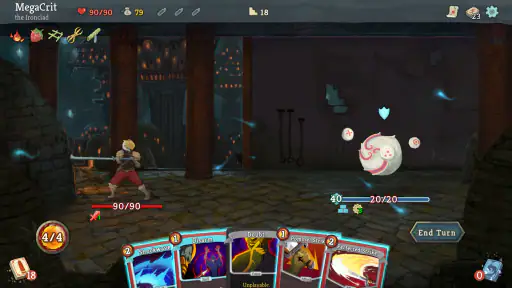
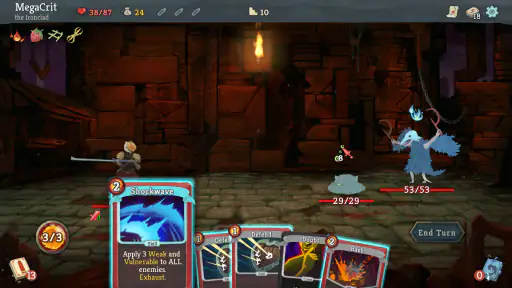
At its core, Slay the Spire is a deck-building game. You start with a basic deck of cards, and as you progress, you collect new cards to enhance your deck. The goal is to ascend the spire, battling enemies and bosses along the way. What I love about the game is the strategic depth it offers. Each run is different, and the game constantly challenges you to adapt and think on your feet.
More From Our News Desk

Weather by Xiaomi Review: Clear at a Glance, Less Clear Up Close

X Under Pressure: Can It Recover When Posting Goes Wrong?

Clash of Clans Is Won Between the Battles

Android Auto Makes the Case for Quieter Car Software

MobiOffice: Transforming Mobile Productivity with Seamless Integration

EA SPORTS FC™ Mobile Soccer: Redefining Mobile Sports Gaming
Unique Mechanics
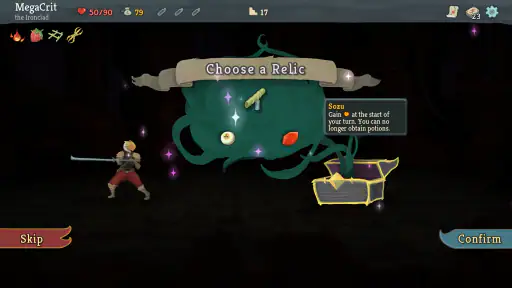
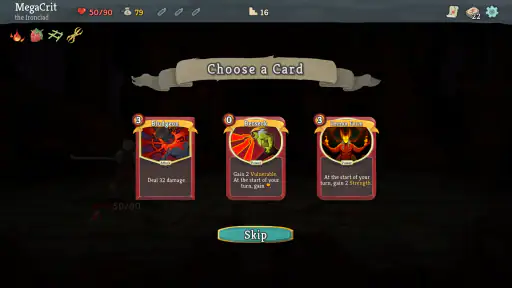
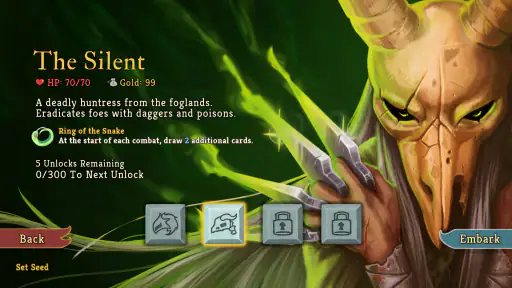
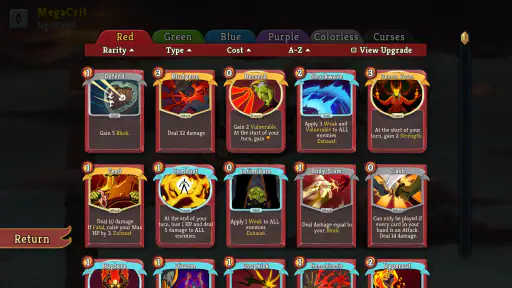
One of the standout features is the unique mechanics it introduces. You're not just playing cards; you're planning, strategizing, and sometimes gambling with your choices. You'll find relics that give you special abilities, and each character you can play has its own set of cards and strategies, adding a layer of complexity and replayability.
That variety gives me a reason to change my approach between runs, but it also creates a learning curve: unfamiliar cards and relic effects can make a choice hard to judge at first. I get more from pausing to read what an effect actually does than from rushing through a reward screen. If you prefer a card game where you can settle on one reliable build and repeat it with little variation, this constant reassessment may feel tiring rather than exciting.
Making better choices without turning it into homework
One useful habit is to ask what a new card will contribute to the deck I already have, rather than judging it in isolation. If I have a clear direction, I can look for cards that strengthen it; if the deck is still uncertain, I can favor choices that remain useful in more than one situation. This is not a guaranteed recipe for success, but it gives each reward a purpose and helps avoid a deck crowded with cards I picked only because they sounded powerful.
I also try not to treat every run as a puzzle with one correct route. The uncertain choices are part of the experience, and a decision that seemed sensible can still lead to trouble later. When that happens, reviewing the point where my plan stopped working is more useful than blaming luck alone. The balance between planning and adapting is what makes the game satisfying for me, but players who want full control over outcomes may find it an irritating bargain.
Engaging Visuals and Sound
Visually, the game is charming with its quirky art style. The animations are smooth, and the design perfectly complements the game's theme. The soundtrack is another highlight, offering an immersive experience that pulls you into the spire's mysterious world. It's one of those games where the audio and visuals work in harmony to enhance the overall experience.
On a normal day, I can see myself starting a run during a quiet break, then returning to it when I have enough attention for another stretch. The decisions are the reason to play, so this is not my pick when I want a game I can tap through while distracted. In a noisy setting, the music is less essential than the card text and choices; I can still focus on the tactical side without treating the soundtrack as a requirement.
Replayability
If you're anything like me, you love a game that keeps you coming back. Slay the Spire excels in this department. With its procedurally generated levels, every playthrough offers a fresh challenge. Plus, the different characters and card combinations mean no two runs are ever the same. It’s like a new game every time you hit start!
What replay value means in practice
The changing runs make this a game I can return to without needing to preserve one perfect strategy. A plan that works in one climb may not be available or sensible in the next, so replaying is less about repeating a solved sequence and more about responding to what turns up. That is rewarding if you like adapting, though it can also mean a session feels uneven: a clever start can still become a difficult run, and an early setback does not always have a neat recovery.
For a new player, I would focus on understanding one decision at a time instead of trying to learn every character, card, and relic immediately. Reading the effects carefully is a better first step than memorizing a long list of recommendations. As you become more familiar with the choices, you can recognize when an option supports your deck and when it is merely attractive on its own. This approach keeps the learning process practical and makes losses feel less opaque.
How it compares with other card games
Compared with collectible-card games built around assembling a collection or competing against other people, this is a better choice when I want a solo challenge focused on adapting during a run. It also differs from simpler casual card games: there is more planning and more room to learn from a bad decision. If your main goal is quick, low-effort rounds, a lighter card game may suit you better; if you want head-to-head competition, choose a game designed around that instead.
The mobile version runs on Android 5.1 or later, and its current version is 2.3.15. Since this is a paid game, I would decide based on whether the repeated run-based decisions sound enjoyable, rather than expecting a brief novelty to justify the purchase. The cost of switching from another card game is mostly a change in mindset: here, I focus less on building a permanent collection and more on making the best of each climb. Players who enjoy that reset-and-rethink rhythm will find the price easier to justify than those who want an ongoing competitive routine.
Choosing between this and a different kind of card game
If your favorite part of card games is collecting cards over time, refining a persistent deck, or testing it against human opponents, those goals point toward a different style of game. This one is more compelling when you want the challenge contained within each climb: choices are made in context, and adapting to the current run matters more than pursuing a permanent collection. That distinction is worth weighing before paying, because the game’s central pleasure is also its main limitation for players seeking a continuing competitive scene.
It is also less suited to someone who wants a card game to serve as background entertainment. The choices reward attention, and a quick, automatic approach can make the strategic layer feel less satisfying. I would pick a simpler casual option when I want to play without much thought, and a direct multiplayer option when the social contest is the point. I would choose this when I want a solo strategy challenge where a loss can prompt me to rethink how I built the deck.
Who I would recommend it to
I’d recommend it to anyone who enjoys tactical card play, experimentation, and the feeling that a loss can still teach you something useful. It is especially rewarding if you like spotting why a deck worked, or failed, and then trying a different plan. I would steer away from it if you dislike restarting after setbacks, want a purely relaxing game with little decision-making, or prefer direct competition with other players. Those preferences are not flaws; they simply point toward a different kind of card game.
For a first session, I would set aside enough attention to read the choices instead of playing on autopilot. When a run goes badly, take a moment to identify whether the trouble came from a poor fit between cards or from a decision made under pressure. That reflection is a low-effort way to get more from the game without turning it into a study project. If even that kind of review feels like work, the game’s learning curve may not be a good match.
Price, commitment, and the final call
Because this is a paid game, the most useful question is whether its central loop sounds appealing beyond the first few attempts. The price makes more sense to me if you enjoy experimenting and expect to return for different runs; it is harder to justify if you mainly want a brief diversion or a game that offers social competition. Its Everyone 10+ age rating is another practical point for households choosing a game, while the Android minimum of 5.1 gives older compatible devices a path to play.
In conclusion, if you're on the hunt for a game that combines strategy, luck, and a bit of roguelike challenge, this is the game for you. It’s easy to pick up but hard to master, and it’s perfect for those moments when you just want to escape into a world of cards and strategy. Give it a try, and you might just find yourself climbing the spire over and over again!
Slay the Spire Frequently Asked Questions
Is Slay the Spire suitable for someone new to deck-building games?
Yes. Slay the Spire is easy to understand at a basic level: you play cards to fight enemies and gradually shape a deck to suit your approach. Its strategic decisions become more demanding as you progress, so newcomers may need time to learn how cards and relics work together. The turn-based battles let you think through each move rather than react quickly.
Does Slay the Spire have an age rating, and is it appropriate for younger players?
Slay the Spire is rated Everyone 10+, which can help families decide whether it is a suitable choice. Its card battles and strategy are central to the experience, so it may appeal to players who enjoy planning and turn-based combat. Parents and guardians can use the age rating as a starting point when considering the game for a younger player.
How much does Slay the Spire cost, and is it free to download?
Slay the Spire is a paid game rather than a free download, with a listed price of $9.99. It is designed as a complete premium experience, so you can weigh the upfront cost against its strategic card battles and the variety of decisions across runs. Check the relevant app store before purchasing, since prices and availability can vary by region.
Can I play Slay the Spire in short sessions?
The turn-based format makes it possible to pause between decisions and pick up a run when you have time. However, a run involves a sequence of battles and choices, so the game can also reward settling in for a longer session. Its single-player structure is convenient when you want to play at your own pace, without coordinating with other players.
What kind of choices do I make during a run?
You make decisions both in combat and as you move through the spire. In fights, you choose which cards to play and how to manage your resources; between encounters, you decide how to develop your deck and respond to what the run presents. These choices shape your strategy, making careful planning an important part of the experience rather than relying only on luck.
Pros
- Unique blend of card-based strategy and roguelike elements.
- Highly replayable with different character classes.
- Challenging gameplay that rewards strategic thinking.
- Rich variety of cards and relics to discover.
- Well-designed and immersive visual style.
Cons
- Can be frustratingly difficult for beginners.
- Limited storyline and narrative depth.
- Somewhat repetitive after many playthroughs.
- Luck factor can affect game outcomes.
- Requires significant time investment to master.
- Category
- Card
- Version
- 2.3.15