The Abandoned Planet
- 99.00
- 4.1
- Installs
- 100.00K
- Price
- Free

Screenshots
Analysis by Reviewed
Before you begin, it helps to know what kind of adventure you are choosing: The Abandoned Planet is a retro-inspired, pixel-art point-and-click game, not a fast action game. I’d recommend it if you enjoy taking your time, looking closely at a scene, and working out what to do next. Its quiet, exploratory premise is a better fit for a relaxed evening than for a quick burst of combat or a game that constantly tells you where to go.
What to expect from this kind of adventure
The appeal of a point-and-click adventure is the satisfaction of noticing a detail that matters. Rather than relying on quick reflexes, I approached each location by surveying it carefully and considering how its objects and clues might connect. That makes the game a natural choice for players who like exploration and puzzle-solving, but it may feel slow if you prefer constant movement, clear action objectives, or competitive play.
Snapbreak developed the game, which is free to start and rated for Everyone. It has an average rating of 4.1 from around 2,400 ratings, and more than 100,000 installs. The current version is 1.2.5, with a minimum operating-system requirement of 10. Optional in-app purchases are listed at $4.99 to $6.99 per item, so I’d treat the free download as a way to see whether its pace and style suit you before deciding whether to spend anything.
Explore the Enigmatic Universe
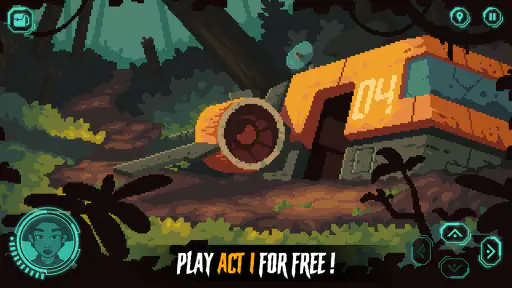
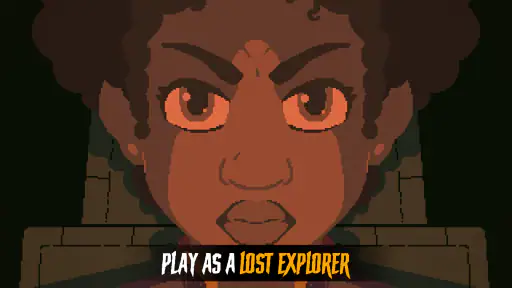
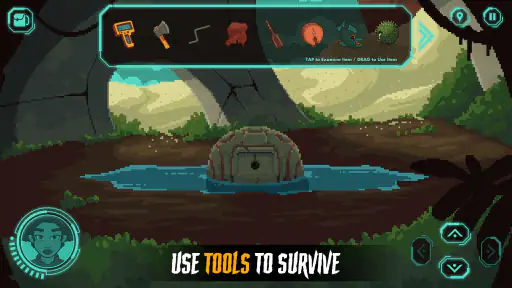
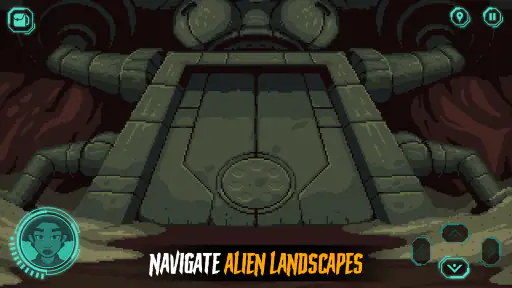
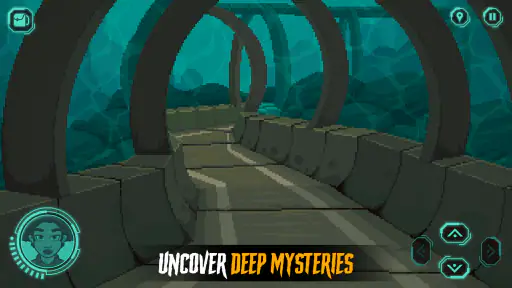
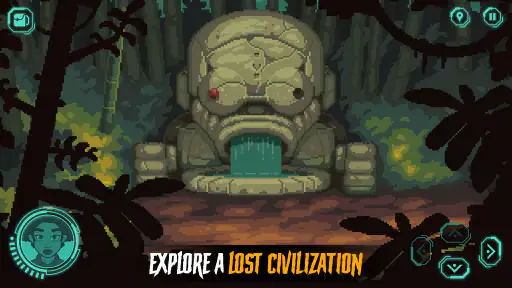
In The Abandoned Planet, you step into the shoes of a lone astronaut exploring a mysterious and deserted planet in a faraway galaxy. As you navigate through the eerie landscapes and abandoned facilities, you’ll uncover secrets that will keep you on the edge of your seat. The graphics are simply stunning, with every detail meticulously crafted to create an immersive experience. It’s like you’re actually walking on the sandy surface of an alien world!
Getting started without overthinking it
On your first visit to a scene, give yourself a moment to take in the whole screen before tapping around. In a point-and-click game, a small object or visual change can be easy to overlook when you rush. I’d make a slow pass across the environment, then revisit anything that seems unusual after learning more. This simple habit helps turn early exploration into a useful routine, rather than a string of random taps.
A good first-session goal is not to race through the story but to understand how the game communicates its clues. When you find something that appears significant, pause and consider where it might fit instead of immediately trying every possible interaction. That approach is especially helpful if you play in short sessions: you can leave yourself a mental note about the location or clue that has you thinking, then return with a clearer idea of what to test.
Engaging Storyline and Gameplay
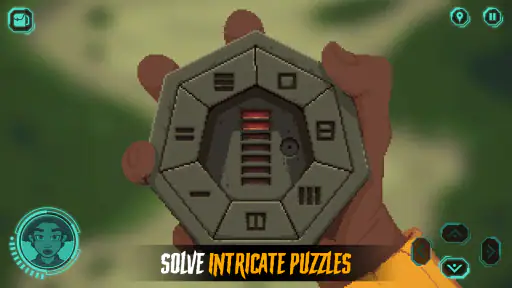
The storyline is gripping and full of unexpected twists that will leave you craving for more. As you delve deeper into the game, you’ll encounter a variety of challenges that will test your problem-solving skills and reflexes. From solving intricate puzzles to battling hostile alien creatures, there’s never a dull moment in this game. I found myself completely engrossed, eager to uncover the next piece of the puzzle.
More From Our News Desk

Weather by Xiaomi Review: Clear at a Glance, Less Clear Up Close

X Under Pressure: Can It Recover When Posting Goes Wrong?

Clash of Clans Is Won Between the Battles

Android Auto Makes the Case for Quieter Car Software

MobiOffice: Transforming Mobile Productivity with Seamless Integration

EA SPORTS FC™ Mobile Soccer: Redefining Mobile Sports Gaming
One practical trade-off with this style of play is that progress can depend on noticing the right detail, so a puzzle may briefly stall you even when you understand the story. If that happens, I’d revisit the places you have already explored and think about what you learned most recently. A short break can also help; returning with fresh eyes is often more satisfying than tapping everywhere in frustration. Players who want automatic quest markers or a steady stream of obvious objectives may prefer a more guided adventure.
Making the most of a short play session
This is the sort of game I’d choose for a quiet stretch at home or a commute where I can give the screen my attention. For example, after dinner, I might explore one area, take in its details, and stop once I reach a natural point to think about what I’ve found. The measured pace makes that more appealing than starting a reflex-heavy game when I only have a little time. If you play while distracted, though, it is easier to miss a clue and forget why a location seemed important.
Compared with action-led adventure games, the point-and-click format puts more weight on observation and inference than timing. Compared with minimalist puzzle games, the draw here is the sense of a larger science-fiction journey rather than solving isolated brainteasers. That distinction matters: choose this if you want exploration wrapped around puzzles, but look elsewhere if you mainly want quick levels, frequent action, or a purely abstract challenge.
Immersive Soundtrack and Atmosphere
One of the standout features of this game is its incredible soundtrack. The haunting melodies and ambient sounds perfectly complement the desolate environment, enhancing the overall experience. The developers have done an outstanding job in creating an atmosphere that draws you in and makes you feel like you’re truly exploring an alien world.
The atmosphere is best enjoyed when you can focus on the scene instead of treating each screen as a checklist. I found that lingering briefly after entering a new place made its mood part of the appeal, while also giving me time to notice details before deciding what to investigate. If you usually play with sound off, the visuals and exploration can still be the focus, but the quieter, more absorbing experience is a reason to play somewhere you can listen comfortably.
Additionally, the intuitive controls make the gameplay smooth and enjoyable. Whether you’re a seasoned gamer or a casual player, you’ll find the controls easy to master, allowing you to focus on the adventure at hand. I must say, the attention to detail in the game mechanics is commendable!
Who will enjoy it—and who may want something else
I’d point a first-time player toward this game if they like science-fiction settings, careful exploration, and the small reward of connecting a clue to a place they saw earlier. It is also a reasonable option for someone curious about point-and-click adventures who wants to try one without paying upfront. The Everyone rating makes it broadly accessible, though the deliberate puzzle pace still depends on personal taste rather than age.
I would skip it if you need a game that works well in constant interruptions, expect combat to drive every session, or dislike pausing to think through a puzzle. The listed optional purchases are another reason to decide at your own pace: you can begin with the free game and consider any purchase only if you are enjoying the experience. On Android, check that your device meets the minimum OS requirement before installing; the version currently listed is 1.2.5.
A few useful habits for puzzle progress
When I’m unsure what to do next, I find it more useful to change the question than to repeat the same taps. Instead of asking, “What can I click here?”, I ask what I learned in the last scene and whether that changes how I should read this one. This keeps exploration purposeful and reduces the chance of turning a thoughtful puzzle into trial and error. If a detail seems decorative, I still remember its location; the significance of a visual clue may become clearer only after another discovery.
For a short session, I’d stop after a meaningful discovery rather than in the middle of testing an idea. Before putting the game down, I make a quick note to myself about the place I was exploring and the clue I was considering. That small routine is especially handy if you return the next day: it avoids spending the opening minutes retracing your thought process. It is not a substitute for an in-game journal, but it works well for players who enjoy keeping their own thread of reasoning.
Choosing the right moment to play
A realistic fit is a quiet half-hour at home when you can give the screen your attention, perhaps after chores or before bed. You can explore at your own pace without needing to warm up for a demanding action sequence, but the game still asks you to stay mentally present. On a noisy commute or while waiting for several interruptions, I’d be more cautious: you can make progress, yet losing track of a clue may make the next visit feel less smooth.
That trade-off also helps answer whether it suits younger or less experienced players. The Everyone age rating is reassuring for broad accessibility, and the point-and-click format does not ask for reflex mastery. Still, a player who wants explicit directions or quick rewards may need patience with the process of inspecting, remembering, and connecting clues. I’d introduce it as a calm exploration game, not promise that every puzzle will be immediately obvious.
How it fits beside other adventure games
Among adventure games, this sits closer to the classic screen-by-screen puzzle journey than to an open-ended world built around combat or constant character movement. That makes it appealing if you enjoy examining a setting and using what you notice, but it is a less natural choice if you want broad freedom to roam or a stream of action. A conventional action adventure is better for players who want immediate momentum; a compact puzzle game is better if they want challenges without a continuing science-fiction setting.
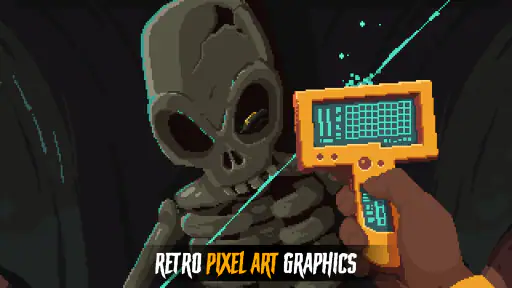
The pixel-art presentation also sets a different expectation from cinematic, realistic adventures. I would approach it for its readable scenes and retro mood rather than expecting visual spectacle in the modern blockbuster sense. The style works with the lonely planetary setting, but anyone who prefers photorealistic environments may not connect with it as quickly. In my view, the strongest reason to try it is the combination of atmosphere and deliberate clue-solving, not technical showmanship.
Free to begin, with sensible spending expectations
Because the game is free to download and has optional purchases, a first-time player can judge the basic pace before spending. I’d avoid treating an in-app purchase as a shortcut to enjoyment: first see whether you like exploring carefully and sitting with a puzzle. Individual items are listed in the $4.99 to $6.99 range, so it is worth checking the purchase details in the store before confirming anything and deciding whether that expense makes sense for you.
The game was released on November 12, 2024, and its listed version is 1.2.5. Those details are useful when checking whether you have the current release, but I would not assume that updating changes the basic style: this remains a measured point-and-click adventure. The rating—4.1 from around 2,400 ratings, alongside 99 written reviews—offers a broad signal of player response, not a guarantee that its puzzle rhythm will suit your taste.
Before you install
On an Android device, the minimum operating-system requirement is version 10, so I’d check that before beginning the download. If the device meets that requirement, the key question is less about performance claims and more about whether you have a comfortable way to play attentively. A larger, easy-to-view screen can make surveying illustrated scenes more pleasant, while playing in a rush can make small visual details easier to miss.
For someone who has never tried a point-and-click game, my practical recommendation is to start with a relaxed first session and set a modest goal: learn how the scenes invite exploration and make one useful connection. You do not need to solve everything at once. If the first puzzle leaves you stuck, revisit what you have seen, try a different line of reasoning, or pause and return later. That gives the game a fair chance to show its appeal without making progress feel like a test.
Overall, The Abandoned Planet is a must-play for anyone who loves exploration and adventure games. With its captivating storyline, stunning visuals, and immersive soundtrack, it offers a gaming experience that’s hard to beat. So, if you’re ready to embark on an unforgettable journey through the cosmos, grab your gear and prepare to explore the unknown. Trust me, you won’t be disappointed!
The Abandoned Planet Frequently Asked Questions
Is The Abandoned Planet suitable for younger players?
The Abandoned Planet has an Everyone content rating, making it suitable for a broad audience, including younger players. It is an adventure game built around exploration and puzzle-solving, with a retro-inspired pixel art presentation. Parents can still review the game’s store page and any platform-specific guidance before downloading, especially if they want to check how in-app purchases are handled on their child’s device.
Who developed The Abandoned Planet, and when was it released?
The Abandoned Planet was developed by Snapbreak and released on November 12, 2024. It is a retro-inspired, pixel art, point and click adventure, so its focus is on exploring the world and interacting with what you find rather than fast-paced action. The game has a current version of 1.2.5, which is useful to check when comparing the installed app with the latest release.
What is The Abandoned Planet about?
The Abandoned Planet is an immersive survival adventure game set in a post-apocalyptic world. Players are tasked with exploring desolate landscapes, scavenging for resources, and solving puzzles to unravel the mystery behind the planet's abandonment. The game combines elements of strategy, exploration, and storytelling to provide a captivating experience for players.
What platforms is The Abandoned Planet available on?
The Abandoned Planet is available for download on both Android and iOS platforms. Users can find the game on the Google Play Store for Android devices and the Apple App Store for iOS devices, ensuring a wide accessibility for mobile gamers.
Are there in-app purchases in The Abandoned Planet?
Yes, The Abandoned Planet offers in-app purchases. While the game itself is free to download and play, players can purchase various in-game items and enhancements to aid their survival and progress through the game. These purchases are optional and not necessary to complete the game, providing a balanced experience for all players.
Pros
- Engaging storyline with unexpected twists.
- High-quality graphics and immersive sound.
- Wide range of challenging missions.
- Offline mode available.
- Regular updates with new content.
Cons
- Requires significant storage space.
- Occasional in-app purchase prompts.
- Can drain battery quickly.
- Limited language support.
- Some missions feel repetitive.
- Category
- Adventure
- Version
- 1.2.5