Lost in Play
- 729.00
- 4.6
- Installs
- 1.00M
- Price
- Free

Screenshots

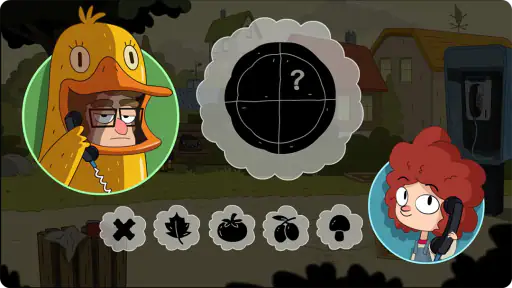
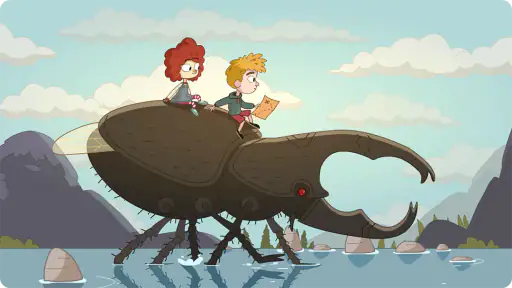
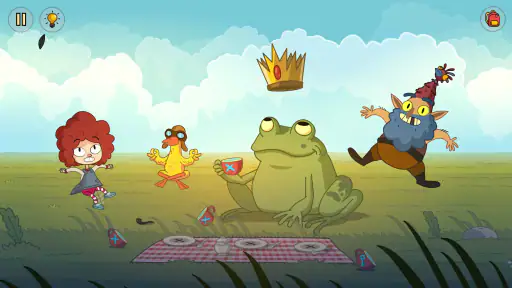
Analysis by Reviewed
I find Lost in Play easiest to appreciate when I treat it as an illustrated adventure rather than a quick puzzle app. Its sibling duo moves through a playful world that invites curiosity, and the appeal comes as much from looking closely as from finding answers. If you enjoy story-driven exploration and solving things at your own pace, it has a distinct charm; if you want constant action or a demanding brain-teaser, it may not be your kind of game.
Choosing the right way to play
I’d think of this as a game for a small pocket of focused downtime, not something to open while juggling messages or waiting for a notification. A realistic fit might be settling in after dinner, playing through a scene, and stopping when you reach a natural pause. That gives the visual clues room to register and makes it easier to return without feeling that you have to rush.
It can also work as a shared-screen activity. One person can point out a curious detail while another decides what to tap, which turns a stuck moment into a conversation rather than a test of who spots the answer first. The trade-off is that people need to agree on the pace: if one player wants to inspect every corner and another wants to move on, the quiet exploratory style can become frustrating. I’d take turns choosing what to try instead of having everyone tap at once.
How its adventure style compares
Among mobile adventures, this leans toward illustrated point-and-click storytelling rather than action, platforming, or a sequence of quick score-chasing puzzles. That distinction matters if you are choosing between it and a game designed for short competitive rounds. Here, the reward is following the siblings through unusual scenes and working out what a situation is asking you to notice; there is less reason to expect a constant stream of timed pressure.
It also differs from puzzle apps that present isolated brainteasers with a clear instruction and a result screen before moving on. The puzzles here belong to a broader journey, so the surrounding characters and setting help establish their mood, even when they do not spell out the solution. I find that more absorbing than a stack of disconnected challenges, but players who mainly want a neat, self-contained logic problem may prefer a dedicated puzzle game.
That comparison suggests a useful choice before installing: pick this when you want a playful narrative and are happy to infer what to do; choose a more explicit puzzle title if you want written rules, a defined difficulty ladder, or a quick challenge that stands alone. Neither approach is better for everyone. The appeal depends on whether you enjoy interpreting a scene as part of the puzzle.
A World of Wonder Awaits
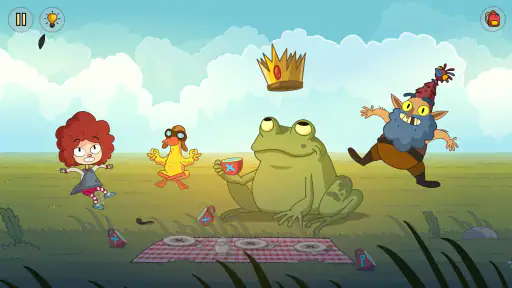
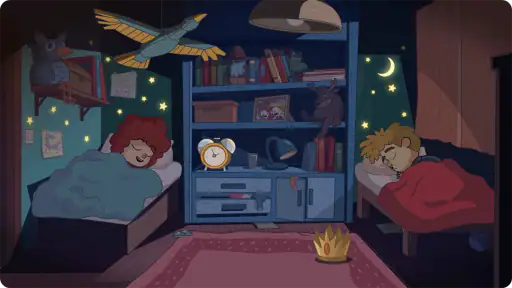
The moment you launch Lost in Play, you're greeted with vibrant, cartoonish graphics that are both charming and endearing. The visuals alone are enough to make you feel like you’ve stepped into a storybook. It’s not just pretty to look at, though. The game is brimming with creativity and offers a fresh, engaging experience that sets it apart from your typical mobile games.
More From Our News Desk

Weather by Xiaomi Review: Clear at a Glance, Less Clear Up Close

X Under Pressure: Can It Recover When Posting Goes Wrong?

Clash of Clans Is Won Between the Battles

Android Auto Makes the Case for Quieter Car Software

MobiOffice: Transforming Mobile Productivity with Seamless Integration

EA SPORTS FC™ Mobile Soccer: Redefining Mobile Sports Gaming
Readability and navigation through a visual world
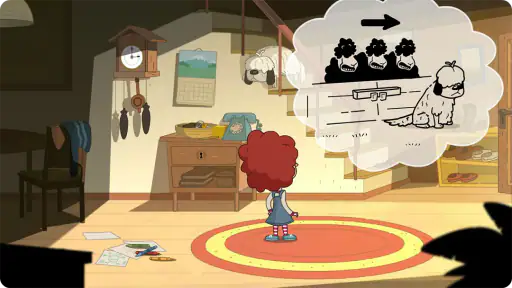
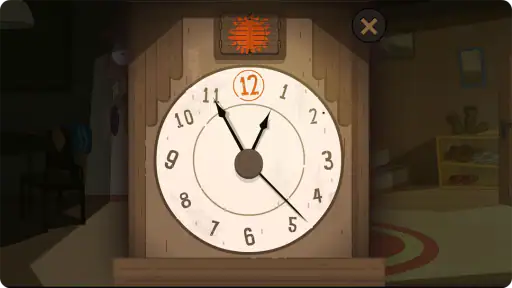
Much of the storytelling is carried by animation and images rather than conventional dialogue, which makes the adventure feel easy to follow across different scenes. I like that this also encourages observation: a small visual detail can suggest where to look or what to try. The trade-off is that players who prefer explicit written instructions may need more patience, especially when a clue is conveyed through a character’s expression or an object’s placement.
For a first-time player, I’d recommend taking a moment to scan each scene before tapping around. That simple habit can make the puzzles feel more deliberate and less like a guessing game. If a screen seems unclear, pausing to notice what has changed after an interaction is often more useful than repeating the same tap everywhere.
Gameplay That Captivates
The gameplay in Lost in Play is a delightful mix of puzzles, adventure, and exploration. You play as a sibling duo who embark on a quest to find their way back home. The puzzles are cleverly designed, often requiring you to think outside the box, which makes each solved puzzle feel incredibly rewarding. It’s like the developers have managed to bottle the essence of childhood imagination and pour it directly into the gameplay.
One of the standout features is the seamless blend of reality and fantasy. One moment you're in a forest, and the next, you’re solving puzzles in a magical realm. The transitions are smooth, making the entire experience feel fluid and cohesive. It’s a testament to how much thought and care has gone into creating this enchanting world.
Motor and sensory considerations
The experience is built around looking, tapping, and thinking through scenes, rather than fast combat or reflex-heavy play. That makes it a gentler fit for someone who wants an adventure without the pressure of split-second inputs. Still, it is not automatically comfortable for everyone: visual puzzles ask for sustained attention, and players who find busy illustrated screens tiring may prefer shorter sessions with breaks.
The sound design adds atmosphere, but the game can still be approached as a visual puzzle adventure. I would not make headphones a requirement; they are a nice way to enjoy the musical details when the setting suits them. In a noisy room, or when playing quietly, the central appeal remains the characters, scenery, and interactions rather than audio alone.
Audio That Enhances the Experience
Let’s not forget about the audio. The sound design in Lost in Play is spot-on. The background music is whimsical and perfectly complements the game’s aesthetic, while the sound effects add a layer of depth to the gameplay. Each interaction feels tactile, thanks to the attention to detail in the audio department.
Whether it’s the rustling of leaves or the magical chimes, the audio in this game enhances the overall experience, drawing you further into its enchanting world. It’s the kind of game where you’ll want to pop in some headphones to fully appreciate the craftsmanship.
Situational access and who will enjoy it
For me, this is a good choice for a calm stretch of time at home: perhaps a relaxed evening when I want to solve one scene, then stop without switching into a competitive match. Its gentle, storybook mood also makes it easier to share the screen with a curious younger player, though I would still let the age guidance shape that choice. The game is rated Everyone 10+, so it is not presented as suitable for every age without qualification.
Compared with action adventures that rely on timing, or puzzle games built around scores and repeated short rounds, this one puts more weight on a continuous journey and its odd, imaginative situations. That is a strength when I want atmosphere and discovery; it is a weaker fit if I’m looking for a daily challenge, a leaderboard chase, or a game I can dip into for a competitive burst. A practical approach is to play when you can give a puzzle a little attention instead of trying to squeeze it into a distracted moment.
What to expect before installing
Snapbreak developed this free adventure, which has a 4.6 average from around 22,000 ratings and more than a million installs. It was released on July 11, 2023, and version 1.0.2043 requires Android 6.0 or later. There are in-app purchases priced at $6.99 per item, so free-to-start does not mean every possible purchase is included in the initial download. I’d check the purchase controls on the device if a child will be playing, and decide beforehand whether optional spending is acceptable.
One useful way to handle a puzzle that stalls you is to separate noticing from experimenting: first look for an unusual object, character reaction, or change in the scene, then try one interaction at a time. That makes it easier to understand why something worked and avoids turning every screen into random tapping. The same method is helpful when playing together, since one person can describe what they notice while the other chooses what to try.
The main limitation is that the experience’s appeal depends on its particular pace and visual style. Players who want detailed written directions, rapid progression, or clearly signposted objectives may find its exploratory approach less comfortable. It is also worth choosing a quiet, focused moment if visual details are easy to miss when multitasking. Those are not reasons to dismiss it, but they help set expectations before starting.
Practical expectations and trade-offs
The game’s free price makes it easy to try without committing to a purchase up front, while the listed in-app purchases are a reason to be deliberate if a shared device is involved. I would treat the purchase prompt as a decision point rather than assuming that every option is necessary to enjoy the adventure. If a child is playing, setting expectations with them before handing over the device can prevent an otherwise calm session from turning into a spending conversation.
Another question worth answering is whether this suits brief play. It can, if you stop at a scene boundary or after making progress on one puzzle, but it is less satisfying when attention is constantly interrupted. If I had only a minute or two, I’d rather leave it closed than rush through the artwork and interactions that make the experience distinctive. A longer, quiet break is a better match.
For someone choosing it for a family member, I’d weigh the age guidance alongside the player’s comfort with visual clues and open-ended experimentation. The gentle presentation may look inviting, but a player who needs direct verbal instructions could still need another person nearby to help interpret what a scene is asking. That kind of shared play can be enjoyable, but it is useful to know the difference between an accessible mood and a universally accessible interface.
Final Thoughts
In conclusion, Lost in Play is a gem in the mobile gaming world. It’s a game that not only entertains but also evokes a sense of nostalgia and wonder. Whether you're a fan of puzzles, adventure, or simply love a good story, this app has something for everyone. It’s more than just a game; it’s an experience that reminds us of the beauty of imagination.
So, if you’re ready to embark on a magical journey filled with whimsy and wonder, Lost in Play is waiting for you. Trust me, this is one adventure you won’t want to miss!
An inclusive verdict
I’d recommend it to players who value visual storytelling, gentle exploration, and puzzles that reward careful attention more than speed. It is a less obvious choice for anyone who needs prominent text directions, finds detailed scenes tiring, or wants action-led play. The colorful presentation and low-pressure style can make it approachable in some situations, but they do not remove every barrier. For me, its best quality is the invitation to look closely and imagine; its main trade-off is that the same quiet, visual approach will not suit every player or every setting.
Lost in Play Frequently Asked Questions
What is Lost in Play about?
Lost in Play is an adventure game about a brother and sister caught up in a fantastical world. The story follows their journey as they encounter imaginative places and characters while trying to find their way home. Its focus on discovery and playful problem-solving makes the adventure suitable for players who enjoy exploring a story as well as tackling puzzles.
Is Lost in Play suitable for playing with children?
Lost in Play has a whimsical, family-friendly style, and its Everyone 10+ content rating gives parents a useful age guide when deciding whether it is right for a child. The adventure is built around imaginative situations and puzzle-solving. Adults and children can enjoy following the siblings’ journey, though parents should consider the rating and their child’s preferences before downloading.
What kind of puzzles can I expect in Lost in Play?
Lost in Play is an adventure game built around solving puzzles and riddles as you follow a journey of discovery. Its challenges are woven into the siblings’ imaginative world, so players can expect to observe their surroundings, work out clues, and try different solutions as they progress. The puzzle-focused approach makes it a good fit for players who enjoy exploring and thinking through playful challenges.
Is Lost in Play free to download, and are there optional purchases?
Lost in Play is free to download, with in-app purchases available at $6.99 per item. The game is designed to deliver its adventure through puzzles and riddles, while purchases may be relevant to players who want to explore available paid options. If you prefer to avoid extra spending, check the purchase controls on your device before playing, especially if a child will be using the game.
What is the main objective of Lost in Play?
Lost in Play is a whimsical puzzle adventure game designed to take players on a magical journey through the imaginations of a brother and sister. The main objective is to guide the siblings through a series of puzzles and challenges, helping them return home after getting lost in their fantastical world. Players will encounter bizarre creatures and magical landscapes, making each level a unique experience.
Pros
- Engaging storyline full of adventure
- Beautifully crafted hand-drawn graphics
- Challenging puzzles to solve
- Suitable for all ages
- Smooth gameplay experience
Cons
- Limited replay value after completion
- Some puzzles may be too difficult for kids
- Requires internet for some features
- Occasional minor bugs
- Soundtrack might not appeal to everyone
- Category
- Adventure
- Version
- 1.0.2043