Sunday City: Life RolePlay
- 2.08K
- 4.5
- Installs
- 5.00M
- Price
- Free

Screenshots


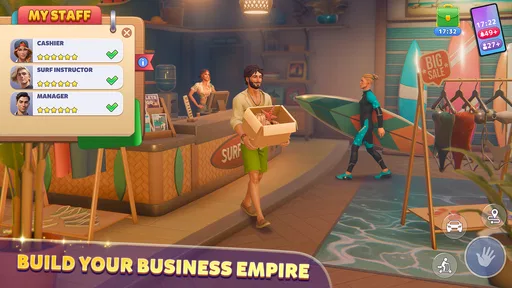





Analysis by Reviewed
I judge a life simulator partly by what it asks of me between the exciting moments: can I tell what to do, keep up with its controls, and enjoy a short session without feeling lost? Sunday City: Life RolePlay sets out to combine an open-world setting with business-building, so it may appeal to players who like shaping a character’s routine as much as chasing a specific objective. My main reservation is that this kind of game can demand attention and repeated input; whether that feels engaging or tiring depends a lot on how you play.
Choosing a goal that fits your time
Before deciding whether to settle into a life simulator, I find it useful to ask what I want from a session: a place to explore, a project that develops over time, or a tightly guided sequence of tasks. Sunday City’s mix of city roaming and business ambition points toward the first two. If you like choosing your own focus, that flexibility can be a draw; if you rely on clear step-by-step direction, it may take more effort to find a comfortable rhythm.
A practical way to test that fit is to start with a small, repeatable plan. On a busy day, I might open the game during a break, choose one activity to investigate, and stop once I have learned enough to continue next time. That gives me a useful sense of the navigation and interaction without turning a short pause into an open-ended commitment. It also helps reveal whether the game feels welcoming in brief visits or works better when I can give it more attention.
Finding your way through a city-life game
As a simulation game from KEFIR!, Sunday City is built around a broader idea than simply completing one fixed sequence of tasks. Its premise invites you to explore and develop a business, which gives different kinds of players a reason to approach the world in their own way. I would go in expecting a game to spend time with, rather than a quick puzzle that can be understood and finished in a single sitting.
The store presentation is brief, and that has one useful consequence: it gives the game room to make exploration part of the appeal. It also means new players should take a little time to learn how the game organizes its goals and interactions instead of assuming every activity will be immediately obvious. In a world-based simulator, a moment spent orienting yourself can prevent aimless wandering later.
My practical suggestion is to treat the opening sessions as familiarization, not a race to progress. Notice which parts of the interface lead you toward activities, which actions you repeat often, and whether the business side or free exploration holds your interest. That small check helps you decide what to prioritize, especially if you only have a few minutes to play at a time.
The game has an average rating of 4.5 from around 65,000 ratings, with roughly 2,100 written reviews and over 5 million installs. Those figures suggest that many people have tried it, but popularity is not a substitute for fit: the useful question is whether you enjoy a simulator that mixes open-world time with the longer arc of building an enterprise.
More From Our News Desk
 Instagram
’s Power Comes From Its Place in Your Phone
A close look at how Instagram turns Meta’s reach, recommendation systems and everyday camera habits into durable platform power—and what that costs users.

 Gmail
Gmail in a Busy Inbox: Who Benefits Most?
From first account to crowded workday, Gmail earns its place through dependable search and flexible sorting—but its best fit depends on how much inbox maintenance you can tolerate.

 Prime Video
Switching to Prime Video: What Changes in Your Viewing Routine
Prime Video can make a compelling second home for streaming, but switching means learning a different catalog, rental layer, and route from browsing to playback.

 Universal TV Remote Control
 Works Best as a Reliable Backup
A phone remote earns its place through quick setup and reliable habits. Here is how to get more from Universal TV Remote Control—and where its limits show.

 Weather - By Xiaomi
Weather by Xiaomi Review: Clear at a Glance, Less Clear Up Close
Xiaomi’s weather app makes everyday forecasts quick to scan, but its calm surface can leave useful details and recovery paths harder to find than they should be.

 X
X Under Pressure: Can It Recover When Posting Goes Wrong?
A resilience-focused review of X, examining setup, mistaken posts, interruptions, weak connections, and the gaps that matter when recovery needs to be dependable.
Latest News



Readability and navigation in practice
For readability, I would pay attention to how comfortably you can follow the game’s prompts and distinguish the information you need while moving around. A city environment can place several things on screen at once, and that can make quick decisions harder for anyone who prefers a calm, uncluttered presentation. If you find yourself squinting or repeatedly stopping to work out where to go, that is a meaningful drawback rather than a minor annoyance.
A helpful routine is to choose one goal before entering a session. For example, you might spend that visit learning the route to a particular activity or focusing on the business side, rather than trying to explore every corner and make progress everywhere. This reduces the amount of information you need to hold in mind and makes it easier to resume later.
I also recommend pausing before you commit to a longer stretch of play and checking whether you still understand your immediate objective. That sounds simple, but it is an effective way to keep an open-world game from turning into a string of unrelated errands. If the game’s own cues are not enough for you to remember what you were doing, keep your next goal narrow.
Motor and sensory demands
Open-world play usually asks for a combination of navigation, observation, and interaction. Even without assuming anything about specific controls, that mix can be more demanding than a turn-based simulation in which you can consider each choice at leisure. Players who have limited dexterity, fatigue, or difficulty with rapid input should judge the game by how its ordinary movement and interaction feel on their device, not just by whether the premise sounds appealing.
One useful trade-off is to favor deliberate exploration over trying to do everything quickly. Give yourself time to learn the spaces and repeat familiar actions at your own pace. If a session starts to feel physically demanding, stopping after one clear objective is a sensible way to preserve the enjoyable part without forcing a long run.
Sensory comfort is just as personal. A detailed city setting can be absorbing for some players and busy for others, particularly when they are already tired or playing in a distracting environment. I would try a brief first session in a comfortable setting before deciding whether the game is a good fit for longer play. If visual or audio intensity becomes tiring, a quieter moment and a shorter session may help, but players who need very low-stimulation presentation may prefer a slower, less bustling simulation.
When and where it suits a session
Sunday City is free to start, while optional in-app purchases range from $0.99 to $99.99 per item. That wide span is worth keeping in mind before spending: I would first establish whether I enjoy the everyday loop and only then decide whether any purchase makes sense for me. A free entry point makes it easier to try, but it does not mean every optional item will suit every budget.
For an everyday scenario, imagine having a short break between other tasks. Rather than opening the game with a vague plan to “do everything,” pick one manageable aim: explore a part of the city, or make a little progress toward the business you are building. Then stop when that aim is complete. This approach gives a brief session a satisfying shape and makes it easier to return without needing to reconstruct a complicated plan.
For a longer evening session, I would alternate between the two sides of the premise. Spend some time moving through the world, then shift attention to the business goal. That variety can help the game feel less repetitive, though it may not suit someone who wants a tightly scripted story or a clearly bounded match. Compared with narrower business simulators, Sunday City’s open-world identity sounds more exploratory; compared with action-focused city games, its business-building emphasis gives play a longer-term direction.
The game is rated Teen, so families should consider whether that age guidance fits the player and their household expectations. It is available as version 1.14.1 and requires Android 7.1 or later. Those details are practical checks before installing, especially if you are choosing a game for an older device or helping a younger player decide what to try.
Making progress without turning play into a chore
The two-part premise suggests a useful way to avoid getting stuck in one routine: treat exploration as a way to orient yourself and the business goal as a longer-running reason to return. Rather than trying to make equal progress on both every time, I would let the session’s available time decide. A quick visit can be for one focused task; a quieter evening can be for switching between the city and the enterprise side.
This is also a good test for whether the game is holding your interest for the right reasons. If you enjoy noticing new places and choosing what to pursue, open-ended play can feel personal. If you keep opening it only because you feel behind or obligated to finish a list, that is a sign to narrow your goal or take a break. A simulator should give you room to shape a routine, not make every spare moment feel like unfinished work.
Where the experience may still be difficult
The same breadth that makes a life simulator inviting can create friction. When a game combines a world to explore with an ongoing business objective, it can be harder to know which activity deserves attention, particularly for players who prefer clear, immediate instructions. A narrow simulator may be a better choice if you want one well-defined task at a time, while a more structured story game may suit you better if you need a strong narrative guide.
There is also a real difference between a game being free to download and being a comfortable long-term fit. The range of optional purchases means I would make a personal spending boundary before getting invested. If you are choosing for a child or anyone who finds in-game offers difficult to ignore, discuss that boundary in advance rather than relying on enthusiasm in the moment.
Players who need highly adjustable text, simplified controls, or specific sensory options should verify those needs through their own short trial before settling in. I would not assume a game is accessible just because its central idea sounds relaxed. If you cannot comfortably read prompts or manage repeated interactions, the city setting and business goals may not compensate for that barrier.
Who I would recommend it to
I would suggest Sunday City to someone who enjoys inhabiting a game world and likes having a longer project to return to. It is especially promising for players who can make their own fun from exploration rather than waiting for every step to be spelled out. The combination of city roaming and business ambition gives you two different reasons to open the game, which can be welcome when one activity starts to feel stale.
I would be more cautious about recommending it to someone who wants a quiet, low-input experience, needs a highly predictable structure, or dislikes managing optional spending. It may also be a poor match for players who want a self-contained session with a clear finish line. For them, a small-scale management game or a mission-based title is likely to offer a more comfortable rhythm.
My overall view is that Sunday City: Life RolePlay is worth a careful try if its mix of exploration and business-building matches the way you like to play. I would start with a short session, choose one goal, and pay attention to visual comfort, navigation, and how much repeated interaction feels manageable. That gives you a more useful answer than its popularity alone. For players who enjoy an open-ended routine, it could become an appealing place to return to; for those who need calmer presentation or more guided play, another kind of simulation may be the better choice.
An inclusive fit depends on the player
I would not call a game suitable for everyone just because its central idea sounds relaxed. The more useful question is whether its moment-to-moment demands match a player’s vision, stamina, attention, and preferred pace. Someone who likes choosing a personal objective may find the freedom comfortable, while another player may need clearer signposting and fewer competing things to track. A trial session focused on one goal is the most practical way to judge that difference.
For a shared household, it can help to agree on a simple routine before play: decide when to stop, whether purchases are off limits, and what to do if the interface or pace becomes uncomfortable. That conversation is especially useful for younger players and anyone who benefits from predictable boundaries. My verdict is positive but conditional: this is worth trying for players drawn to open-ended city life and long-term business aims, while a quieter, more guided simulation is the kinder choice for people who need lower sensory or motor demands.
Sunday City: Life RolePlay Frequently Asked Questions
What is Sunday City: Life RolePlay?
Sunday City: Life RolePlay is a multiplayer life-simulation game set in a city where players can create a character, explore, and take part in role-play activities. Depending on the features available in your version, you may be able to socialize, customize your appearance, acquire vehicles or property, and pursue different in-game roles. It is best approached as an open-ended social experience rather than a story-driven game with one required objective.
Can I play Sunday City: Life RolePlay with other people?
Yes. The game is designed around a shared online world, so interacting with other players is an important part of the experience. You can meet people while exploring and join role-play situations, but the quality of those interactions depends on who is online and how they choose to play. Because online features require an internet connection, check the game’s permissions and community rules, and avoid sharing personal information with strangers.
Is Sunday City: Life RolePlay free to download and play?
The app may be available to download without an upfront purchase, but that does not necessarily mean every feature or item is free. Like many mobile role-play games, it may offer optional in-app purchases, such as currency, customization items, or other content; the exact offerings can change with updates and by platform or region. Review the store listing and confirm purchase controls before playing, especially if children use the device.
Does Sunday City: Life RolePlay work offline?
You should plan to play Sunday City: Life RolePlay online. Its multiplayer city activities and interactions rely on a connection, so an offline mode may not be available or may provide only limited functionality. A stable Wi-Fi or mobile-data connection can help reduce interruptions, though performance also depends on your device and network. If you are unsure about data use or offline access, check the latest store description and in-game settings before downloading.
What should I check before downloading Sunday City: Life RolePlay?
Check that your phone or tablet meets the current Android or iOS requirements, has enough free storage, and runs a supported operating-system version. The game’s graphics and online activity may perform differently across devices, and updates can change compatibility or storage needs. Also review the age rating, privacy information, permissions, and in-app purchase details on your platform’s official store so you know what to expect before installing.
Pros
- Explore a lively city with plenty of places to visit.
- Customize your character to suit your preferred style.
- Role-play everyday scenarios with other players.
- A range of activities gives sessions variety.
- Free-to-play access makes it easy to try.
Cons
- Requires a stable internet connection for online play.
- Progress may involve repetitive tasks and waiting.
- In-app purchases can offer shortcuts or cosmetic items.
- Busy areas may feel crowded on smaller screens.
- Performance can vary depending on your device.