Skel and Defense
- 8.00
- 4.1
- Installs
- 5.00K
- Price
- $2.49

Screenshots


Analysis by Reviewed
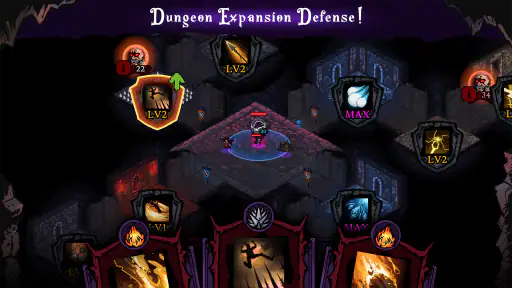
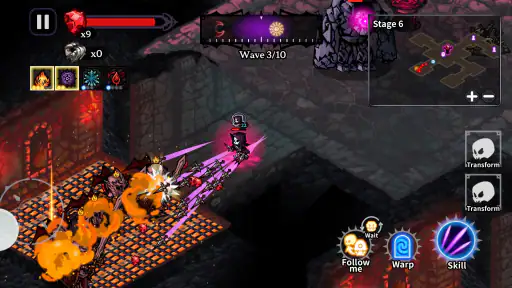
I often reach for a strategy game when I have a short stretch of downtime, but shared phones and tablets can complicate even a simple pick-up-and-play habit. Skel and Defense is a role-playing game from Buff Studio Co.,Ltd. that centers on defending against incoming heroes by shaping a dungeon and placing traps. I find that premise a useful change from the usual tower-defense setup: rather than simply building a line of defenses, you’re thinking about how the space itself can work in your favor.
One device, different play habits
In a household where a device gets passed around, a game like this can suit people who enjoy taking turns thinking through a challenge. One person can make a plan, then hand over the device and see whether someone else would arrange the defenses differently. That kind of informal collaboration is a better fit here than expecting everyone to play at once. I’d treat it as a shared conversation around tactics, not as a game with built-in family coordination tools.
A practical routine is to agree on who is playing before opening the game and to avoid making changes to someone else’s run without asking. That sounds obvious, but strategy games can make a single decision feel personal when another player has invested thought in it. If the device is shared, keeping turns clear also makes it easier to remember what you were trying and whether a new approach actually helped.
A small household routine that helps
For example, one person might play after dinner while another waits for their turn. Before passing over the device, they can say what they changed and what they hope to learn, rather than simply handing it off with no context. The next player can then decide whether to continue that experiment or start a different one. This kind of brief handover matters more in a planning game than in a match that resets completely after each quick round.
I would keep any notes outside the game simple: a short reminder such as “try a different trap placement” is enough. There is no need to turn casual play into homework. The point is to avoid confusing a shared experiment with someone else’s preferred setup, especially if several people are trying to understand why a defense succeeds or struggles.
Immersive Gameplay
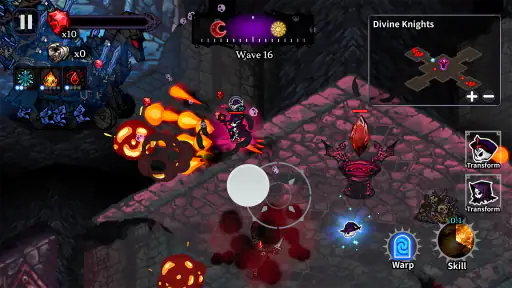
The first thing you’ll notice about Skel and Defense is its stunning graphics and immersive gameplay. As soon as you dive into the game, you’re greeted by vibrant colors and beautifully designed characters that make the whole gaming experience feel like a visual treat. The interface is intuitive and user-friendly, making it easy for anyone to jump right in, whether you’re a seasoned gamer or a newbie.
Planning around the dungeon
What sets this game apart from others in the genre are the strategic elements that it incorporates. You’re not just mindlessly placing towers and hoping for the best. Instead, you need to carefully plan your defenses, taking into account the strengths and weaknesses of each enemy type. Trust me, the sense of satisfaction you get from perfectly executing a strategy is well worth the effort.
More From Our News Desk

Weather by Xiaomi Review: Clear at a Glance, Less Clear Up Close

X Under Pressure: Can It Recover When Posting Goes Wrong?

Clash of Clans Is Won Between the Battles

Android Auto Makes the Case for Quieter Car Software

MobiOffice: Transforming Mobile Productivity with Seamless Integration

EA SPORTS FC™ Mobile Soccer: Redefining Mobile Sports Gaming
For a more deliberate approach, I’d pause before committing to upgrades and ask what problem I’m trying to solve: a weak defense, poor coverage, or a setup that struggles against a particular enemy. That small habit helps make resource choices feel purposeful rather than reactive. It also gives two people sharing a device something concrete to discuss—one can propose a change while the other watches how the plan plays out.
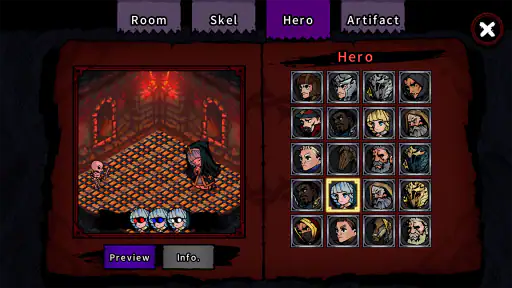
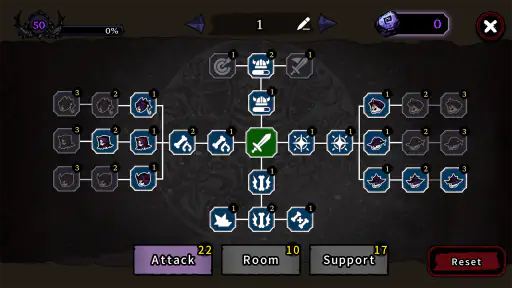
Another cool feature is the ability to customize your towers and units. This means you can tailor your defense strategies according to your play style, giving the game a personal touch. Plus, as you progress, you unlock new abilities and upgrades, keeping the game fresh and challenging.
Making each attempt teach you something
When a layout does not work, I would resist the urge to change everything at once. Try to identify the point where the defense seems weakest, then make one adjustment and see whether it addresses that specific problem. That approach makes a failed attempt useful: you gain a clearer idea of which decision mattered instead of leaving with a vague sense that the whole plan was wrong.
It also helps when you are playing in short bursts. Rather than trying to make rapid progress while distracted, you can focus on one decision and stop when you have reached a natural pause. If you return later, you will have a more specific question to answer. That is a better fit for this game’s tactical premise than tapping through decisions just to fill a spare minute.
What kind of defense game is it?
Compared with a familiar tower-defense game focused on placing structures along a route, this one puts its dungeon-and-trap premise closer to the center of the decision-making. That makes it appealing if you like adapting a layout and considering how enemies will encounter it. If you mainly want a quick reflex challenge, or prefer a defense game where the main pleasure is watching a fixed arrangement do its work, a more conventional alternative may suit you better. Here, the enjoyment depends on wanting to think through the setup rather than treating each stage as background entertainment.
That also makes it a better match for a short session when you can give the game some attention than for playing while distracted by conversation or chores. If you only have a brief wait, I’d use the time to test one idea rather than rush through several decisions. For a relaxed evening, it can be more rewarding to compare approaches with someone else and talk through why a particular arrangement seems promising.
Choosing it over familiar alternatives
The main distinction I would use when deciding between this and another defense game is what you want to spend your attention on. If you enjoy shaping a dungeon and considering how traps fit into your plan, this has a more hands-on planning appeal than a straightforward game built around placing defenses along a route. If you want rounds that feel automatic once you have built a setup, or action that rewards quick reactions more than deliberate choices, another style of defense game is likely a better match.
It is also not the first choice I would make for someone who wants a highly social game on a shared screen. The household use I can recommend is taking turns and talking about tactics, not simultaneous play. That distinction makes expectations clearer: it can prompt a good conversation between turns, but the fun still comes from each player’s own decisions and attention.
Story, sound, and expectations
Unlike many other defense games, Skel and Defense features a compelling storyline that keeps you engaged throughout. You’re not just defending against random waves of enemies; you’re part of a larger narrative that unfolds with each level. The characters are well-developed, and the plot twists keep you on the edge of your seat, eager to see what happens next.
And let’s not forget about the sound design. The background music and sound effects are top-notch, adding another layer of immersion to the game. Whether it's the clashing of swords or the eerie silence before a big wave, every sound is crafted to enhance your gaming experience.
The main trade-off I’d keep in mind is that its strategic appeal asks for patience. If a plan fails, experimenting with another arrangement is part of the draw, but that process may frustrate anyone who wants immediate wins. It is also sold as a paid game, with in-app purchases ranging from $0.49 to $2.99 per item, so I’d check the purchase settings on a shared device and make sure everyone knows before spending anything.
What to consider before installing
The game costs $2.49, so I would treat the purchase as a decision about the core play style rather than assume the price guarantees a perfect fit. If you are unsure whether careful defense planning appeals to you, it is worth thinking about the alternatives you already enjoy: someone who happily experiments with layouts is more likely to get lasting value than someone seeking a very simple time-filler. The in-app purchases make clear purchase boundaries sensible on a device used by more than one person, too.
For a shared device, the practical question is less “Can everyone enjoy it?” and more “Are we comfortable sharing one play experience?” If each person wants to make independent choices without affecting anyone else’s progress, a game with separate profiles or clearly distinct sessions would be a better fit. I would not choose this on the assumption that it offers those household arrangements.
Getting started without wasting a run
As someone who’s spent way too many hours playing Skel and Defense, I’ve picked up a few tips that might help you get started. First, always keep an eye on your resources. It’s easy to get carried away upgrading everything in sight, but managing your resources effectively can make all the difference. Secondly, don’t be afraid to experiment with different strategies. What works for one level might not work for another, so be prepared to adapt and change your tactics as needed.
One useful way to make those experiments informative is to change one part of a defense at a time. If you alter several choices together, it can be hard to tell which adjustment made the difference. When sharing a device, a quick note about the last approach can prevent a returning player from unknowingly repeating the same failed experiment. It’s a simple workaround, not a feature of the game, but it keeps the learning process clear.
Age, access, and who should play
The game carries a Teen content rating, so I’d check that age context with younger players rather than assume the role-playing label makes it suitable for every child. The rating is a useful starting point for a household conversation, not a substitute for deciding what feels appropriate for the person using the device. For shared use, I’d also agree on purchase boundaries in advance, especially if more than one person can access the same payment method.
It runs on Android 7.0 and later, and its current version is 1.2.6. The game costs $2.49, has a 4.1 average from around 314 ratings, and has passed 5,000 installs. Those figures give a little context, but they don’t tell you whether its tactical pace is your kind of fun; I’d judge it by whether you enjoy adjusting a defense and learning from a failed attempt.
For a realistic everyday use, imagine having a few minutes at home while someone else finishes using the tablet. You can try a focused change, then hand it back and explain what you were testing. That works especially well for a pair of players who enjoy comparing ideas. It is less suitable if the shared device is constantly interrupted or if players expect separate progress and private play spaces; I wouldn’t choose it on the assumption that it provides household profiles or account boundaries.
Who will get the most from it?
I’d recommend it to players who like tactical experimentation, dungeon themes, and the satisfaction of refining a plan rather than relying only on quick reactions. It can also be a pleasant shared-device choice when everyone is comfortable taking turns and respecting each other’s decisions. I’d skip it if you want a purely casual game that asks little attention, need clearly separate personal play on one device, or prefer a more traditional tower-defense loop. The paid entry price is another reason to be sure the premise appeals before choosing it.
The game is developed by Buff Studio Co.,Ltd., and its 4.1 average from around 314 ratings offers a modest snapshot of how players have received it. I would not treat that figure as a substitute for matching the game to your habits. Its strongest audience is still the person who enjoys adjusting a defense and thinking about the consequences, while a player who wants a fast, low-attention diversion may find the planning more work than fun.
A household verdict
For households, I see it as a good candidate for informal turn-taking when the device is available and everyone understands that it is one shared play space. It gives players something specific to discuss—how to shape a defense and what to try next—without needing everyone to be online or playing at once. But families should make their own call on the Teen rating and decide who may make purchases before handing over a device. Those boundaries are ordinary household choices, not features I would expect the game to manage for you.
Overall, Skel and Defense is a fantastic game that offers both depth and entertainment. Whether you’re a fan of the genre or just looking for something new to try, this game is definitely worth a download. So, why not give it a shot and see if you’ve got what it takes to defend your realm?
Skel and Defense Frequently Asked Questions
What is the price of Skel and Defense, and what kind of game is it?
Skel and Defense is a role-playing game built around expanding a dungeon and strategically placing traps to fend off invading heroes. It costs $2.49 to download, so it is not a free-to-play title. The price is worth considering before installing, especially if you prefer trying a game at no cost first.
What is Skel and Defense?
Skel and Defense is an engaging and strategic tower defense game available for Android and iOS platforms. Players are tasked with defending their territory against waves of skeleton-themed enemies by strategically placing defense towers. The game offers various levels and challenges, making it a perfect blend of strategy and fun for mobile gamers.
Is Skel and Defense free to play?
Yes, Skel and Defense is free to download and play on both Android and iOS devices. While the game offers in-app purchases for players who want to enhance their gameplay experience with additional features or faster progression, these purchases are optional and not necessary for enjoying the core game.
What are the system requirements for Skel and Defense?
To run Skel and Defense on Android, you'll need a device with at least Android 7.0 or later. The game is rated Teen, so it may be more suitable for older children and adults than for younger players. Check your device’s operating system and the age guidance before downloading to make sure the game is a fit.
Does Skel and Defense offer multiplayer features?
Yes, Skel and Defense includes multiplayer features that allow you to compete against friends or other players globally. You can challenge others in real-time battles and climb the leaderboards. This adds a competitive edge to the game, enhancing its replayability and social interaction among players.
Pros
- Engaging tactical gameplay
- Rich variety of characters
- Frequent updates and events
- Offline play available
- Visually appealing graphics
Cons
- In-app purchases can be pricey
- Requires constant internet for multiplayer
- Steep learning curve for beginners
- Battery drains quickly
- Limited storyline depth
- Category
- Role Playing
- Version
- 1.2.6