SAS: Zombie Assault 4
- 33.02K
- 4.4
- Installs
- 10.00M
- Price
- Free
Screenshots
Analysis by Reviewed
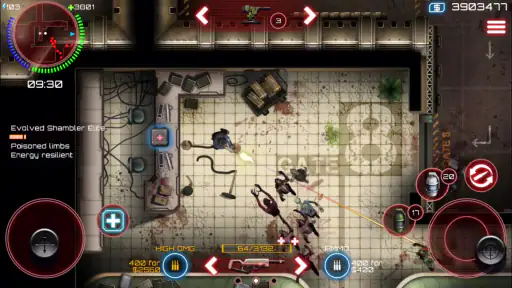
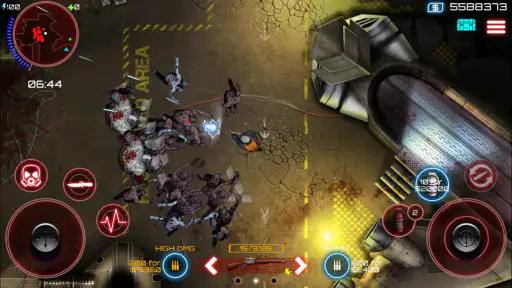
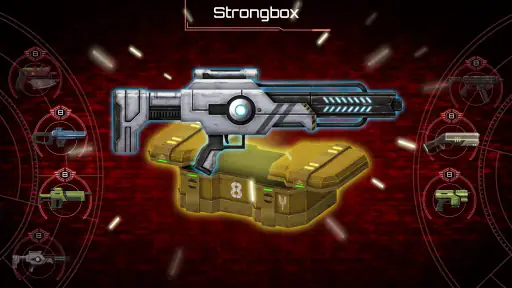
I first noticed SAS: Zombie Assault 4 works best when I treat it as a quick, focused action game rather than something to leave running in the background. It puts me in the middle of zombie-heavy missions, gives me control over a customizable hero, and lets me adjust equipment and weapons as I progress. The basic appeal is immediate: move, aim, survive, collect useful upgrades, and try to handle the next wave more efficiently than the last one.
That makes it an interesting choice for a shared phone or tablet in a household. One person can play a short session and hand the device over without needing a long story recap, while another player can approach the same missions with a different build or preferred weapon style. I found that simplicity useful, although the game still demands attention. It is not ideal for someone who wants a quiet puzzle or a completely relaxed idle experience.
Developed by ninja kiwi, this free action game has built a substantial audience, with an average rating of 4.4 from around 409 thousand ratings and more than 10 million installs. Those figures match my impression that it is a well-established mobile title rather than a small experiment. It was released on October 17, 2014, and the current version is 2.2.2, so its presentation feels rooted in an older style of mobile action design while continuing to offer a considerable amount of content.
How it fits into a shared household routine
Short sessions are easy to pass between players
A realistic household use case would be a shared tablet in the evening. One person might play a mission while waiting for dinner, then stop at a natural break and let someone else take over. Because the action is mission-based, the game is easier to share casually than a title that expects every player to remember a large open world or a complicated narrative. I can pick it up, understand the immediate objective, and get moving without much preparation.
There is still a difference between “easy to share” and “designed for several people on one device.” The moment-to-moment play is personal, and the person holding the device controls the action. That means household coordination is mostly about deciding whose turn it is and whether progress or equipment choices should be changed. If several people want simultaneous local play, this is not the right kind of game. Its appeal comes from individual runs and build decisions, not from everyone gathering around a multiplayer screen.
I also like that the core loop gives each session a clear purpose. A player can enter with a goal such as testing a weapon, improving a hero setup, or getting through a difficult encounter. That helps prevent the usual shared-device problem where somebody starts playing and has no idea what they are supposed to do. On the other hand, the action can become intense quickly, so handing the device to a younger or less experienced player in the middle of a demanding section may feel unfair. A clean handoff works better after a mission or another obvious stopping point.
What to decide before installing it
Since the game is free to download, the initial decision is simple, but the household conversation should not stop there. It includes in-app purchases ranging from $0.99 to $49.99 per item. I would make that clear before allowing children or guests to use a shared device. The important boundary is not whether the game costs anything to install; it is whether everyone using the device understands that optional purchases can appear during play.
You May Like

Clash of Clans Is Won Between the Battles

Android Auto Makes the Case for Quieter Car Software

MobiOffice: Transforming Mobile Productivity with Seamless Integration

EA SPORTS FC™ Mobile Soccer: Redefining Mobile Sports Gaming

How Microsoft OneDrive Became a Mobile Productivity Giant

How Google Translate Breaks Language Barriers Effortlessly
I would also decide who is allowed to change the hero, gear, and weapon setup. Those choices are not merely cosmetic. They affect how a player approaches missions, and another person may not appreciate finding that a carefully prepared loadout has been replaced. On a shared device, a simple household rule helps: experiment freely during your own turn, but avoid changing another player’s preferred setup without asking.
This is one of the less obvious trade-offs in a customization-heavy action game. The freedom to tune a character makes the experience more personal, but it also makes shared use less frictionless than passing around a simple arcade game. If the device belongs to one person and others only play occasionally, that is manageable. If several family members all want long-term progression, separate boundaries become much more important.
Coordination matters more than the store summary suggests
The team-oriented premise gives the game a social feel, but I would not confuse that with effortless cooperation. Players still need to agree on how they want to approach a session. One person may prefer cautious movement and equipment that supports survival, while another may favor aggressive shooting and faster decisions. Those differences can be enjoyable when discussed, but frustrating when one player expects the other to copy a preferred style.
For a household, I would use a simple rotation: one player chooses the mission, another chooses whether to adjust the loadout, and the owner of the save or progression makes the final decision. That sounds formal, but it avoids the small arguments that often appear when a shared game has meaningful upgrades. It also gives less experienced players room to learn instead of turning every session into advice from the strongest player.
A useful habit is to explain the reason behind an equipment change rather than only saying that one item is better. A weapon that feels powerful in a crowded encounter may not suit somebody who struggles with aiming under pressure. Likewise, a setup that works for an experienced player may make the game feel harder for a beginner if it demands constant movement or precise timing. In my experience, discussing play style produces better results than chasing a single “best” configuration.
This is also where the game compares favorably with many basic zombie shooters. It is not only about pointing at enemies until the screen is clear; the hero and gear choices give repeated sessions a sense of direction. Compared with a slower role-playing game, though, the customization is tied closely to action. Players who enjoy studying character systems may want deeper planning, while people who want immediate shooting may find the menus more involved than necessary.
Age context should be handled directly
The content rating is Teen, which is an important part of deciding whether it belongs on a family device. The zombie theme and action violence make it a better fit for teenagers and adults than for young children. I would not rely on the bright mobile presentation to make that decision for me. A colorful interface can still surround combat that a younger player may find uncomfortable or simply unsuitable.
For teenagers, the game can be a reasonable shared hobby if everyone is comfortable with its tone and with the purchase boundaries. For younger children, I would choose something gentler, especially if the device is used by several age groups. The question is not only whether a child can operate the controls. It is whether the subject matter, intensity, and optional spending fit the household’s expectations.
Trust also matters because progression and customization encourage players to care about what they have built. If several people use one device, I would make sure everyone knows which player is responsible for the game’s progress before changing anything. I would not present this as a substitute for account separation or device-level supervision. It is simply a practical way to avoid confusion when a game is used by people with different ages and different levels of access.
Where the game feels strong in everyday play
My favorite part is the combination of immediate action and gradual tuning. I can begin with a straightforward objective, discover that my current setup is not comfortable, and make a meaningful adjustment instead of abandoning the game. That loop gives a short session a useful shape: play, notice a weakness, change something, and try again with a clearer plan.
The customization is especially helpful for households because it gives players different ways to enjoy the same title. An experienced player can focus on efficiency and challenge, while a newer player can take time to learn movement, aiming, and equipment choices. The game does not need every player to have the same preferences. In fact, the contrast can make conversations about the game more interesting.
Another strength is that the zombie setting provides an obvious reason for the action without requiring a complicated commitment from the player. I do not need to remember a large cast or follow a long plot before enjoying a mission. That makes it more approachable than story-heavy action games when the device is being used in brief bursts.
The friction I would want new players to expect
The same action focus that makes the game accessible can also expose its limitations. Repeated combat may feel familiar after several sessions, particularly for players who want constant novelty or a strong narrative. The customization adds variety, but it does not turn every mission into a completely different experience. If your ideal mobile game is a relaxed strategy title or a rich story adventure, this may feel too repetitive and too combat-centered.
Touch controls can also take adjustment. On a phone, the screen gives less room for movement and aiming than a console controller, and crowded encounters can make mistakes feel more like a control problem than a tactical one. I recommend starting with a comfortable grip and avoiding a setup where a finger covers too much of the action area. That small change can make the first sessions less awkward.
There is also a temptation to treat upgrades as a solution to every difficult moment. I found it more useful to ask whether the problem was equipment, positioning, or simply rushing. A stronger item may help, but it will not replace learning how to move through a crowded encounter. This is a concrete trade-off: progression can soften difficulty, yet the game still rewards attention and practice.
How it compares with common alternatives
Against a basic endless zombie shooter, this game offers more ownership. The hero, gear, and guns give me reasons to return beyond achieving a higher score. Against a traditional role-playing game, it is faster and more direct, with less emphasis on long conversations or exploration. Against a cooperative action game built around constant teamwork, it is easier to enjoy alone or in turns, but household players should not expect everyone to participate simultaneously on one screen.
That middle position is its main identity. It is more structured than a disposable arcade session and less demanding than a large role-playing adventure. I would recommend it to someone who wants action with a layer of build experimentation, especially if zombie combat is already appealing. I would skip it for a player who dislikes repeated waves, prefers peaceful themes, or wants a game that can be shared by several people at the same time.
Practical advice for a smoother first week
During the first sessions, I would avoid changing several parts of the loadout at once. Altering one weapon or one piece of gear makes it easier to understand what actually improved the experience. If everything changes together, a player may not know whether success came from a better item, a different approach, or simple familiarity with the controls.
I would also keep a short mental note of which setup feels comfortable rather than automatically choosing the most impressive-looking option. In a shared household, this is useful because players can explain their choices clearly: one setup may be preferred for control, another for damage, and another because it feels easier to manage on a smaller screen. Comfort is a legitimate reason to keep an item, even when another option appears stronger.
Finally, I would treat purchases as a separate decision from progress. The free entry point makes it easy to begin, but spending should be discussed before it becomes part of the routine. For a personal device, that may be a simple matter of self-control. For a family device, it should be part of the same agreement as turn-taking and loadout changes.
My household verdict
SAS: Zombie Assault 4 is a solid fit for a teenager or adult who wants mobile zombie action with meaningful hero and equipment choices. I enjoy the way it turns short missions into small experiments: choose a setup, face the horde, identify what went wrong, and refine the next attempt. That gives it more staying power than a shooter built only around quick visual effects.
It is not a universal family game. The Teen rating, violent zombie theme, optional purchases, and personal progression all deserve an honest conversation before it goes on a shared device. It also works better as a turn-based household pastime than as a simultaneous group activity. Those limits do not undermine the game; they simply define the audience more clearly.
With the current version listed as 2.2.2 and support for devices running Android 5.0 or later, it remains accessible to many Android users. I would try it if you want free action with customization and are comfortable managing the purchase boundaries. I would choose a calmer, younger-friendly title for a mixed-age household, or a deeper cooperative game if the main goal is playing together at the same time.
My final recommendation is positive but specific: install it for the player who enjoys shooting, experimenting with gear, and improving through repeated missions. Set expectations around age, spending, and shared progression before handing over the device. Once those boundaries are clear, the game can provide a satisfying routine of short, energetic sessions without pretending to be something it is not.
SAS: Zombie Assault 4 Frequently Asked Questions
How much storage space should I have available before downloading SAS: Zombie Assault 4?
It is sensible to leave some free space on your device before installing SAS: Zombie Assault 4, since games need room for installation and may need additional space for updates or saved data. Check the download size shown in your device’s app store and make sure you have a little extra room available. This can help avoid installation problems or interruptions.
Is SAS: Zombie Assault 4 still updated, and which version is current?
The current version of SAS: Zombie Assault 4 is 2.2.2. Keeping the game updated through your device’s app store is a good idea, since updates can include changes needed for compatibility or gameplay. Before downloading, check that the version available for your device matches your expectations, and install updates when offered to make sure you are using the current release.
What kind of gameplay does SAS: Zombie Assault 4 offer?
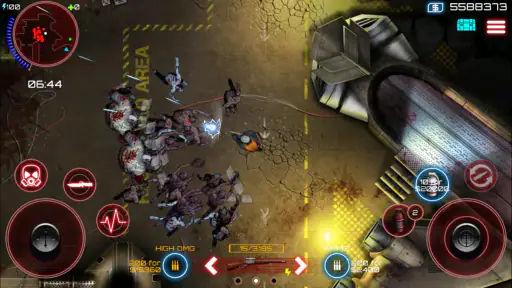
SAS: Zombie Assault 4 is an action game built around fighting waves of zombies from a top-down perspective. You customize your hero, gear, and guns, then take on missions where positioning and choosing when to fire matter as the hordes press in. Its focus on combat, equipment, and cooperative play makes it a fit for players looking for an action-heavy game rather than a slow-paced survival experience.
Is SAS: Zombie Assault 4 suitable for younger players?
The game has a Teen content rating, and its central theme is shooting zombies. That rating is worth considering before downloading, particularly if you are choosing a game for a younger player. Parents and guardians may want to review the age rating and the game’s action-focused content themselves, then decide whether it suits the player’s age and preferences.
What is SAS: Zombie Assault 4?
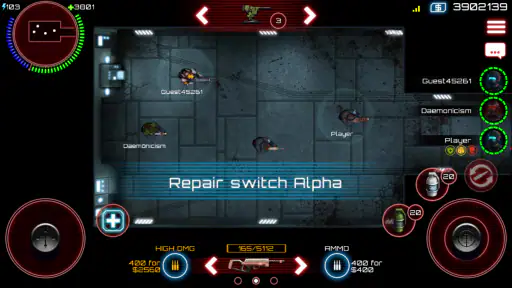
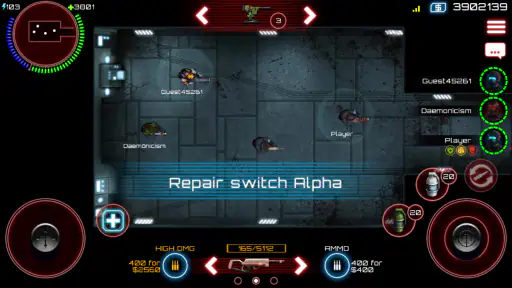
SAS: Zombie Assault 4 is a fast-paced top-down action shooter for Android and iOS. You choose from different soldier classes, equip powerful weapons, and fight through missions filled with increasingly dangerous zombie hordes. The game combines twin-stick shooting, character progression, loot collection, and online cooperative play, making it suitable for players who enjoy short but intense combat sessions with plenty of upgrades to unlock.
Pros
- Fast-paced twin-stick shooting feels responsive and satisfying.
- Large weapon selection supports different combat styles.
- Co-op multiplayer makes missions more enjoyable with friends.
- Frequent loot drops keep progression feeling rewarding.
- Distinct classes offer useful variety in combat roles.
Cons
- Energy limits can interrupt longer play sessions.
- Some upgrades and gear require significant grinding.
- Enemy difficulty can spike unexpectedly in later missions.
- Touch controls may feel cramped on smaller screens.
- Online features depend on a stable internet connection.
- Category
- Action
- Version
- 2.2.2