Merge Mayor - Match Puzzle
- 2.72K
- 4.6
- Installs
- 1.00M
- Price
- Free

Screenshots




Analysis by Reviewed
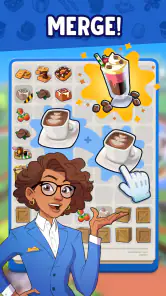
Merge Mayor - Match Puzzle immediately gives me the feeling of a gentle town-building break rather than a demanding strategy game. I combine matching objects, clear space, and gradually shape a more developed city. The idea is easy to understand, but the appeal comes from how the small actions connect: one merge creates a better item, that item helps with a task, and the task gives me another reason to improve the town.
That relaxed loop is the main reason I can recommend this puzzle game to people who enjoy progress without a harsh learning curve. It is free to play, suitable for Everyone, and made by StarBerry Games. It has also built a sizeable audience, with over a million installs, a 4.6 average from around 77 thousand ratings, and roughly 2.7 thousand written reviews. Those figures suggest that the central formula has found a broad audience, but they do not remove the need to ask whether its particular pace suits you.
My experience is that this is best approached as a game for short, repeat visits. I can open it when I have a few quiet minutes, make several useful merges, check the town, and leave without feeling that I have abandoned a complicated plan. At the same time, the city-building layer gives those quick puzzle actions more meaning than a simple matching board. I am not only clearing pieces; I am working toward a place that feels increasingly organized and alive.
How the town turns simple matches into a playable mood
A first impression built on calm progress
The opening appeal is not complexity. Merge Mayor presents a clear fantasy: I am helping a town grow by combining items in the right way. That simplicity is valuable because I can understand the basic purpose quickly, even if I have not played many merge games before. Instead of asking me to memorize a large rule set, it lets the board and the town explain the relationship between puzzle actions and development.
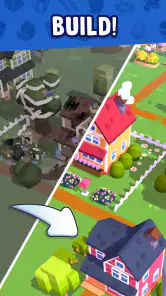
The visual direction supports that approachable start. The town is presented as something I can improve step by step, so each successful action feels like a small piece of restoration or expansion. I enjoy that sense of visible consequence. In many puzzle games, a completed move disappears and the board simply refills. Here, the wider setting gives the move a reason to exist.
The first useful habit is to avoid merging every available object immediately. I get better results when I pause and look at the whole board before making a chain of combinations. A quick merge may free one space, but a more deliberate sequence can create a more valuable item and leave the board easier to manage. That small change in approach makes the game feel more thoughtful without turning it into a stressful logic test.
This is also where the game’s pacing becomes clear. It does not seem designed to overwhelm me with constant urgency. I can focus on one or two practical goals, make progress, and stop. For someone who wants a puzzle game with a strong sense of place, that is a better first impression than a purely abstract grid.
A world language that keeps the mechanics understandable
The town setting does more than decorate the board. It gives the merging mechanic a visual vocabulary. Objects feel connected to the idea of building and improving a community, so the transition from a small item to a more useful one feels natural inside the game’s world. I do not need a long explanation to understand why combining things should help a growing town.
That coherence matters because merge games can sometimes become crowded with unrelated objects and unclear goals. Here, the setting encourages me to read the board as part of one larger place. The town gives the activity a gentle narrative direction without requiring the puzzle to become a traditional role-playing game. I am still concentrating on combinations, but the surrounding world makes those combinations feel purposeful.
The art direction also helps separate the game from a basic match-three alternative. A match-three title usually asks me to think about immediate board patterns, score, and the next cascade. Merge Mayor gives me a slower relationship with objects. I am collecting, combining, and deciding what deserves space. The difference is subtle but important: the satisfaction comes from organizing a developing environment, not only from watching a quick chain of matches.
I find the town particularly useful when I am playing casually. If I return after a break, the setting helps me remember what I was doing. I can look at the board, identify the unfinished direction, and continue without needing to reconstruct a complicated tactical plan. That makes the game friendlier for players who do not want a puzzle session to demand their full attention every time.
One trade-off is that the same gentle presentation may feel too soft for players who want a strong story or a dramatic setting. The world works mainly as a framework for the merge loop. If your ideal puzzle game is built around deep characters, intense plot turns, or a highly competitive atmosphere, this town may feel more like a pleasant backdrop than a fully developed narrative world.
Sound and rhythm between active decisions
The strongest mood comes from the relationship between action and pause. I make a merge, inspect the result, consider the available space, and decide whether to continue. That rhythm is more important here than raw speed. The game encourages me to notice small improvements instead of rushing through a sequence of moves just to chase a score.
That makes it a good fit for everyday situations where I want something interactive but not exhausting. I can imagine playing during a short rest, while waiting for an appointment, or at the end of the day when a competitive game would be too demanding. The town-building theme reinforces that feeling because the activity resembles gradual tidying and improvement rather than a race.
Sound has a practical role in this kind of game. Clear feedback helps me understand when a combination has worked and when the board has changed. More importantly, a restrained audio mood supports the setting instead of fighting it. I prefer when the presentation lets me concentrate on the board and the town rather than filling every action with exaggerated urgency.
My advice is to treat the game’s rhythm as part of its design rather than trying to force it into a faster puzzle format. If I tap through decisions too quickly, I am more likely to use space poorly or create a short-term result that does not help my longer goal. When I slow down, the game becomes more satisfying because the visual and mechanical feedback have time to register.
This pacing also explains why the title can be relaxing without being completely passive. I still make meaningful choices about what to combine and when, but the consequences are usually easy to read. That balance is more comfortable than a game that constantly interrupts the player with pressure. The downside is that anyone seeking rapid-fire excitement may find the rhythm repetitive after longer sessions.
Why the merge system fits the town-building idea
The central mechanic works because it creates a clear ladder of improvement. I start with modest pieces, combine them, and aim for something more useful. That progression mirrors the town itself: small changes accumulate until the wider environment feels more developed. The connection between board growth and city growth is the game’s most convincing design choice.
Compared with a standard match-three puzzle, the game asks me to think less about immediate patterns and more about inventory, space, and timing. A match-three board is often about finding the best move before the board changes. Here, I am also asking whether a merge is worth making now, whether I should preserve a lower-level object, and whether the result will help with the next task. That extra layer gives the simple matching idea more staying power.
One of the most useful strategies is to protect open space. It is tempting to fill the board with every object I can create, especially when the visual feedback makes each merge feel rewarding. However, a crowded board reduces flexibility. I get more control when I leave room for new pieces and avoid producing several partial chains that cannot be completed. This is a practical lesson that becomes more important as the town’s demands become less immediate.
A second strategy is to think in chains rather than isolated upgrades. Before combining two items, I try to picture what the result might enable and whether I have a realistic path toward the next useful stage. This prevents me from spending valuable board space on a merge that looks attractive but does not support my current objective. The game rewards patience more than frantic tapping.
A third useful habit is to separate progress goals from storage decisions. Sometimes the best move is not the one that creates the most advanced object; it is the one that keeps the board organized and preserves options. That distinction makes the puzzle more interesting than its friendly appearance suggests. I am quietly managing opportunity, not merely matching identical pictures.
The system is not ideal for everybody. Players who dislike waiting for a board to become useful, or who want every move to produce an immediate dramatic payoff, may prefer a traditional match-three game. Those alternatives usually provide faster feedback and clearer short-session endings. Merge Mayor is better when I want a continuing project that I can revisit, not when I want a self-contained puzzle solved in a few minutes.
Everyday use, accessibility, and spending choices
The Everyone age rating makes the game approachable for a broad audience. Its basic idea is simple enough for a newcomer, while the board-management decisions give experienced puzzle players something to refine. I would especially suggest it to someone who enjoys decorating or building themes but does not want a complex city simulator with many systems to learn at once.
It also works well for players who like visible progress. If you need a game to offer a clear sense that yesterday’s session mattered, the developing town provides that motivation. I can return, see what has changed, and choose a manageable next step. That is more encouraging than a puzzle game where the only reward is a higher score that may not feel connected to anything.
The free entry point is helpful, but the presence of in-app purchases means I would still recommend setting personal limits before playing. Individual purchases range from $0.99 to $244.99, so the game can accommodate small optional spending while also presenting a very large upper price point. I do not consider that automatically disqualifying, but it is a reason to approach the progression thoughtfully rather than treating every obstacle as something to solve with money.
My preferred approach is to decide what kind of session I want before opening the game. If I am happy with gradual progress, I can focus on careful merges and accept that the town will develop over time. If I start feeling that I must buy something to keep the experience enjoyable, that is a useful signal to pause. The game is most appealing when the puzzle decisions remain the center of attention.
The current version is 5.10.804, and the game supports devices running Android 7.1 or later. That makes it relevant to people using older compatible Android hardware, although the experience will naturally depend on the device itself. I would check the operating-system requirement before installing, especially if I am using an older phone or tablet.
Who will enjoy it, and who should choose another puzzle
I think Merge Mayor is a strong choice for players who enjoy relaxed progression, tidy visual organization, and a town that grows through repeated small decisions. It suits people who like to dip into a game several times rather than finish a complete challenge in one sitting. It is also a good bridge between casual matching games and light management experiences.
I would recommend it to a friend who says, “I want something calming, but I still want to feel that I am making decisions.” The merge board gives enough control to avoid becoming a completely passive activity, while the town gives the results a satisfying context. The art direction and pacing work together to make the experience feel consistent instead of like a puzzle pasted onto a city theme.
I would be more cautious recommending it to someone who wants competitive leaderboards, demanding tactical puzzles, or a rich story with frequent surprises. The appeal is gradual and cumulative. It may also test the patience of players who dislike managing space, repeating related combinations, or dealing with progression that feels better when approached slowly.
For a realistic daily scenario, imagine opening the game during a lunch break. I would first scan the board, identify which objects can be combined immediately, and resist filling the newly opened spaces without a plan. I might make a short chain, use the result toward a town task, and stop once the board becomes crowded or my attention returns to work. That session would feel complete because the town has moved forward, even though I did not play for long.
How the presentation supports long-term comfort
The art, setting, sound, and pacing all point in the same direction: calm, readable progress. That unity is more valuable than any single decorative detail. When a game’s visual language says “organize and improve,” while its mechanics demand frantic reactions, the experience can feel confused. Here, the gentle town mood makes the slower merge decisions feel appropriate.
I also appreciate that the atmosphere does not completely hide the need for planning. The friendly presentation may suggest a very simple game, but the board becomes more manageable when I think ahead, preserve space, and choose merges for a reason. That contrast gives the experience its best moments. It is welcoming on the surface while still rewarding a player who pays attention.
There is a limit to how long that comfort can carry a session. Because the game’s pleasure comes from gradual accumulation, extended play can lose some of its freshness. I would rather play in several short visits than force a long session and turn the relaxing rhythm into a chore. That is not a flaw for the intended audience, but it is an important part of deciding whether the game belongs on your device.
My atmosphere verdict after living with the loop
Merge Mayor succeeds because its presentation and mechanics agree about what the player should feel. The town looks like a place worth improving, the merge system makes that improvement tangible, and the pacing gives me time to consider each step. I never feel that the setting is merely decorative; it changes how I interpret the value of a successful combination.
StarBerry Games has shaped a puzzle experience that is easy to enter but more rewarding when I stop treating it as a sequence of automatic matches. The best play comes from protecting space, planning short chains, and accepting gradual progress. Those habits reveal a thoughtful layer beneath the cheerful surface.
The game is free and accessible to a wide audience, but the optional purchase range means I would keep spending boundaries in mind. I would also choose a different puzzle if I wanted fast rounds, intense competition, or a story-led adventure. For players who want a calm city project with enough board management to keep the mind engaged, however, this is an enjoyable fit.
My final recommendation is simple: choose it for the mood as much as for the merges. If the idea of slowly turning a collection of small combinations into a more thriving town sounds satisfying, the game offers a coherent and comfortable way to spend a few minutes at a time. If you need constant novelty or immediate challenge, its patient rhythm may not hold your attention. For me, that patience is exactly what makes the experience work.
Pros
- Simple match-and-merge mechanics are easy to learn.
- Short tasks make it suitable for quick gaming sessions.
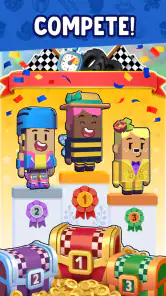
- Regular events add variety beyond the main board.
- Upgrading the town gives progress a clear visual purpose.
- The relaxed pace makes it accessible to casual players.
Cons
- Energy limits can interrupt play during longer sessions.
- Higher-level merges may require considerable waiting time.
- The board can become crowded as more items are unlocked.
- Progress may feel slow without spending premium currency.
- Some event content is available only for limited periods.

- Category
- Puzzle
- Version
- 5.10.804