Merge Dragons!
- 142.51K
- 4.5
- Installs
- 50.00M
- Price
- Free

Screenshots
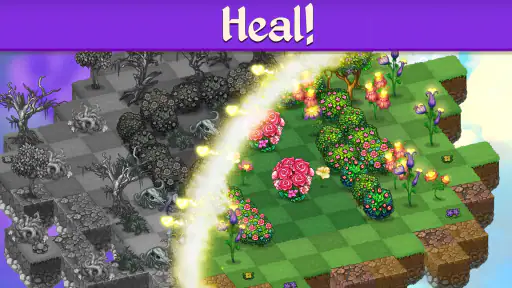
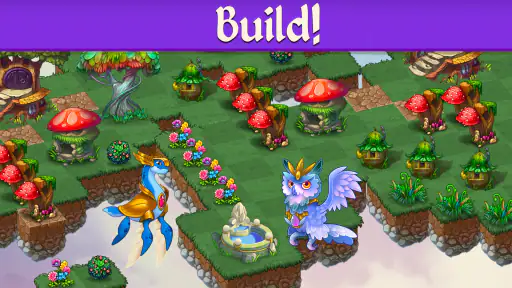
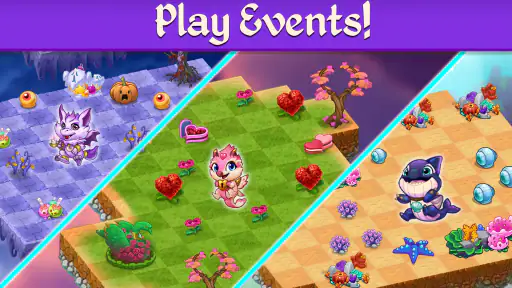
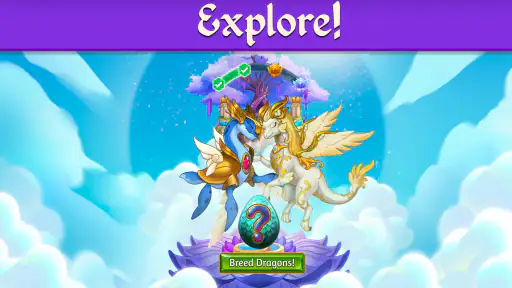
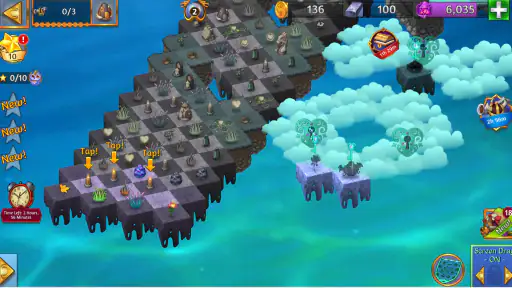
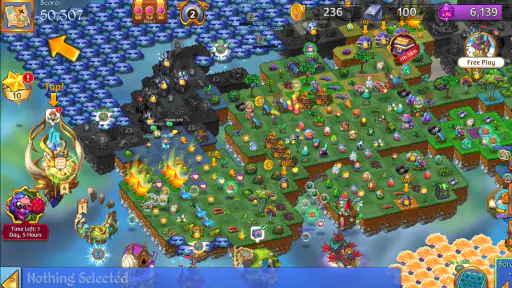
Analysis by Reviewed
I went into Merge Dragons! expecting a simple matching puzzle, but its appeal comes from turning a small, cluttered patch of land into a place that feels increasingly purposeful. The first few merges are easy to understand, yet deciding what to combine, what to keep, and where to leave things gives each visit a little more thought. If you enjoy calm puzzles with a light strategic layer, this is an inviting place to start.
What to expect from the puzzle
This is a free puzzle game from Gram Games Limited, released in 2017 and currently at version 12.5.3. It has a 4.5 average from around 1.4 million ratings and more than 50 million installs, so it has clearly found a broad audience. The age rating is Everyone. The basic rhythm is straightforward: combine matching objects, make useful new ones, and work toward healing the land. Dragons, eggs, plants, and treasures give the board variety, while the gradual progress makes even a brief session feel like it can move something forward.
Compared with familiar tile-matching games, the focus here is less on racing through a timed board and more on arranging a space and choosing when to make a merge. That makes it easier to play in short bursts, but it also means clutter and planning matter. If you want fast rounds, a score chase, or a puzzle that resets cleanly after every attempt, a conventional match-three game may suit you better. I like this one most when I’m in the mood to organize and plan rather than react quickly.
The Enchanting World of Merging
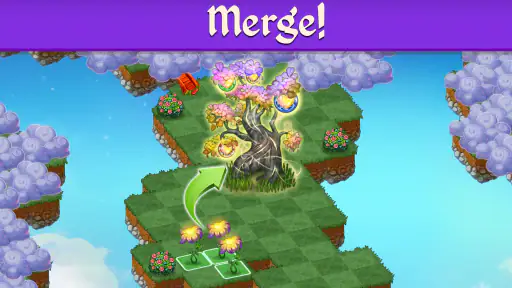
In Merge Dragons!, the concept is simple yet incredibly addictive. You start with a small piece of land and a few dragons, and your mission is to heal the land by merging items. This isn’t just about throwing things together willy-nilly; it’s about strategy and foresight. You’ll find yourself constantly thinking, "What can I merge next?" It’s like playing chess, but with way cooler pieces and no pressure of a clock ticking down.
Getting started without overthinking
For a first session, I’d focus on learning the merge rhythm instead of trying to make every move perfect. Look for matching objects already close together, then pause before combining anything that seems scarce or useful. One practical habit is to scan the whole board before acting: a merge that looks obvious in one corner may use objects you would rather save for a larger group elsewhere. This small check reduces accidental clutter and helps you understand how the land gradually opens up.
The first satisfying milestone is not a high score; it’s seeing a merge create something that helps your patch of land become more usable. When that happens, take a moment to inspect the result and nearby objects before tapping again. The game is forgiving in pace, so there is no need to rush through the early steps. I found that treating each merge as a tiny decision, rather than tapping every matching item immediately, made the puzzle feel more rewarding.
Planning, pace, and the trade-offs
The game mechanics are a blend of puzzle-solving and strategy. You merge three of the same items to create something new and better. From eggs to plants to treasures, the variety is endless. And let’s not forget the dragons! Watching them grow and evolve as you progress is incredibly satisfying. Plus, the game throws in challenges and events that keep you coming back for more. It’s like they know exactly how to reel you back in every time you think you’ve had enough.
More From Our News Desk

Clash of Clans Is Won Between the Battles

Android Auto Makes the Case for Quieter Car Software

MobiOffice: Transforming Mobile Productivity with Seamless Integration

EA SPORTS FC™ Mobile Soccer: Redefining Mobile Sports Gaming

How Microsoft OneDrive Became a Mobile Productivity Giant

How Google Translate Breaks Language Barriers Effortlessly
A useful approach is to leave yourself room to work instead of filling every available space with objects you might want later. That can mean waiting to combine a set until you have checked whether another group is close to completion. The trade-off is that saving items preserves options but makes the board busier; merging promptly clears space but can feel wasteful if you later spot a better arrangement. I’d use a quick scan before each session to choose one small goal, such as clearing a crowded area or progressing a particular set, rather than trying to optimize everything at once.
One of the coolest features is the ability to go at your own pace. You can spend hours meticulously planning your next moves or just pop in for a quick merging session. The flexibility is fantastic, especially for those of us with unpredictable schedules. And trust me, whether you’re a casual gamer or a hardcore strategist, there’s something here for you.
A good fit for everyday gaps
It works well as a small break between everyday tasks: I can open it while waiting for a kettle to boil, make a few deliberate merges, and stop when I have a natural next goal. It also suits players who enjoy collecting and gradual improvement but don’t need a competitive finish line every time they play. On the other hand, if you dislike persistent board management or prefer puzzles with a clear end after each short round, the open-ended progression may feel less satisfying.
It is free to download, with in-app purchases ranging from $0.99 to $199.99 per item. I’d recommend deciding in advance whether you want to spend anything, especially if you’re likely to return often; the game can be enjoyed as a free download, but optional purchases are part of the experience. It runs on devices with Android 7.0 or later. The main practical question for a new player is less about mastering a complicated control scheme and more about whether you enjoy taking your time with a board that gradually accumulates possibilities.
Visuals and Audio That Wow
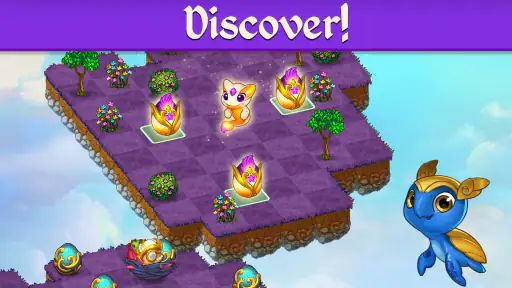
Visually, this game is a treat. The graphics are bright, colorful, and full of whimsy, which perfectly complements the magical theme. Each dragon and item is beautifully designed, making the game a feast for the eyes. And the sound? Well, it’s the cherry on top. The calming background music and satisfying sound effects make merging items even more enjoyable. It’s like a mini-vacation for your senses.
Honestly, it’s hard not to fall in love with this world. The developers have done an amazing job creating an environment that’s both immersive and enchanting. It’s a place where you can lose yourself, even if just for a few minutes a day.
Who should give it a try
I’d point this toward a friend who likes gentle puzzles, tidy-up games, and the satisfaction of watching small decisions build into visible progress. It’s less suitable for someone who wants constant urgency, a tightly bounded level structure, or a purely logic-based challenge with one correct solution. The best way to decide is to give the opening a little time: if arranging objects and weighing whether to merge now or wait feels enjoyable, the central loop is likely to keep working for you.
Making a first visit count
When I’m new to a merge game, I’m tempted to clear every obvious group just to see what happens. Here, a better first-session routine is to look over the whole patch, pick a small goal, and avoid scattering related objects farther apart than necessary. That goal might simply be making room around a useful cluster. It gives the session a satisfying shape without demanding that you understand every item at once.
If you lose track of what you were trying to do, take a short pause rather than making a hurried merge to tidy the board. The puzzle’s gentle pace is a real advantage for learning: you can inspect the objects, notice what is blocking your next move, and decide whether clearing space or preserving a group matters more right now. I find that this keeps the board from becoming a series of random taps.
How to handle a crowded board
Clutter is not just a cosmetic annoyance; it changes how many choices are easy to see. I try to keep related pieces in loose groups and leave a little working space near them. The useful trade-off is that neat clusters make future merges easier to spot, while leaving everything spread out can make the patch harder to read. I wouldn’t spend a whole visit rearranging for perfection, though: organizing should support a goal, not become a goal that prevents progress.
It also helps to distinguish an item you are actively building toward from one you are merely keeping because it might be useful later. If a saved object has no clear role in the session, it may be taking space away from a group you can actually advance. That is a judgment call rather than a fixed rule, and it is part of what gives the game its modest strategic bite. When you are unsure, preserving a rare-looking piece is safer than merging it just to make the screen look tidy.
Choosing the right kind of puzzle
The usual alternative in the puzzle category is a level-based match game: you enter a compact board, solve a stated objective, and get a clean stopping point. That structure is better when I want a quick challenge with an obvious win condition. This game asks for a different kind of attention. Its persistent patch makes progress feel cumulative, but also means I may return to a board with loose pieces and unfinished plans rather than a fresh puzzle.
That difference is why I wouldn’t recommend it as a universal replacement for match-three games. Players who enjoy arranging collections, making gradual improvements, and deciding when to combine things are likely to appreciate its rhythm. Players who prefer strict turns, a short timer, or a single answer to work out may find the freedom less engaging. The question to ask yourself is whether you like managing possibilities as much as solving a defined puzzle.
Spending and staying comfortable
The free download makes it easy to try the central idea before deciding whether it belongs in your routine. Since purchases are available, I’d treat them as optional rather than as a reason to hurry. A simple personal boundary—such as deciding that you are only exploring for now—can help keep a relaxed puzzle from turning into an impulse purchase. The listed purchase range is broad, so it is worth paying attention to the price shown for any item before confirming it.
If you are choosing a game for a younger player, the Everyone age rating is a useful starting point, though I would still make purchase settings clear on a shared device. For a first-time player, the important practical question is whether the slow, open-ended loop feels pleasant; there is no need to spend money just to find that out. The game’s appeal is in the choices you make with the objects already on the board, not in treating every session as a race.
Details that make the routine easier
A small habit I recommend is ending a session after you have set up one clear next move, rather than continuing until the board feels exhausting. For example, you might group a few matching objects and leave them in a place you can recognize when you return. That creates an easy re-entry point and avoids spending the next visit trying to remember why a corner is crowded.
Another useful check is to ask whether a merge solves a real problem: does it make progress toward healing land, create room, or advance a group you care about? If the answer is no, waiting can be the better move. This is especially helpful for anyone who tends to tap quickly on mobile screens. Deliberate play is not slower for its own sake; it helps protect the options that make the next decision interesting.
Final Thoughts
So, should you download it? Absolutely, if a relaxed merge puzzle sounds appealing and you’re happy to make your own small goals as you play. I especially like it for short, low-pressure sessions, though I’d choose a faster match game when I want immediate rounds and a definite finish. It’s a delightful blend of strategy, puzzles, and creativity that offers plenty to explore at your own pace. Give it a try, and you might just find yourself saying, "Just one more merge..."
Merge Dragons! Frequently Asked Questions
Does Merge Dragons! offer a clear introduction for new players?
Merge Dragons! centers on a simple idea: combine matching objects to create something new. That makes the basic puzzle easy to understand, while choosing what to merge and when gives players room to plan. The fantasy setting, dragon eggs, and land-restoration theme provide context for the repeated puzzles, so newcomers can settle into its central activity without needing to learn a complicated control scheme.
What kind of game is Merge Dragons!, and what do you do in it?
Merge Dragons! is a puzzle game set in a fantasy world, where the main activity is combining matching objects to make new ones. You can merge dragon eggs to hatch dragons and combine other items as you work to heal and transform the land. Its mix of planning and gradual discovery makes it a fit for players who enjoy organizing a board and deciding which combinations to make.
What is Merge Dragons! and how does it work?
Merge Dragons! is a captivating puzzle adventure game where players are tasked with merging various objects to create new, more powerful items. Set in a mystical world filled with dragons, players can merge eggs to hatch dragons, merge flowers for life essence, and use these elements to heal and transform the land. The game combines strategy with creativity, offering hundreds of levels and numerous challenges to keep players engaged.
Is Merge Dragons! free to download and play?
Yes, Merge Dragons! is free to download and play on both Android and iOS platforms. However, the game offers in-app purchases for players who wish to enhance their gaming experience. These purchases can include special items, extra lives, and other bonuses, allowing players to progress more quickly or enjoy additional features within the game. Optional purchases range from $0.99 to $199.99 per item, so it is worth checking the purchase options before spending.
What are the system requirements for playing Merge Dragons!?
For Android users, Merge Dragons! requires a device running Android 4.4 or higher, while iOS users will need a device with iOS 9.0 or later. It's important to ensure adequate storage space, as the game frequently receives updates and additional content. Both platforms recommend a stable internet connection for smooth gameplay and access to all features.
Pros
- Engaging and addictive gameplay.
- Beautiful graphics and animations.
- Frequent updates with new content.
- Challenging puzzles to solve.
- Social features to connect with friends.
Cons
- In-app purchases can be expensive.
- Requires constant internet connection.
- Game can become repetitive.
- Occasional performance issues.
- Advertisements can be intrusive.

- Category
- Puzzle
- Version
- 12.5.3