Mahjong Solitaire: Match Games
- 152.00
- 4.8
- Installs
- 1.00M
- Price
- Free

Screenshots


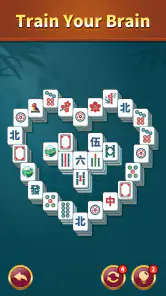


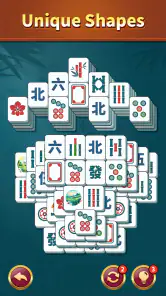
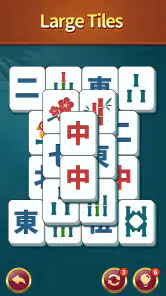

Analysis by Reviewed
For a first-time player, the appeal of a tile-matching puzzle is easy to understand: scan the layout, find a pair you can remove, and gradually open up the board. Mahjong Solitaire: Match Games is a mobile puzzle game from Higgs Studio built around that familiar routine. I’d consider it when I want a quiet game that asks me to pay attention without demanding the pace or reflexes of an action title.
What to expect from the first board
The basic goal is approachable, but success depends on looking beyond the first obvious match. Removing a pair changes which tiles are available, so a move that looks harmless can leave you with fewer useful choices later. I find it helps to pause for a moment and scan the whole arrangement before tapping, especially when several pairs are open.
The visual presentation is bright and clean, which makes it easier to distinguish tiles while keeping the board from feeling too busy. That matters more than it might sound: if you are playing during a short break, clarity is part of the puzzle experience, not just decoration. The store describes vibrant visuals, and the game’s overall presentation suits a casual, sit-down-and-focus style of play.
Getting started without overthinking it
You do not need prior Mahjong experience to begin. I’d start by treating the first board as a chance to learn how the layout works rather than trying to clear it as quickly as possible. Look for matching tiles that are currently available, then notice how removing them changes the choices around them. That simple habit makes the game feel less like random tapping and more like a small planning exercise.
If you are deciding whether it will run on your device, the game requires Android 6.0 or later. It is free to install, rated for Everyone, and includes in-app purchases priced from $0.99 to $99.99 per item. I would keep that range in mind if you prefer games with no optional spending at all; the free entry is appealing, but the presence of purchases may matter to your household or personal budget.
The Game's Charm
At the heart of Mahjong Solitaire: Match Games is the classic Mahjong gameplay we all know and love. But don't be fooled; this app adds its own unique twist to keep things fresh and engaging. The game is all about matching tiles, and it does so in a way that's both challenging and satisfying. The graphics are visually pleasing, with a clean and modern design that makes it easy to play for hours on end without feeling overwhelmed.
Gameplay and Features
What sets this app apart from the plethora of other Mahjong games out there is its attention to detail. Each level is meticulously crafted to ensure a gradual increase in difficulty, keeping you hooked and coming back for more. The app offers a plethora of levels, ensuring that you won’t run out of challenges anytime soon. And if you ever find yourself stuck, there's a handy hint system to nudge you in the right direction without taking away the satisfaction of solving the puzzle yourself.
More From Our News Desk

Clash of Clans Is Won Between the Battles

Android Auto Makes the Case for Quieter Car Software

MobiOffice: Transforming Mobile Productivity with Seamless Integration

EA SPORTS FC™ Mobile Soccer: Redefining Mobile Sports Gaming

How Microsoft OneDrive Became a Mobile Productivity Giant

How Google Translate Breaks Language Barriers Effortlessly
In addition to the main game, there are daily challenges that add a fun twist and offer rewards, keeping the gameplay dynamic and exciting. There's also a leaderboard feature, perfect for those with a competitive streak who love to see how they stack up against players from around the world.
Making a match feel like progress
A useful way to approach a difficult layout is to think one move ahead rather than chasing every immediately available pair. When two matching options are open, consider which removal might expose more of the board or preserve a second route to a match. This is not a guarantee of a solution, but it can reduce the frustration of reaching a late stage with awkward choices. Hints are best used as a nudge when your scan stalls, not as an automatic first move; trying once on your own keeps the puzzle satisfying.
That makes the game a good fit for a short wait, a quiet lunch break, or winding down at home when you want something more active than scrolling but less demanding than a timed challenge. I would not choose it for a commute where I need to watch my surroundings or for a session where I want fast competition. Its strongest use is a calm pause that can end whenever real life calls.
How it compares with other puzzle habits
Compared with word puzzles, this game asks less of your vocabulary and more of your visual scanning and move planning. Compared with match-three games, it feels more deliberate: the challenge comes from reading the layout rather than reacting to a stream of changes. If you enjoy familiar tile puzzles, that slower rhythm can be a welcome change. If you need a strong story, constant novelty, or a brisk multiplayer contest, a different kind of puzzle game is likely a better match.
Why You'll Love It
One of the things I personally adore about this game is its ability to transport you to a place of zen. The background music is soothing, the animations smooth, and the overall vibe is just calming. It's the perfect antidote to a hectic day, allowing you to unwind while sharpening your mind.
Moreover, the app is incredibly user-friendly. Even if you're new to Mahjong, the intuitive interface makes it easy to pick up and play. It’s designed to be accessible to everyone, whether you’re a seasoned player or a newbie.
Who should give it a try
I’d recommend it to someone who likes untimed-feeling, self-paced puzzles and wants a clear routine: inspect, choose a pair, then reassess the board. It may also suit a newcomer who wants to learn the matching format without first studying complicated rules. On the other hand, players who dislike optional purchases, prefer a fully offline activity, or want every session to have a clear competitive finish should check whether this style meets their expectations before settling in.
The game is free, with an average rating of 4.8 from around 5,100 ratings, and it has been installed over a million times. It was released on January 6, 2025, and version 1.1.9 is the current release. Those figures suggest it has found an audience, but the practical question is whether its thoughtful pace suits you; a high rating cannot make a relaxed tile puzzle exciting for someone who wants constant action.
Choosing when and how to play
A useful first-session routine is to play with enough attention to notice the board, but without treating every decision as a test. I’d begin when I have a few uninterrupted minutes, make a deliberate pair, and then stop at a natural pause if something else needs my attention. That keeps a small puzzle from turning into another obligation. The appeal here is the repeated act of reading and adjusting, not racing through a checklist.
There is also a practical difference between playing to relax and playing to improve. If I am unwinding, I can accept a slower scan and use a hint when I have genuinely lost track of my options. If I am trying to get better at planning, I would hold off on hints for the opening moves and ask myself what each removal will uncover. Switching between those approaches keeps the game comfortable without pretending every round needs to be played perfectly.
Small decisions that prevent avoidable dead ends
When several matches are available, I try not to choose solely by which pair is easiest to spot. I first look for a pair that may uncover covered tiles or clear a route through the arrangement, then compare it with a move that preserves more choices. This quick check is especially useful when a match appears in more than one place: removing one instance can leave the other blocked or less useful. It is a modest habit, but it makes the board feel more readable.
If I reach a point where I cannot see a sensible move, I take a short pause before tapping around. A fresh look often reveals a pair I overlooked, while random tapping makes it harder to remember what changed. When I do use a hint, I treat it as information rather than an instruction to follow blindly: I check whether the suggested match helps open the layout or simply gives me something easy to clear. That distinction preserves some of the planning the puzzle is meant to invite.
Where it fits in an everyday routine
Imagine waiting for a meal to finish cooking or sitting down after work with a few quiet minutes. This is the sort of moment when I would open a board: I can focus on a compact visual problem, pause between moves, and put the phone away when I am ready. It is less suitable for a moment that requires frequent attention to other people or surroundings, because even a calm puzzle asks you to keep track of the arrangement.
For a family member who enjoys matching games, the Everyone rating may make the game worth considering, but I would still look at the purchase options together if spending controls matter. The free installation lets someone try the basic experience before deciding whether it belongs on their device. I would not assume that a broad age rating means every household will be comfortable with optional purchases; that is a separate choice worth discussing.
What to expect from the challenge and the extras
The main appeal is the board-by-board matching, while daily challenges and a leaderboard give players who want an extra reason to return something beyond the basic routine. I would treat those elements as optional layers, not requirements for enjoying the puzzle. If you like a personal, quiet session, you can focus on the layout itself; if a small competitive nudge motivates you, the leaderboard may add context to your play.
One trade-off is that a familiar matching format can feel repetitive if you need each session to introduce a completely different mechanic. The gradual challenge and extra activities may help maintain interest, but they do not change the fact that the central action is still scanning and pairing tiles. I’d choose it for consistency and a measured pace, not for a constant stream of surprises or a deep narrative to follow.
Spending, expectations, and the right alternative
Because the game can be installed free but offers purchases, I would decide in advance whether I am comfortable seeing optional spending choices in a casual puzzle. The listed item prices range from $0.99 to $99.99, so anyone sharing a device or managing a family account should make sure purchase settings suit them. A player who wants an experience with no purchase prompts or spending decisions may be happier choosing a different puzzle whose pricing model better fits that preference.
Likewise, if I wanted a word-based workout, a fast match-three round, or a puzzle built around story progression, I would pick one of those formats instead. This game’s distinctive strength is not that it replaces every puzzle habit; it offers a specific alternative for people who like visual recognition and deliberate choices. That makes the decision fairly straightforward: choose it when the tile layout itself sounds enjoyable, and skip it if that core loop is already unappealing.
Final Thoughts
In conclusion, Mahjong Solitaire: Match Games is a must-have for anyone looking to engage in a game that is both mentally stimulating and relaxing. It’s the perfect blend of challenge and chill, making it suitable for any mood or occasion. Whether you have a few minutes to spare or are settling in for a longer gaming session, this app is ready to be your trusty companion. So why not give it a try? You might just find it’s exactly what you’ve been searching for.
I’d make the first session simple: open a board, take a moment to understand which tiles are available, and make one considered match before reaching for a hint. If that small decision-making loop feels satisfying, you have a good reason to keep playing. If it feels repetitive, the game’s calm pace is unlikely to change into the kind of variety you want, and choosing another puzzle style is perfectly reasonable.
Mahjong Solitaire: Match Games Frequently Asked Questions
Is Mahjong Solitaire: Match Games suitable for beginners?
Yes. Mahjong Solitaire: Match Games is a puzzle game built around a straightforward idea: find two matching tiles that are available to select, then clear them from the board. Newcomers can take time to scan the layout and think through each move rather than needing to learn a complicated control scheme. Its Everyone age rating also makes it suitable for a broad audience.
What is Mahjong Solitaire: Match Games?
Mahjong Solitaire: Match Games is a digital puzzle game available on Android and iOS platforms. It combines the classic tile-matching gameplay of Mahjong with various solitaire elements. Players must match pairs of identical tiles to clear the board and progress through levels. The game offers a relaxing experience with beautiful graphics and soothing music.
How do I play Mahjong Solitaire: Match Games?
To play Mahjong Solitaire: Match Games, you need to match pairs of identical tiles to clear them from the board. The goal is to remove all tiles from the board to complete a level. Tiles can only be matched if they are free on at least one side. The game provides hints and shuffle options to assist players when they are stuck.
Is Mahjong Solitaire: Match Games free to download and play?
Yes, Mahjong Solitaire: Match Games is free to download and play on both Android and iOS devices. However, the game may include in-app purchases and ads. These purchases typically offer additional features, remove ads, or provide more in-game currency to enhance the gaming experience. Users can choose to disable in-app purchases in their device settings. Optional purchases range from $0.99 to $99.99 per item, so it is worth checking your device’s purchase controls if you want to avoid spending.
What features does Mahjong Solitaire: Match Games offer to players?
Mahjong Solitaire: Match Games offers a variety of features to enhance gameplay. It includes numerous levels with increasing difficulty, daily challenges, and themed tile sets. The game also provides a relaxing ambiance with calming music and beautiful backgrounds. Players can track their progress, earn achievements, and compete with friends on leaderboards.
Pros
- Engaging and challenging gameplay.
- Beautiful and calming graphics.
- Easy to learn
- hard to master.
- Frequent updates with new puzzles.
- Doesn't require internet connection.
Cons
- Contains ads between levels.
- In-app purchases can be pricey.
- Music can become repetitive.
- No multiplayer mode available.
- Some levels feel too difficult.

- Category
- Puzzle
- Version
- 1.1.9