Light Ignite - Laser Puzzle
- 2.12K
- 4.2
- Installs
- 1.00M
- Price
- Free

Screenshots
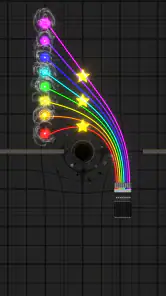
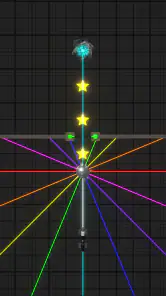
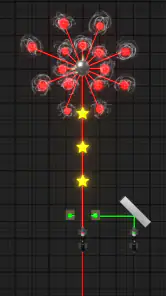
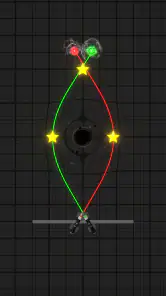
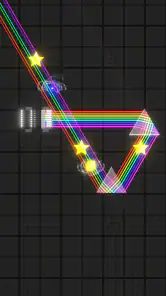
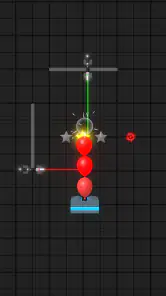
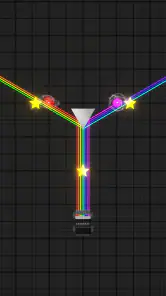
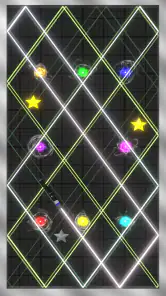
Analysis by Reviewed
I like puzzle games that give me a clear problem to look at but leave the solution open to experimentation. Light Ignite - Laser Puzzle builds its appeal around that balance: it asks you to play with light and reason through what you see, rather than relying on a story or a collection of unrelated distractions. The idea is easy to grasp, but the pleasure comes from noticing how a small adjustment can change the whole arrangement.
A useful way to approach each puzzle
When I play a light-based puzzle, I try to separate what I can see from what I am assuming. A beam’s visible route is evidence; an idea about what a movable element might do is a hypothesis. Keeping those separate helps me avoid treating a guess as a rule. If an attempt fails, I can return to the visible setup and ask which part of my reasoning needs another look.
This method is especially helpful when I have only a few minutes. Rather than rushing through several random attempts, I can make one prediction, test it, and leave with a clearer understanding of the puzzle—even if I have not solved it yet. That makes the game easier to pick up again after an interruption, because I can remember the question I was testing instead of simply remembering that I was stuck.
Why light makes the puzzle work
At its heart, this is a physics-based puzzle game. Instead of treating a beam of light as decoration, it makes light the thing you have to understand and manipulate. That gives each challenge a visual logic: you can inspect the setup, form a theory about what needs to happen, then test your idea and watch the result.
That feedback is the game’s strongest quality. When a solution works, the outcome is immediately visible; when it does not, the puzzle gives you something concrete to reconsider. I find that more satisfying than guessing at an abstract rule or tapping through menus to uncover what a level expects. The screen itself becomes the problem-solving space.
Branching Factor has kept the central concept focused. There is no need to learn a complicated premise before getting to the reasoning. The game is free, and its broad Everyone age rating makes the visual puzzle format approachable for younger players as well as adults. Its store summary is brief, but the practical draw is more specific: it invites you to think about how light behaves, then use that thinking to work toward a solution.
Reading the setup before making a move
My best advice is to pause before changing anything. First, trace the visible path of the light and identify where it stops or fails to reach its intended result. Then look for the element that seems to control that point. This simple habit cuts down on random adjustments and makes each attempt useful, even if it is not the answer.
More From Our News Desk

Weather by Xiaomi Review: Clear at a Glance, Less Clear Up Close

X Under Pressure: Can It Recover When Posting Goes Wrong?

Clash of Clans Is Won Between the Battles

Android Auto Makes the Case for Quieter Car Software

MobiOffice: Transforming Mobile Productivity with Seamless Integration

EA SPORTS FC™ Mobile Soccer: Redefining Mobile Sports Gaming
It also helps to change one thing at a time. If you alter several parts of a setup before checking the result, you may reach a better arrangement without learning why it works. A single, deliberate adjustment makes the cause and effect easier to follow. That turns trial and error into a kind of visual deduction instead of a scramble.
There is a small but important trade-off in this style of play: understanding the goal is not always the same as seeing the route to it. A player who expects every puzzle to announce its logic plainly may need to spend a moment studying the scene. I see that as part of the appeal, but it can feel like friction if you want instant, obvious instructions.
A good fit for short breaks and shared thinking
This is the sort of game I would open while waiting for an appointment or taking a quiet break between tasks. A single light puzzle gives my attention something definite to work on without asking me to settle into a long narrative first. If I get stuck, I can stop and return later with fresh eyes; the visual arrangement gives me a natural place to restart my thinking.
It can also work well as a low-pressure game to play beside someone else. One person can describe what they think the beam is doing while another suggests a change. That turns the puzzle into a small conversation about cause and effect, rather than a competition over who reacts fastest. I would especially recommend that approach for a parent and child or for friends who enjoy solving things together.
For a more focused session, try treating each attempt as a test: state what you expect an adjustment to do, make only that adjustment, and compare the result with your prediction. This gives even a failed move a purpose. It is a more rewarding way to play than repeatedly changing things until something happens, and it helps reveal whether you misunderstood the light path or the goal.
Where it differs from familiar puzzle games
Compared with word puzzles, match-style games, or puzzles built around moving pieces across a grid, Light Ignite leans on visual observation and physical intuition. You are not primarily searching for a hidden word or planning a sequence of tile swaps. You are interpreting a scene and reasoning about light. If you enjoy geometry, optical illusions, or hands-on science demonstrations, that distinction may be exactly what makes it appealing.
The flip side is that it is a narrower kind of puzzle experience. Someone looking for varied themes, character-driven progression, or a broad mix of mechanics may prefer a larger puzzle collection. This game’s identity is tied closely to its light-based premise, so the same focus that makes its challenges coherent may not satisfy a player who wants every level to introduce a radically different activity.
It is also better suited to patient thinking than to frantic play. If you want a game that rewards quick reflexes or lets you make progress without paying close attention, this is probably not the right choice. Here, looking carefully is not downtime between the fun parts; it is the main activity.
What to expect from the wider release
The game was released on December 19, 2019, and its current version is 15.5. It has an average rating of 4.2 from around 43 thousand ratings, with roughly 2.1 thousand written reviews and more than a million installs. Those figures suggest that the light-puzzle idea has reached a substantial audience, though they cannot tell you whether its particular pace and style will suit you.
The minimum operating-system requirement is 7.1. If you are choosing a game for a family device, the Everyone rating is useful context, while the free price makes it easy to try the central idea without paying upfront. I would still judge it by whether you enjoy careful visual reasoning: broad accessibility does not mean every puzzle style is a match for every player.
The friction is part of the decision
The main limitation I would keep in mind is that a physics-themed puzzle can make a failed attempt feel ambiguous. You may know the result is wrong without immediately knowing whether your idea was flawed or whether you overlooked something in the arrangement. The remedy is to slow down, observe the path again, and test one change at a time. Players who dislike pausing to inspect a screen may find that process more irritating than satisfying.
Another trade-off is that the game asks you to bring your own patience. It is not the best choice when you want a constant stream of new stimuli or a lightweight activity that requires almost no thought. On the other hand, if you like the feeling of a puzzle becoming clearer after you examine it from a different angle, that same quiet pace can be a welcome break from noisier games.
I would not pick it as my main recommendation for someone who wants a large social game or a highly varied puzzle anthology. I would pick it for a person who enjoys testing a theory, noticing a visual pattern, and getting a clean sense of cause and effect. That is a more useful way to decide than assuming that all games labeled as puzzles offer the same kind of challenge.
Who will get the most from it
Light Ignite - Laser Puzzle is easiest to recommend to curious players who like to work things out rather than be hurried. It can suit a younger player exploring visual cause and effect, an adult who wants a thoughtful short break, or two people who enjoy talking through a solution together. The strongest fit is someone who can look at a beam, form a hypothesis, and stay interested when the first attempt does not work.
If you prefer action, a detailed story, or a rapid rotation of different mechanics, I would point you toward another kind of game. If you are happy with a focused premise and enjoy learning from each adjustment, this one is worth trying. Its light-based puzzles give you a clear reason to observe closely, and the best moments come when a solution feels earned because you understood the setup rather than stumbled into it.
Making it a better fit for your day
For a realistic everyday use, I would keep it in mind for a quiet wait rather than a moment when I need to divide my attention. If I have a few minutes before an appointment, I can open a puzzle, inspect the path, and make a considered attempt. If my name is called or I need to put the phone away, I can pause the session and return when I have enough attention to think clearly. The game’s appeal is strongest when I can actually look at the arrangement, not when I am trying to play while multitasking.
That also answers a practical question about who should skip it: anyone who wants a game to fill every spare second with rapid action may find the deliberate pace too quiet. Players who enjoy touch-based experimentation but dislike uncertainty may also want a more explicit puzzle format. Here, the useful habit is to treat each result as information and avoid changing multiple things at once; without that patience, the central mechanic can feel more like trial and error than deduction.
My overall view is positive but specific: this is a good pick for a calm, visual reasoning session, not a universal answer for every puzzle fan. Start by studying the beam, make one purposeful change, and use the result to refine your next idea. If that process sounds satisfying, Branching Factor’s game offers a simple, distinctive way to spend a break thinking about how light moves.
Light Ignite - Laser Puzzle Frequently Asked Questions
What is Light Ignite - Laser Puzzle?
Light Ignite - Laser Puzzle is a logic game built around directing beams of light through a puzzle board. You typically need to position or rotate elements so a laser reaches its target, with each level testing your ability to plan a route and understand how the pieces interact. Its appeal comes from solving compact challenges rather than fast action, making it suitable for players who enjoy thoughtful, visual puzzles.
How do you play Light Ignite - Laser Puzzle?
The basic goal is to guide a laser from its source to the required destination by adjusting the pieces available on the board. Depending on the level, this may involve redirecting a beam, overcoming obstacles, or activating targets in the right way. Take a moment to inspect the layout before making moves: tracing possible paths mentally can help you avoid trial and error. Controls and mechanics may vary with the game version.
Is Light Ignite - Laser Puzzle suitable for children and casual players?
The game’s laser-and-light theme and puzzle format can be approachable for casual players, and it does not rely on the reflexes needed in action games. However, later challenges may require patience, spatial reasoning, and repeated attempts, so younger players could appreciate occasional help. Check the store listing for the current age rating and any content guidance, particularly if you are downloading it for a child.
Does Light Ignite - Laser Puzzle work offline, and does it include ads or in-app purchases?
Offline availability, advertising, and optional purchases can depend on the version and platform, so it is best not to assume every feature works the same on Android and iOS. Review the app’s store page before downloading for details about internet requirements, ads, and in-app purchases. If you prefer uninterrupted play or need to manage spending, check those disclosures and device purchase settings first.
Is Light Ignite - Laser Puzzle free, and what should I check before downloading?
The price and download requirements may differ by store, region, and device, and a free download does not necessarily mean every feature is free. Before installing, confirm the app’s current price, supported operating-system version, available storage, developer information, and recent user reviews. Also check requested permissions and the store’s privacy details so you understand what information the app may collect or how it may be used.
Pros
- Easy-to-understand rules make it approachable for new puzzle players.
- Laser paths and mirrors create satisfying visual feedback.
- Levels encourage planning ahead rather than quick reactions.
- Short puzzles are convenient for casual play sessions.
- A calm
- focused format suits players who enjoy logic challenges.
Cons
- Later puzzles may feel repetitive if you want frequent new mechanics.
- A single incorrect placement can require reworking much of a solution.
- The minimalist presentation may lack variety for some players.
- Puzzle difficulty can feel uneven as you progress.
- Players seeking action or a strong story may find it too subdued.
- Category
- Puzzle
- Version
- 15.5