I Am Cat
- 2.79K
- 4.5
- Installs
- 10.00M
- Price
- Free

Screenshots
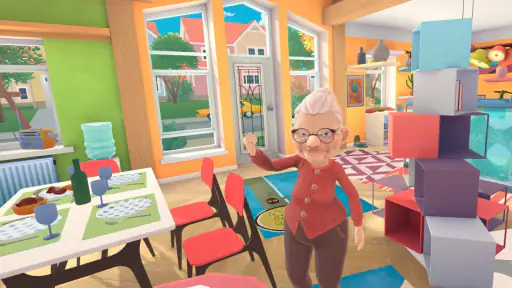
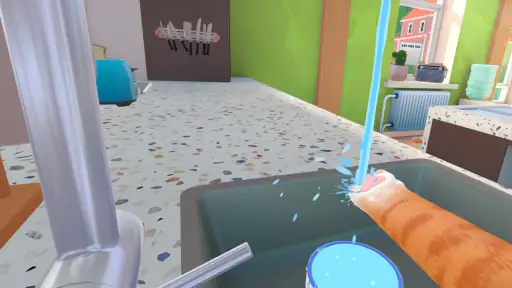
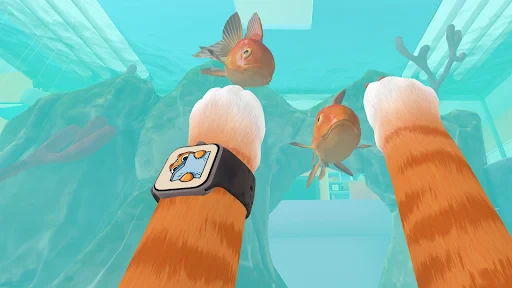
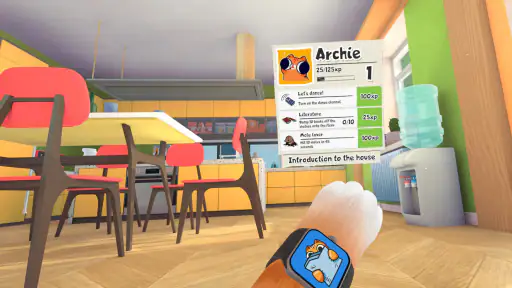
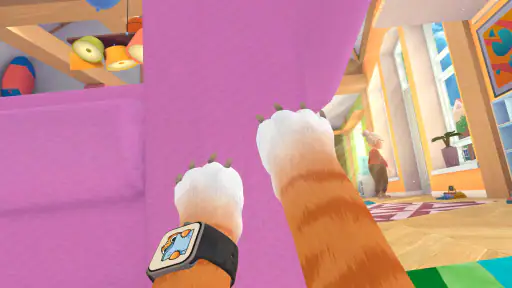
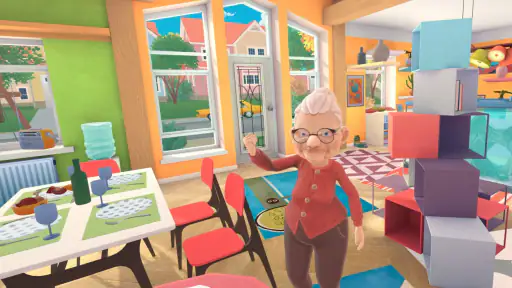
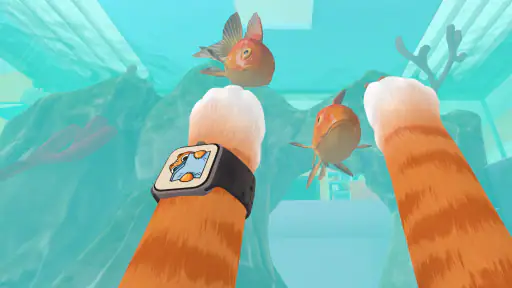
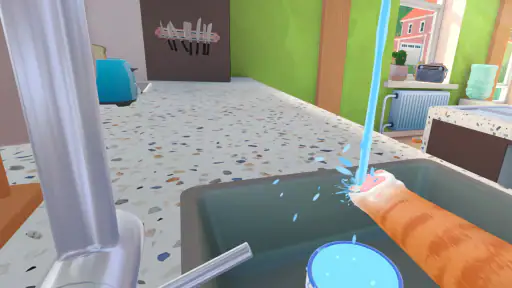
Analysis by Reviewed
I tend to enjoy simulation games most when they give me room to experiment rather than pushing me through a strict checklist. That is the appeal of I Am Cat: it puts a cat’s point of view at the center and invites playful trouble in familiar spaces. I would approach it as a casual game for short, low-pressure sessions, not as a demanding life simulator with deep systems to master.
Finding your own small objective
Before deciding whether this sort of play is for you, it helps to think about what you want from a simulation. Some games ask you to build, manage, and optimize; this one is more appealing when you want to try things simply because a cat might. I would treat a room as a place to investigate, not a puzzle with one correct solution. That shift makes the loose structure feel intentional rather than unfinished.
A practical way to keep a session satisfying is to choose a modest aim before you start: find a new route through a space, test what can be reached, or focus on one kind of interaction. If you let curiosity lead without expecting a major reward every few minutes, the game’s small discoveries have more room to land. On the other hand, if you need missions to tell you exactly what to do next, the open-ended approach may feel directionless.
Choosing how to cause a little trouble
The fun here comes from imagining what a curious cat might do with an ordinary room. I like the freedom implied by moving around, leaping onto surfaces, and poking into tight spots; those actions make the environment feel like a playground instead of a backdrop. A useful way to play is to pick one small goal for a session—explore a corner, try a route across the furniture, or see what interaction catches your attention—rather than expecting a long, structured mission.
That loose approach is also a trade-off. Players who want clearly explained objectives, a detailed story, or a steadily expanding set of management systems may find the experience too light. Compared with many simulation games focused on building, schedules, or resource planning, this one is better suited to spontaneous exploration and comic mischief. It is the sort of game I would open when I want to unwind without needing to remember a complicated plan.
Risk, reward, and a sensible session
The mischief is the point, but I would still treat each room as a space to learn rather than assume every action has the same payoff. Try a route, notice what the game lets you interact with, then change direction if it stops being interesting. That small experiment-and-adjust rhythm gives a casual session a little purpose without turning play into work. It is also a practical tip for younger players: explore one area at a time, so the game remains easy to follow.
For an everyday example, I can see myself opening it after dinner for a brief break, choosing a nearby spot to explore, and stopping once the novelty has worn off. It does not need to become a long commitment to be enjoyable. If you are deciding whether it suits a child, its Everyone age rating is reassuring, though I would still check that the playful, mischievous premise is the kind of humor you want them to spend time with.
More From Our News Desk

Clash of Clans Is Won Between the Battles

Android Auto Makes the Case for Quieter Car Software

MobiOffice: Transforming Mobile Productivity with Seamless Integration

EA SPORTS FC™ Mobile Soccer: Redefining Mobile Sports Gaming

How Microsoft OneDrive Became a Mobile Productivity Giant

How Google Translate Breaks Language Barriers Effortlessly
Making the play fit your mood
That short-session rhythm also makes the game an easy choice when I have a few spare minutes but do not want to start something demanding. I would avoid opening it when I am looking for a tightly paced challenge or a story I can follow in stages; a relaxed cat simulator is not a substitute for either. If a child is playing, a simple shared routine works well: let them pick one area to explore, then ask what they found interesting rather than turning the session into a task list.
It is also worth being realistic about what “simulation” means here. The appeal is inhabiting a cat-like perspective and playing with the space, rather than learning the responsibilities of caring for a real pet. If you want feeding routines, health decisions, or a detailed account of animal behavior, I would choose a dedicated pet-care game instead. This distinction can prevent a mismatch, especially for parents choosing a game because a child loves cats.
Stepping Into Feline Paws
When I first fired up I Am Cat, I was immediately drawn into its whimsical world. The game offers an immersive simulation where you get to explore everyday environments from a cat’s perspective. From jumping on countertops to squeezing into impossibly small spaces, every action is delightfully cat-like. The controls are intuitive, making it easy to leap, pounce, and nap your way through the game.
A Day in the Life
The game unfolds various scenarios that mimic real-life cat adventures. One moment, you’re chasing a pesky mouse under the sofa, and the next, you’re lazily sunbathing by a window. The developers have done a fantastic job of capturing those quirky cat behaviors that we both love and sometimes find baffling. And honestly, who wouldn’t want to spend an afternoon knocking things off shelves?
Learning the spaces instead of rushing
For me, the most useful habit is to pause when I enter a space and look for possible paths before moving straight toward the first obvious point of interest. That turns basic movement into a small experiment: what can I reach, where does a route lead, and is there another way to approach the same spot? It is not about treating the game like a difficult platform challenge; it is a way to make exploration more deliberate when the action itself is light.
There is a trade-off to that approach. Taking time to test routes can make a familiar area feel richer, but it will not create a deeper objective system if that is what you are looking for. I would use this kind of self-made aim when I want a playful diversion, then move on once I have had my fill. Players who prefer clear progress markers may be happier with a simulation that explicitly tracks goals and rewards.
Visuals and Sounds
Visually, the game is a treat. The graphics are vibrant and detailed, bringing each environment to life. The attention to detail is pawsitively impressive, from the flick of a tail to the twitch of a whisker. Coupled with a soothing soundtrack and realistic sound effects, it’s easy to lose track of time as you play.
Small discoveries and changing your approach
When one way of exploring stops being fun, I would change the question rather than repeat the same route. Instead of asking only where I can go, I might pay attention to what the room invites me to interact with, or see whether approaching from a different direction changes the feel of a familiar space. This is a modest form of adaptation, not a promise of hidden systems; it simply helps me get more out of the game’s central premise.
That choice also helps set expectations for different players. Someone who enjoys watching a cat investigate a home may be content with small moments and amusing behavior. Someone who wants a complicated sandbox with many interlocking rules may find that the basic pleasure of moving around does not provide enough variety on its own. I would decide based on whether playful observation is rewarding for me, rather than assuming every simulator offers the same depth.
How it holds up over time
Because the appeal rests on exploring and trying out cat-like antics, I would judge its staying power by how often I still feel curious about the next interaction, not by how quickly I can finish a checklist. To keep it fresh, I would vary the way I move through a familiar space and give myself a different small aim each time. If you need a clear sense of long-term progression, though, a more goal-driven simulation may be a better fit.
The game is free to start, with optional in-app purchases priced from $1.99 to $4.99 per item. I would begin without spending and decide later whether anything offered is worth it to me; the basic appeal is the cat-centered play, not the act of buying extras. It was released on February 22, 2025, and version 1.0.11 requires Android 8.0 or later. Estoty has a recognizable audience for the game, with an average rating of 4.5 from 76K ratings, 2.8K reviews, and over 10 million installs.
Thinking about cost and commitment
Because it costs nothing to start, I would use the first sessions to find out whether the style of play suits me before considering any optional purchase. The in-app items range from $1.99 to $4.99 each, so it is sensible to check what an item actually offers and whether it addresses something I want before paying. I would not buy anything simply because I assume it is necessary to enjoy the central cat role.
For a parent, that is a useful point to handle ahead of time: free entry does not mean every possible purchase is free. I would set expectations about spending before handing over a device, particularly if a child can browse purchase options. For an adult who just wants a casual game, the straightforward approach is to play first, decide whether the experience holds attention, and only then weigh an extra against its price.
Why You Should Play
Aside from the sheer joy of pretending to be a cat, the game offers a relaxing escape from the hustle and bustle of daily life. It’s perfect for winding down after a long day, or when you just need a quick mental getaway. Plus, it’s a great conversation starter with friends who are also cat enthusiasts.
How it compares with other simulation games
The useful comparison is not with a deep management simulator but with other low-pressure animal or sandbox games. A pet-care title is a better pick if I want ongoing responsibility and routine; a construction or management game is better if I enjoy planning a system and watching it develop. This game’s appeal is narrower and more immediate: it asks me to enjoy movement, curiosity, and comic cat behavior without making long-term administration the main activity.
That narrower focus can be a strength on a busy day, since I do not need to keep track of a complex plan between sessions. It can also be a limitation if I expect every return to reveal a new layer of strategy. I would recommend it to someone who values a compact playful mood, but not to a player who measures a simulation by the depth of its economy, progression, or management choices.
Who will enjoy this kind of cat simulator?
I would recommend it most to players who enjoy lighthearted animal games, casual exploration, and silly interactions more than competition or elaborate progression. It can also be a fun pick for someone who likes sharing amusing moments with a friend, even if that friend is only watching. I would skip it if I wanted a realistic pet-care routine, a serious challenge, or a simulation built around careful long-term planning; those expectations ask for a different kind of game.
Who should look elsewhere
I would be cautious if repetitive actions quickly lose their charm for you, or if you need a strong sequence of goals to stay engaged. The same freedom that lets me wander without pressure can leave a player wondering what to do next. In that situation, a mission-led adventure or a pet game with explicit care tasks would provide firmer direction. Likewise, anyone seeking competitive play or a demanding skill test should choose a genre built around those priorities rather than expecting this one to supply them.
On the other hand, it is a comfortable fit for someone who likes to share a screen, point out amusing details, and take turns suggesting where the cat should explore. That does not require the game to become a formal multiplayer activity; it is simply a way to make the small moments social. If the person beside you enjoys cats but does not usually play games, the clear premise may make it easier to watch and understand than a complicated management simulation.
My strategy verdict
I see this as a game best enjoyed with a light plan and low expectations for formal progression: choose a small objective, explore at your own pace, and stop when the room has given you enough amusement. That approach respects what it does well without asking it to become a different kind of simulator. Its free starting point makes it easy to test, while optional purchases are worth considering only if you have a specific reason to spend.
Estoty’s cat-focused simulation is most convincing when I treat it as a playful break rather than a long-term project. The Everyone rating broadens who can try it, and the game has an average rating of 4.5, with more than 10 million installs. Those figures suggest it has found a sizable audience, but the right question for me is still whether its unhurried exploration matches my mood. If it does, I would happily spend a little time poking around; if I want structure, realism, or deep planning, I would pick another game.
So, if you’re looking for a fun and light-hearted way to experience life as a cat, give it a try. It’s a purrfect blend of relaxation and entertainment that you won’t want to miss!
I Am Cat Frequently Asked Questions
What does a typical play session in I Am Cat involve?
I Am Cat is built around taking on the role of a mischievous kitty and causing chaos in a playful simulation. A session is suited to exploring the cat-themed experience and enjoying its lighthearted premise at your own pace. If you are looking for a competitive game or a tightly structured challenge, its appeal is more about playful antics than that kind of pressure.
Can I play I Am Cat offline?
Whether I Am Cat works without an internet connection can matter if you plan to play while travelling or away from Wi-Fi. The game’s core idea is a personal cat-simulator experience, but offline availability can depend on how the game handles startup and any connected features. Check the game’s behavior on your device before relying on it for a trip without internet access.
What is 'I Am Cat' about?
'I Am Cat' is a simulation game that allows players to experience life through the eyes of a cat. Players can explore various environments, interact with objects, and complete fun missions. The game is designed to offer a relaxing and immersive experience, capturing the whimsical and curious nature of being a cat. Its playful premise centers on causing chaos as a mischievous kitty, so it may appeal to players who enjoy lighthearted cat-themed antics.
Who developed 'I Am Cat', and what kind of game is it?
'I Am Cat' is a simulation game developed by Estoty. Its cat-focused premise puts playful exploration and interactions at the heart of the experience, making it a fit for players looking for a lighthearted game rather than a realistic simulation. The game is free to download, and its age rating is Everyone, which can help families decide whether its general style suits the players in their household.
Is 'I Am Cat' free to play?
Yes, 'I Am Cat' is free to download and play. However, it offers optional in-app purchases priced from $1.99 to $4.99 per item, which can enhance gameplay by unlocking additional features, items, or levels. Users can enjoy the core experience without spending money, while players who want to expand their gameplay can choose whether to make a purchase.
Pros
- Engaging simulation gameplay.
- High-quality graphics and animations.
- Interactive and entertaining scenarios.
- Wide variety of cat breeds to choose.
- Regular updates with new features.
Cons
- In-app purchases can be expensive.
- Some features require internet access.
- Occasional bugs and glitches.
- Limited customization options.
- Ads can be intrusive at times.

- Category
- Simulation
- Version
- 1.0.11