Hearts - Card Game Classic
- 5.97K
- 4.5
- Installs
- 1.00M
- Price
- Free

Screenshots
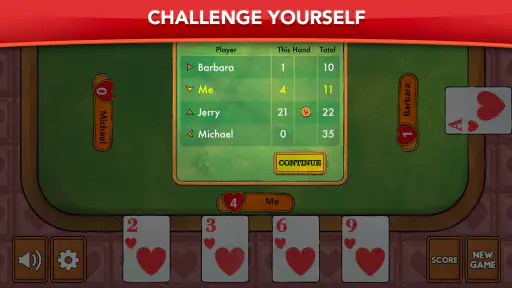
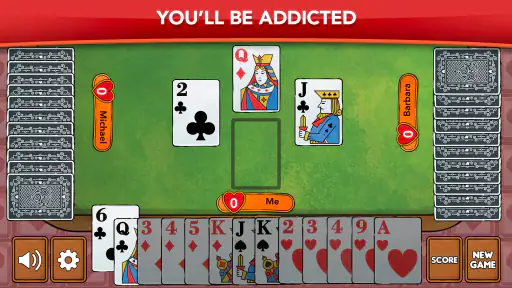
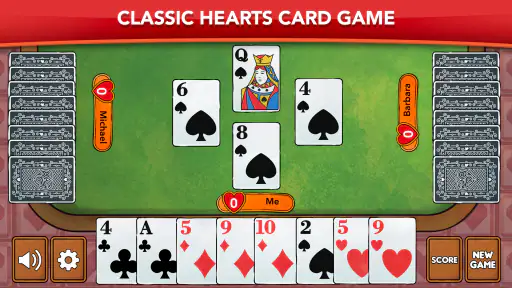
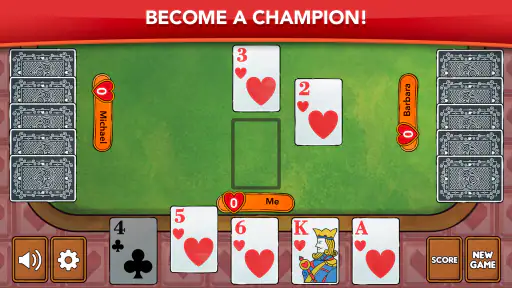
Analysis by Reviewed
I keep coming back to Hearts - Card Game Classic for the same reason I return to a physical deck: the rules are easy to recognize, but every hand still asks me to make a fresh decision. This is a focused card game from FIOGONIA LIMITED, built around Hearts rather than a collection of unrelated distractions. My overall view is simple: it is a good choice when I want a familiar trick-taking game that I can play online or offline, especially in short sessions, but it is less suitable for someone looking for a large social platform or a constantly changing card-game experience.
The game is free to download and aimed at Everyone, which makes it easy to recommend for casual family play or for someone discovering Hearts for the first time. It has reached over one million installs and holds a 4.5 average from around nineteen thousand ratings, so it clearly has an audience beyond the occasional curious download. Those figures do not replace personal experience, but they fit what I found: this is a straightforward, approachable game whose main value comes from letting the rules carry the entertainment.
Why the simple Hearts format works so well
Hearts is a trick-taking game with a wonderfully awkward objective: I am not trying to collect the most valuable cards. I am trying to avoid the cards that hurt my score, while sometimes choosing the right moment to take a risk. That reversal gives every trick a little tension. A high card can be a burden, a low card can be a rescue, and a hand that looks comfortable can become dangerous once the suits start disappearing.
That makes this particular game a better fit for thoughtful casual play than for mindless tapping. I can begin a round quickly, but I still need to watch which suits other players are losing, remember where dangerous cards may be, and decide whether a trick is safe before playing. The best moments are not dramatic animations; they are the quiet decisions where I deliberately let another player win a trick because taking it myself would be worse.
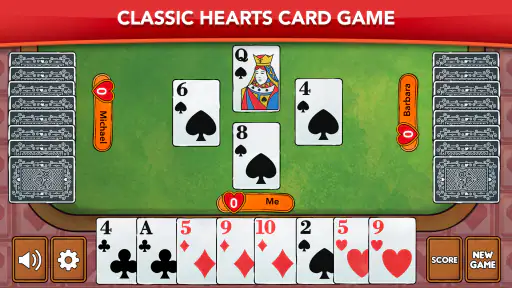
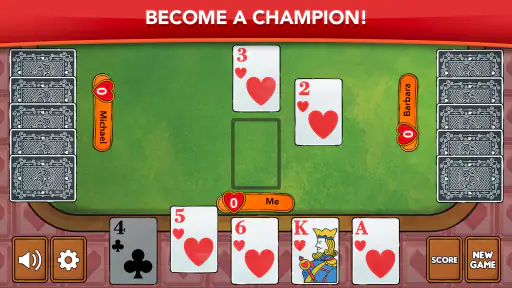
The presentation stays close to what I expect from a classic card table. That is a strength. I do not need to learn a new visual language or understand a complicated progression system before playing. The cards remain the focus, and the familiar format means I can spend my attention on strategy instead of menus.
A useful game for short breaks
One of the strongest practical qualities is its flexibility. Because it supports online and offline play, I can use it in two very different ways. When I have a connection and want a more social match, online play is the natural choice. When I am travelling, waiting somewhere, or simply trying to reduce distractions, offline play makes the game more dependable than a card app that requires a live connection for every round.
A realistic example is a train journey with an unreliable signal. I can start a hand without planning a long gaming session, play carefully for a few minutes, and stop when I reach my destination. The game does not demand the same commitment as a strategy title with a campaign or a multiplayer game that expects me to stay online. That makes it especially comfortable for people who enjoy card games in small pieces rather than in extended evening sessions.
There is also a useful mental rhythm to the rounds. At the start, I think about the cards I would prefer to avoid and the suits that may give me an escape. In the middle, I pay attention to who is running out of a suit. Near the end, I become more conservative because the remaining cards reveal much more about the likely risks. Even without a complicated tutorial, the structure encourages me to improve simply by paying closer attention each time.
What I learned after playing more carefully
The first non-obvious lesson is that I should not judge a hand only by its high cards. A hand with several high cards may look powerful in an ordinary trick-taking game, but in Hearts those cards can force me to capture unwanted points. I now look for ways to lose control at the right time, especially when another player is likely to take the trick with a card that creates a worse problem for them.
The second lesson is to treat suit shortages as information, not merely as a way to win a trick. Once I notice that a player cannot follow a suit, I know that player may be able to pass unwanted cards into later tricks. That changes how I lead and how willing I am to play a seemingly harmless card. A player who ignores this detail may feel that the game is random; a player who tracks it begins to see why certain hands turn suddenly.
The third useful habit is to avoid playing too quickly after a familiar-looking lead. The obvious response is not always the safest one. Before I tap a card, I check whether winning the trick gives me a dangerous suit position on the next turn. This extra pause is small, but it turns the game from a reflex exercise into a genuine decision-making experience.
These are not advanced features in the usual app sense. They are strategic advantages created by the rules and by the way the digital table keeps a round moving. That is important because the game’s appeal is not based on collecting content. Its depth comes from reading the hand, remembering what has appeared, and accepting that the best move may be the one that looks weakest.
Where it feels more limited than the best alternatives
The same focus that makes the game approachable can also make it feel narrow. If I want a broad card-game app with several different games, elaborate rewards, or a large social layer, this is not the obvious destination. Hearts is the center of the experience, and anyone who tires of that format quickly may not find enough variety to stay interested.
It also asks me to bring my own patience. The game can teach the basic idea of avoiding penalty cards, but becoming consistently good requires observation and repetition. A player who wants immediate wins may blame luck, especially during hands where the opening cards create difficult choices. In my experience, the randomness is part of the character of Hearts, but it also means the app will not satisfy someone who prefers complete control over every outcome.
Online play adds another consideration: the experience depends on the quality of the current match and on how comfortable I am playing against other people. A live opponent can make the game more unpredictable and rewarding, but it can also make a short session feel less convenient than an offline round. When I only have a few spare minutes, I prefer the offline option because I can play at my own pace without treating the session like an appointment.
There is also a financial point worth keeping in mind. The game is free, but optional in-app purchases range from ninety-nine cents to twenty-nine dollars and ninety-nine cents per item. I would not install it assuming that every part of the experience is entirely free of spending prompts. For me, the sensible approach is to enjoy the basic card game first and decide later whether any optional purchase adds enough value to justify it. The free entry is attractive, but it does not mean the app has no commercial layer.
How it compares with playing Hearts elsewhere
Compared with a physical deck, the app removes the setup work. I do not need three other people, a table, score paper, or someone to deal. That convenience is the main reason I would choose it on an ordinary day. A physical game is still better when I want conversation and face-to-face reactions, but the app wins whenever finding a full group is the real obstacle.
Compared with a general card-game collection, this title is more concentrated. A collection may offer more variety, yet that variety can dilute the feeling of learning one game properly. Here, I can build a better instinct for Hearts because the rules remain stable and the strategic questions return in different forms. The trade-off is obvious: variety-focused players should look elsewhere, while players who specifically enjoy Hearts may appreciate the narrower design.
Compared with playing against people in person, online matches offer access to opponents beyond my immediate circle, while offline play offers convenience without coordination. Neither completely replaces the social warmth of a room with friends. I see this game as a practical bridge between those experiences, not a perfect substitute for either one.
Who will get the most from it
I would recommend it to someone who already knows the basic Hearts rules and wants a clean way to play more often. It is also a sensible starting point for a newcomer who enjoys card games and is willing to learn through several hands rather than expecting instant mastery. The Everyone age rating makes it approachable for a broad audience, and the familiar structure gives new players a clear reason to keep practicing.
It suits people who like quiet strategy, pattern recognition, and decisions with delayed consequences. If I enjoy noticing that a player is out of a suit, tracking which dangerous cards have already appeared, and choosing a safe-looking card for a deeper reason, I will probably find more substance here than the short description suggests.
I would be more cautious about recommending it to someone who needs constant novelty. Players seeking deck construction, collectible cards, a story campaign, or a large selection of unrelated games may find the focused design too restrained. It is also not my first choice for a person who dislikes losing because of an awkward deal. Hearts rewards good judgment, but it never removes uncertainty from the hand.
For families, the best use may be alternating between offline practice and online matches. A newer player can become familiar with the flow without pressure, then try a live game once the basic decisions feel natural. For experienced players, the useful routine is to review each hand mentally afterward: which card forced the bad trick, which suit shortage changed the plan, and whether a safer lead was available. That turns casual play into gradual improvement without requiring a formal training mode.
Practical details before downloading
The game was released on October 4, 2018, and the current version is 2.3.3. It runs on Android 7.0 or later, so people using an older device should check compatibility before making room for it. Those details matter less than the core gameplay, but they help set expectations: this is an established card game rather than a brand-new experiment, and the current build is the one I would use when judging the experience today.
Because it is free, the easiest way to evaluate it is to play several hands in both available contexts. I would not decide after one unlucky round. Hearts can make a poor first impression when the deal is uncomfortable or when I misunderstand the penalty structure. After a few games, the more useful question is whether I enjoy managing risk and remembering the table. If I do, the app has enough repeat value to become a regular time-filler.
I would also keep the purchase model in mind before handing the device to a child, even though the content rating is Everyone. The game itself is accessible, but optional purchases are still part of the app’s setup. For an adult player, that is easy to treat as a boundary: play the free experience first, and only consider spending if the extra option clearly improves the way I use it.
My final recommendation
The strongest reason to choose Hearts - Card Game Classic is its balance between instant familiarity and gradual strategic depth. I can open it for a quick hand, play without a connection when necessary, or use online play when I want an opponent beyond the usual group. The game respects the classic rules enough to feel recognizable, while the digital format removes the practical barriers that often stop me from playing a physical version.
Its weaknesses are equally clear. The experience is specialized, not broad; the luck of the deal can frustrate; and the free download includes optional purchases that some players may prefer to avoid. None of those issues ruins the game, but they define who should install it. I would skip it if I wanted a constantly expanding card collection or a social game built around conversation and customization.
For everyone else, especially anyone who enjoys classic trick-taking games, I think it is worth trying. FIOGONIA LIMITED has kept the focus where it belongs: on reading the table, avoiding the wrong tricks, and finding a clever escape when a hand turns against me. I would recommend it to a friend who wants a dependable Hearts game for both connected and disconnected play, with the honest warning that its best rewards come from learning the decisions rather than chasing instant wins.
Pros
- Simple rules make it easy for beginners to start playing.
- Offline mode lets you enjoy matches without an internet connection.
- Short rounds work well for quick gaming sessions.
- Multiple difficulty levels provide a gradual challenge.
- Familiar classic gameplay appeals to traditional card game fans.
Cons
- Limited variety may make the experience repetitive over time.
- Computer opponents may feel predictable at higher skill levels.
- Ads can interrupt play in the free version.
- Few social features for competing with friends online.
- Some advanced options may be restricted behind purchases.

- Category
- Card
- Version
- 2.3.3