CSR 2 Realistic Drag Racing
- 640.36K
- 4.6
- Installs
- 50.00M
- Price
- Free

Screenshots



Analysis by Reviewed
When I consider a racing game for a phone that gets shared around a household, I first ask whether it works in natural stopping points. CSR 2 Realistic Drag Racing is built around drag races rather than long drives, so a player can take a short turn and put the device down. That makes it easier to fit into a spare moment than a racing game that expects you to finish a lengthy circuit before handing over the screen.
Sharing a device without mixing up expectations
A quick handoff does not automatically make a shared device a shared game space that everyone will enjoy. I’d agree on who is playing and whose progress matters before passing the phone around. If separate progress is important, check how the game handles accounts and saved play before settling on one household setup rather than assuming every player will have an independent profile.
That is especially useful when one person is focused on collecting cars and another only wants the occasional race. They may approach the same game very differently, and choices made during one person’s turn may affect what the next person sees. A simple household rule—ask before making a purchase or changing something another player cares about—can prevent avoidable friction without turning casual play into a formal schedule.
Make the shared-device boundaries clear
The game is free to download, but it offers in-app purchases ranging from $0.99 to $119.99 per item. That makes purchase boundaries worth discussing in advance. If a child or another household member uses the same device, agree on whether spending is allowed and who must approve it. I wouldn’t treat the game’s free entry point as a promise that every part of progression will remain cost-free.
For a household, the practical question is less “Can we all play?” and more “Are we comfortable sharing one game space?” Keep track of who is using the device and avoid assuming that one person’s choices or progress will suit everyone. If separate progress matters, check how the game handles accounts and saved play before settling on a shared setup.
Short sessions work better than household scheduling
A useful routine is to let each person play during their own downtime instead of trying to coordinate a whole group around live competition. For example, someone waiting for dinner can take a brief turn, while another player can pick up the device later. The quick-race format is a better fit for that pattern than racing games built around long circuits or extended exploration.
That distinction also helps when choosing between racing styles. If your household wants open roads, varied routes, and the feeling of steering through a long race, a conventional circuit or arcade racer may be a better match. This game is centered on drag racing, so its appeal comes from focused runs and the car-collection angle rather than broad track variety.
More From Our News Desk

Clash of Clans Is Won Between the Battles

Android Auto Makes the Case for Quieter Car Software

MobiOffice: Transforming Mobile Productivity with Seamless Integration

EA SPORTS FC™ Mobile Soccer: Redefining Mobile Sports Gaming

How Microsoft OneDrive Became a Mobile Productivity Giant

How Google Translate Breaks Language Barriers Effortlessly
There’s a small but useful trade-off in that focus: a race can be brief, yet improving a car and deciding how to approach the next run can make the overall session longer. I’d set a stopping point before starting if the game is being used during a short break. That keeps “one more race” from turning into an unexpectedly long stretch of play.
Age, trust, and the right kind of racing game
Age is another household consideration. The game is rated Teen, so I’d check whether that rating fits the person who will be playing and discuss online competition and spending in a way that makes sense for their age. A rating is a useful starting point, not a substitute for a parent or guardian deciding what feels appropriate.
Created by Zynga, this free racing game has an average rating of 4.6 from around 5.2 million ratings, and it has passed 50 million installs. Those figures suggest a large audience, but they don’t tell you whether its narrow drag-racing format will suit your household. It’s currently at version 5.7.0, with Android 7.0 as the minimum OS requirement.
Revving Up the Engines
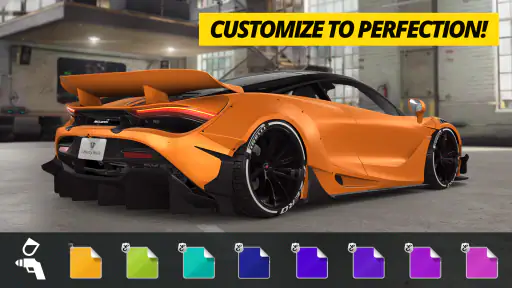
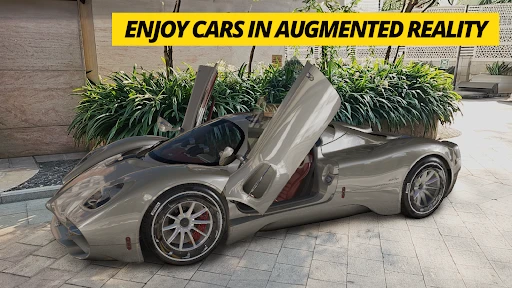
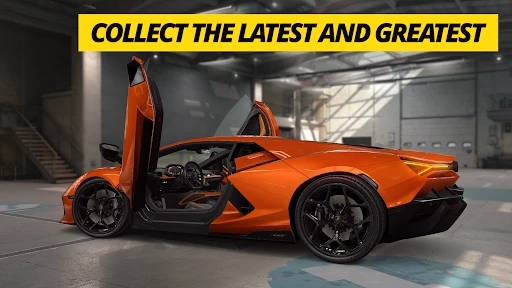
The first thing you notice when you fire up CSR 2 Realistic Drag Racing is the incredible attention to detail. The graphics are absolutely stunning, almost photorealistic, which is something you don’t often see in mobile games. From the gleaming paintwork of your car to the realistic lighting effects, everything screams high-quality production. It’s like having a console experience in the palm of your hand.
The Thrill of the Race
Let’s talk about gameplay because, honestly, that’s where this app shines. The races are short, intense, and require a good amount of strategy. You’re not just hitting the gas and hoping for the best. Perfecting your launch, timing your gear shifts, and using your nitrous at the right moment can make all the difference between winning and losing. It’s these small details that make each race feel fresh and exciting.
For a newcomer, I’d treat early runs as practice rather than judging the game by a single result. Pay attention to where a launch or shift goes wrong, then change one thing on the next attempt instead of trying to adjust everything at once. That makes the timing-based challenge easier to understand and gives each short race a purpose beyond simply chasing a win.
This format is also a matter of taste. Compared with a conventional circuit racer, the focus here is less on steering through corners and more on executing a clean sequence during a compact run. If the fun you want is route choice, braking points, and recovering from a bad turn, another style of racing game will likely hold your attention longer. If you enjoy refining small timing decisions, the narrow focus can be a strength rather than a limitation.
Customization and Collection
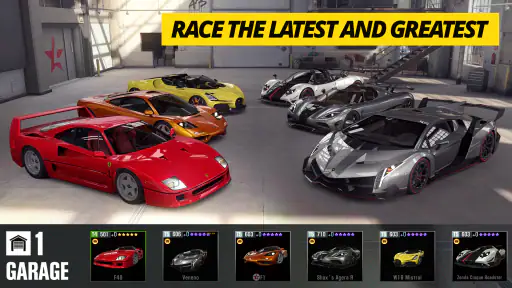
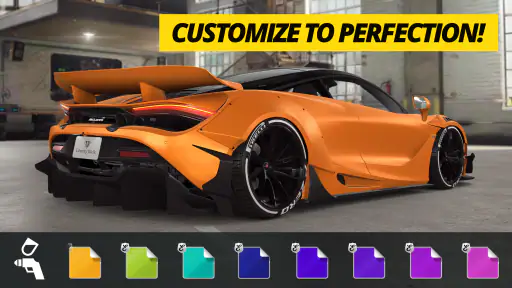
Who doesn’t love a good customization feature? CSR 2 offers an extensive range of customization options. Whether you’re tweaking your engine for optimal performance or altering the aesthetic look of your car, the possibilities seem endless. Plus, the game features an impressive roster of officially licensed vehicles from major manufacturers like Ferrari, Lamborghini, and McLaren. Collecting these cars feels like collecting real-life Hot Wheels.
One practical way to approach that collection is to decide what you enjoy most before chasing every available option. If you care about performance, prioritize changes that help your driving plan; if the visual side is what keeps you engaged, take time to make a car feel like yours. Trying to pursue every collectible and every upgrade at once can turn a satisfying hobby into a constant checklist, especially for a player who only has a few minutes at a time.
The collection angle also changes how I’d think about progress on a shared phone. A car someone has spent time tuning may feel personal, even when the device belongs to the household. I’d avoid experimenting with another player’s setup without asking. That small boundary matters more here than in a game where each short session is completely detached from a growing collection.
Community and Competition
One of the standout aspects of CSR 2 is its active online community. The game encourages you to join a crew and participate in events that span across the globe. It’s not just about solo play; it’s about being part of a larger community that shares your passion for racing. Competing in live races against players worldwide adds an extra layer of excitement and challenge.
That social side is best for someone who wants competition to continue beyond a single run. It can also make play less convenient for a household that wants every session to be pause-anytime and entirely private. I’d keep solo practice and shared-device turns separate from any plans that depend on other players being available, and I’d discuss online interaction with younger players rather than assuming every household is comfortable with the same level of participation.
Who will enjoy it—and who should look elsewhere
I’d recommend it to players who like cars as much as the act of racing, enjoy chasing better timing, and are happy to make progress through focused drag runs. It can suit an adult taking a quick break, a car enthusiast who likes building a collection, or a household sharing one device in turns—provided everyone agrees on progress and spending boundaries.
I’d skip it if you mainly want free-roaming streets, varied circuits, deep steering control, or a racing experience that feels like a long uninterrupted drive. It is also a weaker fit for someone who dislikes in-app purchase offers or finds collection and upgrade goals hard to ignore. The game is free to start, but its purchase range makes a clear spending conversation sensible, particularly on a device used by more than one person.
On a typical weekday, I can see this working as a short after-school or after-dinner turn: one person takes a run, puts the phone down, and someone else plays later without needing the whole household to gather for a long race. The useful limit is that tuning, collecting, and online competition can stretch the session beyond the race itself. I’d decide in advance whether the turn is just for a couple of runs or whether there is time to work on a car as well.
A practical way to keep progress enjoyable
For a solo player, I’d use a simple loop: choose one car to focus on, run a few races, and then review whether a change actually helped before spending more time or currency on it. That gives the tuning side a clear purpose and makes it easier to notice what your own timing contributes. It also avoids treating every new option as an obligation. The collection is most enjoyable when it reflects a preference, not when it becomes a race to own everything.
On a shared phone, that same approach needs one extra step: say whose turn it is to make decisions that affect a car’s setup or collection. A younger player might enjoy the visual choices while an older one cares about performance, and there is no reason those interests have to compete if each person gets a clear turn. If that arrangement sounds too fussy for your household, a racer with separate, self-contained sessions may be a calmer choice.
What to expect from the free starting point
The game costs nothing to download, which makes trying its drag-racing rhythm relatively easy. I’d still go in with a realistic expectation: the free start does not mean every optional purchase or progression choice is irrelevant. The listed in-app purchase range runs from $0.99 to $119.99 per item, so I’d treat purchases as an adult decision and not as a shortcut children can make casually. If spending is off the table, decide that before the first session and stick to it.
That price range also affects how I compare it with other mobile racers. Some players would rather pay upfront for a simpler experience, while others are comfortable with a free download and optional spending. Neither preference is wrong, but someone who strongly dislikes purchase prompts or collection-driven goals may be happier with a paid or less progression-focused alternative. The key question is whether you enjoy the racing enough to ignore optional purchases without feeling that you are missing the point.
Choosing the right moment to play
Although individual races are compact, I would not assume the whole game is ideal for every tiny break. A quick run fits a short pause; tuning decisions, collecting, and online activity can invite a longer session. If I had only a few minutes before leaving home, I’d avoid starting a task that depends on finishing a sequence or coordinating with other players. At home, with more time and no one waiting for the device, I’d be more inclined to explore the garage and refine a setup.
That difference is useful for parents and anyone sharing a phone: agree not only on who gets the device, but also on when the turn ends. A clear boundary is easier to follow than asking someone to stop in the middle of a goal they have become invested in. It is a small routine, but it helps preserve the best part of the format—short races—without pretending that every surrounding activity is equally brief.
In conclusion, if you're looking for a racing game that combines stunning visuals, engaging gameplay, and a vibrant community, look no further than CSR 2 Realistic Drag Racing. Whether you're a casual player or a hardcore racing enthusiast, this game has something for everyone. So, buckle up, hit the nitrous, and get ready for a thrilling ride!
CSR 2 Realistic Drag Racing Frequently Asked Questions
Does CSR 2 require an internet connection during installation or gameplay?
CSR 2 is built around online competition and events, so an internet connection is important for accessing its connected features. If you regularly play in places with weak or unavailable service, consider whether that suits your routine before installing. A stable connection can also make it easier to take part in races against other players and keep up with the game’s online activities.
Is CSR 2 Realistic Drag Racing free to download on Android and iOS?
CSR 2 Realistic Drag Racing is free to download, and it is available for Android and iOS. The game also includes optional in-app purchases, so downloading it does not mean every available item is included at no cost. If you prefer to avoid accidental spending, check your device’s purchase controls before playing, especially if the game will be used by a younger player.
What kind of game is CSR 2 Realistic Drag Racing, and who makes it?
CSR 2 Realistic Drag Racing is a racing game developed by Zynga. Its focus is drag-racing competition and building a collection of cars, rather than broad, open-road driving. The short, timing-focused races and vehicle development give it a distinct style within racing games. It may be a good fit if you enjoy quick head-to-head challenges alongside the longer-term goal of collecting and customizing cars.
What is CSR 2’s age rating, and should parents consider anything before installation?
CSR 2 has a Teen content rating. Parents and guardians can use this as a starting point when deciding whether it is appropriate for a younger player, and may want to explore the game together. Optional in-app purchases are also available, so reviewing device purchase controls and discussing spending expectations can help families make an informed choice before playing.
How much do in-app purchases cost in CSR 2?
CSR 2 is free to download, but offers optional in-app purchases for players who want additional in-game items. These purchases are priced from $0.99 to $119.99 per item, so costs can vary considerably. Purchases are not required to try the core drag-racing experience, but it is sensible to check spending settings before playing, particularly if a child will use the device.
Pros
- Stunning graphics with realistic car details.
- Extensive collection of licensed cars.
- Engaging multiplayer mode.
- Regular updates with new content.
- Immersive sound effects and music.
Cons
- Requires constant internet connection.
- High device performance needed.
- In-app purchases can be expensive.
- Gameplay may get repetitive over time.
- Large app size may take up storage space.

- Category
- Racing
- Version
- 5.7.0