Traffic Rider
- 80.28K
- 4.4
- Installs
- 500.00M
- Price
- Free
Screenshots


Analysis by Reviewed
When I want a quick racing game that asks for attention rather than a long setup, Traffic Rider is an easy one to pick up. Its first-person motorcycle view makes each pass through traffic feel close and immediate, but the appeal is not only speed: learning to judge gaps and stay composed is what gives a ride its tension. I’d recommend it to players who enjoy focused, repeatable challenges, though it is less suited to anyone looking for a relaxed ride or a deep simulation.
What makes each ride engaging
Developed by skgames, this free motorbike racing game has a 4.4 average from around 8.8 million ratings and more than 500 million installs. That scale makes it one of the familiar names in mobile racing, but its feel is quite specific: the first-person camera puts traffic directly in your path, so a small steering correction can matter more than simply holding the accelerator. I find that the best runs come from staying alert and choosing a safe opening instead of darting toward every possible gap.
A practical tip is to treat a new attempt as practice, not just a chance to beat a score. Notice where you tend to overcorrect, and try to make smaller adjustments on the next run. That habit helps because the close perspective can make approaching vehicles feel faster than expected. If you play in short sessions, this gives each retry a purpose and makes improvement more satisfying than repeatedly rushing into traffic.
Reads About Traffic Rider
How it fits into a racing routine
For a realistic everyday use case, I can see myself opening it during a short break, playing a few runs, and stopping when I have time to spare. It suits that pattern better than a racing game built around long events or elaborate vehicle setup. The traffic gives each ride an immediate problem to solve, while the first-person view makes a clean pass feel earned. On the other hand, if I wanted to explore a broad track, tune a car, or settle into a slower driving experience, I would choose a different kind of racer.
Compared with the usual mobile racing alternatives, this is less about carefully following a circuit and more about reacting to the road as it unfolds. That gives it a direct, skill-based rhythm, but it also means the experience can feel repetitive if traffic dodging is not your kind of challenge. The useful trade-off is that you can focus on timing and control without needing to learn a complicated racing setup. Players who prefer varied race formats or extensive customization may find that other games hold their attention longer.
Where patience matters
The same close-up perspective that creates excitement can also be a source of frustration. A risky overtake may end a promising run, and the temptation to chase a better result can make it easy to repeat the same mistake. I get more from the game when I pause after a collision and think about whether I misjudged a gap or moved too sharply. It is a small change in approach, but it turns a setback into useful feedback instead of an excuse to tap through another attempt without thinking.
It is free to download, with optional in-app purchases ranging from $1.99 to $99.99 per item. I would start without spending and see whether the core riding loop keeps me interested; purchases make most sense only if I already know what I want from them. The game is rated Everyone and requires Android 7.0 or later. Those details make it accessible to a wide audience, although younger players should still have an adult’s help understanding optional purchases.
More From Our News Desk

Weather by Xiaomi Review: Clear at a Glance, Less Clear Up Close

X Under Pressure: Can It Recover When Posting Goes Wrong?

Clash of Clans Is Won Between the Battles

Android Auto Makes the Case for Quieter Car Software

MobiOffice: Transforming Mobile Productivity with Seamless Integration

EA SPORTS FC™ Mobile Soccer: Redefining Mobile Sports Gaming
First Impressions: A Ride to Remember
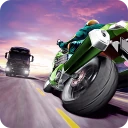
From the moment I fired up Traffic Rider, I was hooked. The game doesn’t just give you a generic racing experience; it immerses you in a world of high-speed excitement. As soon as you start, you're presented with a first-person perspective that makes you feel like you're actually on the bike. The graphics are stunningly realistic, and the attention to detail is just mind-blowing. You can almost feel the wind brushing past you as you zoom down the highway.
Gameplay: More Than Just Speed
What sets Traffic Rider apart from other racing games is its depth. It’s not just about going fast; it’s about mastering control and strategy. The game offers a variety of modes, including Career Mode, where you can complete missions and unlock over 20 different motorbikes. Each bike feels unique, and the variety keeps the game fresh and exciting. I found myself constantly switching bikes to find the one that matched my racing style.
The controls are intuitive and responsive, which is crucial when you're weaving in and out of traffic at breakneck speeds. The sound design also deserves a mention. From the roar of the engine to the honking of cars, the audio adds an extra layer of realism that pulls you in even further.
A World of Challenges
One of my favorite things about Traffic Rider is the challenge it offers. The game isn’t just about racing against the clock; it’s about pushing your limits and improving your skills. The traffic AI is surprisingly smart, and each ride feels like a new adventure. The missions vary in difficulty, and there's always something new to strive for, whether it’s a new high score or a shiny new bike.
And if you’re competitive like me, you’ll love the online leaderboards. It’s a thrill to see your name climb up the ranks and compete with players from around the world. It adds a social element that keeps you coming back for more.
What to expect from its arcade approach
That immediacy is also why I would not treat the game as a substitute for a more traditional circuit racer. On a circuit, the pleasure often comes from learning a fixed sequence of corners and improving a lap. Here, attention stays on the changing traffic and the next safe opening. If that constant scanning is satisfying to you, the simple premise can stay engaging; if you prefer planned braking points, clean racing lines, and head-to-head track events, a track-focused game is likely a better fit.
There is a small but useful way to make play feel less random: set one personal goal before a run. It could be keeping your steering calm, avoiding a particular kind of risky pass, or simply completing a mission without chasing extra points. I find that a narrow goal makes it easier to notice what actually went wrong when a ride ends. It also stops every session from becoming the same vague attempt to go faster.
Choosing a session that suits you
If you have only a few minutes, a short attempt makes sense because the central action is quick to understand and does not require a long warm-up. If you have more time, missions give you a clearer reason to continue than repeating open-ended runs. I would avoid starting a mission when I know I will need to stop immediately; the more focused objective is best enjoyed when I can give it my attention. For a casual break, though, a couple of tries can be enough to get the appeal without turning the game into a commitment.
One question a new player may have is whether the first-person view makes the game harder to read. It can: judging an opening through a close camera takes a little adjustment, and the impression of speed may encourage abrupt steering. Rather than trying to pass every vehicle, I would leave a margin and wait for a gap that looks comfortable. That approach can feel slower at first, but it makes the rides less dependent on last-second corrections.
Limits worth keeping in mind
The game’s focused loop is its main strength, but it is also the reason it may not suit everyone. Traffic dodging can become familiar if you want each session to introduce a different kind of racing problem. Likewise, players hoping for a realistic account of motorcycle handling should keep the arcade framing in mind: the game is designed to make quick decisions entertaining, not to teach safe riding. I would choose a dedicated simulation for authenticity, or a track racer for structured competition, rather than expecting this one to cover both.
Optional purchases are another reason to decide what you want before spending. Since the basic download is free, I would first see whether the riding itself holds my attention and whether I enjoy working through its challenges. If the core loop is not clicking, buying something is unlikely to change that. For younger players, the Everyone age rating makes the game broadly accessible, but an adult can still help them distinguish optional in-game spending from the free starting point.
Final Thoughts: A Must-Try Experience
In conclusion, Traffic Rider is more than just a game; it's an experience. Whether you're a casual gamer looking for a fun way to pass the time or a hardcore racing fan seeking a new challenge, this app has something for everyone. The combination of stunning graphics, realistic gameplay, and a wide array of features makes it a standout in the crowded world of mobile games.
So, if you haven’t already, give Traffic Rider a spin. Trust me, once you start, you won’t want to put it down. It’s a wild ride that’s worth every minute. Get ready to rev those engines and hit the road!
Who should take the ride
I’d steer newcomers toward the missions rather than treating the game as an endless high-score chase. A defined objective gives a session a natural stopping point and helps you learn the handling under pressure. Once those tasks feel comfortable, free riding can be a better way to work on reading traffic without the same focus on completing a particular challenge. That shift between purpose and practice is a useful way to keep short sessions from becoming aimless.
The game’s January 11, 2016 release also helps explain its established, straightforward mobile-racing identity: it is built around a clear riding loop rather than the conventions of a newer, feature-heavy racer. I would choose it for quick reactions and a close road view, not for a motorcycle encyclopedia or a realistic riding lesson. The distinction matters: the game can make traffic decisions feel vivid, but its arcade challenge should not be mistaken for real-world road guidance.
A fair stopping point
My recommendation is strongest for players who like first-person perspective, quick decisions, and the satisfaction of refining one narrow skill over repeated attempts. It is also an easy game to try without paying upfront, then judge on its own terms. I would suggest skipping it if your idea of racing depends on long championships, careful vehicle tuning, or a calm ride with little pressure. Those are not minor omissions for that audience; they are different reasons to play, and another style of racer will serve them better.
For me, the lasting appeal is the small decision that comes before each pass: commit to a gap or wait for a better one. That makes a short session feel active without asking for a complicated setup, while the risks keep the result from feeling automatic. As long as you want an arcade traffic challenge rather than a complete motorcycle simulator, it is worth giving a few rides and seeing whether that rhythm suits you.
Traffic Rider Frequently Asked Questions
Can I adjust the sound or other settings in Traffic Rider?
Before downloading, it is reasonable to wonder whether you can tailor a game to your preferences. Traffic Rider is centered on first-person motorbike riding and quick traffic challenges, so consider whether that style suits the way you like to play. You can explore the game’s available options after installing it and decide which settings make your rides comfortable.
Does Traffic Rider offer different ways to play beyond its missions?
Traffic Rider combines mission-based progression with the open-ended appeal of riding through traffic. That gives you a choice between pursuing objectives and enjoying the core riding activity without treating every session as a conventional race. If you prefer a game with varied goals, the career missions add structure; if you simply want a quick ride, the traffic-riding focus remains central.
Is Traffic Rider a good choice for someone new to mobile racing games?
Traffic Rider may appeal to newcomers who want a focused motorcycle game rather than a complex circuit-racing experience. Its first-person view and traffic-based challenges are easy to understand as a concept, although steering and reacting to traffic can take practice. If you are unsure whether the style will suit you, its free download lets you try it before deciding whether to keep playing.
Will Traffic Rider work on an older Android phone?
Traffic Rider supports Android devices running version 7.0 or later, so an older phone may be compatible if it meets that requirement. Compatibility also depends on the device and the current app-store requirements. Check the listing on your phone before downloading, and consider leaving free storage for installation and later updates.
Does Traffic Rider have a campaign or missions to work through?
Yes. Traffic Rider includes a career mode with missions, giving players objectives beyond simply riding through traffic. The missions offer a sense of progression for anyone who likes having goals to pursue in a racing game. If you prefer a more open-ended experience, its traffic-riding focus also lets you enjoy the act of riding itself.
Pros
- Immersive first-person view enhances realism
- Wide variety of motorbikes to choose from
- Smooth and responsive controls
- Detailed environments and day-night cycles
- Offline play available
Cons
- Repetitive gameplay can become monotonous
- Limited customization options for bikes
- In-app purchases can be expensive
- Graphics may lag on older devices
- No multiplayer mode available
- Category
- Racing
- Version
- Varies with device