Crostic Crossword-Word Puzzles
- 1.45K
- 4.7
- Installs
- 10.00M
- Price
- Free
Screenshots
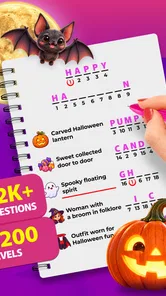
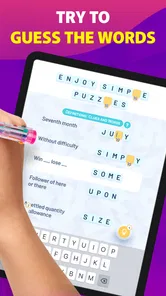
Analysis by Reviewed
Before choosing a word game, I’d ask what I want from the next few minutes: a quick pattern-matching distraction, or a clue that makes me stop and think. Crostic Crossword-Word Puzzles is better suited to the second mood. It is a free word game from Severex, rated for Everyone, and its puzzle-led approach makes more sense for a short thinking break than for anyone looking for a sprawling story or competitive match.
Choose it for clues, not just word matching
The distinction matters because word games can feel very different even when they all use letters. A word-search game usually rewards scanning for a visible sequence; an anagram game asks you to rearrange a set of letters. Crossword-style solving puts more weight on interpreting a clue and testing whether a word fits. I find that extra step satisfying when I’m alert enough to consider several meanings, but it can feel like work if I only want to switch my brain off.
I’d expect this game to suit someone who enjoys finding a route from a clue to an answer, even when the route is not immediately obvious. The daily puzzles give that kind of player a small reason to return, while the word-guessing focus keeps the experience centered on solving rather than on a larger game world. If my favorite part of a word game is the moment an answer clicks, that is a promising sign. If I mainly want fast taps and constant novelty, I’d compare it with simpler matching or word-search options first.
A useful routine for a daily puzzle
A realistic way I’d fit it into a day is to open a puzzle during a coffee break, work on the clues I can solve quickly, and leave one difficult answer alone while I finish my drink. I wouldn’t force myself to clear the whole puzzle before getting back to work. That keeps the game in the role of a brief mental reset rather than turning a casual break into a task with a deadline.
When I return, I’d reread the clue without looking at the letters I first guessed. That helps me notice when I’ve become attached to an answer that only partly fits. I’d also use any visible letter pattern as a check, not as a substitute for understanding the clue: a plausible-looking word can still be wrong if I’ve interpreted the wording too narrowly. This small habit makes the solving process feel more deliberate and can help me avoid using a hint just because I’m impatient.
What the audience figures can and cannot tell you
The game has an average rating of 4.7 from around 103,000 ratings, and it has been installed over 10 million times. That points to a sizeable audience, but popularity alone can’t tell me whether I’ll enjoy its particular kind of clue. I’d treat it as an easy game to try rather than assume it will suit every word-game fan: it is free to start, while in-app purchases range from $0.99 to $12.99 per item.
If I’m careful about spending, I’d check each purchase prompt before confirming it and decide in advance whether optional help is worth paying for. I’d also give myself a few sessions to judge the core puzzle experience before spending anything. A useful test is whether I still enjoy working through clues when I don’t immediately know the answer; if the only satisfying moments come after getting help, another word-game style may be a better fit.
More From Our News Desk

 Gmail
Gmail in a Busy Inbox: Who Benefits Most?
From first account to crowded workday, Gmail earns its place through dependable search and flexible sorting—but its best fit depends on how much inbox maintenance you can tolerate.

 Prime Video
Switching to Prime Video: What Changes in Your Viewing Routine
Prime Video can make a compelling second home for streaming, but switching means learning a different catalog, rental layer, and route from browsing to playback.

 Universal TV Remote Control
 Works Best as a Reliable Backup
A phone remote earns its place through quick setup and reliable habits. Here is how to get more from Universal TV Remote Control—and where its limits show.

 Weather - By Xiaomi
Weather by Xiaomi Review: Clear at a Glance, Less Clear Up Close
Xiaomi’s weather app makes everyday forecasts quick to scan, but its calm surface can leave useful details and recovery paths harder to find than they should be.

 X
X Under Pressure: Can It Recover When Posting Goes Wrong?
A resilience-focused review of X, examining setup, mistaken posts, interruptions, weak connections, and the gaps that matter when recovery needs to be dependable.

 Clash of Clans
 Is Won Between the Battles
Its raids are quick; its community is a long-term project of coordination, teaching, rivalry, and shared responsibility—with all the friction that entails.
Latest News



How the solving experience feels
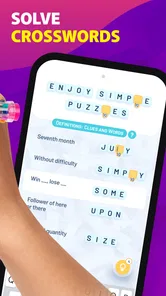
The first thing I noticed about Crostic Crossword-Word Puzzles was its sleek and intuitive design. Navigating through the app is a breeze, and the interface is super user-friendly. You don’t need to be a tech wizard to figure it out. From the moment you open the app, it welcomes you with a clean layout that’s easy on the eyes. The colors are calming and the fonts are just right, making for a pleasant user experience.
Difficulty is personal, not just a label
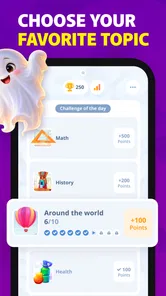
The puzzles range from easy-peasy to brain-bending hard. The app offers a wide variety of puzzles that cater to all levels of expertise. Whether you’re a crossword newbie or a seasoned pro, there’s something here for you. The clues are clever and the puzzles are well-thought-out, providing just the right amount of challenge to keep you engaged without feeling frustrated.
That range is useful, but I wouldn’t assume every puzzle will land at the perfect level for me. A clue that feels simple to one player can be awkward for another because people bring different vocabulary and associations to the same wording. I’d judge difficulty by how often I can make progress without feeling stuck for too long, not by whether I solve everything on the first pass. If a puzzle starts to drag, stepping away is a reasonable choice rather than proof that the game is not for me.
Hints are best used as a last nudge
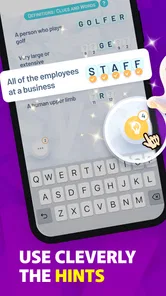
What really sets this app apart are the features. It includes daily puzzles that keep you coming back for more, and trust me, I’ve been hooked! There’s also a hint system for those moments when you’re stuck and can’t figure out a word. It’s like having a friend who nudges you in the right direction. Plus, the app tracks your progress, so you can see how much you've improved over time. It’s incredibly satisfying to watch your skills grow.
I’d use hints selectively: first check the letters already available, then reconsider the clue in a different sense before asking for help. That small habit keeps a puzzle from turning into a sequence of hint taps. Progress tracking can also make repeat play feel purposeful, though I wouldn’t treat a record as a measure of vocabulary or general intelligence. It is most useful as a personal nudge to notice which kinds of clues slow me down.
There’s a trade-off here: help can prevent one stubborn entry from spoiling the session, but leaning on it too quickly may reduce the satisfaction of solving. I’d save it for when I have genuinely tried a second interpretation or taken a short pause. If I’m playing when tired, I might choose to stop instead. That preserves the option to return fresh and keeps a small puzzle from becoming an irritating test of persistence.
When another kind of word game is a better match
One practical question is whether this is still enjoyable if I’m new to crosswords. I think it can be, because the difficulty range gives beginners room to find their footing, and hints offer a fallback when a clue stalls. On the other hand, anyone who dislikes being asked to infer words from clues may prefer a straightforward word-search or an anagram game. Those alternatives can feel more direct; this one asks for a little more interpretation and patience.
I’d also choose differently if my goal were a strict head-to-head contest or a long campaign with characters and a story to follow. Those formats offer other kinds of motivation, while this game’s draw is the act of solving. That focus is a strength when I want a self-paced puzzle, but it means the experience may feel quiet to someone who needs social competition or a sequence of narrative rewards to stay interested.
Sharing adds a social option, not a requirement
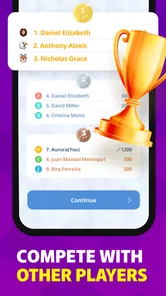
One of the aspects I love about this app is its community feature. You can share your puzzle victories with friends and even compete with them. It adds a social element to the game, making it even more fun and engaging. You can connect with other puzzle enthusiasts and maybe even pick up a few tips along the way.
I’d treat that as an optional extra rather than the main reason to download. If I enjoy comparing how friends approach a clue, sharing a result can give a solo activity a little conversation around it. If I prefer to solve privately, the puzzle itself remains the point. For a group of friends who want an ongoing, tightly structured competition, I’d first check whether this kind of casual sharing is enough for them; it is not the same appeal as a dedicated multiplayer word game.
Who is likely to enjoy the slower moments?
If I wanted a long campaign, elaborate characters, or a game built around head-to-head play, I’d look elsewhere. Crostic’s appeal is the puzzle itself, not a large narrative wrapper. It may also be a poor match for someone who wants every answer to come from familiar vocabulary: crossword-style clues can depend on flexible interpretation, and a difficult entry may interrupt the relaxing pace. I’d recommend it most to casual solvers who enjoy figuring things out at their own speed.
It is especially worth trying if I like returning to a puzzle after a break and seeing a clue differently. That is a different pleasure from chasing a high score or finishing a level as quickly as possible. Conversely, if I get impatient when a word does not come immediately, or I find clue ambiguity more annoying than interesting, a word-search or more direct letter game is probably a kinder choice for my downtime.
Try it without letting it take over the break
A sensible way to test the fit is to play a daily puzzle during a routine pause and notice what you enjoy: cracking a clue, filling in a word, or seeing progress build over time. If the satisfaction comes from solving, the daily rhythm can be a pleasant reason to return. If you mainly open games to switch off completely, a simpler matching puzzle may suit you better. The game is free, so trying it need not mean committing to purchases; just keep optional spending in mind.
For a low-pressure trial, I’d start with a session when I have a few spare minutes rather than opening it right before bed or during a rushed commute. I’d work through what feels clear, leave uncertain entries alone, and notice whether I’m curious to come back. That tells me more than trying to complete a puzzle at any cost. The key question is not whether I can solve every clue, but whether the process makes an ordinary pause more enjoyable.
Another useful check is how I react to the game’s pace over several visits. Daily puzzles can create a pleasant routine, but a daily prompt can also feel like an obligation if I already have too many reminders and streak-based habits in my life. I’d use the format on my own terms: play when I want a word challenge, skip it when I don’t. A puzzle should be a welcome pause, not another item on a checklist.
Device fit and the cost of changing games
For context, it was released on October 7, 2022, and the current version is 5.9.1, with Android 8.0 or later required. I’d check that my device meets the minimum before downloading. The version and broad install history make it an established option rather than a brand-new experiment, but the most useful test is still whether its clue style feels enjoyable on your own screen.
Switching from another word game is simple in principle, but the habit you bring can affect the experience. Someone used to rapid anagrams may initially try to guess from letter shapes alone; I’d slow down and read each clue as a prompt for meaning. Someone coming from traditional crosswords may expect familiar grid-solving conventions, so it is worth judging this game on the way its own puzzles ask you to think rather than assuming every crossword-style title works alike.
Before making it part of a regular routine, I’d also consider whether I want one daily puzzle or a game I can play in long bursts. Its daily structure is a natural fit for brief visits, while players who want a continuous stream of varied modes may be happier with a broader word-game collection. That is not a flaw so much as a difference in what each format is meant to provide: a focused clue-solving session versus a wider menu of word activities.
In conclusion, Crostic Crossword-Word Puzzles is more than just an app; it’s a delightful journey for anyone who loves words and puzzles. Whether you’re looking to kill time, exercise your brain, or just have some fun, this app has got you covered. So why not give it a try? I promise, once you start, it’ll be hard to put down!
Crostic Crossword-Word Puzzles Frequently Asked Questions
Does Crostic Crossword-Word Puzzles offer daily puzzles?
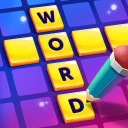
Daily crossword puzzles are part of the game’s central appeal: its description invites players to solve daily puzzles and guess words. That makes it a natural choice if you enjoy returning to a short word challenge as part of your routine. The puzzles also have a logic-riddle feel, so the experience is about reasoning from clues as well as recognizing words.
How does Crostic Crossword-Word Puzzles work?
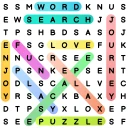
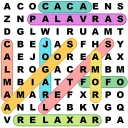
The game centers on using clues to figure out words and complete crossword-style puzzles. Its format also draws on word-search play, with words to find in a grid, so it offers more than simply filling in a conventional crossword. If you enjoy testing your vocabulary and working through a puzzle step by step, the basic approach should feel familiar while still offering a distinct word-game experience.
Who developed Crostic Crossword-Word Puzzles, and what kind of game is it?
Crostic Crossword-Word Puzzles is a word game developed by Severex. It focuses on solving crossword-style puzzles and guessing words, making it a fit for players who enjoy language challenges and logic riddles. The basic idea is to use clues to work out answers and complete each puzzle. If you like taking a thoughtful break with a word puzzle, its format is easy to understand.
What is Crostic Crossword-Word Puzzles?
Crostic Crossword-Word Puzzles is a mobile app that offers a unique twist on traditional crossword puzzles. It combines elements from classic crosswords and word search games to create a challenging and engaging experience. Players must find words hidden within a grid, using hints and clues to solve each puzzle. It's designed to enhance vocabulary and improve cognitive skills.
Is Crostic Crossword-Word Puzzles free to play?
Yes, Crostic Crossword-Word Puzzles is free to download and play. However, like many mobile games, it offers in-app purchases that players can opt for to enhance their gaming experience. These purchases may include additional hints, removing ads, or unlocking premium puzzles. It's important to check your app store for more details on pricing and features. Optional purchases range from $0.99 to $12.99 per item, so review the available options before buying.
Pros
- Engaging puzzles for all skill levels
- Offline mode available
- User-friendly interface
- Regular updates with new content
- Educational and fun gameplay
Cons
- Contains in-app purchases
- Ads can be intrusive
- Limited free content
- Occasional bugs in updates
- Requires internet for some features