Canasta
- 4.13K
- 4.5
- Installs
- 500.00K
- Price
- Free

Screenshots
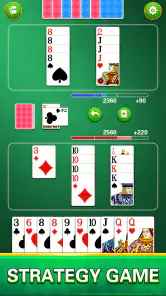
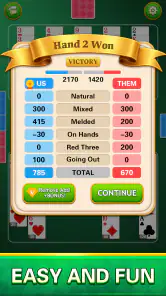
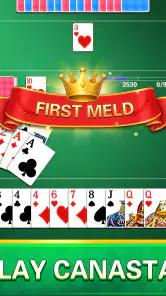
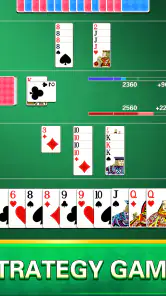

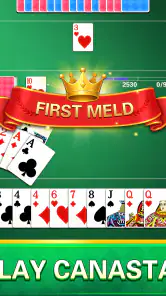
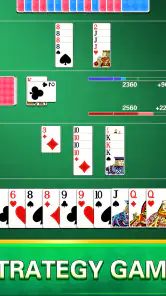
Analysis by Reviewed
I enjoy card games most when they are easy to start but still give me a reason to think before every move. Canasta fits that space well. It takes the familiar Canasta format and presents it as a mobile game from North Sky Games, with a clear focus on playing whenever I have a few spare minutes. The important addition is multiplayer, which gives the classic rules more life than a purely solo card game.
After spending time with it, my impression is that this is best for players who already know Canasta or want a relaxed way to learn it without sitting at a physical table. It is free to download, rated for Everyone, and has built a sizeable audience, with over 500 thousand installs and a 4.5 average from around 18 thousand ratings. Those figures suggest a well-established game rather than an experimental release, although popularity alone does not guarantee that its pace or presentation will suit everyone.
How the current version feels to play
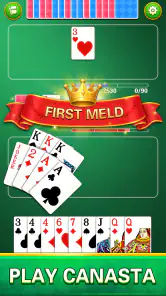
The core appeal is straightforward: I can open the game, deal with the familiar rhythm of drawing and discarding, and work toward useful melds while watching what may be available later. Canasta is not a game where every hand feels identical. The value of a card changes with the cards already exposed, the melds I am building, and the risk of giving another player exactly what they need.
That makes it a better fit for short sessions than many heavier strategy games. I do not need to learn a large collection of characters, maps, or complicated controls. The challenge comes from reading the hand and managing information. A quick match can still demand attention, especially when I am deciding whether to take a discard pile or leave it for a safer future turn.
The multiplayer focus is the most meaningful part of the current experience. A solo opponent can be useful for practice, but real players create the uncertainty that makes Canasta interesting. Their discards may be cautious, misleading, or simply hard to interpret. I have to consider not only the cards I want, but also what my choices reveal to the other side.
One practical tip is to avoid treating every attractive discard as an opportunity. Taking a pile can provide several cards, but it can also force me to absorb cards that do not fit my plan and give opponents clues about the melds I am pursuing. I find it more useful to ask whether the entire pile improves my position, rather than focusing on the single card at the top.
The game is also approachable for people who have played other rummy-style card games. The basic visual language is familiar, and the turn-by-turn format does not require fast reflexes. That is a real advantage on a phone. I can play while relaxing at home, during a quiet break, or alongside someone who wants a traditional card game without setting up a table.
Still, players who want constant action may find the rhythm too deliberate. Canasta rewards patience and memory more than speed. It is also not the best choice for someone looking for a broad collection of unrelated card games. This is a focused Canasta experience, so its value depends heavily on whether that particular game is what I want to play.
Learning the rules without ruining the first match
For a newcomer, the hardest part is not understanding that cards are combined into sets; it is learning when a legal move is strategically poor. I recommend beginning with small goals: recognize which cards are helping a potential meld, notice which discards opponents avoid, and resist the temptation to empty the hand too quickly. The game becomes more readable once I stop treating each turn as an isolated action.
A useful beginner habit is to keep track of visible cards mentally, even if only in broad terms. I do not need perfect counting to make better decisions. Knowing that several cards of one rank have already appeared can change whether I continue collecting that rank or switch plans. This is one of the first places where the app feels deeper than a casual matching game.
Another overlooked point is the difference between a good hand and a good position. A hand full of promising cards can become awkward if it leaves no flexible discard. Conversely, a modest hand may be strong when it gives me several possible ways forward. I get better results when I preserve options instead of committing too early to one attractive combination.
That advice matters especially in multiplayer. Against a predictable computer opponent, I can sometimes play for immediate progress. Against a person, I have to think about information control. A discard that seems harmless may announce the rank I no longer need, while holding a card for one extra turn may prevent an opponent from completing a useful set.
What the update and release history mean in practice
The game first appeared on November 23, 2016, and the current version is 2.2.5. That combination tells me the product has had time to settle into its identity rather than being a brand-new card experiment. The important evolution is the move toward multiplayer play, reflected in the game’s emphasis on bringing the classic format into a connected setting.
I would not interpret the version number as a promise of a particular future feature. A later version can improve stability, presentation, or matchmaking without changing the rules that longtime players enjoy. For existing users, the more useful question is whether the present build still supports the kind of session they want: a familiar Canasta game with access to multiplayer rather than a completely redesigned card system.
For someone returning after a long break, the current release is worth approaching as a continuation of the same basic game, not as a new genre entry. The learning investment remains modest, and previous Canasta knowledge should still be more valuable than knowledge of another mobile card title. That continuity is helpful for families and friend groups who want to return to a known game without relearning an entirely different interface.
The minimum operating system is Android 7.0, which makes the game accessible on a wide range of older Android devices. That can be useful if I am installing it on a spare phone or a family member’s device rather than a recent flagship. At the same time, older hardware can make any card interface feel less comfortable if the screen is small or touch input is inconsistent, so device age still affects the experience even when the software requirement is modest.
How it fits into everyday play
Imagine I have a short evening break and want something more engaging than scrolling but less demanding than a long strategy campaign. I can play a hand, make decisions at my own pace, and stop with a clear sense of progress. That is where this game works best for me. It has enough decision-making to hold my attention without requiring a complicated setup.
It can also suit a household where people enjoy traditional games but are not always available at the same time. Multiplayer gives the familiar rules a social route, while the phone format removes the need to find cards, clear a table, or remember where a game was paused. The trade-off is that the experience depends on the quality of the opponent and the convenience of the connection, so it will not replace an in-person game for everyone.
For practice, I would use solo play to test different approaches rather than simply chase quick wins. For example, I can compare a cautious strategy that preserves flexible cards with a more aggressive approach that builds a meld as soon as possible. Thinking this way turns ordinary matches into useful training, especially before playing against friends or unfamiliar opponents.
The game is free, which lowers the barrier to trying it. In-app purchases range from $2.99 to $99.99 per item, so I would recommend checking the purchase flow carefully and keeping spending controls in mind, particularly on a shared device. The free entry is attractive, but players who dislike optional spending systems may prefer a paid card game with a simpler one-time model.
Its Everyone rating makes it suitable for a broad audience from a content perspective. That does not mean every child will enjoy it: Canasta requires patience, reading, and an interest in turn-based play. I would choose it for a young player who already likes traditional card games, not simply because the age rating is low.
Strengths for experienced players
Experienced Canasta players will appreciate that the app does not need to teach them why the game is compelling. The tension comes from timing, card visibility, and deciding how much information to expose. Multiplayer makes those decisions feel less mechanical because a human opponent may notice patterns that a basic computer player would ignore.
One of the strongest habits I developed is separating collection from commitment. I may gather cards toward a useful meld, but I do not have to reveal my full plan immediately. Keeping a second route open is often more valuable than completing the first possible set. This is a subtle advantage of the digital format: I can focus on the decisions rather than managing physical cards across a table.
Another useful approach is to judge the discard pile as a whole. A large pile can look tempting, but taking it may increase my hand size and create a new problem: I now have more cards to organize and more information to give away. I only consider the pickup worthwhile when the added cards support a clear plan or prevent a serious disadvantage.
These choices also explain why the game may feel slower than some modern mobile card titles. There are fewer flashy distractions and less emphasis on rapid rewards. I see that as a positive when I want a thinking game, but a weakness when I am looking for instant feedback or a constantly changing challenge.
Where the experience may fall short
The biggest limitation is specialization. If I want a quick game with dramatic animations, deck construction, collectible cards, or a large variety of modes, this is probably not the right download. Its identity is tied to Canasta, and that focus means the game cannot provide the breadth of a general card-game collection.
Multiplayer is valuable, but it also changes the experience from a predictable practice environment to one shaped by other people. A match can be more interesting because the opponent is human, yet it can also be less relaxing if the pace, skill level, or availability of opponents does not match what I want at that moment. Players who prefer complete control over session length may be happier with an offline-focused alternative.
There is also a learning curve that the simple rules can hide. A new player may understand the legal moves but still lose repeatedly because they are helping the opponent through careless discards or taking piles without a plan. I would not judge the game after one confusing hand. A few sessions are needed before the strategic patterns become visible.
The purchase range is another consideration. Free access makes experimentation easy, but the presence of optional items means the game is not the same as a traditional deck of cards bought once. Anyone who wants a distraction with no monetization decisions should compare it with a straightforward paid card app before committing time.
Who should install it, and who should skip it
I recommend it to people who already enjoy Canasta, players looking for a thoughtful rummy-style game, and families or friends who want a digital alternative to a physical deck. It is especially suitable if I value familiar rules, short sessions, and the added unpredictability of multiplayer more than visual spectacle.
I would skip it if my main goal is a fast arcade experience, a collectible-card progression system, or a large menu of different card games. I would also look elsewhere if I strongly prefer a completely offline experience or a single upfront purchase with no optional items. Those are not small preferences here; they affect the basic reason to choose this particular title.
The developer, North Sky Games, has kept the product centered on a recognizable classic rather than turning it into an unrelated mobile system. That makes the game easy to recommend to a friend who says, “I just want Canasta on my phone.” I would add one qualification: the friend should be comfortable with a measured pace and willing to learn the strategic side instead of expecting every hand to be immediately intuitive.
What I would watch as a returning player
Because the current version is 2.2.5, I would pay attention to how future changes affect the balance between the traditional rules and the multiplayer experience. Improvements are most useful when they make it easier to start a match, understand what is happening, and keep the focus on decisions rather than friction. I would rather see careful refinement than unnecessary features that distract from the card play.
For existing users, the key test is whether multiplayer continues to feel like an extension of Canasta rather than a separate activity pasted onto it. The best updates would preserve the familiar decision-making while making sessions more comfortable for both newcomers and experienced players. I would also watch whether the game remains welcoming to older Android devices, since broad device access is one of its practical advantages.
My final view is positive but specific: this is a solid choice when I want classic Canasta with a mobile multiplayer angle. It is not trying to be every kind of card game, and that is exactly why it can work. The free entry, Everyone rating, established release history, and 4.5 average make it easy to try, while the real value appears after I begin reading discards, protecting flexible options, and thinking about what my opponent can infer.
My recommendation is to install it if you want a focused Canasta experience, then give it several hands before deciding. The first match may feel simple, but the trade-offs become more rewarding once I stop chasing every tempting card. For a patient player, Canasta offers a convenient way to bring a familiar table game into everyday mobile play without losing the careful decisions that make the original worth returning to.
Pros
- Classic card-game rules are easy to learn for casual players.
- Supports strategic play
- keeping experienced users engaged.
- Short rounds make it convenient for quick gaming sessions.
- Clear scoring adds a satisfying sense of progression.
- Suitable for playing alone or with friends and family.
Cons
- The interface may feel dated compared with newer card games.
- Matchmaking can be frustrating when player availability is low.
- Some features may require an internet connection to work fully.
- Random card deals can occasionally make games feel unbalanced.
- Advertising may interrupt play in the free version.
- Category
- Card
- Version
- 2.2.5