Brainroot Merge Battle
- 2.00
- 4.6
- Installs
- 500.00K
- Price
- Free

Screenshots
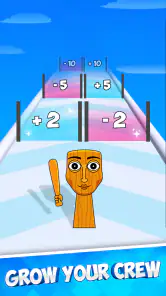



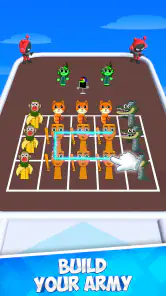

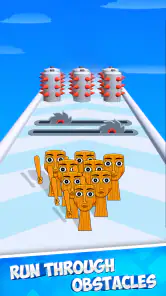
Analysis by Reviewed
I’m usually cautious about mobile games that promise both quick matches and deep strategy, because that combination can wear thin once the opening novelty fades. Brainroot Merge Battle caught my attention as a casual game built around combining units and taking them into fights. Its central appeal is easy to understand: each merge changes what you can bring to a battle, so even a simple choice can make me pause and think about what I might need next.
Who Is Likely to Enjoy the First Sessions?
I think the game is best suited to someone who likes making small tactical choices without committing to a long strategy session. If you enjoy looking at a group of units and asking which combination might serve you better, the opening loop gives you something to consider right away. The casual framing also makes it easier to approach than a game built around extended planning, even though the battles still ask for attention.
A realistic use case is a short break when I have enough time to focus on a battle but not enough to settle into a larger game. I would open it while waiting for a pickup or during a quiet pause, try a deliberate merge choice, and stop when I have learned something from the result. That works better than playing while distracted: if I barely notice what I merged or how the battle went, I lose the part that makes the loop more than simple repetition.
The Allure of Strategy and Complexity
There is a satisfying first-week rhythm to a game like this: learn the basic loop, test a few combinations, then start noticing how your decisions affect the next encounter. The store summary points to merging, battling and surviving chaos, and that is a useful way to frame the experience without expecting a sprawling strategy campaign. YoB is the developer, and the game is free, which makes it easy to try without treating it as a major commitment. It has a Teen content rating, so I would still check that label if I were choosing a game for a younger player.
Gameplay Mechanics
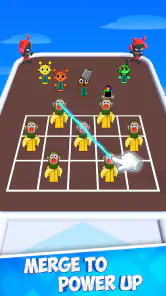
Okay, let’s break down the mechanics. You start with basic units, each with their own unique strengths and weaknesses. As you progress, you merge these units to create more powerful ones. This merging is where the strategic element kicks in. You need to decide which units to merge and when to deploy them in battle. The thrill of watching your carefully planned strategy unfold is unparalleled.
What I find particularly engaging is the game’s unpredictability. Each battle brings new challenges, forcing you to adapt on the fly. The developers have done a fantastic job of keeping the gameplay fresh and exciting. I often find myself thinking, "Just one more battle," only to realize an hour has flown by!
Making Each Merge a Useful Test
One practical way to get more out of the decision-making is to avoid changing several things at once. If a battle goes poorly, I would revisit one merge or deployment choice rather than completely changing my approach. That makes it easier to connect a different outcome with the choice I actually changed, and it helps prevent the feeling that every result is random. I would also pause briefly before combining units: if I merge automatically, I give up the chance to think about what I may need in the next fight.
More From Our News Desk

Clash of Clans Is Won Between the Battles

Android Auto Makes the Case for Quieter Car Software

MobiOffice: Transforming Mobile Productivity with Seamless Integration

EA SPORTS FC™ Mobile Soccer: Redefining Mobile Sports Gaming

How Microsoft OneDrive Became a Mobile Productivity Giant

How Google Translate Breaks Language Barriers Effortlessly
This is a useful distinction for new players: the interesting part is not simply making a stronger unit, but considering what that choice costs in flexibility. A merge may look appealing in isolation, yet it can reduce the options I have available for a different situation. Treating each choice as a small trade-off gives the battles a clearer purpose and makes experimentation feel less like guesswork.
Visuals and Sound
Let’s talk about the visuals because, honestly, they are quite captivating. The game sports a vibrant color palette that makes every battle feel lively and intense. The animations are smooth, and the attention to detail is impressive. Each unit has its own distinct design, adding to the overall charm of the game.
And the sound? Spot on! The background music is perfectly suited to the game’s theme, enhancing the tension and excitement during battles. The sound effects are crisp, adding an extra layer of immersion to the whole experience.
Keeping It in My Rotation
The question I keep coming back to is whether this has enough variety to earn a place on my phone after the first burst of curiosity. I’d use it in short windows: while waiting for a ride, taking a break between tasks, or winding down when I want something more involved than a tap-only idle game but less demanding than a long strategy session. The important habit is to stop after a battle or a deliberate test of a new merge plan, rather than letting “one more” turn into an unplanned stretch.
For a practical approach, I’d pay attention to which unit choices seem to help in different encounters instead of merging automatically whenever the option appears. Keeping a mental note of a combination that worked, and changing just one decision in the next battle, makes it easier to learn what actually matters. That small self-imposed experiment can make repeated fights feel purposeful; without it, the merge loop risks becoming a sequence of familiar taps.
Month-to-Month Value
The first few sessions are not enough to tell me whether I would keep this installed. The better test is whether I still notice a decision to make after the basic loop feels familiar. I would check in occasionally rather than force a daily habit: if a short return session makes me curious about a different merge choice, that is a sign the game is still giving me a reason to play. If I open it only out of routine and make the same moves without thinking, I would let the habit go.
For anyone wondering whether it works as a regular pick, I would frame it as a compact option for intermittent play, not automatically as a daily commitment. Its appeal depends on the merge-and-battle loop continuing to hold your attention. Players who enjoy refining a simple approach may find that enough; people who need a steady stream of new modes or a long campaign to stay invested should be more cautious about expecting lasting variety.
Where It Fits Among Casual Games
Compared with standard match-and-clear puzzles, the appeal here is the link between combining units and using them in combat. Compared with a full-scale tactical game, the premise sounds lighter and more approachable, which suits a quick session but may not satisfy someone looking for elaborate maps, long-term army planning or a detailed campaign. If I want a calm puzzle with no battle pressure, I’d choose a traditional puzzle game instead. If I want a deeper strategic commitment, I’d look for a more substantial tactics title.
Its early reception is encouraging: it has a 4.6 average from around 664 ratings and has passed 500,000 installs. The current version is 0.0.4, released on May 20, 2025, so I’d treat it as an early-stage experience rather than assume the game has already settled into a mature, predictable routine. It runs on Android 7.1 or later. Those details matter if you’re deciding whether to install it on an older device or whether to make it a regular pick rather than a quick trial.
Maintenance Without Turning Play Into Homework
I would not keep a detailed spreadsheet or turn every loss into a long review. That would add effort the casual format does not need. A quick mental note—what I merged, what I tried to do in the fight, and whether the result surprised me—is enough to make a return session feel intentional. If I cannot remember why I made a choice, I can simply start the next round with one small experiment instead of pretending I have a carefully developed strategy.
There is also a practical question of when to pause. If I am playing in a noisy place or have only a few distracted seconds, I would wait until I can pay attention to the battle rather than tap through it. The game’s central appeal rests on choices and their consequences, so divided attention makes it easier to mistake a poor decision for a lack of depth. A brief, focused session is a fairer test than a long one played on autopilot.
Friction, Fatigue, and a Sensible Routine
One limitation is built into the premise: merging asks me to make decisions, but repeated battles can still feel samey if I stop experimenting. I would not recommend it to someone who dislikes combat framing or wants every session to deliver a fresh kind of puzzle. Nor would I choose it as my only game for long, focused play unless the strategic loop itself is what I’m in the mood for. A short session is a better test of whether its decisions feel interesting to me than judging it by a long first sitting.
I also wouldn’t assume that a high average rating guarantees a perfect fit. A game can be popular and still miss the mark for someone who prefers quiet, predictable puzzles or richer tactical control. The useful question is whether I enjoy weighing a merge choice against an upcoming fight. If that decision remains engaging after several sessions, the game has a reason to stay installed; if I’m merging without thinking, that’s my cue to take a break rather than turn play into a chore.
Who Should Skip It?
I would steer away from it if what you want most is a relaxing puzzle without combat, or if you prefer games where every action has a clearly explained, long-term strategic consequence. The merge-and-fight setup is the point, so it is not a good fit for someone who finds that framing stressful or who wants a purely decorative collecting experience. Likewise, a player who expects the scope of a full tactics game may find the casual approach too light.
There is a difference between wanting an accessible game and wanting an effortless one. The battles may be approachable, but the choices are most satisfying when I pay attention. If I am looking for something I can play without thinking at all, a simple idle game may suit me better. If I want a game that rewards a little focus in a short window, this one is easier to justify.
Why It Stands Out
What sets Brainroot Merge Battle apart from other games in its genre is its balance between simplicity and complexity. It’s easy to pick up and play, but mastering it is a whole different story. This balance keeps you coming back, eager to improve your strategies and climb the leaderboard.
Additionally, the game doesn’t bombard you with ads or pushy in-app purchases, which is a breath of fresh air in today’s mobile gaming landscape. The developers seem genuinely interested in providing a quality gaming experience, and it shows.
For me, lasting value depends less on how exciting the first battle feels and more on whether the merge-and-fight choices continue to reward a little attention. That is the routine I’d test: play a few focused rounds, notice whether I’m learning from the outcomes, and leave it alone when the decisions become automatic. That approach gives the game a fair chance without asking it to fill every spare moment.
My long-term recommendation is therefore a measured one: give it a focused try, see whether planning a merge makes the next battle more interesting, and judge it by how it feels once that novelty has passed. Its free price lowers the barrier to trying it, while its casual format can fit into short breaks; neither fact means it has to become a permanent fixture. If the choices keep you curious, keep it in rotation. If they start feeling routine, moving on is a sensible response rather than a failure to appreciate it.
In conclusion, if you’re looking for a game that challenges your mind and keeps you entertained, Brainroot Merge Battle is worth checking out. Its strategic depth, coupled with engaging visuals and sound, make it a standout in the mobile gaming world. So, gear up and get ready to immerse yourself in a battle of wits and strategy!
Brainroot Merge Battle Frequently Asked Questions
Is Brainroot Merge Battle free to download?
Brainroot Merge Battle is a free casual game, so you can try its merge-and-battle gameplay without paying to download it. The game also includes optional in-app purchases, which are separate from the initial download. If you prefer not to make purchases, you can still approach the game as a free experience and decide for yourself whether its strategic challenges are worth continuing.
What devices can run Brainroot Merge Battle?
Brainroot Merge Battle is available for Android devices running version 7.1 or later. Before downloading, check your device’s operating system version so you know it meets that requirement. The game’s current version is 0.0.4, and it is presented as a casual strategy game built around merging units and battling through challenges.
What is the main objective of Brainroot Merge Battle?
Brainroot Merge Battle is a strategy-based mobile game where the primary objective is to merge units to form stronger entities and defeat opponents. Players must strategically plan their moves and manage resources efficiently to progress through various levels and challenges. The game combines elements of puzzle-solving and tactical combat, offering an engaging experience for users.
Can I play Brainroot Merge Battle offline?
Yes, Brainroot Merge Battle can be played offline. The game is designed to offer a seamless experience without requiring a constant internet connection. This makes it convenient for users who want to enjoy the game on the go, without worrying about data usage or connectivity issues. However, some features, such as leaderboards or in-app purchases, may require internet access.
Are there any in-app purchases in Brainroot Merge Battle?
Brainroot Merge Battle includes in-app purchases that allow players to enhance their gaming experience. These purchases can include items like special units, power-ups, or currency packs that help players progress faster in the game. While the game is free to play, these optional purchases provide additional convenience and enjoyment for those who wish to invest in them.
Pros
- Engaging gameplay mechanics.
- High-quality graphics and animations.
- Regular updates with new features.
- Intuitive and user-friendly interface.
- Diverse range of characters and levels.
Cons
- Requires constant internet connection.
- In-app purchases can be costly.
- Occasional lag during gameplay.
- Advertisements can be intrusive.
- Battery consumption is high.
- Category
- Casual
- Version
- 0.0.4