Beauty Salon Game for Toddlers
- 4.00
- 3.6
- Installs
- 1.00M
- Price
- Free

Screenshots
Analysis by Reviewed
If you’ve ever caught your little one trying to give their doll a new “do” or watched them apply pretend makeup with the seriousness of a seasoned stylist, then Beauty Salon Game for Toddlers is going to be a delightful surprise. This charming app is not just a game; it’s a whimsical world where toddlers can explore their creativity and unleash their inner stylist.
Getting around a pretend salon
One useful way to judge a game for very young children is to watch what happens after the first few taps. The salon setup in Beauty Salon Game for Toddlers presents styling choices in a colorful, visual way, and the original appeal is that a child can start experimenting without needing to read instructions. In my view, that makes it more approachable than many educational games built around menus, lessons, or written prompts. A grown-up may still need to introduce the first activity, but children who understand simple touch controls can explore at their own pace.
That visual approach has a trade-off: a child who cannot yet tell the available options apart may still need an adult nearby to point out what each choice does. I’d treat the first session as a chance to explore together, then see whether the child can return to the salon and make choices independently. This gives you a practical sense of whether the navigation suits their current abilities, rather than assuming every toddler will find it equally easy.
Unlocking Creativity and Fun
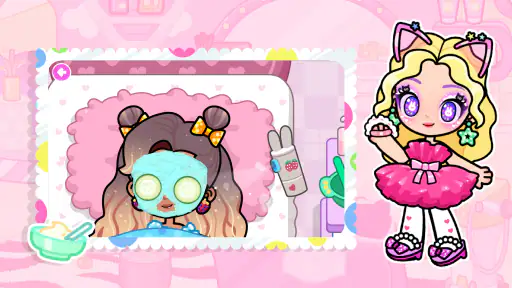
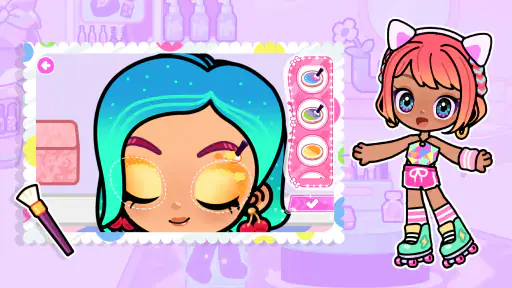
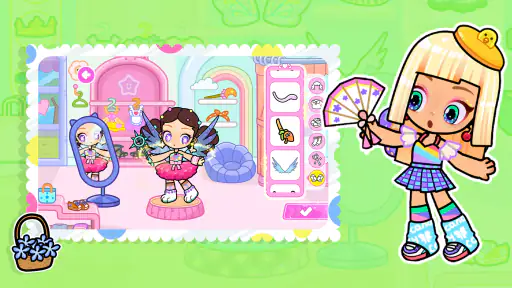
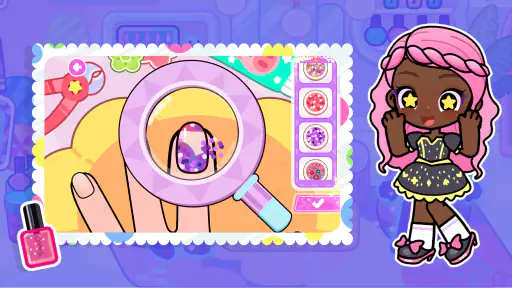
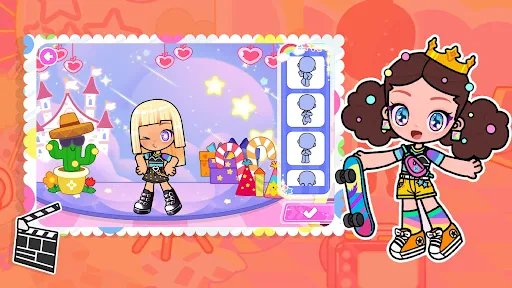
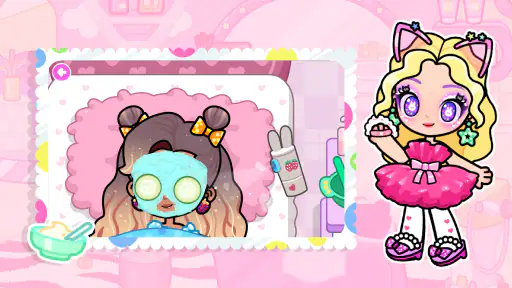
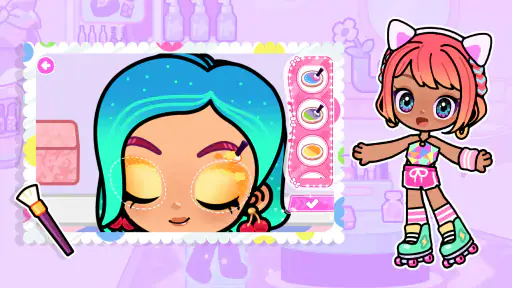
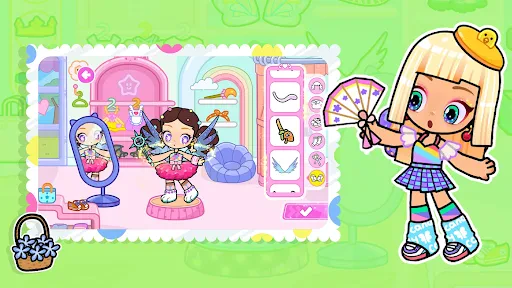
One of the first things that struck me about the Beauty Salon Game for Toddlers is how it’s perfectly tailored for tiny hands and curious minds. The game invites little players into a colorful salon where they can experiment with different hairstyles, makeup, and accessories. Each task is simple enough for toddlers to navigate yet entertaining enough to keep them engaged. I found it fascinating how the game encourages creativity while subtly teaching kids about shapes, colors, and coordination.
Features that Spark Joy
What sets this game apart is its array of interactive features. Toddlers can choose from a variety of characters to style, giving each one a unique look with hairstyles, makeup, and outfits. The animations are vibrant and engaging, ensuring that kids remain entertained for hours. I particularly loved the sound effects; each snip of the scissors and swipe of lipstick adds an element of realism that makes the experience even more immersive.
The intuitive design is another highlight. The app developers have done an excellent job of making sure the interface is user-friendly. My little tester was able to navigate through the options without much guidance, which is a testament to how well the game is designed for its intended audience.
Play that fits different hands and moods
For a child still developing precise touch control, the best approach is to keep the session relaxed and let them explore rather than asking for a particular finished look. Styling play can reward broad choices and trial and error; it is less demanding than games that rely on quick reactions or carefully timed taps. That makes it a reasonable option for a quiet stretch at home, though a child who becomes frustrated when a touch does not produce the exact result they expect may need support.
More From Our News Desk

Clash of Clans Is Won Between the Battles

Android Auto Makes the Case for Quieter Car Software

MobiOffice: Transforming Mobile Productivity with Seamless Integration

EA SPORTS FC™ Mobile Soccer: Redefining Mobile Sports Gaming

How Microsoft OneDrive Became a Mobile Productivity Giant

How Google Translate Breaks Language Barriers Effortlessly
The sound effects can add charm, but sound is also a personal preference. If the child is sensitive to lively audio, I’d start with the volume low and observe their response before making the game part of a longer routine. Likewise, the colorful screen may be engaging for some children and tiring for others. Short, supervised turns are a sensible way to see how the experience feels for your child, rather than treating any digital activity as automatically suitable for every mood or sensory preference.
Why Parents Will Love It
As a parent, finding apps that combine fun with education can be a challenge. This game does just that. While it’s mainly about having fun, there’s an educational angle too. Kids learn about different salon tools and how they’re used, which can help improve their vocabulary and understanding of basic grooming tasks. Moreover, it encourages decision-making and creativity, important skills for their development.
Another great aspect is the safety of the app. It’s ad-free and doesn’t require internet access to play, so you can hand over your phone without worrying about unwanted purchases or content. It's clear that the developers have put thought into creating a safe digital environment for children.
Where it fits into an everyday routine
I can picture using it during a short wait at home while dinner is being prepared: an adult can help a child pick a character, then let them choose a look and talk about colors or the tools they see. That turns the screen time into a small conversation, not just a way to keep a child occupied. It also gives a parent a natural stopping point: finish the current styling experiment, save the device, and move on without needing to turn the game into a long activity.
Compared with coloring apps, this salon game offers more pretend-play context and choices around characters and styling. Compared with structured preschool learning games, it is less of a lesson and more of an open-ended creative activity. That distinction matters: I’d choose it for a child who enjoys dolls, make-believe, and visual choices, but choose a more clearly instructional app if the main goal is practicing letters, numbers, or a defined learning sequence.
Practical details before a child plays
The game is made by bekids and is listed as an educational game for everyone. It is free to download, with optional in-app purchases priced from $1.99 to $3.99 per item. Since this is intended for toddlers, I recommend that an adult handle setup and check purchase controls before handing over a device; a free download does not mean every available item is included at no cost. The game has a 3.6 average from 552 ratings, so reactions are mixed rather than universally enthusiastic. I’d use that as a prompt to try it with your own child, not as a substitute for seeing whether its style suits them.
It was released on November 21, 2023, and version 1.4.3 requires iOS 8.1 or later. The game has over one million installs, which suggests it has reached a broad audience, but popularity alone cannot tell you whether a particular child will enjoy its pace or presentation. If your device is shared, it is worth checking that it meets the minimum system requirement before planning to use the game away from home.
Remaining barriers and a fair verdict
There are limits to what I would expect from this kind of play. The salon theme focuses on appearance, so it will not appeal to every family or every child, and it is not a replacement for hands-on creative activities such as styling a doll with real accessories or drawing a character. A child who prefers puzzles, movement, or a clear learning goal may lose interest quickly. Also, while the interface may be easy for some young players, I would not assume that every child can navigate it alone; patience and an adult’s occasional guidance can make a real difference.
For families looking for a gentle, imaginative styling activity, Beauty Salon Game for Toddlers is worth trying, especially when a child already enjoys pretend salons. I would skip it if you want a structured teaching tool, if beauty play does not interest your child, or if you need an experience that requires no adult oversight around purchases. My inclusive verdict is cautiously positive: the visual, exploratory format may work well for children with different levels of reading and touch-control experience, but sensory preferences, dexterity, and the need for guidance vary. A brief shared trial is the most reliable way to decide whether this salon is a comfortable fit.
A first try that gives you useful answers
I would make the first session a small observation rather than a test the child has to pass. Sit alongside them, let them choose what to tap, and notice whether they can recover when a choice surprises them. Do they keep exploring, ask for help, or hand the device back? Those reactions tell you more about fit than whether they complete a particular look. If they seem interested but get stuck, one calm demonstration followed by another chance to try independently is a better gauge than taking over the controls.
This approach also helps answer a practical question: does the game work better as shared play or as something the child can use alone? Some children may be comfortable choosing styles after an introduction, while others may enjoy it most when an adult names colors, describes the tools, or helps them move between choices. Neither outcome makes the game a failure. It simply clarifies whether you should plan to join in or reserve it for moments when you can stay nearby.
Making the most of a short session
A useful way to keep the play purposeful without turning it into a lesson is to give the child one light prompt, such as choosing a color they like or imagining where the character is going. Then leave room for their own decisions. This can encourage conversation and expressive choice without implying that there is one correct result. I would avoid directing every step: if an adult keeps selecting the “best” hairstyle or outfit, the child gets less opportunity to experiment and the activity can become a demonstration rather than play.
For a child who tends to tap quickly through screens, try slowing the rhythm by asking them to pause between choices and describe what they notice. For a child who hesitates, offer two simple options verbally and let them point or tap. These are ordinary ways to make the same visual activity more manageable for different communication styles, without expecting the game itself to provide individualized support. If attention fades, ending on a natural pause is preferable to stretching the session just because the child is already holding the device.
Choosing it over other creative play
The main trade-off against a physical doll, dress-up items, or drawing supplies is convenience versus sensory richness. On a screen, choices are tidy and easy to reset; there is no need to gather accessories or clean up makeup. But physical play gives a child the feel of fabric, brushes, and objects in space, and it can involve larger movements than tapping. I see the game as a handy complement for a brief indoor pause, not a substitute for those experiences when a child wants to handle materials or move around.
It also occupies a middle ground between a dress-up game and a teaching app. Its salon theme gives the child a pretend scenario to return to, while the focus remains on visual styling rather than a planned sequence of learning tasks. Families should not choose it expecting a course in grooming or a clear educational progression. The more useful question is whether the child enjoys making appearance-based choices and revisiting a familiar play idea. If not, a building, art, music, or story activity may hold their attention better.
Planning for shared devices and purchases
Because the game is free to download but offers optional paid items, I would set up the device before a toddler gets to explore it. An adult can review the purchase settings available on the device, keep payment steps under adult control, and explain in simple terms that not every on-screen choice is something to buy. This is a sensible precaution even when a child is only interested in the styling itself. It also avoids having to interrupt a pleasant session to sort out a purchase prompt or account setting.
For travel or a waiting room, I would try the game at home first rather than relying on it as a guaranteed distraction. A child who has already worked out the basic visual choices may settle into a short session more readily; a child who needs frequent help may make it less convenient when the adult is occupied. A small alternative, such as a book or a simple toy, is still useful. The game can be one option in a parent’s toolkit, not the whole plan for keeping a young child comfortable.
Who is most likely to enjoy it
I think it is best suited to children who already gravitate toward dolls, pretend beauty routines, and choosing how a character should look. It may also suit a child who prefers visual exploration to spoken or written instructions, provided they can manage the touch interactions or have someone nearby to help. The low-pressure, make-believe premise gives adults an easy opening for conversations about colors, choices, and personal preferences without requiring the child to produce a particular answer.
I would look elsewhere for a child who dislikes appearance-focused play, is easily unsettled by bright screens or sound, or expects every tap to cause an immediate and predictable result. I would also choose another option if the main need is independent use with no adult setup, purchase supervision, or occasional help. The fairest way to decide is to let the child try a short session while you watch how they respond, then judge by their comfort and interest rather than by the game’s intended audience alone.
A measured recommendation
My recommendation is to treat the salon as a small creative activity with a particular appeal, not as an all-purpose toddler app. Its visual choices and pretend-play setting can make it an enjoyable change from coloring or formal learning games, especially for a child who likes styling dolls. The same narrow focus is also its clearest limitation: a child who wants movement, a story, or a defined challenge may not find enough variety in the central idea.
If you decide to try it, stay close at first, keep the session short, and let the child lead. That gives you a practical read on navigation, sensory comfort, and whether the styling theme genuinely interests them. For the right child, it can offer a cheerful moment of imaginative play; for another, a physical doll or a different kind of creative app will be the better fit. I’d make that choice around the child in front of me, rather than expecting one game to suit every young player.
Beauty Salon Game for Toddlers Frequently Asked Questions
Is Beauty Salon Game for Toddlers free to download, and what does it cost to unlock extras?
Beauty Salon Game for Toddlers is free to download, so families can try its beauty-salon play without paying upfront. Optional in-app purchases are available, with items priced from $1.99 to $3.99 each. If a child will use the device, parents may want to review purchase settings and enable safeguards before handing it over.
What devices and operating systems can run Beauty Salon Game for Toddlers?
The game is available for Android devices that run version 8.1 or later. Before downloading, check the operating system on the device your child will use, since an older version may not be compatible. The game is an educational title by bekids, with the store summary describing doll makeup, hairstyles, and makeovers.
What age group is the Beauty Salon Game for Toddlers suitable for?
The Beauty Salon Game for Toddlers is designed specifically for young children, ideally those in the age range of 2 to 5 years old. The game features simple controls and colorful graphics that cater to this age group, ensuring that it is engaging, educational, and easy to navigate for toddlers. Its Everyone content rating also makes it broadly suitable for family audiences, though parents can decide whether the beauty-salon theme fits their child.
Does the Beauty Salon Game for Toddlers include any in-app purchases?
Yes, the Beauty Salon Game for Toddlers may include some in-app purchases. These purchases could consist of additional cosmetic items or salon tools that enhance gameplay. However, parents have the option to disable in-app purchases on their device to prevent accidental purchases by their toddlers. The game is free to download, while available in-app items are priced from $1.99 to $3.99 per item.
Is the Beauty Salon Game for Toddlers safe for children to play?
The Beauty Salon Game for Toddlers is designed with safety in mind, featuring a child-friendly interface and no ads that link to inappropriate content. It also includes parental controls to ensure a safe and secure gaming environment for young children. Parents should still supervise play and check device settings, especially around purchases, so the experience suits their family's preferences.
Pros
- Engaging and colorful graphics.
- Easy-to-use interface for kids.
- Enhances creativity and imagination.
- No internet required to play.
- Parental controls available.
Cons
- Limited game levels.
- In-app purchases can be expensive.
- Ads may interrupt gameplay.
- Repetitive game tasks.
- Lacks educational content.

- Category
- Educational
- Version
- 1.4.3