Baby Panda's Food Party
- 73.00
- 4.2
- Installs
- 10.00M
- Price
- Free

Screenshots

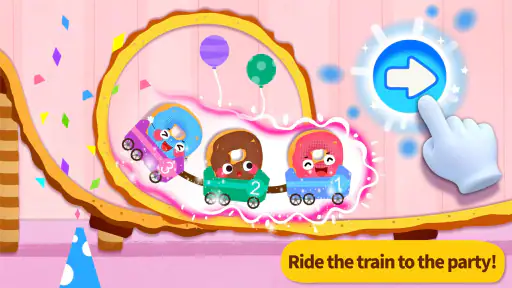
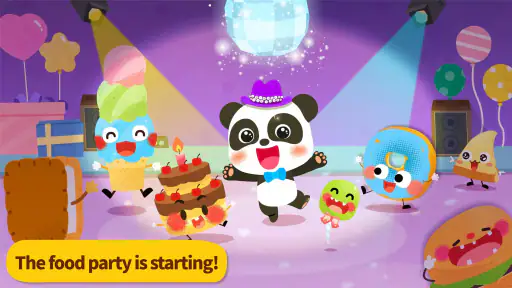
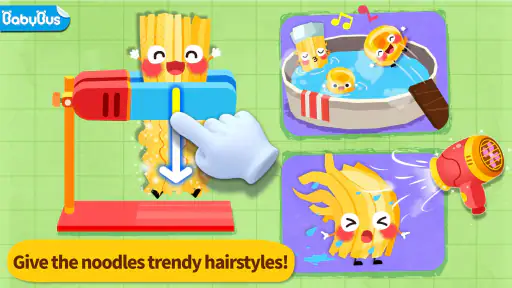

Analysis by Reviewed
When I look for a food game to share with a young child, I want something that gives them room to play without turning every moment into a lesson or a spending decision. Baby Panda's Food Party is a cheerful cooking-themed game from BabyBus, aimed at children who enjoy choosing, decorating, and pretending with food. Its basic appeal is easy to understand: it makes food play feel like a small creative activity rather than a demanding challenge. I see it working best as a short, supervised screen-time option for a child who likes bright characters and imaginative play, not as a substitute for cooking together in a real kitchen.
What the purchase terms mean for families
The game is free to download, with in-app purchases listed at $2.49 per item. That gives parents a straightforward starting point: a child can try the game without paying upfront, while purchases are a separate consideration. I would check the device’s purchase controls before handing it over, especially if a child is likely to tap through screens quickly. The listed item price is useful context, but it does not tell me what each purchase contains or whether a particular item is needed to enjoy the core experience. I would treat any purchase as optional until I had checked what it unlocks on the device.
For families deciding whether to install it, the other basic details are also reassuringly clear. It is an educational game for Everyone, runs on Android 5.0 or later, and its current version is 8.70.00.00. It was released on June 26, 2019. The game has a 4.2 average from around 15,000 ratings, and it has been installed over 10 million times. Those figures suggest broad use, but they cannot tell a parent whether a particular child will enjoy the pace, sound, or style. I would use them as context, not as a promise of a perfect fit.
Play at the child’s pace, not for a score
Food-themed play can be appealing because children already recognize familiar things such as cakes, fruit, and ice cream. Dressing up a treat gives them a simple creative goal: make choices, see the result, and decide whether they like it. That kind of loop can suit a child who is not ready for timed tasks or complicated rules. I would frame a session around experimenting rather than “getting it right,” since the fun here is in the playful choices, not in treating a screen activity as a test.
That also makes the game a different fit from cooking simulators built around managing a restaurant, beating a clock, or serving customers efficiently. Those alternatives may suit older children who want challenge and progression, but they can make play feel rushed. A drawing app offers more open-ended creation, while a real kitchen activity adds touch, smell, and practical participation. This game sits between those options: it gives food play a digital form, but parents should not expect it to teach real cooking technique simply because it uses kitchen imagery.
Where it fits in an ordinary day
A realistic use is a quiet stretch while dinner is being prepared: a child can play nearby for a little while, then talk with an adult about the food they chose or how they would decorate a real snack. I would keep the session short enough that it stays a treat rather than turning into background viewing. The game can provide an easy conversation starter—“Which topping would you choose?”—but the adult’s participation is what connects the pretend activity to everyday food and family routines.
For a child who enjoys making choices, I would try offering a small prompt before opening the game: choose a color theme, imagine a party guest, or decide whether the creation should look silly or neat. This adds a bit of thought without imposing a score or a right answer. Another useful approach is to invite the child to describe the finished design afterward. That can make a brief play session more interactive and help a parent see whether the child is actually engaged or simply tapping through familiar animations.
More From Our News Desk

Clash of Clans Is Won Between the Battles

Android Auto Makes the Case for Quieter Car Software

MobiOffice: Transforming Mobile Productivity with Seamless Integration

EA SPORTS FC™ Mobile Soccer: Redefining Mobile Sports Gaming

How Microsoft OneDrive Became a Mobile Productivity Giant

How Google Translate Breaks Language Barriers Effortlessly
Welcome to the Culinary Wonderland!
From the moment you dive into Baby Panda's Food Party, you're greeted with a colorful and engaging interface that instantly captures the imagination. It's like stepping into a wonderland where food is not just about taste, but about creativity and fun. The app is designed with young children in mind, offering a variety of interactive cooking experiences that are both educational and entertaining.
Cooking Up Some Fun
The app offers a plethora of recipes ranging from simple fruit salads to elaborate cakes. Each recipe is presented in a step-by-step format that's easy for kids to follow. What's more, the instructions are accompanied by cheerful animations and sound effects that make the cooking process incredibly engaging. I must say, watching those cute little panda animations as they guide you through each recipe is utterly charming!
One of the standout features of this app is its intuitive design. Kids can easily navigate through the different cooking stations, learning about ingredients, cooking methods, and even kitchen safety. It's a playful way to introduce children to the art of cooking while subtly teaching them valuable life skills.
A Feast for the Senses
Besides being an educational tool, the game is a feast for the senses. The vibrant colors, cheerful music, and delightful animations create an immersive experience that keeps kids engaged for hours. It's amazing how the app manages to blend learning with play seamlessly. Plus, the app encourages creativity by allowing kids to experiment with different ingredients to create their own unique dishes.
Parents will appreciate the app's focus on healthy eating habits as well. Many of the recipes highlight the importance of using fresh and nutritious ingredients, which is a great way to instill good eating habits from a young age.
Making the most of its food-play format
One detail I would keep in mind is the difference between a game’s food choices and nutrition guidance. A child can enjoy arranging ingredients or decorating a treat without that activity being a dependable lesson in balanced eating. I would use any food-related moments to ask open questions—what colors are on the plate, what foods do we eat at home, or what might go well with a snack—rather than treating the game as a nutrition authority. That keeps the experience light and avoids turning play into a lecture.
It can also help to let the child lead the activity rather than trying to finish every available option in one sitting. Young players may want to repeat a familiar choice instead of exploring every station, and repetition is not necessarily a problem: it can be how they gain confidence with the controls. If interest fades, I would stop and return another time instead of encouraging longer play just to see more content. The value is in a pleasant, manageable moment, not in completing a checklist.
Who is likely to enjoy it—and who may not
I would recommend trying it with younger children who enjoy pretend kitchens, colorful characters, and making visual choices. It may be especially handy for a parent who wants a gentle food-themed game to accompany a conversation about treats, ingredients, or a family meal. The Everyone rating makes its broad age suitability clear, though an adult should still decide whether the style and screen time suit their own child. A rating is not a replacement for watching how a child responds.
On the other hand, I would look elsewhere for a child who wants detailed cooking steps that transfer directly to preparing food, a strong logic challenge, or a competitive game with clear goals and measurable progress. A child who is sensitive to lively audio or repeated visual effects may also prefer a quieter activity; I would try the game together first and see whether its presentation feels comfortable. If the child mainly wants to draw freely, a dedicated art app may offer more control than food-focused play.
Fairness, purchases, and what remains unclear
From a fairness perspective, the confirmed purchase structure is simple to describe: the game is free, and in-app items are listed at $2.49 each. That does not establish whether purchases affect access to activities, add decorative options, or change the play experience in another way, so I would not assume that paying is required—or that every part is available without payment. Before approving an item, I would look at the exact purchase prompt and decide whether its contents are worth the cost for this child. That is a more reliable approach than letting a young player make the decision in the moment.
I also would not infer a competitive advantage from those purchases. This is a food-themed educational game, and the available confirmed details do not describe competitive play or rankings. For a family choosing a game on fairness grounds, that makes purchase supervision more relevant than comparing players’ paid advantages. The practical safeguard is familiar: use the device’s purchase restrictions, explain that virtual choices are not automatic purchases, and review prompts together. That advice is particularly useful when a child is still learning what a payment confirmation means.
There are a few questions I would answer through a brief trial on the family’s own device. Does the child find the instructions understandable? Is the sound comfortable at the chosen volume? Does the game hold attention without prompting a long session? These are not details I would guess from a rating or install count; they depend on the child, device, and household routine. I would also check the current purchase screen before spending, because the listed price alone does not describe the contents of an item.
Final Thoughts
In a nutshell, this is a delightful app that successfully combines fun and education. It's perfect for young aspiring chefs who love to experiment in the kitchen. The app's charming graphics, engaging gameplay, and educational content make it a must-have for parents looking to provide their kids with a safe and enriching digital experience.
So, if you're looking for an app that will not only entertain your child but also teach them valuable cooking skills, then look no further. Baby Panda's Food Party is the perfect choice for a fun-filled culinary adventure!
My more measured recommendation is to treat it as imaginative food play, not a cooking course or a guaranteed lesson in healthy eating. Its appeal is the light, colorful chance to make choices around familiar foods, and that can be enough for a child who likes this kind of activity. I would download it when a short creative distraction sounds useful, set purchase boundaries first, and stay nearby for the first session. If the child wants deeper simulation, less stimulation, or completely open-ended drawing, another kind of app will likely be a better match.
Baby Panda's Food Party Frequently Asked Questions
Who developed Baby Panda's Food Party, and what kind of game is it?
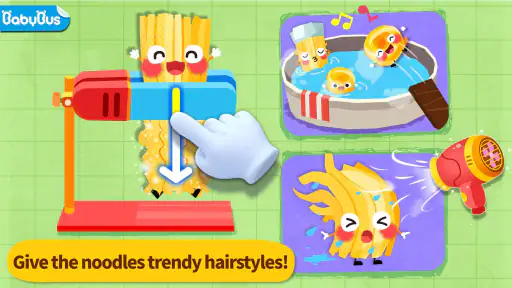
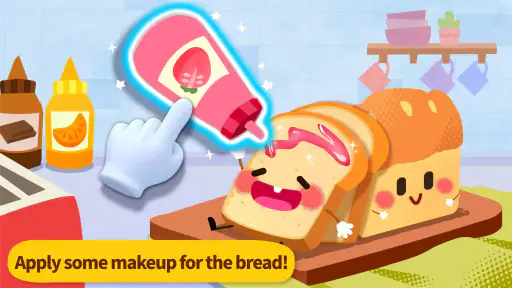
Baby Panda's Food Party is an educational game developed by BabyBus. Its playful theme centers on dressing up food, including decorating cakes and ice cream for a party. That makes it a food-themed creative experience for children rather than a realistic cooking simulator. Families looking for a light activity built around playful food decoration can get a clear idea of the game’s focus from its premise.
What does the game’s description mean by a food dress-up party?
The food-party idea is about making treats look festive: children can decorate cakes and ice cream and enjoy a playful food-themed activity. The emphasis is on creative interaction with food, rather than on managing a restaurant or following a detailed cooking simulation. This gives parents a straightforward sense of the central play concept before downloading: young players get to engage with colorful treats in a child-friendly game.
How much storage space does Baby Panda's Food Party need?
It is sensible to check the available space on your phone or tablet before installing any game, especially if the device is shared with other apps and photos. Baby Panda's Food Party is an educational game from BabyBus, with a food-decoration theme focused on cakes and ice cream. Keep enough room for the app to install and operate comfortably, and review your device’s storage settings if space is limited.
Is Baby Panda's Food Party free to download, and what should parents know about purchases?
Baby Panda's Food Party is free to download and play, with optional in-app purchases costing $2.49 per item. These purchases typically include additional content or features that can enhance the gaming experience. Parents may want to set up parental controls to prevent unauthorized purchases by children. The game is designed to be enjoyable even without these additional purchases.
What is Baby Panda's Food Party and what age group is it suitable for?
Baby Panda's Food Party is an engaging educational game designed for children, primarily targeting the age group of 3 to 6 years old. The game focuses on teaching kids about food, cooking, and nutrition through interactive activities. It offers a safe, fun, and immersive environment where young children can explore different cuisines, learn healthy eating habits, and develop basic cooking skills. It is rated for Everyone, making it suitable for a broad audience of young players.
Pros
- Engaging and colorful graphics.
- Educational for young children.
- User-friendly interface.
- Diverse food-themed activities.
- Encourages creativity and imagination.
Cons
- Limited for older kids.
- In-app purchases can be frequent.
- Requires internet for full features.
- Repetitive gameplay over time.
- May require adult supervision.

- Category
- Educational
- Version
- 8.70.00.00