Zombie Waves
- 5.31K
- 4.4
- Installs
- 10.00M
- Price
- Free

Screenshots


Analysis by Reviewed
I like mobile action games best when I can understand the basic goal quickly, but still have a reason to make thoughtful choices. That is the balance I look for in Zombie Waves: it puts survival and shooting at the centre, then lets the rising danger make each run feel more demanding. It is a better fit for focused bursts of play than for a leisurely adventure, and that distinction matters when deciding whether to install it.
Quick sessions and speed expectations
I find the wave-based premise a natural fit for short breaks: you can focus on surviving the encounter in front of you rather than learning a complicated control scheme first. That makes it an easy game to try while waiting for a ride or taking a breather. Still, I wouldn’t treat every session as a guaranteed five-minute activity. As the pressure builds, it can be tempting to keep playing for another attempt, so it suits me best when I have enough time to finish a run without rushing away mid-action.
It is a free adventure game from Fun Formula, and its straightforward shooting setup makes it more immediately approachable than adventure games built around exploration, dialogue, or long stretches of story. If what you want is a quick action loop, that focus is a strength. If you’re after a slow, story-led journey, a more narrative-heavy alternative will likely be a better match.
The simplest way to judge the pace is to separate learning the basic loop from handling its later pressure. The entry point is direct, but that does not mean every run stays casual. I would start when I can give the screen my attention, rather than opening it in the middle of a task and expecting to play on autopilot. If you only have a moment, a puzzle or an idle game may be easier to put down without feeling that you left an encounter unfinished.
Gameplay That Keeps You Hooked
From the moment you launch Zombie Waves, you're thrown into a post-apocalyptic world crawling with the undead. The premise is simple: survive the zombie onslaught for as long as you can. But don’t let that simplicity fool you. Each wave of zombies is progressively tougher, and you’ll need to stay on your toes to avoid becoming zombie chow. The controls are intuitive, making it easy for anyone to pick up and start playing, but mastering the game? Well, that’s a whole different story.
Graphics and Sound
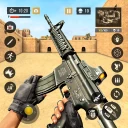
One of the first things you'll notice about Zombie Waves is its stunning graphics. The developers have done a stellar job in creating a dark, gritty atmosphere that perfectly complements the game's theme. The attention to detail is remarkable, from the eerie landscapes to the realistic zombies that lurch towards you with terrifying intent. And let’s not forget the sound effects. The groans of the zombies, the crack of your gunshots, and the suspenseful background music all come together to create an immersive gaming experience.
The atmosphere is part of the reason I would choose this over a bright, lightweight arcade shooter when I want a more tense mood. That comes with a practical trade-off: the sound is most enjoyable when I can actually listen, while the visuals and incoming threats benefit from keeping my eyes on the action. If you are playing somewhere that demands frequent glances away from the phone, the game’s directness helps, but the survival pressure still makes divided attention a weak way to enjoy it.
More From Our News Desk

Weather by Xiaomi Review: Clear at a Glance, Less Clear Up Close

X Under Pressure: Can It Recover When Posting Goes Wrong?

Clash of Clans Is Won Between the Battles

Android Auto Makes the Case for Quieter Car Software

MobiOffice: Transforming Mobile Productivity with Seamless Integration

EA SPORTS FC™ Mobile Soccer: Redefining Mobile Sports Gaming
How it feels during longer play
The game’s increasing difficulty gives a longer session a different rhythm from a quick drop-in. Early progress can feel forgiving, while later waves demand more attention; I’d avoid starting a run when I know I’ll need to divide my focus between the screen and something else. That rising pressure is part of the appeal, but it also means the game is less relaxing than a simple idle title or a puzzle game you can pause mentally at any moment.
For a practical routine, I’d play with the sound on when I can give the atmosphere my attention, then keep sessions shorter if I’m in a noisy or distracting place. The audio contributes to the mood, but the key trade-off is focus: this is most enjoyable when I can watch the action rather than glance at it occasionally. I also wouldn’t assume that a game with a simple premise will feel effortless once the waves become more demanding.
A realistic everyday session might be playing after dinner while waiting for a household task to finish. I would begin only if I have enough time to concentrate, then use the result of a run to decide what to change next. If I need to step away unexpectedly, I would rather stop between attempts than start another one and risk abandoning it at a frustrating moment. That small bit of planning makes the game easier to fit around ordinary routines.
Customization and Upgrades
As you progress through the game, you earn points that can be used to upgrade your weapons and character abilities. This feature adds a strategic layer to the gameplay. Do you invest in a more powerful weapon or enhance your character’s speed and agility? The choice is yours, and it can be the difference between life and death in the game. Plus, there’s something incredibly satisfying about mowing down a horde of zombies with your newly upgraded arsenal.
One useful habit is to think about what is actually ending a run before spending upgrade points: if you keep getting caught, improving mobility may address the problem better than simply choosing more damage. If the threat is taking too long to clear, a weapon-focused choice may make more sense. I like that this gives each run a small planning decision, but players who prefer automatic progression and no build choices may find even this layer more involved than they want.
For me, the useful question after a difficult attempt is not simply whether I need a stronger character; it is what kind of mistake happened repeatedly. Getting cornered and struggling to clear threats are different problems, so making the same upgrade choice every time may not help. Treating upgrades as a response to what you experienced is a more satisfying way to use that system than picking options at random and hoping the next run feels easier.
There is also a trade-off between experimenting and sticking with a familiar approach. If you are still learning what suits your play, trying different priorities can make a run more informative, even when it does not immediately improve your results. If you would rather avoid choices and simply progress along a fixed path, this small planning element may feel like extra work rather than a welcome layer.
Reliability and device expectations
On the practical side, I’d keep the game updated: the current version is 4.0.9, and it supports devices running Android 8.1 or later. That sets a useful baseline, but it doesn’t promise identical performance on every compatible phone. If a session feels choppy or the device warms up, closing other demanding apps and giving the phone a moment to cool are sensible first steps; I wouldn’t mistake a momentary slowdown for a reason to keep pushing a device that is already struggling.
For heavy use, the busiest wave encounters are the moments I’d pay closest attention to, since there is more action competing for my attention at once. I can’t turn that into a device-specific performance guarantee, so my advice is simple: try a short session first, notice whether aiming and movement feel responsive, and decide from there. The game is rated Everyone 10+, has an average rating of 4.4 from around 328,000 ratings, and has passed 10 million installs, but popularity doesn’t tell you how it will run on your particular phone.
In practical terms, I would use a first session as a check rather than assuming that the minimum operating-system requirement tells the whole story. A compatible device can still feel different depending on what else is running and how comfortably it handles the action. Try playing when the phone is not already busy, then pay attention to whether movement feels consistent once a wave gets crowded. If it does, there is little reason to overthink the technical side; if it does not, reducing background load is a sensible first experiment.
I would also distinguish an isolated hiccup from a pattern. One sluggish moment does not necessarily mean the game will always behave that way, but repeated loss of responsiveness during the encounters that matter can make a shooting game frustrating. The useful test is not just whether it launches; it is whether you can react comfortably when the pressure rises. That is especially important if you rely on an older device or usually keep several demanding apps open.
Who will enjoy the trade-offs
I’d recommend it to someone who likes direct combat, escalating danger, and the satisfaction of adjusting weapons or abilities after a tough encounter. It can also work for a casual player who wants an action game that is quick to understand, provided they enjoy the pressure of surviving rather than simply wandering through a world. A realistic use case is a short evening break: play a run, see which choice helps, and stop when you’ve had your fill instead of letting “one more attempt” take over the night.
I’d skip it if you mainly want a calm experience, a deep story, or a game that asks for very little attention. The shooting and wave-survival focus is the point, so someone who prefers broad exploration may find it repetitive rather than absorbing. The game is free to download, but it offers in-app purchases ranging from $0.19 to $299.99 per item. I’d keep that in mind before spending, and treat purchases as optional rather than a requirement for deciding whether the basic play loop suits you.
For a first-time player, I would focus on learning how the waves feel before worrying about purchases. The free starting point is enough to judge whether you enjoy aiming, surviving and making upgrade decisions. If you do, you can decide for yourself whether anything beyond that is worth considering; if you do not, spending will not change the central style of play. It is also sensible to be deliberate with any in-app spending, especially if you share a device or account with someone younger.
Compared with other mobile adventure games, this is a narrower, more combat-led choice. It does not offer the same kind of appeal as a game built around exploring a large setting, following a lengthy plot or solving environmental puzzles. In return, its core idea is easier to grasp quickly. I would pick it when I want action and escalating pressure; I would choose a story-focused adventure when discovery and character development matter more than surviving the next wave.
The age rating is Everyone 10+, which can help families decide whether to look more closely, but I would still consider the person playing and their comfort with zombie-themed action. For adults choosing a game for themselves, the more important question is probably whether tense shooting sounds enjoyable or tiring. If the theme or repeated survival pressure is a poor fit, there are plenty of gentler mobile games that make better everyday companions.
Why You Should Download It
So, why should you give Zombie Waves a shot? For starters, it’s a fantastic way to blow off some steam after a long day. The thrill of surviving wave after wave of zombies is addictive, and the variety of weapons and upgrades keeps things fresh. Whether you’re playing for five minutes or an hour, you're guaranteed to have a thrilling time. Plus, the game is free to download, so there's really nothing holding you back from diving into this zombie apocalypse.
My performance verdict is that the game’s appeal comes from its clear, immediate action, not from a promise that every device or session will feel equally smooth. I’d test it on the phone I plan to use, especially if it is an older or busy device, and keep expectations sensible during crowded encounters. If it runs comfortably for you, its compact premise and upgrade choices make it easy to return to. If responsiveness is poor, or you dislike retrying under pressure, another kind of mobile adventure will be a kinder fit.
One question people often have about this kind of game is whether it works for casual play. My answer is yes, as long as casual means easy to understand, not necessarily calm or effortless. Another is whether it is a good choice for someone who wants a story-rich adventure; I would say no, because the strongest reason to play is the action loop. And if you are wondering whether a particular phone will handle it well, I would test the busiest moments rather than judging only by how quickly the game opens.
Its audience numbers are reassuring as a sign that many players have found something to enjoy, but I would treat them as context, not a personal recommendation. A rating cannot tell you whether you enjoy wave survival, whether the atmosphere suits you, or whether the game feels responsive on your device. Those are better answered by trying a short session and noticing how you feel when an encounter becomes difficult.
In conclusion, Zombie Waves is more than just another zombie game. It’s an immersive experience that combines action, strategy, and a bit of horror. If you’re ready to test your survival skills against relentless waves of the undead, then this is the game for you. Trust me, once you start playing, you won’t want to stop.
My recommendation is more measured: give it a try if direct shooting, tense waves and small upgrade decisions sound like the sort of challenge you want on your phone. Keep sessions focused, use early attempts to learn what is causing trouble, and check how it behaves on your own device before settling into longer play. If you would rather explore, follow a story, or relax without watching the screen closely, choose a different adventure. For the right player, though, this is a clear and approachable way to spend a spare stretch of time.
Zombie Waves Frequently Asked Questions
Can my device run Zombie Waves?
Zombie Waves supports Android devices running version 8.1 or later. Before downloading, check your device’s operating system so you know it meets that minimum. The game is a mobile adventure centered on 3D roguelike shooting, so it is worth considering whether your device is comfortable for action-focused play as well as meeting the system requirement.
What is Zombie Waves’ age rating, and is it suitable for younger players?
Zombie Waves is rated Everyone 10+, which can help parents decide whether its zombie-survival theme is appropriate for a child. The game focuses on shooting undead enemies, so families may want to consider how their child responds to animated combat and horror themes. You can review the game together and use device settings to manage access and purchases.
What is Zombie Waves’ current version, and when was it released?
Zombie Waves was released on September 27, 2022, and its current version is 4.0.9. These details can be useful when checking whether you are looking at the game you intend to install and comparing it with the version on your device. The game is an adventure title built around 3D roguelike shooting in a doomsday setting.
Is Zombie Waves free to download, and what should I know about spending?
Zombie Waves is free to download, so you can try its survival gameplay without paying upfront. The game also offers optional in-app purchases, with individual items ranging from $0.19 to $299.99. Those purchases are not required to start playing, but it is worth checking your device’s purchase settings if you want to avoid accidental spending, especially when children use the device.
What kind of game is Zombie Waves, and who developed it?
Zombie Waves is an adventure game built around 3D roguelike shooting and surviving against zombies. Its short premise is straightforward: become a survivor in a doomsday setting. Fun Formula is the developer. If you enjoy action-focused games with repeated survival challenges, this gives you a useful sense of the experience before you download it; the central appeal is taking on the undead rather than exploring a realistic simulation.
Pros
- Intense zombie action with various wave difficulties.
- Diverse weapon selection enhances gameplay strategy.
- Smooth controls for a seamless gaming experience.
- Engaging graphics and sound effects create immersion.
- Frequent updates with new challenges and rewards.
Cons
- Can be repetitive after extended play sessions.
- In-app purchases may be necessary for progression.
- Requires a stable internet connection to play.
- Battery consumption is relatively high during gameplay.
- Occasional ads can disrupt the gaming experience.
- Category
- Adventure
- Version
- 4.0.9