Word Tour
- 1.16K
- 4.7
- Installs
- 500.00K
- Price
- Free
Screenshots
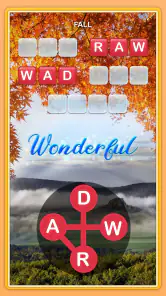
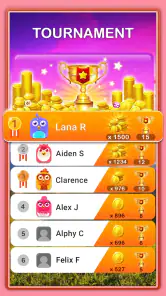
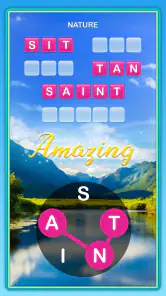
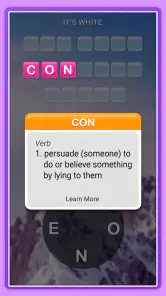
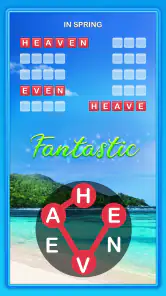
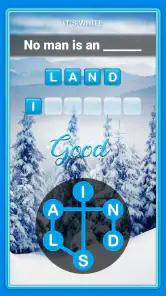
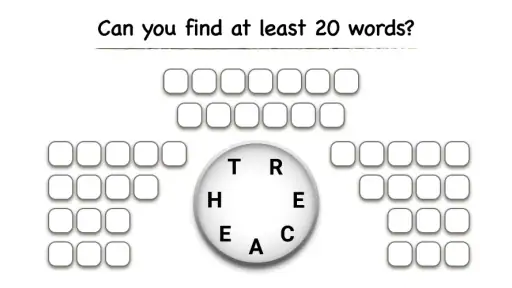
Analysis by Reviewed
When I want a word game that feels more like a gentle break than a timed test, I’m drawn to the travel theme of Word Tour. It gives me a reason to pause over each puzzle and look at the illustrated destination, rather than simply race through a list of answers. That combination is appealing for short sessions at home or during a quiet stretch of the day, though it won’t suit everyone who enjoys word games.
Reading the game and finding your way
The basic idea is easy to grasp: work with letters to find words, then continue through a series of destinations. I find that straightforward loop approachable if you’re new to this style of puzzle. The presentation also gives each stop a visual identity, which helps the journey feel less like a stack of unrelated boards. PlaySimple Games makes this a word game first; the travel framing adds atmosphere, but I wouldn’t choose it as a substitute for a detailed guide to world cultures or geography.
That distinction matters if you’re deciding what you want from a game. I’d pick this over a plain anagram app when I want a sense of progression and a more scenic backdrop. If I’m looking for a strict vocabulary workout, a dictionary-focused word tool may be more useful. And if I want a deep strategy challenge, a crossword or another more demanding puzzle format could be a better fit.
Discovering the World, One Word at a Time
So, what's the deal with Word Tour? At its core, this app is a word puzzle game that takes you on a journey around the world. The premise is simple yet engaging: solve word puzzles to unlock new destinations. Each level is designed to reflect the culture and essence of the place you're virtually visiting. It's like a geography lesson and a brain workout rolled into one!
Gameplay and Features
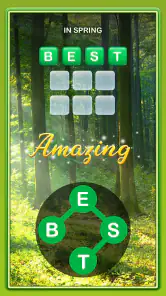
The gameplay is pretty straightforward but incredibly addictive. You start with a few letters and have to form words related to the destination you're "visiting." The more words you find, the more in-game currency you earn, which you can use to get hints or unlock special features. And trust me, some of these puzzles can get pretty challenging, so those hints come in handy!
For a more comfortable session, I’d treat hints as a way to keep moving when a puzzle stalls, not as something to spend at the first sign of difficulty. Taking a moment to try different letter combinations can make the eventual answer feel earned. I also wouldn’t assume every word game player will find the same puzzles equally difficult: familiarity with the language and comfort rearranging letters will affect how smoothly the game feels.
A useful habit is to separate “I can’t see it yet” from “I don’t know this word.” When I stall, I’d first rearrange the letters slowly and look for familiar beginnings or endings rather than immediately using a hint. If an answer still feels obscure, a hint can preserve the relaxed mood instead of turning one board into a frustrating vocabulary test. That small choice is part of the game’s trade-off: hints keep momentum, while solving unaided gives the strongest sense of accomplishment.
You May Like

Clash of Clans Is Won Between the Battles

Android Auto Makes the Case for Quieter Car Software

MobiOffice: Transforming Mobile Productivity with Seamless Integration

EA SPORTS FC™ Mobile Soccer: Redefining Mobile Sports Gaming

How Microsoft OneDrive Became a Mobile Productivity Giant

How Google Translate Breaks Language Barriers Effortlessly
Because progress is built around continuing through boards and destinations, I’d also use natural stopping points. A short session can end after a puzzle rather than after a self-imposed target, which makes it easier to fit into a break. If you tend to keep playing once a game starts offering a steady stream of small rewards, decide beforehand how long you want to spend; the same progression that makes the loop inviting can also make “one more board” tempting.
One of the coolest features of the app is its stunning visuals. Each destination is beautifully illustrated, bringing the essence of the location to life. Whether you're "touring" the bustling streets of Tokyo or the serene landscapes of Iceland, the artwork adds an immersive touch that keeps you coming back for more.
Comfort across different situations
The illustrated setting is a pleasant part of the experience, but the words themselves remain the main event. I’d approach a session in a quiet room if I wanted to focus closely on a tricky board, and use easier stretches for brief breaks between other tasks. That makes the game a reasonable choice for a short wait or a low-key evening, rather than an activity that demands a long uninterrupted block of attention.
For players who find small on-screen text or touch-based interactions tiring, I’d recommend trying a few puzzles before settling in for a longer session. Comfort can depend on the device and personal preferences, and the game’s appeal doesn’t remove those practical considerations. If you need strong control over text presentation or a specialized input method, a word game built around those needs may serve you better.
Its calm, visual presentation may help some players settle into a puzzle, but it isn’t the same as a dedicated accessibility feature. I’d test the actual screen on the device you plan to use, checking whether the letters are comfortable to read and whether selecting them feels precise enough. A larger display may feel easier for some people, while another player may prefer a smaller device they can hold steadily; neither is a universal answer.
There is a sensory trade-off too. The illustrated destinations give the game more character than a bare letter grid, but players who prefer minimal visual surroundings may find a plain word puzzle less distracting. I’d try a brief session in the setting where I expect to play, rather than assume that a pleasant look will suit every sensitivity. If visual clutter, movement, or bright screens are difficult for you, your comfort should take priority over the theme.
A realistic way I’d use it is during a quiet lunch break: play a couple of boards, pause when the letters stop yielding answers, and return later rather than turning the session into a chore. It also works as a gentler alternative to a timed word challenge when I want to think without feeling rushed. On the other hand, someone seeking competitive play, a head-to-head opponent, or a pure offline paper-puzzle feel should look at other options instead.
It can also be a reasonable shared activity when one person enjoys spotting word patterns and another likes the illustrated settings. I’d keep the interaction informal: take turns suggesting possible combinations, and let the person holding the device make the final selections. That works better as a relaxed conversation than as a test of who knows the most words, especially if players have different levels of vocabulary confidence.
Why You'll Love It
There are a few reasons why Word Tour has found a cozy spot on my home screen. First off, it's a fantastic way to learn about different cultures and places. I mean, who wouldn't want to sneak in some knowledge while having fun? Plus, the game keeps you on your toes with its increasing difficulty levels. Just when you think you've got the hang of it, a new challenge pops up, and you're back to racking your brain.
My main caveat is that the travel theme can create expectations the puzzles don’t necessarily need to meet. I enjoy the sense of visiting somewhere new, but I’d keep a separate source nearby if I wanted reliable background on a destination. The game is best approached as a themed word pastime, with its location-inspired presentation adding flavor rather than serving as a comprehensive learning course.
That makes it a better match for curiosity than for structured learning. If you’re hoping to study place names, build a planned vocabulary curriculum, or retain factual information about a region, I’d choose a dedicated learning resource and treat this as a companion pastime at most. The destination framing can prompt interest, but the central activity is still finding words, not following a geography lesson.
Compared with the usual alternatives, its strongest distinction is the combination of anagram-like solving and a travel-led sense of progress. A basic letter puzzle may get to the challenge faster, while a crossword usually asks for more interpretive clues and can reward broader general knowledge. I’d choose this when I want a simple loop and a change of scenery, but pick those other formats when I want more varied clue-solving or a tougher, less guided challenge.
Another thing I appreciate is that the app is free to download and play. Sure, there are in-app purchases, but they're not intrusive, and you can enjoy the game without spending a dime. It's perfect for those moments when you need a quick mental break or want to unwind after a long day.
The free entry point makes it easy to try the puzzle style before deciding whether it belongs in your routine. I’d be deliberate about purchases, particularly if a hint feels like the easiest response to a difficult board. Since hints are a resource and optional purchases are available, a player who wants every puzzle to move quickly may be tempted to spend; someone happy to pause, experiment, or leave a board for later can approach it more patiently.
It’s rated for Everyone, and its current version is 1.106.0, with Android support starting at version 7.0. The game is free, while optional in-app purchases range from $0.99 to $99.99 per item. I’d keep that range in mind if you share a device or let a younger player explore; the game’s age rating doesn’t by itself determine whether spending controls are right for your household.
For a family device, I’d talk through purchase expectations before handing it over, rather than relying on the content rating to answer a spending question. The rating makes the game broadly suitable by age, but household rules still matter. If you want a no-purchase experience, you can simply try playing without buying anything and see whether the ordinary pace works for you.
Who it suits, and where it falls short
I’d recommend it to people who like casual anagram-style puzzles, appreciate illustrated settings, and prefer a relaxed pace over a timer. It may also suit someone easing into word games, since the core task is easy to understand. If you want extensive accessibility controls, a purely educational geography product, or a complex puzzle with more varied mechanics, I’d compare alternatives before committing.
It is particularly appealing if you want something that can be picked up without learning a complicated rule set. The same simplicity can be a limitation for experienced puzzle fans: once the basic word-forming loop feels familiar, players who need a new mechanic on every board may want more variety. I’d see it as a casual routine rather than a game to choose for deep strategic development.
People who are sensitive to touch accuracy or who rely on specific display adjustments should treat the first session as a practical test. Try a few boards, notice whether the letters are easy to distinguish, and consider whether the interaction remains comfortable after several minutes. If not, that’s a good reason to choose a different format, not a sign that you need to push through.
There’s a healthy audience for it: the game has a 4.7 average from around 6,900 ratings, and it has passed 500,000 installs. It was released on May 31, 2024. Those figures suggest plenty of players have given it a try, but I’d still judge it by whether the letter puzzles and travel presentation feel satisfying to you. A popular casual game can be a poor personal fit if you prefer less repetition or more control over how a puzzle is presented.
The practical question I’d ask before installing is what kind of word challenge you actually want. If you enjoy forming words from a set of letters and like a visual reason to move from one board to the next, this is a sensible trial. If you want a dictionary reference, a competitive match, a paper-like puzzle, or extensive control of presentation, another tool is more likely to meet that need directly.
Final Thoughts
To wrap it up, Word Tour is a delightful blend of education and entertainment. It's perfect for word game enthusiasts and anyone with a curious mind. Whether you're a geography buff or just looking for a new way to challenge yourself, this app is worth a try. So why not take a mini-vacation and explore the world one word at a time? Happy travels!
My inclusive verdict is that it offers an inviting, low-pressure idea, especially for players who enjoy words and visual variety in short bursts. I’d try it if that sounds like your kind of downtime, while keeping expectations realistic about the travel theme and checking that the on-screen experience feels comfortable for you. If the puzzle style clicks, it can be a pleasant way to occupy a few spare minutes; if it doesn’t, a different word format may be a better companion.
Overall, I see it as a good option for a modest, repeatable break rather than an all-purpose word-learning or accessibility solution. The most useful test is simple: play a handful of boards at your usual pace, notice whether the letters and touch controls feel comfortable, and decide whether the destinations make the familiar word-forming task more enjoyable for you. If they do, its easy-to-follow structure is a genuine strength; if you need a very different kind of challenge or a more adjustable interface, choosing another word game is the sensible call.
Word Tour Frequently Asked Questions
Is Word Tour suitable for casual players who only want to play for a few minutes at a time?
Word Tour is presented as a game for unwinding, solving word puzzles, and sharpening the mind, so it may suit players looking for a relaxed word-game experience. Its letter-based puzzles give you a clear activity to focus on whenever you open the game. If you enjoy word challenges but prefer a calmer pace, its premise makes it worth considering.
How much does Word Tour cost to download, and are purchases optional?
Word Tour is free to download, so you can try the game without paying upfront. It also offers optional in-app purchases, with individual items priced from $0.99 to $99.99. Those purchases are worth keeping in mind if you prefer to avoid spending inside games; check your device’s purchase settings before playing if you want to manage or restrict transactions.
What is Word Tour and what makes it unique?
Word Tour is an engaging word puzzle game that challenges players to form words from a set of given letters. Its uniqueness lies in its global theme, where players virtually travel around the world solving puzzles in different cities, learning fun facts, and exploring cultures. The game integrates stunning visuals and diverse challenges that elevate the word puzzle genre.
Is Word Tour available on both Android and iOS devices?
Yes, Word Tour is available for download on both Android and iOS platforms. Users can find the game on the Google Play Store for Android devices and the Apple App Store for iOS devices. The game is designed to run smoothly on a wide range of smartphones and tablets, ensuring a seamless gaming experience.
Are there any in-app purchases or ads in Word Tour?
Word Tour includes in-app purchases that allow players to buy hints and other special features to enhance their gaming experience. While the game is free to download and play, it also contains ads to support its development. Players can opt for an ad-free experience by purchasing the premium version of the game.
Pros
- Engaging word puzzles
- Variety of levels
- Offline play available
- Beautiful graphics
- Regular updates
Cons
- Ads can be intrusive
- Limited hints
- Repetitive levels
- No leaderboard
- Requires in-app purchases
- Category
- Word
- Version
- 1.106.0