Word Age: The Grand Expedition
- 11.00
- 4.2
- Installs
- 10.00K
- Price
- Free

Screenshots
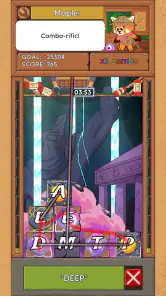
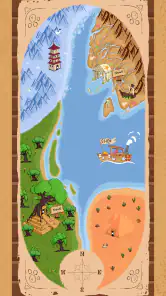
Analysis by Reviewed
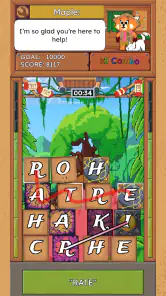
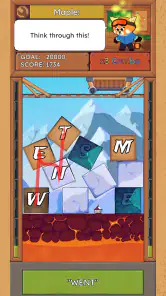
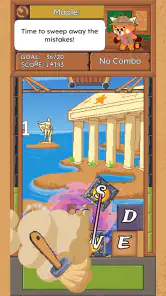
I spent time with Word Age: The Grand Expedition as a compact word game built around an archaeological adventure theme. Its basic idea is easy to understand: solve word puzzles while moving through a discovery-focused setting, rather than simply working through a bare list of vocabulary challenges. That framing gives the game a little more personality than a standard word puzzle, especially when I want something thoughtful but not demanding.
It comes from Night Owl Productions and sits in the word-game category. The game is free to start, is suitable for Everyone, and runs on Android devices using version 7.0 or later. Its store summary presents it as a way to sharpen your mind through word puzzles and exploration, but what matters in everyday use is whether that combination makes short sessions enjoyable enough to return to.
My overall impression is positive but measured. The archaeological setting gives the puzzles a clear identity, and the free entry point makes it easy to try without committing money first. At the same time, this is not automatically the best choice for someone who wants a deep story, a competitive leaderboard experience, or a completely unrestricted free game. The in-app purchase range means the eventual value depends on how comfortably you can play within the free portion and whether the paid options feel worthwhile to you.
How the free starting point affects the value
The most important cost detail is straightforward: Word Age: The Grand Expedition is free to download and play at its entry level. That makes the decision low risk. I can install it, test the puzzle style, and decide whether the archaeological presentation works for me before spending anything. For a casual word-game player, that is a better arrangement than paying upfront for an experience that may not match their preferred difficulty or pace.
There are in-app purchases priced from $0.99 to $99.99 per item. That is a wide spread, so I would treat the free version as the real trial rather than assuming every part of the game carries the same cost. I would also avoid buying anything during the first session. A few short visits are more useful for judging whether the puzzle flow, progression, and overall rhythm fit your habits.
The free-versus-paid question is especially relevant here because word games are often used in small gaps during the day. If you only want a few puzzles while waiting for an appointment or taking a break, the free access may already provide the value you need. If you expect a long, uninterrupted campaign with no purchase pressure, you should examine the in-game prompts carefully before deciding that the game is a good long-term fit.
I appreciate that the price structure leaves room for different levels of commitment, but I would not call the game automatically cheap simply because it can be started for free. A free download is valuable when the unpaid experience is comfortable enough to enjoy on its own. Paid options can be reasonable for players who want to support the developer or extend their play, but they should be viewed as optional spending rather than part of the basic recommendation.
What the archaeological theme adds
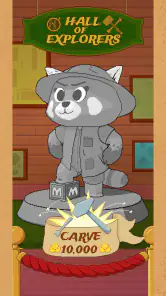
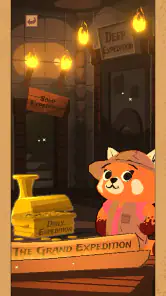
The setting is more than a label in the name. It gives the word puzzles a reason to feel connected: you are not just filling answers in an abstract interface, but taking part in an expedition-shaped experience. I found that useful because a theme can make repetition easier to tolerate. Even when the core action remains solving words, the sense of discovery gives each session a little more context.
This also changes how I would recommend the game to someone. A player who enjoys vocabulary challenges but dislikes sterile puzzle menus may find the presentation more inviting. On the other hand, anyone expecting a detailed archaeological simulation should adjust their expectations. The central attraction is still word solving. The expedition theme supports the puzzle experience; it should not be mistaken for a separate strategy or exploration game.
That distinction is one of the first practical tips I would give a new player: approach the game as a themed word puzzle, not as an archaeology adventure with word elements. Doing so makes the design easier to appreciate and prevents the setting from creating expectations the puzzle format may not be intended to meet.
How I would use it during an ordinary day
My preferred use case is a short break when I want more mental involvement than scrolling but less commitment than a full game session. I can open a word puzzle, think through possible answers, and stop without needing to remember a complicated control scheme. That makes it suitable for a commute, a coffee break, or the last few minutes before bed, provided the device and play environment are comfortable.
A useful routine is to treat each session as a small mental reset rather than trying to force a long play period. If I get stuck, I would first reread the available letters or clues slowly, then put the phone down for a minute instead of immediately reaching for a purchase. Word puzzles often benefit from a brief change of attention. This approach helps separate a genuine need for assistance from a momentary lapse in concentration.
Another non-obvious benefit is that the game can work as a shared activity without requiring two people to play simultaneously. I can show a puzzle to a friend or family member and compare possible answers, making it a light conversation starter. That is particularly useful for players who enjoy vocabulary but do not want the pressure of a head-to-head mode.
For parents, the Everyone content rating makes the game easier to consider as a family-friendly word option. I would still let younger players try it with guidance, not because the age label creates a problem, but because word difficulty can vary by reading level and vocabulary. The game may be appropriate in tone while still being frustrating for a child who has not yet built the necessary word knowledge.
Where it stands beside familiar word-game alternatives
Compared with a basic anagram app, Word Age: The Grand Expedition has a stronger sense of place. A simple anagram tool may be better if all you want is fast vocabulary practice with minimal decoration. This game is more appealing when the surrounding theme helps you stay engaged between puzzles.
Compared with a crossword-focused game, it should suit players who prefer shorter, more direct word tasks rather than long clue grids. Crosswords often reward broad general knowledge and patience with a large layout. An expedition-themed word game is a better match when you want a more approachable entry point and a session that can be picked up quickly.
It is also different from competitive daily word games. If your motivation comes from comparing results with friends or maintaining a shared daily ritual, another option may serve you better. Here, the appeal is the individual puzzle journey and its atmosphere. I would choose it for relaxed progression, not for social competition.
Against paid premium word games, the free starting point is its clearest advantage. You can test the experience before deciding whether it deserves money. A premium alternative may still be preferable if you want a clearly defined one-time purchase and no interest in optional item spending. Because this game includes purchases ranging from a small amount to a much larger one, careful attention to what you are buying matters more than the free label alone.
Small habits that make the puzzles more enjoyable
I would begin by playing without assistance whenever possible. The temptation to solve every obstacle immediately can turn a thinking game into a tapping exercise. Give yourself a reasonable attempt, look for common word endings, and consider whether the answer might be a familiar word used in a less obvious form. This preserves the mental benefit that attracted you to the game in the first place.
A second tip is to use the archaeological theme as a memory aid. When a puzzle appears alongside expedition imagery or a discovery-oriented stage, connect the answer to that context instead of treating it as an isolated sequence of letters. Even a loose association can make the progression feel more coherent and may help you remember words you did not know well.
Third, notice how you respond to uncertainty before spending money. If you are stuck because the clue or letter arrangement genuinely feels unclear, an occasional paid aid might be acceptable to you. If you are stuck mainly because you are rushing, spending will not solve the underlying problem. Slowing down is the better value in that situation.
Finally, keep the game in rotation with other kinds of mental activities. Word puzzles are useful for vocabulary and pattern recognition, but they should not be treated as a complete measure of intelligence or learning. I get more from this type of game when I use it as a pleasant break rather than turning every session into a test of performance.
Who is most likely to enjoy it
This game is a good match for casual word players who like a little narrative flavor around their puzzles. It is also suitable for people who want an accessible mobile activity that can fit into short sessions, and for families looking for an Everyone-rated word title to try together. The free entry point helps all of these groups experiment without an upfront purchase.
It may also appeal to players who have tried plain word puzzles but stopped returning because the presentation felt repetitive. The expedition framing gives the routine more character. That does not transform the underlying genre, but it can be the small difference that makes a player open the game again instead of deleting it after a single test.
I would be more cautious recommending it to expert crossword fans who need demanding clues, to competitive players seeking rankings and social pressure, or to anyone who strongly prefers a one-time purchase with no optional transactions. Those players may find a dedicated crossword, daily challenge, or premium word game more satisfying.
It is also not my first choice for someone looking for a rich archaeological story. The theme is a useful wrapper for the puzzles, but the word challenges remain the reason to install it. If the words are not enjoyable to you, the expedition concept alone is unlikely to carry the experience for very long.
Performance expectations and practical details
The current version is 1.2.2, and the game requires Android 7.0 or later. That minimum makes it accessible to many older Android devices, although actual comfort will still depend on the phone's screen, battery condition, and general responsiveness. On a smaller display, word puzzles can feel cramped if the interface uses compact lettering, so I would test readability before settling into long sessions.
The game has passed the early discovery stage without becoming a huge mainstream download: it has more than ten thousand installs, with an average rating of 4.2 from roughly thirty ratings. I read that as encouraging but not conclusive. The rating suggests that the first group of players has generally responded well, while the modest review volume means I would rely more on my own trial than on the score alone.
That is why the free access matters. You can judge the feel of the controls, the clarity of the puzzles, and the balance between play and purchase prompts directly. Those details affect value more than a rating number, especially in a word game where personal vocabulary and preferred difficulty strongly influence enjoyment.
My verdict on spending and skipping
I would recommend trying Word Age: The Grand Expedition if you want a free word game with an archaeological flavor and do not mind deciding for yourself whether optional purchases add enough value. The game is easiest to justify when you enjoy relaxed, individual puzzle sessions and like having a setting that gives the activity a sense of progression.
I would skip it if your priority is a completely premium experience, competitive daily play, or a substantial archaeology-focused adventure. In those cases, the central word-puzzle format may feel too limited, and another category-specific option would likely serve you better.
My buy-or-skip conclusion is therefore simple: try the free experience first, and spend only when the extra value is clear to you. The game earns a place on my casual-play list because its theme gives familiar word solving a more memorable shape. Its strongest value is not that it reinvents the genre, but that it makes a familiar activity approachable, portable, and a little more atmospheric without requiring an upfront payment.
Night Owl Productions has created a promising option for players who want vocabulary practice wrapped in an adventure mood. I would install it for short, thoughtful breaks, recommend it to friends who enjoy themed word puzzles, and keep my expectations focused on what it actually does best: making word solving feel like part of an expedition rather than just another disconnected puzzle on a phone.
Pros
- Relaxing word puzzles suitable for short play sessions.
- Progression system gives a clear sense of adventure.
- Simple controls make it accessible for most players.
- Varied vocabulary keeps challenges from feeling repetitive.
- Works well for players who enjoy casual brain training.
Cons
- Some puzzles may feel too easy for experienced word-game fans.
- Later stages can become repetitive without major gameplay changes.
- Hints may be limited
- encouraging optional in-app purchases.
- Small text or tiles may be uncomfortable on compact screens.
- Progress can feel slow if you avoid spending premium currency.

- Category
- Word
- Version
- 1.2.2