Video Poker Multi Pro Casino
- 1.59K
- 4.7
- Installs
- 100.00K
- Price
- Free

Screenshots


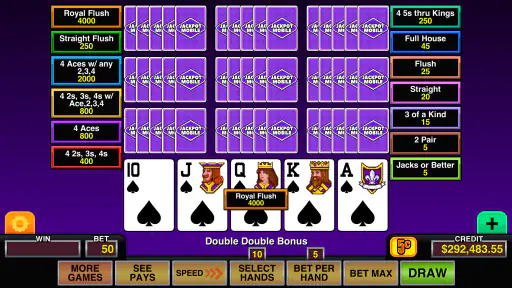
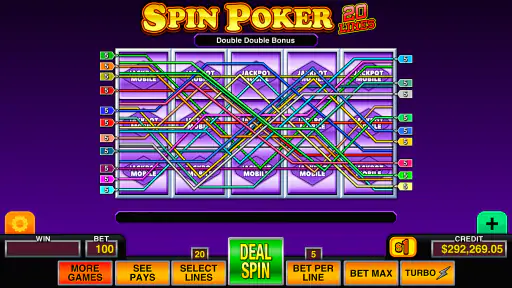
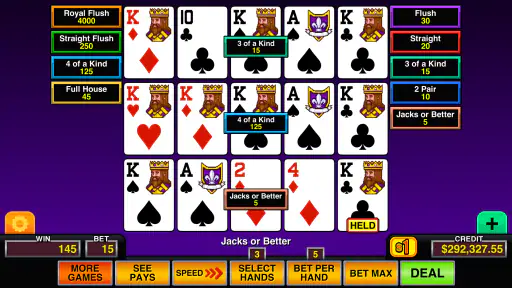
Analysis by Reviewed
I found Video Poker Multi Pro Casino most interesting as a quick, solo card game for a shared household device. It is easy to understand at a glance, but it also asks for a little more care than a casual puzzle because the theme is casino-style video poker and the game includes optional purchases. I would not hand it to a child simply because it is a card game. For an adult or older teen who already understands the difference between play credits and real spending, it can be a convenient way to pass a few minutes.
The game comes from Jackpot Mobile and focuses on multi-hand video poker rather than a table full of opponents. That distinction matters. I am not opening it for conversation, teamwork, or a long campaign. I am opening it when I want to make decisions, watch several poker hands develop, and stop whenever my free time ends. The appeal is concentrated in that short loop: choose a play style, make a poker decision, see the result, and try again.
How it fits into a shared household
On a tablet or phone that several people use, this game works best when everyone treats it as a personal turn-based activity rather than a communal account. A parent might play while waiting for an appointment, then pass the device to another adult later. A couple could compare decisions while sitting together, but the experience itself remains individual. There is no reason to assume that one person’s progress, preferences, or purchases should be treated as belonging to everyone who uses the device.
That is my first practical recommendation: decide who is playing before starting a session. Video poker moves quickly, and a second person can easily continue from the previous player’s screen without realizing it. This is especially relevant on a household tablet left in a common room. The game is simple enough for someone to pick up immediately, but that simplicity also means there may be little visual separation between one person’s session and another’s.
A realistic example is a family tablet used by an adult after dinner and by a teenager later in the evening. The adult may see the game as a harmless card pastime, while the younger user may focus on the casino presentation without understanding the spending implications. I would keep play limited to the adult’s turn unless the teenager is old enough for the household’s rules and has been shown how optional purchases work. The Teen content rating is an important part of that decision, not a detail to ignore.
For a shared device, the strongest use case is therefore controlled, occasional play. It is less suitable as a communal family game than a traditional deck of cards, a pass-and-play board game, or a multiplayer card app. Those alternatives create clearer turns and shared goals. This one is better when one person wants a compact poker session and everyone else is simply waiting their turn to use the device.
What the multi-hand format changes
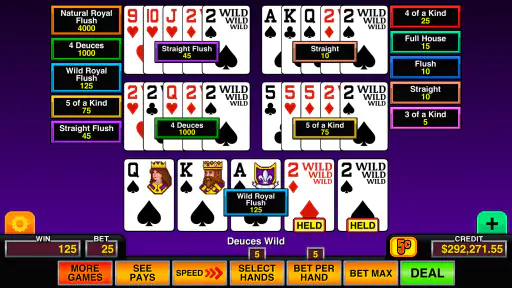
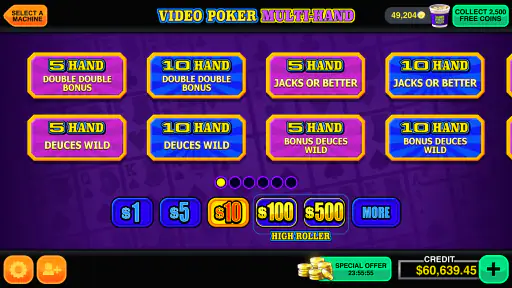
The defining feature is the ability to play several hands at once. The available choices cover three, five, and ten hands, which changes both the pace and the mental workload. With fewer hands, I can concentrate on each decision and treat the session as practice. With more hands, the screen becomes a broader sweep of simultaneous outcomes, and the attraction shifts toward variety and momentum.
I prefer beginning with the smallest hand count, especially on a shared device where another person may be watching. It makes the rules easier to explain and reduces the chance that a new player taps through decisions without understanding what is being held or discarded. Once the basic rhythm feels comfortable, the larger formats are useful for players who enjoy comparing several outcomes from one deal.
The trade-off is easy to miss: more hands can feel more exciting, but they also make each individual decision less memorable. If I am trying to improve my understanding of video poker choices, fewer hands provide a cleaner learning environment. If I simply want a busier session, the larger options make more sense. That is a meaningful choice, not just a cosmetic setting.
I also found that multi-hand play is convenient in short bursts. A single-hand game can feel too narrow when I want something with a little more movement, while ten hands can be too absorbing when I only have a moment. The middle option is a useful compromise for a break, although the best selection depends on how much attention I can give the screen.
Setting boundaries before anyone plays
The game is free to download, but it offers in-app purchases ranging from under a dollar to amounts approaching a hundred dollars per item. That range makes household boundaries especially important. I would not rely on a child or guest to understand that a tap inside a free game may lead to a charge. Before sharing the device, I would make sure the device owner’s purchase approval habits are already in place and that every player knows whether spending is allowed at all.
I would also separate the idea of “free to start” from “free without financial temptation.” Those are not the same thing. A player can enjoy the card mechanics without spending, but the presence of optional purchases changes the conversation for a shared phone or tablet. If the device belongs to someone else, asking before making any transaction should be a firm rule, even if the amount looks small.
Another useful boundary is time. Video poker’s short rounds make it easy to say, “I will play one more hand,” particularly when several hands are running together. In my experience, a simple stop point works better than trying to judge the session by feeling. For household use, I would agree on whether the game is for a brief break, an adult’s private leisure time, or an occasional supervised introduction to poker concepts. The game itself does not create that structure for you.
There is also a practical device boundary. If several people use the same screen, I would avoid leaving the game open on a purchase-related page or handing over the device immediately after a transaction. This is not about assuming bad intentions; it is about preventing accidental taps and confusion. A few seconds of checking the screen can save an uncomfortable conversation later.
Coordinating turns without pretending it is multiplayer
People can still enjoy it together, but the coordination has to come from the players. I can imagine two adults sitting side by side, discussing which cards to keep before each hand. That turns the app into a conversation starter, almost like using a digital deck. However, the game remains a solo video poker experience, so I would not expect shared scoring, formal turn management, or a built-in family competition unless the app clearly presents such a feature during use.
A simple household routine works well: one person plays a defined number of rounds, then hands over the device. The next player starts their own session rather than trying to continue the previous person’s decisions. This keeps the experience fairer and prevents arguments about who caused a result. It also gives younger players a chance to watch without treating the game as a race.
For teaching, I would explain the difference between choosing cards and predicting an outcome. A good decision can still produce an ordinary result, and a lucky result does not automatically prove that the decision was sound. That distinction is valuable when an older teen is curious about poker. It keeps the focus on the card logic instead of presenting casino-style play as a dependable way to win.
One non-obvious advantage of the multi-hand layout is that it can support discussion. With three hands, a household can look at similar situations and compare how a choice develops across separate outcomes. That does not make the game a lesson tool in a formal sense, but it gives experienced players a way to talk through risk and probability. I would keep that conversation grounded, because simulated results should not be confused with real-world financial advice.
Age, trust, and the casino presentation
The Teen rating should guide who gets access. I would be comfortable recommending it to an adult who wants a lightweight card game, and I could see an older teen using it with clear household expectations. I would not describe it as a children’s game just because the controls are straightforward. The casino framing and purchase options make maturity and supervision more relevant than the basic rules alone.
Trust also depends on the player’s habits. Someone who can treat the game as entertainment and ignore optional spending is a better fit than someone who tends to chase a losing streak or tap through offers impulsively. The app can reproduce the rhythm of video poker, but it cannot supply good judgment. In a household, that judgment is part of the setup, especially when a shared payment method is connected to the device.
I would explain to a teenager that the game is using a simulated casino format and that a successful hand is not a promise of future success. I would also make it clear that any purchase requires permission. That conversation may sound obvious, but it is more useful than simply saying “be careful.” Specific rules are easier to follow: no purchases, no playing with someone else’s account, and stop when the agreed session ends.
For adults who dislike gambling themes, the title and presentation may be an immediate reason to skip it, even if they enjoy ordinary poker. A standard poker trainer or a traditional card game may be a better choice for learning hand rankings without the casino atmosphere. Conversely, players who specifically want video poker will find the theme more relevant than they would in a generic solitaire collection.
Everyday play and the small details that matter
I see the game working best during short waiting periods: sitting in a lobby, taking a break between errands, or relaxing when I do not want to commit to a story-heavy game. The lack of a need for another player is convenient. I can start with a small number of hands, make a few decisions, and put the phone away without leaving a team or match behind.
My preferred workflow is to begin conservatively, use the smaller hand option, and pay attention to the decision rather than the speed of the results. After a few rounds, I can switch to a larger format if I want a more active screen. This approach also helps when introducing the game to someone else: it prevents the first session from becoming a blur of simultaneous cards and taps.
One friction point is that the multi-hand format can make the game feel repetitive if I am looking for deep progression, a campaign, or a changing set of objectives. The core pleasure comes from repeated poker decisions, not from exploring a world or building a character. Players who need missions, social interaction, or substantial long-term variety may lose interest sooner than card-game fans expect.
Another limitation is emotional rather than technical. Because the game imitates casino-style play, a player may focus on the excitement of the result instead of the quality of the choice. I found it more satisfying when I treated each hand as a small decision exercise. If I approached it only as a string of wins and losses, the experience became less thoughtful and more likely to encourage “just one more” behavior.
The current version is 1.8.3, and it runs on Android devices using version 7.0 or later. That makes it accessible to people using older compatible phones or tablets, which can be useful when a household keeps a previous device for casual games. Even so, I would check the actual device experience before making it the family’s shared card game, because screen size and visibility matter when several people are watching at once.
How it compares with ordinary card alternatives
Compared with a physical deck, this game is faster to start and handles the dealing automatically. I do not need a table, a second person, or space to lay out cards. The multi-hand choices also create a kind of volume that would take more effort to manage manually. For a solo player, that convenience is the clearest reason to choose it.
A physical deck is still better for teaching card handling, encouraging conversation, and keeping spending completely outside the activity. It also makes household turns obvious. If my goal is to sit with a child and practice recognizing combinations, I would choose real cards or a non-casino educational game first.
Compared with solitaire, this title is more focused on poker decisions and simultaneous hands. Solitaire is often calmer and more puzzle-like, while this game has a stronger casino identity and a quicker result cycle. Compared with a multiplayer poker app, it removes the pressure of opponents, chat, and scheduled matches. That makes it friendlier for private downtime, but less satisfying for anyone seeking bluffing or genuine competition.
A dedicated poker trainer may be the better option for someone who wants structured instruction, detailed analysis, or a learning-first interface. Video Poker Multi Pro Casino makes more sense for a player who already knows the basics and wants a compact way to play several hands. That distinction is important: convenience and atmosphere are its strengths, while formal education and social play belong elsewhere.
Who should install it and who should pass
I would recommend it to adults who enjoy video poker, want a free starting point, and appreciate being able to choose between a light session and a busier multi-hand layout. It is also a reasonable fit for an older teen when a parent or device owner has discussed the Teen rating and purchase rules clearly. The game’s 4.7 average from roughly five and a half thousand ratings, together with more than a hundred thousand installs, suggests that it has found a substantial audience, although popularity does not remove the need to decide whether its theme suits your household.
I would skip it if I wanted a story, a competitive community, a cooperative family game, or a serious poker curriculum. I would also skip it for a young child, for a shared device with no agreed purchase boundaries, or for anyone who finds casino-style reward loops uncomfortable. In those cases, a traditional card app, solitaire, or a physical deck would be a better match.
The free entry point makes trying it straightforward, but I would treat the purchase range as a reason to stay deliberate rather than as a minor footnote. My own rule would be to play without spending unless I had made a separate, conscious decision otherwise. That keeps the game in the category I want it to occupy: a small entertainment app, not a financial activity.
Jackpot Mobile has built something focused rather than broad. The game does one particular thing—solo video poker across multiple hands—and the value depends on whether that loop is exactly what I want. The three-, five-, and ten-hand choices give the format some flexibility, but they do not transform it into a full social or educational card platform.
My household verdict
In my view, Video Poker Multi Pro Casino is a decent choice for a responsible adult player using a personal device, and a workable shared-device game only when the household sets boundaries first. I like the quick sessions, the ability to scale from a manageable hand count to a busier layout, and the fact that I can play without waiting for opponents. I also appreciate that the basic idea is immediately understandable.
My reservations are just as clear. The casino theme is not right for every family, optional purchases require attention, and the game does not naturally separate one household member’s activity from another’s. The Teen rating means I would include age and trust in the decision, not treat the app as harmless simply because it uses cards.
My recommendation is simple: choose it for focused, solo video poker, and set the spending and turn rules before sharing the device. If that arrangement sounds comfortable, the game offers a convenient way to fill short breaks. If what you really want is a family card night, a learning tool, or a competitive poker table, I would choose a different kind of card experience instead.
Pros
- Multiple video poker variants provide plenty of gameplay variety.
- Simple controls make it easy to play on phones and tablets.
- Practice mode lets you learn hands without risking real money.
- Fast rounds suit short gaming sessions or casual play.
- Clear card layouts make hands easy to follow during play.
Cons
- No real-money cashouts are available through the app.
- Frequent play may become repetitive once familiar variants are mastered.
- Virtual credits can encourage longer sessions than intended.
- Some features may be limited unless optional purchases are made.
- Results depend on luck
- with limited strategy beyond hand selection.

- Category
- Card
- Version
- 1.8.3