Vector Classic
- 3.39K
- 4.6
- Installs
- 1.00M
- Price
- $0.99

Screenshots


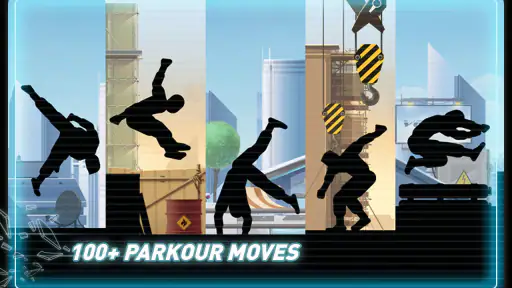
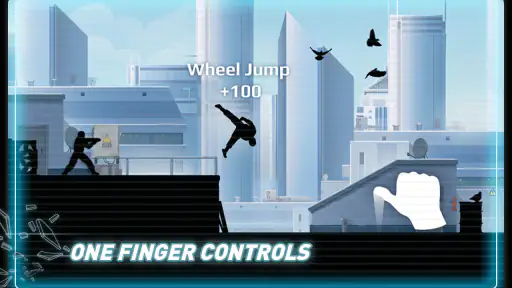


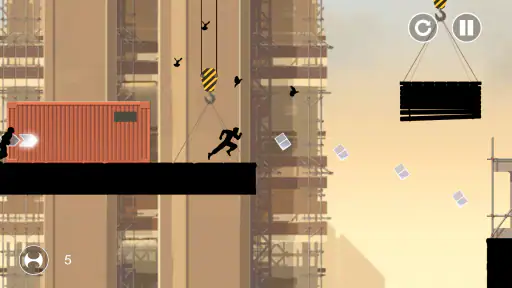
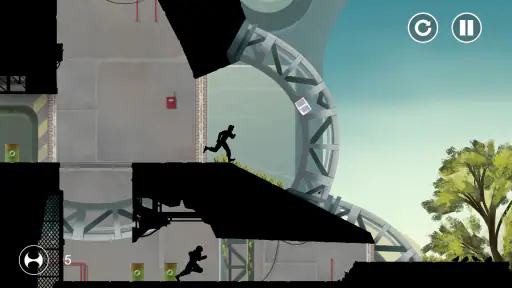
Analysis by Reviewed
I look at Vector Classic as a focused arcade game for short bursts of play: its appeal is the rhythm of a runner escaping through obstacle-filled routes, not a sprawling collection of systems. That makes it easy to understand what you are doing, while the need to time jumps and slides gives each run a skill element. It suits players who enjoy learning a route through repetition, though anyone hoping for a broad, story-heavy adventure may find its narrow focus limiting.
What the price means in practice
This is a paid game, listed at $0.99, with optional in-app purchases priced from $0.99 to $4.99 per item. I would treat the purchase price as the cost of getting into the game, rather than assume that every item or progression choice is included. The practical question is whether you want this particular style of arcade play; the low entry price does not make it the right fit for someone who dislikes reflex-based retries.
It is made by NEKKI and sits in the arcade category. The game has a 4.6 average from around 67,000 ratings, and it has over one million installs. Those figures suggest that its runner format has found an audience, but they do not tell you whether its timing-focused play will suit your hands or patience. I would use them as context, then judge it by whether repeating a section to improve a run sounds satisfying rather than tedious.
A Leap into the World of Parkour
From the moment you launch Vector Classic, you’re thrown into a dystopian world where freedom is a rare commodity. You play as a lone runner breaking free from the shackles of a totalitarian system. The game’s storyline is simple yet gripping, and it sets the stage for some seriously fast-paced action. You’ll find yourself leaping over obstacles, sliding under barriers, and sprinting across rooftops in a desperate bid for freedom.
Game Mechanics That Keep You Hooked
The controls in Vector Classic are as smooth as butter. With just a few swipes and taps, you’ll be performing parkour stunts that would make even the most seasoned athletes jealous. The game’s intuitive mechanics make it easy for anyone to pick up and play, yet there’s enough depth to keep you coming back for more. The levels are meticulously designed, offering a perfect blend of challenge and excitement. You’ll need quick reflexes and sharp timing to master each stage, but trust me, the satisfaction of nailing a perfect run is totally worth it.
Learning the timing, not just the route
My practical tip is to pay attention to the animation and obstacle spacing instead of swiping as soon as danger appears. A move that feels late at first can be the right response when the runner reaches the edge of a barrier. If a section keeps catching you, change one input at a time; that makes it easier to learn whether your timing or your choice of move is the problem. This is a small but useful distinction in a game where quick retries can otherwise turn into guesswork.
That retry-friendly rhythm is also what separates this from many arcade alternatives. A score-chasing game often asks you to survive as long as possible, while this one puts more emphasis on getting through designed routes and executing actions cleanly. I prefer that when I want a concrete obstacle to solve, but it is less appealing if I want endless variety or a relaxed pace. On a short break, I can focus on one tricky stretch; when I have only a minute and want instant, low-pressure play, a simpler casual game may be a better choice.
More From Our News Desk

Clash of Clans Is Won Between the Battles

Android Auto Makes the Case for Quieter Car Software

MobiOffice: Transforming Mobile Productivity with Seamless Integration

EA SPORTS FC™ Mobile Soccer: Redefining Mobile Sports Gaming

How Microsoft OneDrive Became a Mobile Productivity Giant

How Google Translate Breaks Language Barriers Effortlessly
Visuals and Soundtrack
Now, let’s talk about the aesthetics. The visuals in Vector Classic are minimalist but incredibly effective. The silhouette-style graphics create a stark contrast against the vibrant backgrounds, making every jump and roll look absolutely stunning. The animations are fluid, giving the game a sense of realism that draws you in from the get-go.
The silhouette presentation also helps keep the moving runner distinct from the scenery, which matters when you are deciding when to act. I find it gives the action a clean look without needing realistic detail. A trade-off is that the strong visual style is more about readable movement than a richly detailed world; if elaborate environments are what you play games for, this may feel spare.
A realistic way I would use it is during a commute or while waiting for a friend: play a section, note the obstacle that caused a mistake, then make another attempt instead of treating every failure as a reason to restart blindly. It is best in a setting where you can give the screen your attention. Because timing matters, I would not choose it when I need to keep looking away or play one-handed while doing something else.
The game is rated Everyone 10+, and the current version is 1.4.2, with Android 5.0 as the minimum operating-system requirement. That makes it worth checking your device’s software compatibility before buying. The main appeal is straightforward enough for newcomers to arcade games, but the repeated timing challenges mean younger or less patient players may need to decide whether retrying feels like part of the fun or just friction.
Trade-offs before you decide
The main limitation I would keep in mind is the narrowness of the core loop: running, reading obstacles, and getting the timing right. That focus is the point, but it will not satisfy someone looking for a large set of different activities or a casual game that asks very little attention. The store shows optional purchases alongside the paid entry price, so I would check what an item offers before spending more; the listed price range alone does not tell you whether a purchase is useful for your style of play.
Some players may also wonder whether the game works as a quick pick-up experience. Its clear premise and swipe-based actions make it approachable, but a difficult section can demand several concentrated attempts. I would start when I have a few uninterrupted minutes, rather than expect every session to be instantly relaxing. If you prefer experimentation and gradual mastery, that repetition is a strength; if you want a fresh surprise every time you open a game, it is a reason to skip it.
Visuals and Soundtrack
And the soundtrack? Oh, it’s a masterpiece! The music in Vector Classic is perfectly synchronized with the gameplay, adding an extra layer of intensity to your runs. It’s the kind of music that keeps your heart racing and your fingers moving to the beat. Trust me, you’ll find yourself humming the tunes long after you’ve put the game down.
Final Thoughts
So, is Vector Classic worth the download? Absolutely! It’s a thrilling ride that combines skillful gameplay, stunning visuals, and an unforgettable soundtrack into one neat package. Whether you’re a fan of parkour or just looking for a game that’ll keep you on the edge of your seat, Vector Classic is the app for you. So go ahead, give it a try, and see if you can outrun the system!
My verdict is more conditional than that last burst of enthusiasm: I would buy it if I enjoy precise, repeatable arcade challenges and like seeing a run improve through better timing. I would skip it if I want a free-to-start option, a casual game that tolerates distractions, or much more variety than a parkour chase provides. Released on April 26, 2013, it has an older, established feel rather than the promise of a brand-new release. For the $0.99 entry price, its value comes down to whether its particular loop clicks with you; I would not pay extra for optional items until I knew exactly what I wanted from them.
Making retries useful
One way to keep a hard stretch from becoming frustrating is to treat each failed attempt as a small test. I would focus on the first obstacle that breaks the run, then watch the runner’s position and animation on the next try instead of mentally replaying the whole level. If the same move fails in the same place, adjust its timing; if a different obstacle becomes the problem, the earlier change may have helped. That approach makes repetition feel like practice rather than simply tapping through the same mistake.
It also helps to separate a clean completion from a polished run. When I am learning, getting through a section is enough; chasing every possible flourish at once can make it harder to understand the basic timing. Once the route feels familiar, I can pay attention to executing the movements more smoothly. Players who enjoy improving a performance in stages are likely to get more from the game than those who only value a first-time finish.
Choosing the right moment to play
The game is a better fit for a brief stretch of focused attention than for background entertainment. For example, while waiting for a delayed appointment, I might attempt one section, pause after a mistake, and return to it once I can concentrate again. That gives the short-session format a practical use without pretending the controls work well when the screen is competing with conversation, walking, or another task. I would keep it for downtime when I can look at the action, not for moments when I need to divide my attention.
Touch input is simple to understand, but simple controls do not remove the need for precision. If a swipe is registered at an awkward moment, it can be tempting to blame the game immediately. I would first try holding the device steadily and making deliberate, distinct gestures, especially while learning a new obstacle sequence. That is a useful adjustment for anyone playing on a small screen or in a moving vehicle as a passenger; it cannot make distracted play reliable, but it can reduce avoidable input confusion.
How it compares with other arcade choices
Compared with an endless runner built around surviving for a high score, this game’s appeal is more about mastering a sequence than simply stretching a run for as long as possible. That gives each obstacle a clearer purpose and makes a retry feel like a chance to correct a specific error. The trade-off is that players who want constantly changing runs, a relaxed pace, or a broad set of modes may get more mileage from a different arcade game. I would choose this one for deliberate route practice, not as a catch-all substitute for every kind of quick mobile play.
It also asks for more attention than a casual tap game. Its parkour movement is the draw, but it means the player has to read what is ahead and act at the right moment. If you like games where improvement comes from learning what a level asks of you, that gives the compact premise some staying power. If your preferred arcade game is something you can dip into while watching a show or answering messages, I would look elsewhere rather than expect this chase to become hands-off entertainment.
Who is likely to get their money’s worth?
I would recommend it most to someone who enjoys short, skill-led challenges, likes the visual clarity of silhouette animation, and does not mind repeating a section until the timing clicks. It can also suit a player new to parkour games: the basic idea is immediately readable, while the challenge comes from execution rather than learning a complicated set of systems. The age rating is Everyone 10+, but adults who enjoy focused arcade play are just as likely to appreciate its directness.
I would steer away from it if you need a free option, want a forgiving game for distracted moments, or expect a large narrative adventure. The purchase is easy to understand, but it is still a purchase, and optional items can mean spending beyond the initial cost. A cautious buyer can make a sensible decision by considering the core loop first: if retrying one obstacle sounds satisfying, the entry price may feel worthwhile; if that sounds like work, the low price will not fix the mismatch.
Before paying, set your expectations
The important distinction is between the game’s paid entry and its optional in-app purchases. I would not assume that the initial price includes every item, nor would I spend on an extra simply because a challenging stretch has annoyed me. First work out whether you want to keep playing and what, specifically, an item would add to your experience. That small pause helps prevent frustration from turning into an unplanned purchase.
For someone comparing it with other games, the value is not about how many different activities it offers; it is about whether this particular rhythm of running, reacting, and refining a performance is enjoyable enough to revisit. The established release history and current version make it a recognizable older arcade title rather than a new release pitch. My recommendation is therefore straightforward: buy if you want a focused parkour runner and are happy to learn through retries; skip if you want free access, broad variety, or a game that asks almost nothing of your attention.
Vector Classic Frequently Asked Questions
Can I play Vector Classic in short sessions?
Vector Classic’s arcade format makes it a natural choice for players looking for quick bursts of action. Its chase-based parkour challenges ask you to react to obstacles and time your movements, so a level can be approached as a focused attempt rather than a long, uninterrupted activity. The repeated runs also give you chances to learn the timing and try again.
What should I check before installing Vector Classic on my device?
Before downloading, check that your device is compatible with the game and has enough available storage for installation. The Android version requires Android 5.0 or later. Vector Classic is available on Android and iOS, so you can look for it in the relevant app store for your device and confirm compatibility there before proceeding.
What kind of game is Vector Classic, and who might enjoy it?
Vector Classic is an arcade game centered on parkour-style movement and an ongoing chase. It may appeal to players who enjoy reflex-based challenges, timing jumps, and finding the right moment to move through obstacles. Its silhouette-style presentation gives the action a distinctive look, while the pursuit provides a clear sense of urgency. The game is developed by NEKKI.
What is Vector Classic and how does it work?
Vector Classic is an action-packed parkour-inspired game that allows players to experience the exhilarating freedom of running, jumping, and climbing through various urban environments. The game features a unique silhouette-style visual design, offering a minimalist yet captivating experience. Players must utilize intuitive swipe controls to navigate challenging levels, all while evading capture in a totalitarian world. Each level presents new challenges and obstacles, requiring quick reflexes and strategic thinking.
Is Vector Classic available on both Android and iOS platforms?
Yes, Vector Classic is available for download on both Android and iOS devices. Users can easily find the game on the Google Play Store for Android users and the Apple App Store for iOS users. The game is optimized for both platforms, ensuring a smooth and enjoyable experience regardless of the device you are using. Simply search for 'Vector Classic' in the respective app store to download and start playing.
Pros
- Smooth and intuitive controls
- Stunning graphics and animations
- Engaging and challenging levels
- Variety of parkour moves
- Regular updates and bug fixes
Cons
- Occasional in-app purchase prompts
- Requires constant internet connection
- Some levels are very difficult
- Limited character customization
- Ads can be intrusive
- Category
- Arcade
- Version
- 1.4.2













