Shadow Fight 4: Arena
- 13.02K
- 4.7
- Installs
- 50.00M
- Price
- Free

Screenshots
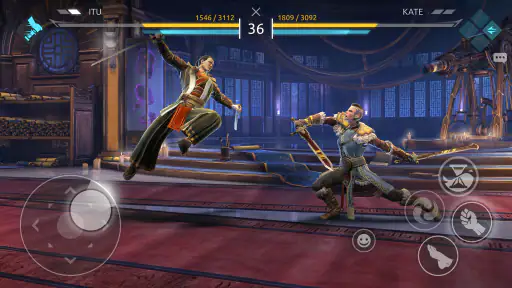

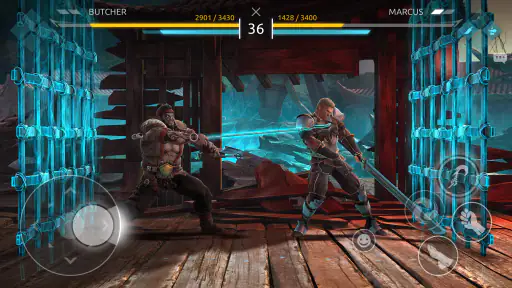
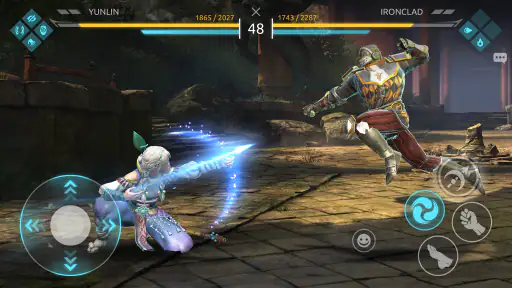
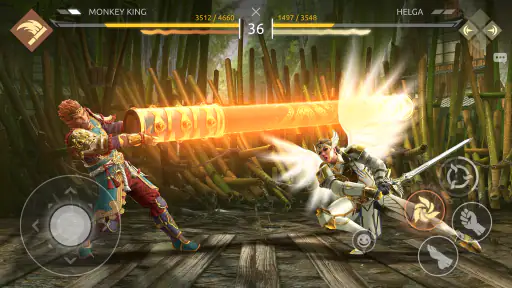
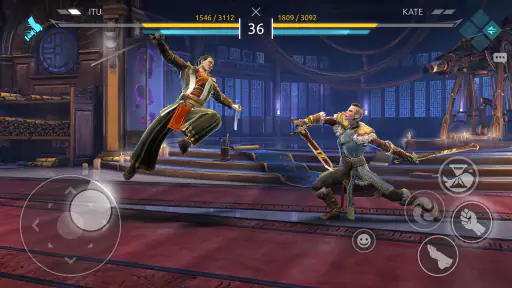

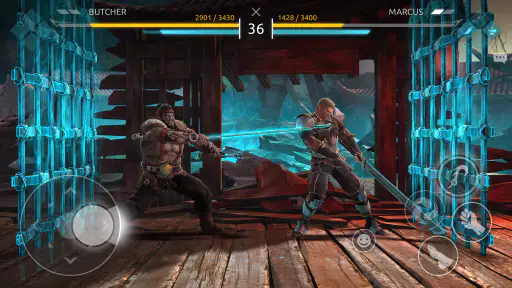
Analysis by Reviewed
I approached Shadow Fight 4: Arena as a mobile fighting game for quick bouts rather than a role-playing adventure built around a long story. That distinction matters: its appeal is in learning fighters and making sharp decisions in combat, not in settling into a sprawling quest. Developed by NEKKI, it is free to download, though optional purchases range from $0.49 to $149.99 per item. I’d think of it as a competitive game first and a casual time-filler second; it can be welcoming at the start, but its PvP focus rewards patience and practice.
How to judge its current appeal
For a new player, the first useful question is not whether the game has a large roster or a long progression path, but whether you enjoy the moment-to-moment decisions of a duel. I find its strongest hook in the back-and-forth: you have to notice how the other fighter approaches, decide when to hold back, and take an opening when it appears. If you mainly want a game that can run in the background while you do something else, this asks for more attention than it may seem to at first.
That focus also helps explain why it can appeal to someone who has little time for a traditional role-playing game. You can use a short break to play a few bouts without needing to remember a complicated story thread. The limitation is that a brief session can still feel demanding if you are matched with a more experienced opponent or are trying to learn a new fighter. I’d treat it as a compact skill game, not as guaranteed easy downtime.
Where it fits among mobile fighters
The usual alternative is a fighting game built around solo stages, a deep narrative, or a roster you mainly collect and watch perform. Arena leans more on direct player-versus-player competition, so reading an opponent and responding under pressure matter more than simply memorizing a sequence of attacks. That makes a match feel personal, but it also means the experience can be less relaxing than a single-player brawler. If you want a story to carry you between fights, I’d choose a different kind of game; if you enjoy adapting to another person, this format is a better fit.
Its role-playing label makes sense in the way fighters and their abilities can be developed, but I wouldn’t install it expecting the structure of a traditional RPG. The central attraction is the combat. For someone who likes learning how different characters handle, building a preferred approach, then testing it against real opponents, that focused loop is a strength rather than a missing feature.
A practical way to get started
When a game offers several fighters and customization, it is tempting to change everything after every defeat. I’d resist that at first. Stick with one character long enough to notice which moves leave you exposed and which attacks are reliable at close range. Then change one element of your setup at a time. This makes losses useful: you can tell whether a different choice helped, rather than confusing a new fighter, new equipment, and a new tactic all at once.
It also helps to treat an early loss as information instead of proof that your character is weak. Watch for repeated habits: do you rush in after every knockback, or spend a special attack as soon as it is available? A brief pause to vary your timing can be more valuable than trying to press buttons faster. This is the sort of game I’d play in a quiet break when I can focus on a few rounds, not while distracted by messages or other tasks.
Small decisions that make practice more useful
A practical way to review a match is to pick one question before it starts: am I attacking too often, or am I leaving myself open after a missed move? Keeping the question narrow makes it easier to notice a pattern while the fight is moving quickly. Afterward, I’d change only one habit in the next bout. This is less exciting than swapping fighters after every loss, but it gives you a clearer sense of whether a change actually helped.
Customization deserves the same patient approach. Upgrades and equipment can make a fighter feel more suited to your style, but changing several parts of a setup at once makes it hard to know what is doing the work. If a preferred approach relies on getting close, for example, focus your experiments around that plan rather than copying a setup that seems designed for a different rhythm. Consistency is more useful than constant tinkering when you are still learning how a character handles.
There is also a useful distinction between losing because you made a poor decision and losing because the opponent is simply more practiced. You will not always be able to separate those causes in the moment, but noticing repeated mistakes is still worthwhile. If you are getting punished for the same rushed approach, slow down and test a different timing. If the match feels one-sided despite a careful attempt, take it as a reason to practise elsewhere or return later rather than turning every bout into a test of your ability.
Who will enjoy it—and who may not
I’d recommend it to players who like competitive action, enjoy improving through repeated matches, and don’t mind that matchmaking can produce uneven fights. It is also a good choice if you want a mobile game whose main appeal is active combat rather than long stretches of reading or exploration. On the other hand, if losing to a more experienced opponent quickly spoils your mood, or if you want dependable solo progress without PvP pressure, the central appeal may become a source of friction.
For a realistic everyday session, imagine having ten minutes free before heading out. You can open the game, play a few matches, and use one encounter to test a small change in your approach. That works better than treating every short session as a serious climb or spending it switching between fighters without learning any of them. The trade-off is that competitive play asks for attention: a match is short, but it is not always something you can casually half-watch.
It is a better fit for someone who sees improvement as part of the entertainment than for someone who wants every session to end with a clear, guaranteed reward. If your priority is a low-pressure game to unwind with, a solo-focused action title may suit you better. If you enjoy the small satisfaction of recognizing a pattern and responding more thoughtfully the next time, the competitive format can make even a short session feel worthwhile.
Suitability, spending, and returning to play
The game is rated Teen, so I’d still check that rating against the preferences of the person who will play, especially if you are choosing it for a younger player. It runs on Android 6.0 or later. Those details make it easier to judge basic suitability before downloading, while the free entry point lets you try the combat before deciding whether its optional purchases are worth considering.
Because purchases are optional, I’d begin by playing without treating spending as a shortcut to enjoyment. The first decision is whether the basic combat loop itself keeps you interested; if it does not, buying something is unlikely to fix that. If you do get invested, set your own budget before browsing purchase options, particularly because the listed range extends from $0.49 to $149.99 per item. That is a wide enough spread to make a deliberate choice sensible rather than impulsive.
Its current Android version is 1.9.40, and the game was released on November 3, 2020. Those facts place it as an established mobile title rather than a brand-new experiment, but they do not tell me what any specific update changed. For someone returning after time away, I’d check the current in-game menus and try a familiar fighter before assuming old habits still work exactly as remembered. For a new player, the sensible expectation is to learn the current experience through play, not to rely on assumptions about how it may evolve.
That version number is a useful marker for identifying the current build, but it is not a promise about future balance or new content. A returning player can use it as a prompt to re-familiarize themselves with the interface and their chosen fighter, then judge the experience directly. I would avoid planning around expected changes: play what is available now, and treat any future adjustments as something to assess when they arrive.
It has an average rating of 4.7 from around 1.6 million ratings, with about 13,000 written reviews and over 50 million installs. That breadth suggests the game has found a large audience, but popularity does not remove the personal trade-offs: PvP is still the draw, matchmaking can still feel uneven, and optional spending may not suit everyone. I’d watch how fair matches feel over time and whether the game continues to make practice rewarding. Those are more useful signs for a returning player than assuming that a version number alone guarantees a particular change.
What I would keep an eye on
For someone deciding whether to stick with it, I’d pay attention to two things during ordinary play: whether opponents feel learnable after a few encounters, and whether you still want to try again after a close loss. Those personal signs are more helpful than judging the game only by a winning streak. If every match feels like a mismatch, or if a loss makes you want to stop rather than experiment, the competitive structure may not be the right fit for you.
I’d also look at whether your chosen fighter remains enjoyable as you learn more. A character that initially feels comfortable may reveal a weakness in your habits, while a different one may suit the way you prefer to control distance and pace. Switching can be worthwhile, but I’d do it with a reason—such as wanting to test a different approach—not simply because the last match went badly. That keeps the roster from becoming a distraction from learning the combat.
Hey there, fellow gamers! Today, I’m diving into the action-packed world of Shadow Fight 4: Arena. If you’re a fan of adrenaline-pumping, high-octane fighting games, then you’re in for a treat. This game has been making waves in the mobile gaming community, and I couldn’t resist giving it a go to see what all the fuss is about.
Unleashing the Fighter Within
From the moment you launch Shadow Fight 4: Arena, you’re immediately pulled into its stunning graphics and intricate designs. The visuals are nothing short of breathtaking, with each character meticulously crafted to deliver a lifelike fighting experience. The game gives you an array of fighters to choose from, each with their own unique abilities and fighting styles. Whether you’re into swift ninjas or powerhouse warriors, there’s something for everyone.
Gameplay That Packs a Punch
Now, let’s talk about the gameplay, because oh boy, it’s something else! The controls are intuitive, making it easy for newbies to jump right in while still offering depth for seasoned players. You can perform a variety of moves, from basic punches and kicks to more advanced combos and special attacks. The real-time PvP battles are the star of the show, and they bring an exciting level of competitiveness to the game. Nothing beats the thrill of outsmarting your opponent and landing that final blow!
One feature I absolutely love is the ability to customize your fighter. You can upgrade weapons, armor, and skills, tailoring your fighter to match your playstyle. This level of customization adds a personal touch to the game, making each battle feel unique.
Sound and Fury
A game isn’t just about visuals and gameplay—sound plays a crucial role too, and Shadow Fight 4: Arena delivers on that front. The soundtrack is immersive, perfectly complementing the intense battles. The sound effects are spot-on, from the swoosh of a sword to the thud of a knockout punch, enhancing the overall experience.
However, like any game, it does have its moments of frustration. The matchmaking can sometimes be a bit off, pairing you with opponents way above your skill level. But hey, that’s all part of the learning curve, right?
Final Thoughts
All in all, Shadow Fight 4: Arena is a thrilling addition to the fighting game genre. It’s visually stunning, with engaging gameplay and a soundtrack that keeps you on the edge of your seat. If you’re looking for a game that combines strategy, skill, and a whole lot of fun, this might just be your new favorite. Just remember, practice makes perfect, so keep honing those skills and climb your way to the top of the arena!
Shadow Fight 4: Arena Frequently Asked Questions
Does Shadow Fight 4: Arena focus on single-player or multiplayer combat?
Shadow Fight 4: Arena is centered on competitive fighting, including real-time multiplayer battles and online tournaments. That makes it a good fit if you want to test your timing and tactics against other players, rather than play only through a solo story. You will need an internet connection to take part, so consider whether online play suits the way and places you usually game.
What should I know about the game’s combat before downloading?
The game is a fighting experience in which learning characters’ abilities and fighting styles is part of the appeal. Battles reward practice, and trying different fighters can help you discover which approach feels right for you. If you enjoy action built around timing, movement, and choosing how to use a character’s abilities, the combat may be engaging; players seeking a slower, non-combat game may prefer something else.
Can I play Shadow Fight 4: Arena on my phone or tablet?
Shadow Fight 4: Arena is available for Android and iOS devices, so you can play it on a compatible phone or tablet. On Android, the minimum operating system requirement is version 6.0. Before downloading, check that your device runs a supported system and has enough free storage for the installation and future updates. The game is developed by NEKKI.
Is Shadow Fight 4: Arena a good choice for someone new to fighting games?
It can be approachable if you are willing to spend time learning how each character fights. Practicing with different fighters helps you understand their abilities and combos, while battles give you opportunities to apply what you have learned. The competitive focus means opponents may challenge you as you improve, so newcomers should expect a learning curve rather than mastery right away.
What kind of game is Shadow Fight 4: Arena?
Shadow Fight 4: Arena is a role-playing fighting game built around competitive combat. Its store invitation, “Join the Shadow Tournament! Become a Hero!”, captures the focus on stepping into battles and developing your play over time. If you enjoy learning a fighter’s moves and facing opponents in an arena setting, its format may appeal to you.
Articles Related to Shadow Fight 4: Arena
Clash of Clans Is Won Between the Battles
Its raids are quick; its community is a long-term project of coordination, teaching, rivalry, and shared responsibility—with all the friction that entails.
Android Auto Makes the Case for Quieter Car Software
The car interface is no longer judged by how much it can do, but by how quietly it helps. Android Auto shows what drivers now expect—and what still gets in the way.
MobiOffice: Transforming Mobile Productivity with Seamless Integration
MobiOffice: Word, Sheets, PDF is redefining mobile productivity with a surprising blend of functionality and innovation.
EA SPORTS FC™ Mobile Soccer: Redefining Mobile Sports Gaming
Dive into EA SPORTS FC™ Mobile Soccer, where immersive gameplay and strategic depth transform mobile sports gaming.
Pros
- Stunning graphics and animations.
- Diverse character roster.
- Smooth and responsive controls.
- Regular updates with new content.
- Engaging multiplayer mode.
Cons
- Requires constant internet connection.
- In-app purchases can be pricey.
- Occasional matchmaking issues.
- High battery consumption.
- Not suitable for all devices.

- Category
- Role Playing
- Version
- 1.9.40