Titan War
- 1.62K
- 3.1
- Installs
- 1.00M
- Price
- Free

Screenshots
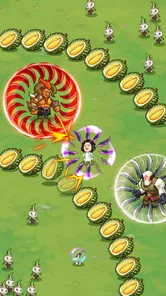
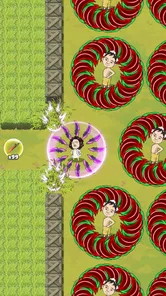
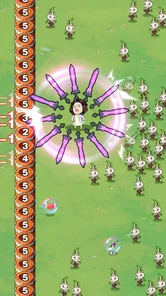
Analysis by Reviewed
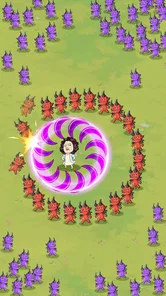
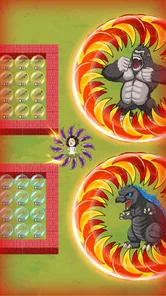
I approach mobile games like Titan War with one practical question: does each session give me a clear reason to keep going, or does progress start to feel like chores? This is a free card game from Glacier entertainment, built around battles and improving your blade. Its premise has an immediate, easy-to-grasp goal, but the appeal depends on how much you enjoy chasing upgrades and turning small gains into stronger results.
Small goals make the opening approachable
The basic loop is easy to understand: take on enemies, work toward improving your blade, and see how far that improvement carries you. That gives a new player a concrete first objective rather than asking them to learn a complicated strategy system before anything happens. I’d treat early sessions as a chance to learn the pace of encounters and notice whether each upgrade makes the next stretch feel more manageable.
A useful habit is to avoid judging progress by a single fight. In a game centered on upgrading and harvesting enemies, the more helpful question is whether repeated attempts move you toward a stronger setup. If you like seeing a simple objective turn into a longer chain of goals, that structure can be satisfying. If you want a story-heavy card adventure or detailed deck construction, the central appeal here may feel narrower than you want.
Epic Battles and Strategic Gameplay
First off, the heart of the game lies in its strategic gameplay. You’re not just mindlessly tapping away at your screen; every decision matters. You’ve got to build your army, choose your heroes, and decide on the best tactics to crush your enemies. The battles are intense and require a balance of brains and brawn. Trust me, the satisfaction of outsmarting an opponent is pure gold.
What I love most is the variety of heroes you can choose from. Whether it’s a mighty warrior or a cunning sorcerer, each hero brings something unique to the table. You’ll need to think carefully about who to bring into battle and how to use their abilities effectively. It’s this level of depth that keeps the game fresh and exciting.
Reading progress without rushing upgrades
When a game puts improvement at the center, it’s tempting to spend resources as soon as an upgrade becomes available. I find it more useful to pause and ask what is actually holding me back: damage, durability, or simply needing another attempt to understand an encounter. That small check helps separate a meaningful upgrade from a reflex purchase or change. It also makes progress easier to judge, since a stronger blade should matter in the fights where you were previously getting stuck.
For a short everyday session, I’d choose one clear target before opening the game: make progress toward the next blade improvement, or replay a fight to see whether a different approach works. That keeps a quick break focused. If I have more time, I can stay longer and follow the chain of goals instead of stopping after one result. This is a better fit for players who enjoy incremental progress than for anyone expecting every session to deliver a major story reveal.
More From Our News Desk

 Instagram
’s Power Comes From Its Place in Your Phone
A close look at how Instagram turns Meta’s reach, recommendation systems and everyday camera habits into durable platform power—and what that costs users.

 Gmail
Gmail in a Busy Inbox: Who Benefits Most?
From first account to crowded workday, Gmail earns its place through dependable search and flexible sorting—but its best fit depends on how much inbox maintenance you can tolerate.

 Prime Video
Switching to Prime Video: What Changes in Your Viewing Routine
Prime Video can make a compelling second home for streaming, but switching means learning a different catalog, rental layer, and route from browsing to playback.

 Universal TV Remote Control
 Works Best as a Reliable Backup
A phone remote earns its place through quick setup and reliable habits. Here is how to get more from Universal TV Remote Control—and where its limits show.

 Weather - By Xiaomi
Weather by Xiaomi Review: Clear at a Glance, Less Clear Up Close
Xiaomi’s weather app makes everyday forecasts quick to scan, but its calm surface can leave useful details and recovery paths harder to find than they should be.

 X
X Under Pressure: Can It Recover When Posting Goes Wrong?
A resilience-focused review of X, examining setup, mistaken posts, interruptions, weak connections, and the gaps that matter when recovery needs to be dependable.
Latest News



The World of Titans
The world-building in Titan War is nothing short of amazing. The graphics are top-notch, with beautifully designed landscapes and characters. The mythological theme is woven throughout the game, with titans, monsters, and magical realms that make you feel like you’re part of a grand epic. It’s visually stunning and feels like a living, breathing world.
Exploration is a big part of the game. You’ll find yourself venturing into dark dungeons, mystical forests, and towering mountains. Each location offers new challenges and rewards, so there’s always something to look forward to. Plus, the game’s soundtrack adds to the immersive experience, making every quest feel truly epic.
How its pace compares with other card games
Compared with the usual card-game options, the focus here is less about sitting down for a long, carefully planned match and more about the appeal of battling enemies while pursuing upgrades. That can suit a commute, a waiting room, or a few minutes between other tasks: I can set a modest goal and stop once I’ve made progress. Players who prefer direct competition, elaborate deck-building, or a purely tactical puzzle may be happier with a different card game.
The trade-off is that repeated fights and gradual improvement can begin to feel repetitive if the reward at the end of a session is too small for your taste. I’d pay attention to whether each new goal changes how I approach a battle, rather than assuming that a bigger number alone will keep the game interesting. If the loop remains enjoyable, the steady pacing is a strength; if it feels like waiting for the next upgrade, it may be time to take a break.
Making a short session count
A realistic way I’d fit this into an ordinary day is to open it while waiting for an appointment, choose one achievable aim, and stop when I’ve either made progress or decided the next step would take more time than I have. The key is not to start with the vague intention of “getting stronger.” A specific check—whether an upgrade changes the outcome of a troublesome encounter, for example—makes the session feel purposeful without turning a casual game into a task list.
I’d also avoid making several changes at once when trying to understand why a battle went better or worse. If I change my approach and improve the blade simultaneously, it becomes harder to tell which choice helped. That kind of small, deliberate comparison is useful in a progression-focused game: it lets me learn from a retry instead of treating every win or loss as random. It won’t suit players who want instant variety, but it can make repeated attempts feel more considered.
Building Your Empire
Outside of battles, there’s a whole empire to build. You need to manage resources, upgrade your base, and train your troops. It’s a balancing act that adds another layer of strategy to the game. I found myself constantly tweaking my setup to maximize efficiency and prepare for the next big battle.
There’s also a social aspect to the game where you can join alliances. This opens up a whole new dimension of cooperative gameplay. Working together with other players to take down massive titans is not only rewarding but also builds a sense of community. Plus, it’s always fun to chat with fellow gamers and exchange tips and strategies.
Who will enjoy the longer climb
I’d recommend this to someone who likes seeing a clear upgrade goal turn into a sequence of battles, and who doesn’t mind returning to a familiar loop to make gradual progress. The card-game label alone may lead some players to expect a traditional match-based experience, so it’s worth considering whether the upgrade-and-enemy focus sounds appealing before settling in. If you mainly want a quick, self-contained puzzle with a definite endpoint, this may not be the right choice.
It’s also sensible to decide in advance how you feel about optional spending. The game is free to start, with in-app purchases ranging from $0.99 to $99.99 per item. I’d try the core play first and only consider spending if I understand what the purchase changes for my own progress. That avoids treating a moment of impatience as a reason to pay, especially when the point of the game is to build strength over time.
What to expect from the progression loop
A question I’d ask before installing is whether I need each session to unlock something visibly new. Here, the stated hook is improving a blade while taking on enemies, so the more useful measure may be whether an upgrade makes the next encounter feel different, not whether every visit delivers a dramatic reveal. If I enjoy tracking small changes in how far I can get, I’m more likely to find the climb worthwhile. If I need a steady stream of fresh mechanics to stay interested, I’d be cautious.
Another practical trade-off is the balance between patience and convenience. Free access lets me try the loop before deciding whether it deserves more of my time, while optional purchases can tempt players who dislike waiting for gradual progress. I’d set my own boundary before playing: enjoy the improvement at the pace the game gives me, and don’t spend just because I’ve hit a frustrating point. That keeps the decision tied to enjoyment rather than impatience.
Challenges and Rewards
As you progress through the game, Titan War keeps things interesting with a variety of challenges and events. These provide extra goals to strive for and offer fantastic rewards. Whether it’s a limited-time event or a tough boss battle, there’s always something to push you to your limits.
The game’s leveling system is well-paced, ensuring that you always feel like you’re making progress. And let’s be honest, who doesn’t love the thrill of unlocking a new ability or piece of gear? It’s these little victories that make the game so addictive.
A practical check before you commit
For someone deciding whether to install it, I’d weigh the repeated-play loop against the kind of variety they expect. The game is rated Everyone, has an average rating of 3.0 from around 8,800 ratings, and has passed one million installs. Those figures suggest a sizeable audience but also a mixed reception, so I wouldn’t assume it will click for everyone. The current version is 1.0.98, and it requires Android 7.0 or later; it is also available on iOS.
One practical way to test the fit is to play a few short sessions without setting out to maximize everything. Notice whether you enjoy the battle-to-upgrade rhythm, whether the next goal feels motivating, and whether you’re comfortable stopping when a session ends. That tells you more than simply asking whether the theme or visuals look appealing. A game can look inviting and still be a poor match if its central pace doesn’t suit you.
Who may prefer another kind of game
I’d skip this if my main reason for choosing a card game were to build a finely tuned deck, study a competitive meta, or solve a compact tactical puzzle. Those interests call for games where card interactions and match decisions are the point. This one’s appeal is framed around enemies, battles, and blade improvement, so comparing it with a traditional head-to-head card battler on deck depth would set the wrong expectation.
It may also be a poor fit if I’m looking for a strong narrative to carry me through every session, or if repeating an encounter quickly becomes dull for me. On the other hand, someone who likes a mythic setting and a visible long-term objective may appreciate having a simple reason to return. I’d treat the first few visits as a test of the actual rhythm rather than assuming the theme alone will hold my attention.
Final Thoughts
All in all, Titan War is a must-try for any fan of strategy games. It combines the thrill of epic battles with smart, tactical gameplay and stunning visuals. The world is rich and full of life, and the game keeps you coming back for more with its engaging challenges and community-driven features.
If you’re ready to embark on an adventure filled with titans and magic, then this game is definitely for you. It’s available for both Android and iOS, so you can jump into the action no matter what device you’re rocking. So, what are you waiting for? Download Titan War and start your journey today. Happy gaming!
My progression verdict
For me, the strongest reason to give it a try is the simple promise of improving a blade and testing that progress against enemies. The main caution is the same loop: if repeated battles stop feeling rewarding, upgrades alone may not be enough to hold your attention. I’d recommend it to casual players who enjoy gradual goals and a mythic battle setting, while players seeking deep card tactics or a tightly paced narrative should look elsewhere.
Titan War Frequently Asked Questions
Is Titan War suitable for younger players?
Titan War has an Everyone content rating, which makes it suitable for a broad audience. It is a card game, and its store summary invites players to upgrade a blade and harvest enemies. If you are choosing a game for a child, the age rating can help guide your decision, while you may also want to review its in-app purchase options together.
What is Titan War and what can I expect from the gameplay?
Titan War is an immersive strategy game available on Android and iOS, where players can engage in epic battles, build armies, and conquer territories. Expect rich graphics, strategic depth, and a competitive multiplayer environment. Players must manage resources, upgrade units, and devise tactics to defeat opponents and climb the ranks.
Is Titan War free to play, and are there in-app purchases?
Titan War is free to download and play. However, it does offer in-app purchases that allow players to buy premium currency, exclusive items, and cosmetic upgrades. These purchases can enhance gameplay but are not necessary to enjoy the full experience. Players can progress without spending money, although it may require more time and effort.
What are the device requirements for running Titan War smoothly?
To run Titan War smoothly, your device should have at least 2GB of RAM and a modern processor. Android devices need version 5.0 or higher, while iOS users should have iOS 11.0 or later. A stable internet connection is also recommended for seamless gameplay, especially during online multiplayer battles.
How does the multiplayer feature work in Titan War?
Titan War offers a dynamic multiplayer mode where players can compete against others worldwide. Players can form alliances, engage in real-time battles, and participate in global events. Communication and strategy are key, and the matchmaking system ensures balanced competition. Regular updates introduce new challenges and features to keep the experience fresh.
Pros
- Engaging storyline keeps players hooked.
- Stunning graphics enhance the gaming experience.
- Smooth controls make gameplay intuitive.
- Variety of characters adds strategic depth.
- Regular updates introduce new features.
Cons
- Requires a constant internet connection.
- In-app purchases can be expensive.
- High battery consumption during play.
- Occasional server lag affects experience.
- Large download size takes up storage.