Tick Tock: A Tale for Two
- 69.00
- 4.5
- Installs
- 10.00K
- Price
- $2.99

Screenshots
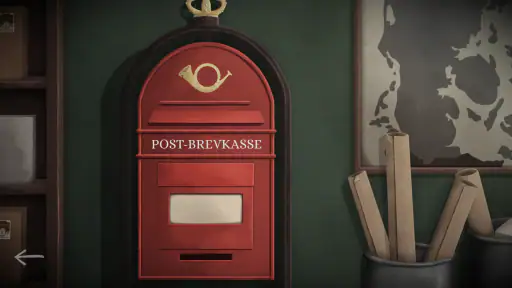
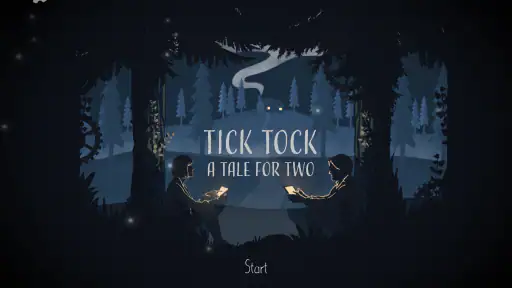
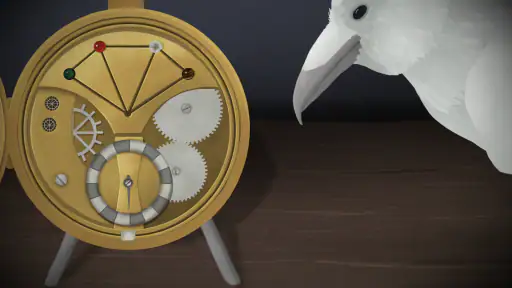
Analysis by Reviewed
I like puzzle games that make conversation part of the challenge, and Tick Tock: A Tale for Two is built around that idea rather than simply adding a co-op option to a solo adventure. One person’s clues are not the whole picture: you and a partner have to compare what you can see and work out what matters together. That makes it a distinctive choice for a relaxed evening with a friend, but also means it is not a game you can meaningfully play alone.
Small goals that get you talking
The early appeal is easy to understand: each of you explores your own view, notices details, then describes them clearly enough for the other player to make a connection. The first useful goal is not just “solve the puzzle”; it is learning how to share information. I’d recommend agreeing to describe symbols, wording, and their positions before guessing. That little habit helps prevent a common co-op snag: one player assumes a detail is obvious while the other has no way to see it.
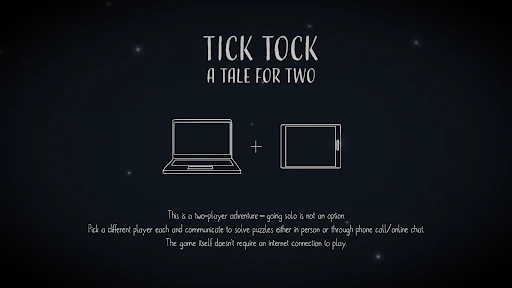
It works especially well when you can give the game your attention. Picture meeting a friend after work, each with a device, and settling in for a focused session rather than trying to fit it into a few distracted minutes. If you are apart, a voice call can bridge the gap; if you are together, sitting side by side makes it easy to talk while keeping each person’s screen their own. Either way, the second device and a willing partner are essential parts of the experience, not optional extras.
How progress feels
The clockwork setting gives the puzzles a shared identity, while the unfolding story provides a reason to keep comparing notes. The satisfying progress signal is often the moment a detail from one screen finally makes sense alongside something on the other. That payoff feels earned because neither person can simply inspect everything and rush ahead alone. The trade-off is that progress can stall if one player is quieter, less observant, or unsure how to explain what they see. Taking turns describing a screen can help keep both people involved instead of letting one partner do all the reasoning.
Unraveling the Mystery Together
The magic of Tick Tock: A Tale for Two lies in its cooperative gameplay. It's designed for two players, and each of you will need your own device. But here's the twist: you won't actually see the same screen! Instead, you'll have to communicate with each other, sharing clues and solving puzzles from different perspectives. It's like being detectives on opposite sides of a mystery, piecing together the puzzle with only your words as the bridge.
A Journey Through Time
The game transports you into a mysterious clockworld, where time itself seems to be the key to unlocking its secrets. The puzzles are intricately designed, requiring not just logic but also a good dose of creativity and teamwork. As you progress through the chapters, the story unfolds, revealing a tale that's both intriguing and a little bit eerie. It's the perfect mix of challenge and narrative, keeping you engaged from start to finish.
Challenge, pace, and the right partner
I wouldn’t choose this when I want a quick solo puzzle or a game that constantly points out what to do next. Its challenge depends on discussion, and a wrong assumption can send both players down a dead end for a while. When that happens, reset the conversation rather than repeating guesses: each person can list the clues they have, then explain which ones seem connected and why. This is a practical way to make progress without turning the puzzle into a one-person interrogation.
More From Our News Desk

Weather by Xiaomi Review: Clear at a Glance, Less Clear Up Close

X Under Pressure: Can It Recover When Posting Goes Wrong?

Clash of Clans Is Won Between the Battles

Android Auto Makes the Case for Quieter Car Software

MobiOffice: Transforming Mobile Productivity with Seamless Integration

EA SPORTS FC™ Mobile Soccer: Redefining Mobile Sports Gaming
Compared with the usual single-screen puzzle game, this is less convenient to pick up alone but more social by design. It also differs from many co-op games that ask players to act at the same time: here, careful listening and clear descriptions are as important as solving. That makes it a good fit for friends who enjoy talking through a problem, including long-distance pairs who can stay on a call. It is a weaker match for a group looking to take turns, a player without a partner, or anyone who finds verbal clue-sharing tiring.
Stylish and Atmospheric
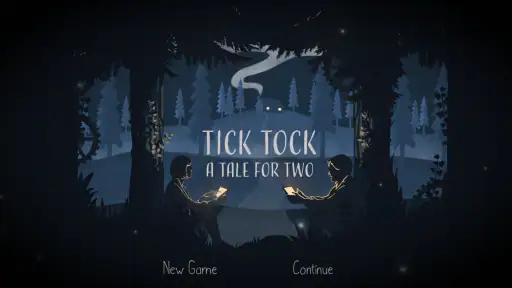
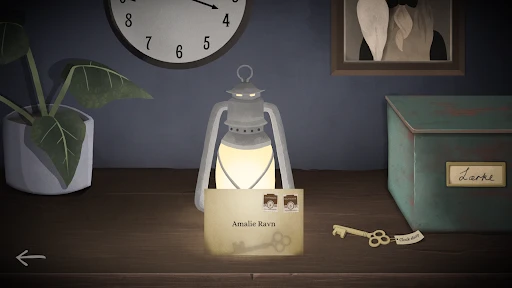
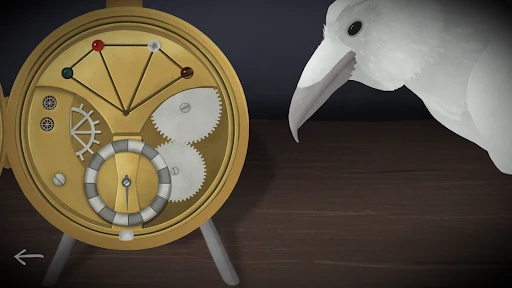
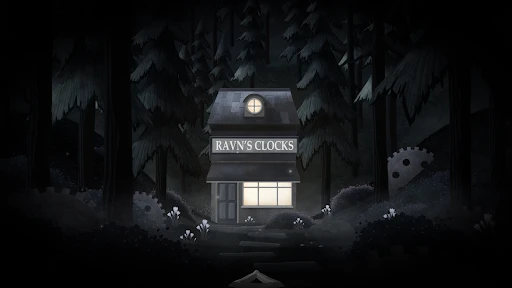
Visually, the game is stunning. Its minimalist, hand-drawn art style sets the tone perfectly, creating an atmosphere that's both charming and mysterious. The sound design is equally impressive, with a hauntingly beautiful soundtrack that enhances the overall experience. You might find yourself pausing just to soak in the ambiance. It's a game that's as much about the journey as it is about the destination.
Who will enjoy the challenge?
If you and your friend are fans of puzzles, Tick Tock: A Tale for Two is an absolute must-play. The game doesn't hold your hand; it respects your intelligence and trusts you to figure things out. This can be both exhilarating and, at times, a little frustrating. But isn't that the hallmark of a great puzzle game?
That hands-off approach is a real part of its difficulty curve. Players who like to test theories and explain their reasoning will likely enjoy the gradual work of connecting clues; players who prefer explicit hints may find a stuck moment more irritating than satisfying. Before you begin, it is worth choosing a partner who enjoys puzzling at roughly the same pace. If one person wants to rush and the other wants to inspect every detail, agree to slow down and share observations rather than letting impatience decide the next move.
Value, access, and staying power
Other Tales Interactive made this as a focused two-player puzzle game, not a broad collection of modes. At $2.99, it is a modest paid choice if you already have someone ready to play, but the requirement for two copies means you should coordinate before either person buys it. It is rated Everyone, and the game’s appeal is more about shared deduction and atmosphere than competition. The current version is 1.1.9, and it runs on Android 4.4 or later, which makes it accessible to a range of older Android devices.
The game has a 4.5 average from around eight hundred ratings, with over ten thousand installs. Those figures suggest a well-liked niche rather than a mass-market puzzle habit, which feels fitting: its strongest reason to return is having another person to solve it with. I would not buy it expecting endless replay or a daily progression routine. Its appeal is the shared journey and the conversation around each puzzle, so the value depends on whether that kind of one-off, partner-led session is what you want.
One useful way to avoid friction is to settle practical details before starting: make sure both players have a copy, decide how you will talk, and agree that neither person will look at the other screen unless you both want to. That keeps the core challenge fair and makes a voice call a workable option when you cannot meet. It is also worth saving your session for a time when you can concentrate; interruptions make it harder to keep track of clues that only one player has seen.
Whether you're playing with a long-distance friend over voice chat or sitting next to each other on the couch, the game provides a perfect blend of challenge and cooperation. It's a reminder that sometimes, two heads really are better than one.
My progression verdict
For me, the goals, story, and puzzle difficulty support a satisfying stretch of focused cooperation, but they are not designed to keep every kind of player hooked indefinitely. The strongest motivation is reaching the next insight together; the main pressure is simply that both people need to be available and willing to communicate. If you want a solo game with flexible drop-in play, I’d choose a different puzzle. If you want a compact shared mystery that gives two friends a reason to think out loud, this is an easy recommendation.
In conclusion, Tick Tock: A Tale for Two is more than just a game; it's an experience. It's about communication, collaboration, and the joy of solving problems together. So grab a friend, dive into this enchanting world, and see if you can beat the clock!
Tick Tock: A Tale for Two Frequently Asked Questions
What kind of game is Tick Tock: A Tale for Two?
Tick Tock: A Tale for Two is a puzzle game built around cooperation between two players. Its clockwork world and split-screen approach make communication central: each player has a different view, and they must share what they discover to work through the puzzles together. It is best suited to people who enjoy solving problems as a team rather than playing entirely on their own.
Is Tick Tock: A Tale for Two suitable for all ages?
The game has an Everyone content rating, so it is presented as suitable for a broad audience. Its focus is on cooperative puzzles and communication in a clockwork setting, making it an option for friends, couples, or family members who want to work through a game together. The experience does, however, depend on having a second player who can communicate with you.
What is the main concept of Tick Tock: A Tale for Two?
Tick Tock: A Tale for Two is a cooperative puzzle game designed for two players to experience together. The game emphasizes teamwork as players must communicate effectively to solve puzzles and uncover the story. Unlike traditional games, each player sees a different screen, and through collaboration, they piece together the narrative and progress.
Is Tick Tock: A Tale for Two available on both Android and iOS?
Yes, Tick Tock: A Tale for Two is available for download on both Android and iOS platforms. The game is designed to be accessible to a wide audience, allowing users of both operating systems to enjoy the unique cooperative experience it offers. It is also available on other platforms, such as PC via Steam.
Do both players need to purchase the game?
Yes, both players need to purchase their own copy of Tick Tock: A Tale for Two. Since the game is designed for two players to engage in simultaneously on separate devices, having individual copies ensures that each player can access their unique view and contribute to solving the puzzles effectively.
Pros
- Engaging cooperative gameplay
- Beautiful hand-drawn graphics
- Cross-platform support
- Challenging puzzles
- Strong narrative
Cons
- Requires two players to play
- Limited replayability
- No single-player mode
- Can be short in length
- Requires good communication
- Category
- Puzzle
- Version
- 1.1.9