Tap Gallery: Unpuzzle Images
- 569.00
- 4.0
- Installs
- 1.00M
- Price
- Free
Screenshots
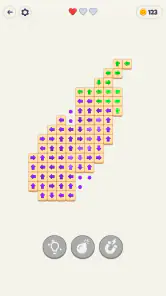
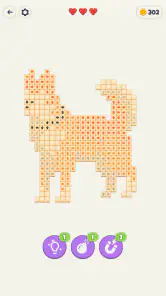
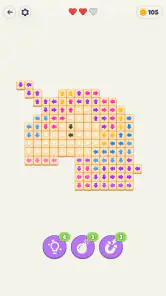
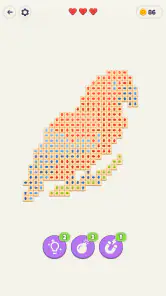
Analysis by Reviewed
I tend to judge a casual puzzle by what happens after its first few satisfying rounds: does it still fit naturally into a day, or does the novelty wear off and leave an app I rarely open? Tap Gallery: Unpuzzle Images makes a strong first impression with a simple visual task, but its lasting appeal depends on whether you enjoy repeating that kind of focused, image-based play. I find it best approached as a small, low-commitment puzzle break rather than a game that needs to occupy every spare moment.
Why the first few sessions feel inviting
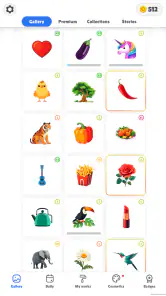
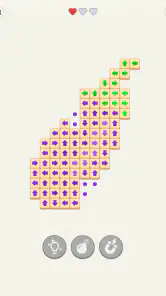
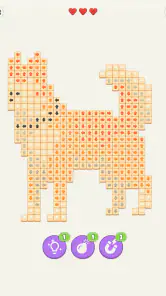
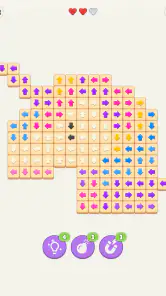
The basic appeal is easy to understand. You work through a picture by tapping away its puzzle pieces, gradually uncovering the complete image. That gives each round a clear endpoint and a visible reward, which is satisfying in a way that can be hard to get from puzzles built around abstract symbols or score-chasing. I can see myself opening it while waiting for an appointment or taking a short pause between tasks: there is an immediate activity to focus on, and finishing a picture gives the session a natural stopping point.
That visual payoff also makes the game approachable for people who do not usually think of themselves as puzzle fans. You do not need to learn a complicated rule set before getting started, and the picture itself gives the task a sense of direction. The title is a puzzle game from CASUAL AZUR GAMES, and it is free to install, with optional in-app purchases priced from $0.99 to $99.99 per item. It has an Everyone age rating, so its general presentation is aimed at a broad audience.
When I pick a casual puzzle for a brief break, I usually want one of two things: a problem that holds my attention without demanding a long setup, or a calming activity I can leave when I need to. This game’s tap-based image solving seems better suited to the second kind of break. It is not the same experience as sitting down with a large physical jigsaw, where sorting and handling pieces become part of the pastime. Here, the interaction is more direct, and the appeal is in watching the image emerge as you make progress.
Where its value comes from over time
The question I would ask after the initial novelty is whether solving one picture leads naturally to wanting another. For players who enjoy visual completion, that can be enough: the changing artwork gives the task a different look, while the familiar interaction keeps each round easy to return to. The game’s average rating is 4.0 from around 8,200 ratings, and it has more than a million installs. Those figures suggest that it has reached a substantial casual audience, though they cannot tell me whether its specific style will suit your taste.
Its appeal is narrower than that of a puzzle collection that constantly changes its rules. If you enjoy learning new mechanics, tackling logic grids, or competing against a clock, a game built around one central image-solving idea may feel repetitive sooner. If you prefer a consistent, low-friction activity, the repeated structure can be a benefit rather than a drawback. I would treat it as something to dip into when the mood fits, not a daily commitment that needs a streak or a routine to justify keeping it installed.
A useful way to test that fit is to notice what you enjoy about each completed image. If the pleasure comes from revealing the whole picture and seeing a tidy result, the core loop has a reasonable chance of holding your interest. If you mainly want each round to introduce a new kind of decision, you may run out of reasons to continue. That distinction matters more than whether the first puzzle feels easy or hard: familiarity is the game’s comfort, but it can also become its limit.
More From Our News Desk

Clash of Clans Is Won Between the Battles

Android Auto Makes the Case for Quieter Car Software

MobiOffice: Transforming Mobile Productivity with Seamless Integration

EA SPORTS FC™ Mobile Soccer: Redefining Mobile Sports Gaming

How Microsoft OneDrive Became a Mobile Productivity Giant

How Google Translate Breaks Language Barriers Effortlessly
Practical ways to fit it into a day
I would use it differently from a long-form game. A short session while commuting as a passenger, waiting for food, or taking a screen break can make sense because the goal is clear and the visual progress is easy to follow. I would avoid starting a round when I have only a few seconds and know I will be interrupted immediately; even a simple puzzle is less relaxing if I am rushing to finish it. Choosing a moment when I can give the image a little attention makes the task feel more deliberate.
One small habit that can help with this kind of puzzle is to pause briefly when a move stops feeling obvious instead of tapping at random. Looking at the remaining image and tracing how the visible fragments relate to one another gives the task a more thoughtful rhythm. It also helps distinguish a genuine sticking point from impatience. I would use any in-game hint as a nudge when I am genuinely stuck, rather than as a shortcut on every puzzle; solving the picture myself is where most of the satisfaction lies.
The game can also work as a shared, informal activity without needing to turn every round into a contest. Passing the phone to someone nearby and asking what part of the image they would uncover next can make a quiet wait less solitary. That is different from assuming a competitive feature or a particular way to share progress: the useful point is simply that a recognizable picture gives two people something concrete to discuss. For a family member who likes visual games, it could be an easy activity to try together, while someone who prefers fast reactions may find the pace too gentle.
How it compares with other puzzle choices
Against a traditional jigsaw app, the main trade-off is the kind of involvement. A conventional digital jigsaw often asks you to search among pieces and assemble them by shape or color; Tap Gallery’s central appeal is the direct act of tapping pieces away to reveal an image. That makes it feel more immediate, but it is not a substitute for the spatial sorting and hands-on planning that jigsaw fans may be looking for. If you want to spend a long time comparing tiny visual details, another style of puzzle may give you more to work with.
Compared with a logic puzzle, this game appears less focused on deduction and more on visual progress. I would choose a number or grid-based brainteaser when I want to test a chain of reasoning, and choose this one when I want a picture to gradually become clear. Compared with a word game, it also asks for no vocabulary or language-based solving, which makes its visual approach appealing when I do not want to read clues. These are different kinds of mental activity, so the best alternative depends on what I want from a break rather than which game is universally better.
For someone who already keeps several casual games on a phone, the question is whether this one fills a distinct gap. It makes the most sense if image-based completion sounds more appealing than matching tiles, solving word clues, or chasing a high score. If those other formats already provide the kind of quick reward you enjoy, there may be little reason to add another game with a repeated short-session loop. I would try it for its particular visual rhythm, not just because it belongs to the broad puzzle category.
Unlocking Creativity with Every Tap
The premise of Tap Gallery: Unpuzzle Images is delightfully simple yet incredibly engaging. You’re presented with a beautiful image that’s been fragmented into a complex array of pieces. Your job? To tap your way to glory by rearranging these pieces back into their original form. It’s like doing a jigsaw puzzle but on your phone, and trust me, it’s just as satisfying.
Each puzzle is a work of art. From serene landscapes to bustling cityscapes, the variety of images keeps things fresh and exciting. Plus, the app's user-friendly interface makes it easy for anyone to jump right in, regardless of age or tech-savviness. I found myself lost in the vibrant colors and the satisfying click of pieces falling perfectly into place.
The Challenge Awaits
Now, if you’re like me and thrive on challenges, you’re in for a treat. The puzzles start off relatively easy, letting you get a feel for the game mechanics. But don’t get too comfortable! As you progress, the difficulty ramps up, providing a delightful mix of challenge and relaxation. It’s this balance that makes the app so addictive. You’ll often find yourself saying, “Just one more puzzle,” only to realize an hour has flown by.
What also stands out is the attention to detail. Each piece is meticulously designed to fit seamlessly into the larger picture, and the satisfaction of watching an image come together bit by bit is unparalleled. The app also includes a handy hint system for those times when you’re stumped, ensuring you never get too frustrated.
A Social Puzzle Experience
One of my favorite features is the social aspect. You can connect with friends and family, share your completed masterpieces, and even challenge them to beat your completion times. It turns a solitary activity into a shared experience, perfect for a bit of friendly competition.
The developers have also done a fantastic job of keeping the app updated with new content. Regular updates mean there’s always a fresh batch of puzzles to sink your teeth into, ensuring the app never becomes stale.
Maintenance, fatigue, and who should skip it
For an app like this, the maintenance burden is mostly about deciding whether it still earns a place on your home screen. The game is free, but optional purchases range from $0.99 to $99.99 per item, so I would look carefully at any purchase prompt and decide whether it supports the way I actually play. I would not spend simply because I had completed a few enjoyable rounds; first I would see whether I still reach for the game after the initial appeal of revealing pictures has passed.
Its current version is 0.13.1, and it was released on May 30, 2024. The minimum operating-system requirement is 7.0. Those details can help with basic compatibility decisions, but my more practical test would be whether the game feels comfortable on the device I use and whether its short puzzle sessions fit my routine. I would keep it installed if it became a reliable, pleasant option for waiting or winding down; if I went weeks without wanting this particular style of puzzle, removing it would be an easy choice.
The main source of fatigue is likely to be repetition, not a steep learning curve. A consistent tap-and-reveal structure can be soothing, but it may start to feel predictable if I expect every new picture to change how I play. I would also skip it if I want deep strategy, a strong competitive ladder, or a puzzle that can occupy a focused evening. People sensitive to optional spending should be comfortable ignoring in-app offers, while anyone who wants a wholly purchase-free experience may prefer to check the prompts carefully before settling in.
It is also worth separating a relaxing activity from a promise of stress relief. The store summary frames the game as a way to tap away anxiety, but I would not treat a mobile puzzle as a substitute for support or a guaranteed way to change how I feel. In my experience, a simple visual task can be a pleasant distraction when I want one; if tapping through pieces becomes irritating or starts to feel like another demand, taking a break is the better choice.
Does it earn lasting space?
My long-term recommendation is selective. I would suggest trying it if you like visual puzzles, want a casual game that does not begin with a complicated rulebook, and enjoy seeing a picture resolve through your actions. It is especially suited to people who want a low-pressure activity in brief pockets of free time. Families or friends who like talking through a shared visual task may also find an easy way to make a wait feel less dull.
I would point dedicated jigsaw fans toward a more traditional assembly experience if piece sorting and spatial arrangement are what they value most. I would recommend a logic or word puzzle instead to anyone who wants each session to involve a different kind of reasoning. And if I found myself opening the game only out of habit rather than because I enjoyed the pictures and the process, I would let it go rather than confuse a familiar icon with lasting value.
CASUAL AZUR GAMES has built a puzzle with an accessible central idea, and its 4.0 average rating reflects a game that many people have chosen to try. With more than 569 written reviews, it has attracted plenty of discussion as well as a broad install base. Those numbers are useful context, not a promise that every player will enjoy the same pace or repetition. The right question is whether the reveal-and-complete loop gives you a small, satisfying break often enough to justify the space it takes.
Final Thoughts
In a world where we’re constantly bombarded with stress, Tap Gallery: Unpuzzle Images offers a welcome escape. It’s a delightful blend of art, strategy, and relaxation that’s perfect for unwinding after a long day. Whether you’re a casual gamer or a puzzle aficionado, this app is sure to become one of your favorites. So go ahead, give it a try, and let the unpuzzling begin!
Tap Gallery: Unpuzzle Images Frequently Asked Questions
Is Tap Gallery: Unpuzzle Images free to download?
Yes. Tap Gallery: Unpuzzle Images is free to download, so you can try its image-based puzzles without paying upfront. The game also offers optional in-app purchases, which may be worth keeping in mind if you prefer to avoid extra spending. You can check your device’s purchase settings before playing, particularly if children will use the game.
Who developed Tap Gallery: Unpuzzle Images, and what kind of game is it?
Tap Gallery: Unpuzzle Images is a puzzle game developed by CASUAL AZUR GAMES. Its central idea is to tap away blocks and reveal images, giving each level a visual goal as well as a logic challenge. The game’s store summary describes it as a way to unpuzzle blocks and enjoy a satisfying experience, making it suited to players who like casual puzzles.
What is Tap Gallery: Unpuzzle Images?
Tap Gallery: Unpuzzle Images is an engaging puzzle game designed for both Android and iOS platforms. It challenges players to rearrange scrambled images by tapping on sections to solve the puzzle. The game aims to provide an enjoyable experience with various levels of difficulty, making it suitable for all ages.
How do I play Tap Gallery: Unpuzzle Images?
To play Tap Gallery: Unpuzzle Images, you need to tap on sections of a scrambled image to rearrange them into their correct positions. The game features multiple levels with increasing difficulty, and players must complete each level by solving the puzzles accurately to progress further.
Are there in-app purchases in Tap Gallery: Unpuzzle Images?
Yes, Tap Gallery: Unpuzzle Images offers in-app purchases. These purchases can include additional levels, hints, or other gameplay enhancements. While the game is free to download, these optional purchases can enhance the gaming experience by providing more content or assisting in challenging puzzles.
Pros
- Engaging and addictive gameplay.
- Wide variety of puzzle categories.
- Smooth and intuitive interface.
- Regular updates with new content.
- Offline play available.
Cons
- Ads can be intrusive.
- Some puzzles are too easy.
- Limited free hints available.
- Occasional glitches in the app.
- In-app purchases can be pricey.

- Category
- Puzzle
- Version
- 0.13.1