Solitaire Rewards
- 340.00
- 4.8
- Installs
- 100.00K
- Price
- Free

Screenshots






Analysis by Reviewed
I approached Solitaire Rewards as the sort of card game I would keep available for short breaks rather than as a deep gaming commitment. That distinction matters. Its basic appeal is immediate: open it, play a familiar solitaire format, and enjoy a quiet round without paying to download it. In my experience, that simplicity is the strongest reason to try it, while the reward-focused presentation is also the main detail I would examine carefully before making it a daily habit.
Developed by Apperfun, this free Android card game has built a 4.8 average from around 2.2 thousand ratings, with over 100 thousand installs. Those figures suggest that it has found an audience among people who want a straightforward solitaire experience, but they do not replace personal testing. A high score can tell me that the central loop works for many players; it cannot tell me whether the pacing, visual style, and reward emphasis suit my own routine.
What makes the card game appealing in everyday use
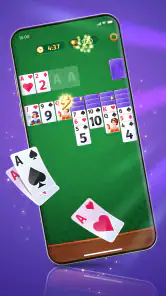
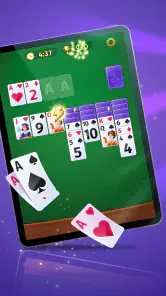
The best thing about this game is how little preparation it demands. Solitaire already has a familiar rhythm: sort the cards, look for the next useful move, and decide whether to expose a hidden card or preserve a sequence for later. That makes it a natural choice when I have only a few minutes, such as while waiting for an appointment or taking a break between tasks. I do not need to learn a complicated ruleset before getting started.
That accessibility also makes the Everyone content rating understandable. I would consider it suitable for casual players who want a calm card game, including someone who has not played many mobile games before. The controls and objective should feel more approachable than those of a strategy title with several menus, resources, or character systems. For a family tablet or a spare phone, a familiar solitaire game is easier to hand to another person than a more demanding competitive app.
The store summary is simply “Play Solitaire,” while the short description presents it as “Solitaire Rewards.” Together, those phrases establish a useful expectation: the card play is the foundation, and rewards are part of the reason the game wants me to keep returning. I would not treat the reward wording as a promise of meaningful real-world value. I read it as an indication that the game adds some form of progression or incentive around its solitaire sessions, and I would judge that layer by whether it enhances the play instead of distracting from it.
For me, a reward system works best when it stays in the background. Completing a round should feel satisfying because I solved the layout, not only because a counter moved or a new claim appeared. If the reward structure encourages regular play without making every decision feel like a task, it can give otherwise familiar solitaire a little more purpose. If it dominates the screen or pushes me to continue after I have lost interest, the same feature becomes friction.
Why the familiar format still works
Solitaire is a strong fit for mobile because it supports different attention levels. I can think through a layout carefully when I want a mental pause, or make quicker moves when I am simply filling a few idle minutes. That flexibility is more valuable than it sounds. Many games demand uninterrupted concentration, but a card layout can usually be left alone while I handle something else, then revisited when I am ready.
More From Our News Desk

Clash of Clans Is Won Between the Battles

Android Auto Makes the Case for Quieter Car Software

MobiOffice: Transforming Mobile Productivity with Seamless Integration

EA SPORTS FC™ Mobile Soccer: Redefining Mobile Sports Gaming

How Microsoft OneDrive Became a Mobile Productivity Giant

How Google Translate Breaks Language Barriers Effortlessly
I also like that the game does not need a social commitment to be enjoyable. There is no need to find an opponent at the right moment or coordinate a session with friends. Compared with online card battles, Solitaire Rewards should appeal more to someone who wants control over the pace and does not want performance pressure. The trade-off is that players looking for conversation, competition, or constantly changing opponents may find the experience too solitary.
Another practical strength is the low barrier to entry. Because the title is free, I can try it without first deciding whether it deserves a purchase. That is especially useful for a player who has not settled on a preferred solitaire app. The sensible approach is to play several rounds, notice how the reward layer affects the experience, and then decide whether it deserves space on the phone.
Small decisions that improve the experience
One useful habit is to treat each round as a short session rather than chasing a long streak. When I am tired, I am more likely to make careless moves simply because the reward loop encourages “one more game.” Setting a personal stopping point keeps the game relaxing. This is a small but important distinction between using the app as a break and letting it turn into background time consumption.
I would also avoid making moves as quickly as possible. In solitaire, an immediately available move is not always the most valuable one. Before placing a card, I look for the move that reveals a hidden card or opens a column, then consider whether moving a sequence will block a more useful option. That approach makes the familiar format feel more thoughtful and helps me judge the game on its actual card play rather than on its reward presentation.
A third tip is to use the reward layer as a reason to return, not as the sole measure of success. If I focus only on accumulating whatever the game offers, a losing round can feel more frustrating than it should. If I instead treat each layout as a small puzzle, the rewards become an extra benefit. This mindset is particularly helpful for new players who might otherwise assume that every session must produce visible progress.
The meaningful limitation: rewards can change the tone
The central weakness is built into the concept. A traditional solitaire game is easy to understand as a quiet puzzle, whereas a reward-branded version asks me to think about both the cards and the incentive surrounding them. That can make the experience feel less pure. Players who prefer a clean board, minimal distractions, and no sense of being nudged toward repeated sessions may prefer a basic solitaire alternative.
This does not make the reward approach automatically bad. It depends on presentation and personal tolerance. Some players enjoy having a reason to come back, especially when the underlying game is familiar. Others may find that the reward cycle turns a restful activity into a checklist. I would recommend paying attention to my own reaction after several sessions: am I returning because I enjoy solving layouts, or because I feel compelled to finish another step?
The game is also unlikely to satisfy someone who wants a broad card-game collection. Its identity is focused on solitaire, so a player searching for poker, rummy, free-form multiplayer matches, or several distinct rule sets should look elsewhere. A dedicated solitaire title can be a strength for people who know exactly what they want, but it is a limitation for anyone expecting variety.
There is a similar trade-off with depth. Familiar solitaire is accessible precisely because its rules are recognizable. That means it may not offer the layered strategy of a larger puzzle game or a collectible card game. I would choose it for repeatable, low-pressure play, not for a campaign, elaborate deck construction, or a demanding competitive ladder.
How it compares with usual alternatives
Against a plain solitaire app, this game’s clearest difference is the reward-oriented framing. A minimalist alternative may be better when I want the cards and nothing else. Solitaire Rewards is more appealing when I like a little progression around a familiar activity and do not mind the game asking me to return regularly.
Against competitive card games, its advantage is calm control. I can play without waiting for another person, worrying about rankings, or learning a large collection of cards. Its disadvantage is that the experience may feel repetitive sooner, because the main attraction remains the solitaire layout rather than changing opponents or evolving tactics.
Against larger puzzle games, it offers a gentler mental workload. I can engage with it while tired, and the rules do not require a long tutorial. The compromise is that players who need constant novelty may run out of reasons to continue. In my view, the choice comes down to whether I value a dependable routine more than a stream of new mechanics.
Who should install it, and who should skip it
I would recommend it to someone who already enjoys solitaire and wants a free mobile version with an added reason to return. It also suits people who need a quiet filler game for short breaks, older or newer players who prefer familiar card rules, and anyone who dislikes the pressure of live multiplayer. The Everyone rating reinforces its broad accessibility, although every player should still decide whether the reward-driven pacing feels comfortable.
I would be more cautious about recommending it to a player who wants a completely distraction-free solitaire board. If the reward wording itself sounds unappealing, a stripped-back alternative may be a better match. I would also point competitive card-game fans elsewhere, since the appeal here is personal pacing rather than head-to-head tension.
A realistic use case is a short evening reset. I might play one round after finishing chores, using the familiar card pattern to shift attention away from work. The sensible boundary would be to stop after the planned break instead of allowing the reward loop to decide when the session ends. Used that way, the game can be pleasant without needing to become a major hobby.
Installation details and practical expectations
Solitaire Rewards is free to download and is listed for Android devices running version 7.0 or later. Its current version is 15.54.30, and the game was released on March 27, 2025. Those details make it relevant to people using older compatible Android phones as well as more recent devices, though I would still check the operating-system requirement before attempting installation on an aging handset.
The install figure of over 100 thousand also gives the game a useful sense of adoption without suggesting that it is a universal hit. Combined with its strong average rating and several hundred written reviews, it has enough player feedback to make trying it reasonable, especially because there is no purchase price at the starting point. I would still base a long-term decision on the actual balance between card enjoyment and reward-related repetition.
For a first session, I would play without trying to optimize anything. I would learn the pace of a round, see how clearly the cards communicate available moves, and notice whether the reward elements interrupt the flow. After that, I would try a few sessions at different times of day. A game that feels relaxing during a lunch break may feel unnecessarily sticky late at night, when I want to put the phone down quickly.
My final judgment
Solitaire Rewards succeeds when I treat it as an approachable solitaire game with an extra progression hook, not as a revolutionary card experience. Its strongest evidence is the combination of a familiar format, free access, broad age suitability, and a high player rating. Those qualities make it easy to recommend as a low-commitment trial for casual card-game fans.
My reservation is equally clear: the reward focus may not suit players who want the quietest and most direct version of solitaire. It can add motivation, but it can also make a simple break feel like another routine to maintain. That is the trade-off I would explain to a friend before suggesting it.
Overall, I would install it if I wanted uncomplicated solo card play and enjoyed having a small incentive to return. I would skip it in favor of a minimalist alternative if I wanted no reward framing at all, or choose a competitive card game if I needed social tension and variety. For the right player, Solitaire Rewards is a convenient, accessible way to turn a familiar card puzzle into a repeatable mobile break, provided the cards remain more important than the rewards.
Solitaire Rewards Frequently Asked Questions
Will Solitaire Rewards work on my phone or tablet?
Solitaire Rewards is a card game for Android and iOS devices, and its minimum operating system requirement is Android 7.0 or later. Before downloading, check your device’s software version and make sure you are using the appropriate app store for your phone or tablet. Keeping your operating system and app updated can also help avoid compatibility problems.
Who makes Solitaire Rewards, and is it a well-established game?
Solitaire Rewards is developed by Apperfun. It is a free card game with more than 100,000 installs, an average rating of 4.8 from around 2,200 ratings, and roughly 340 written reviews. Those figures can help you gauge its presence, but individual experiences may differ, so it is worth reading recent player feedback before deciding whether it suits you.
What is Solitaire Rewards, and how does the game work?
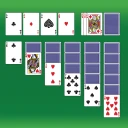
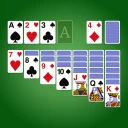
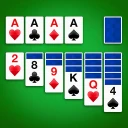
Solitaire Rewards is a mobile card game based on the classic Klondike Solitaire format. You complete card layouts, earn points or in-game rewards, and may be able to participate in challenges, tournaments, or other promotional activities. The exact reward system can vary by version, location, and current offers, so it is important to read the in-app rules before playing.
Can I really earn cash or gift cards by playing Solitaire Rewards?
Solitaire Rewards may advertise opportunities to collect rewards through gameplay, but earnings are not guaranteed. Most reward systems require substantial time, successful completion of specific tasks, and reaching a minimum withdrawal threshold. Availability, reward types, and redemption conditions may depend on your country. Always check the official terms and avoid treating the app as a reliable source of income.
Is Solitaire Rewards free to download and play?
The app is generally available as a free download, allowing users to begin playing without an upfront purchase. However, it may include advertisements, optional in-app purchases, or paid features that can speed up progress or provide additional benefits. Before confirming any transaction, review the price, subscription details, and payment settings connected to your Android or iOS account.
Pros
- Simple solitaire rules make it easy for beginners to start playing.
- Short rounds are convenient for quick breaks or casual sessions.
- Daily challenges can add variety beyond standard solitaire games.
- Progress rewards may encourage regular play over time.
- The familiar card format is relaxing and easy to navigate.
Cons
- Rewards may vary by region
- device
- or account eligibility.
- Earning rewards can require substantial time and repeated gameplay.
- Frequent ads may interrupt rounds or slow down progression.
- Some features may depend on an active internet connection.
- Privacy and payout terms should be reviewed before sharing personal details.
- Category
- Card
- Version
- 15.54.30