Solitaire Fairytale
- 1.27K
- 4.4
- Installs
- 500.00K
- Price
- Free

Screenshots


Analysis by Reviewed
I usually turn to solitaire when I want something calm enough for a short break but still structured enough to keep my attention. Solitaire Fairytale takes that familiar card-game idea and wraps it in a more visual, level-based experience. After spending time with it, I see the appeal: it is easy to start, pleasant to look at, and broad enough to support both quick sessions and longer stretches of play.
That does not automatically make it the best solitaire choice for everyone. The right decision depends on what you want from a card game. If you prefer a traditional table, minimal decoration, and a completely straightforward ruleset, a simpler solitaire app may suit you better. If you enjoy progression, changing artwork, and the feeling of moving through a large collection of stages, Solitaire Fairytale has a stronger case.
What to consider before choosing this solitaire game
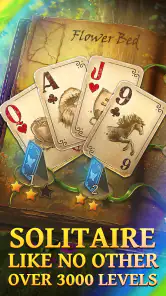
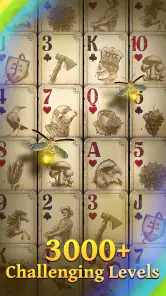
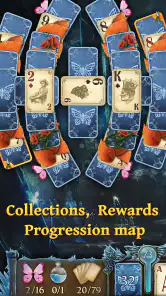
The first question I would ask is whether you want solitaire as a quiet utility or as a small game world. A utility-style version is something you open, play a hand, and close without thinking about anything beyond the cards. This game adds a sense of destination. Its store summary points to more than 3,300 levels and a strong art focus, so the experience is built around continuing from one challenge to the next rather than treating every deal as an isolated round.
That distinction matters during everyday use. When I have only a few minutes, a level-based structure gives me an obvious stopping point. I do not need to decide whether I have played enough; finishing a stage creates a natural break. On a longer journey or a quiet evening, the same structure encourages another round because progress feels visible.
The game is free to download and is rated for Everyone, which makes it approachable for households that want a simple card game without an intimidating presentation. It supports Android devices running version 6.0 or later. The current version is 2026.20, so anyone using an older phone should check compatibility before planning around it.
There is also a practical cost question. Optional in-app purchases range from $0.99 to $49.99 per item. I would not treat the free entry point as the whole financial picture. A player who is comfortable enjoying the basic experience without buying anything may find the arrangement reasonable, while someone who dislikes purchase prompts or feels pressure to speed up progress should approach more cautiously.
A good fit for short, repeatable sessions
One of the most useful qualities here is the way solitaire naturally breaks into small sessions. Imagine waiting for an appointment with your phone at half battery. A game that demands a long commitment is inconvenient, but a card level can fit neatly into that gap. The fairytale presentation gives the session a little more personality than a plain deck, while the familiar card foundation means I do not have to learn a complicated rule system first.
This also works well for people who like gentle repetition. Some games depend on constant novelty, rapid reactions, or a large amount of reading. Solitaire Fairytale is better suited to a player who enjoys recognizing patterns, planning a few moves ahead, and gradually working through content. I would recommend it to someone who wants a relaxing routine rather than a competitive test of speed.
The age rating adds to that accessibility, but I would still judge the game by personal tolerance for its presentation and purchase model. “Everyone” tells me the content is broadly suitable; it does not mean every player will enjoy the same visual or progression choices. Adults seeking an austere, distraction-free card table may find the fairytale framing more elaborate than necessary.
Where the large level collection helps
A sizeable level collection changes how I value the game. In a basic solitaire app, the main question is whether the card layout is enjoyable today. Here, I can think in terms of a longer arc: do I want a game I can revisit repeatedly without quickly exhausting its central offering? The answer is more likely to be yes for players who enjoy completion and gradual advancement.
The important trade-off is that quantity does not guarantee variety in the way each individual round feels. A large number of stages is useful when the underlying play remains satisfying, but it can also make the experience feel routine if you are looking for dramatic changes from one session to the next. I would choose this game for sustained casual engagement, not because every level must feel radically different.
My practical tip is to use the level structure as a stopping tool instead of chasing an uninterrupted streak. Complete a stage, take a break, and return later. That approach keeps the game in the “pleasant pastime” category and reduces the chance that a relaxing activity turns into a repetitive obligation.
How it compares with other ways to play solitaire
Compared with a plain classic solitaire app
A traditional solitaire app usually wins on immediacy. You open it, select or receive a deal, and focus almost entirely on the cards. That is the better route if you want a clean interface, familiar rules, and as little surrounding structure as possible. It may also feel more suitable when you want solitaire to disappear into the background while you listen to music or wait for something.
Solitaire Fairytale wins when presentation and progression are part of the reason you play. Its artwork and extensive stage-based format give the activity more of a game identity. I find that useful when a bare card table feels too anonymous, especially during repeated daily sessions.
The choice is therefore not simply between “better” and “worse.” It is between a focused card tool and a more decorated journey. If you regularly become impatient with menus, themed visuals, or any sense of unlocking progress, the classic alternative is probably the more comfortable home.
Compared with competitive card games
Competitive card games offer a different kind of motivation. They may appeal to players who want opponents, rankings, fast decisions, or a sense that every move has social consequences. Solitaire Fairytale is more private and forgiving in spirit. I would pick it when I want to control the pace and avoid the pressure of matching another person’s performance.
That calmness is also its limitation. Someone who needs direct competition may find the experience too solitary, even with a large amount of content. No amount of artwork can replace the tension of a live opponent for a player who primarily plays cards for rivalry.
Compared with puzzle games
Puzzle games often ask for more explicit problem-solving, unusual mechanics, or increasingly complex systems. This game is a better fit when you want the familiar logic of arranging cards rather than learning a new puzzle language. It offers a softer mental workout: enough attention to keep the mind occupied, but not necessarily the escalating complexity that a dedicated puzzle fan expects.
For me, that makes it useful at the end of a busy day. I can play without committing to a demanding challenge. On the other hand, if your ideal mobile game constantly surprises you with new rules, solitaire’s repeated foundation may feel too narrow.
What the visual approach adds—and what it costs
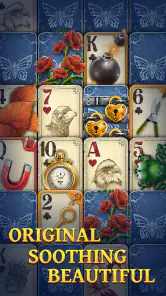
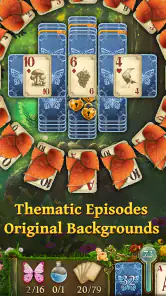
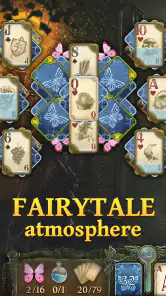
The fairytale identity gives the game a clearer personality than a generic deck. That can make returning to it feel more inviting, particularly for players who respond to atmosphere as much as mechanics. It also helps distinguish the experience from the many nearly interchangeable solitaire tables available on mobile.
The cost is that visual theming is not universally valuable. Some people want cards that are instantly readable and nothing else. If you play in bright sunlight, on a small screen, or while distracted, decorative elements may matter less than clarity and speed. I would make the decision based on whether the artwork encourages you to return, not simply whether it looks attractive in a store preview.
What to expect from the free model
The free price makes trying the game easy, which is important because taste plays a major role here. You can discover whether the presentation and level rhythm work for you before spending money. That is a meaningful advantage over committing to a paid game sight unseen.
At the same time, optional purchases can affect how comfortable the experience feels. The listed purchase range stretches from a small amount to a much larger single item, so I would set a personal boundary before playing. If you are sharing a device with a child, I would also make sure the device’s purchase controls match your household’s expectations. The age rating makes the content broadly approachable, but it does not remove the need for sensible spending habits.
My advice is simple: treat purchases as optional extras, not as part of the basic definition of success. Play several sessions without buying anything and see whether the core loop already gives you enough enjoyment. If it does, you have a clear answer. If the game only becomes comfortable after spending, a more minimal solitaire alternative may be the better long-term choice.
How difficult is the switch from another solitaire app?
The switching cost should be low for anyone already familiar with solitaire. You are not moving from one completely different genre to another; you are moving from one presentation and progression style to another. The adjustment is mainly psychological: instead of opening a blank card table, you are entering a longer sequence of levels with a fairytale identity.
I would not uninstall a favorite classic app immediately. Keep both for a few days and give each a specific role. Use the traditional version when you want the fastest possible hand, and use this one when you want a more substantial session with a sense of forward movement. That comparison is more revealing than judging the game after only one round.
Players arriving from another themed solitaire game may notice less change in the card fundamentals, but the artwork and level presentation can still make the switch worthwhile if the existing app feels stale. Conversely, if your current game already has the exact balance of simplicity and progress you like, changing may offer little beyond a new visual setting.
Who should choose it—and who should skip it
I would recommend Solitaire Fairytale to casual card players who want more than a bare-bones deal generator. It is especially suitable for someone who likes visible progress, enjoys attractive presentation, and wants a game that can fill both a short wait and a longer relaxed session. The broad age rating and free entry point also make it easy to test without a major commitment.
I would be more hesitant to recommend it to players who want no purchase-related friction, dislike themed interfaces, or expect every stage to feel like a new type of puzzle. A serious competitive player should also look elsewhere, because private progression cannot provide the same experience as playing against real opponents or chasing rankings.
Another group that may prefer an alternative is anyone using an older Android phone below the required operating-system level. In that situation, compatibility is not a minor detail; it determines whether this particular option is practical at all. Players on a supported device should still consider screen readability and whether the visual style feels comfortable during extended play.
My recommendation after weighing the trade-offs
Solitaire Fairytale earns its place by making familiar card play feel more like a continuing casual game. The combination of a large level collection, fairytale artwork, and an approachable free starting point gives it a stronger identity than a purely functional solitaire app. Its average rating is 4.4 from around 7,800 ratings, and it has passed 500,000 installs, which fits the impression of a well-established choice rather than an obscure experiment.
The developer, MAD Studios, s.r.o., has positioned it for broad, low-pressure entertainment rather than a specialist card audience. I think that is the right way to approach it. Do not download it expecting a radically new form of solitaire. Download it if you want the familiar activity to have a little more atmosphere and a much clearer sense of continuation.
My final advice is to try it during the kind of moment when you would normally play solitaire: a commute, a waiting room, a quiet coffee break, or a wind-down at home. Pay attention to three things: whether the level structure makes you want to return, whether the artwork improves the experience instead of distracting you, and whether the free version feels satisfying without purchases. If those answers are positive, this is an easy recommendation.
If your priority is absolute simplicity, a classic solitaire app remains the smarter choice. If your priority is competition, choose a multiplayer card game instead. For everyone between those extremes, I think this is a friendly and visually distinctive way to turn spare minutes into a steady card-playing habit. My recommendation: try it for free, keep your spending limit clear, and choose it for the journey—not merely for the deck.
Pros
- Relaxing solitaire gameplay with a charming fairytale theme.
- Simple controls make it easy for new players to get started.
- Short rounds are convenient for quick breaks or casual play.
- Progression and rewards add motivation beyond basic card games.
- Colorful visuals and gentle presentation create a pleasant atmosphere.
Cons
- Some levels may depend heavily on luck rather than strategic decisions.
- Frequent ads can interrupt play
- especially between rounds.
- Extra moves or helpful boosters may require in-app purchases.
- The gameplay can feel repetitive after extended sessions.
- An internet connection may be needed for certain features or rewards.

- Category
- Card
- Version
- 2026.20