Slap Beat
- 23.00
- 4.1
- Installs
- 1.00M
- Price
- Free

Screenshots
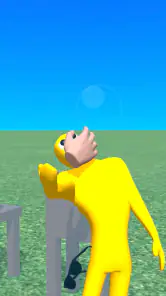


Analysis by Reviewed
I’d approach Slap Beat as a compact arcade game for spare moments, not as a music app despite the name. Its central idea is slapping and patting enemies, which gives it a deliberately simple hook: you can understand the premise quickly and decide whether the action is your kind of silly. That focus is its clearest strength, but it also sets expectations. If I wanted a game with a detailed campaign or a serious rhythm challenge, I’d look elsewhere.
A quick way to judge the core idea
When I try a small arcade game, I care less about how elaborate its pitch sounds and more about whether the main interaction remains enjoyable after the first few turns. With this one, I’d suggest giving the central slap-and-pat action a short test rather than expecting an extended experience right away. If its physical comedy makes you smile, it may be a handy phone game for brief breaks. If the basic gag feels repetitive almost immediately, extra time is unlikely to change that first impression.
That makes it a natural fit for an everyday pause: say, waiting for a coffee order or sitting through a few minutes before an appointment. I could open it, play briefly, and put my phone away without needing to remember a plot or resume a long run. That’s a different kind of convenience from a game built around missions or lengthy levels. The trade-off is that players who want a sense of long-term progress may prefer an arcade title with more visible goals to work toward.
What the game is actually about
There is an important difference between that music-app impression and the game itself: Slap Beat is an arcade game from FourM Inc., built around slapping and patting enemies. That simple premise makes it easier to pick up than a rhythm game with long song charts or complicated controls. I’d treat it as a short, playful distraction rather than a music library or a tool for making mixes. If you’re deciding what to download, that distinction matters: the appeal here is quick arcade action, not managing tracks or sharing original compositions.
That focused idea suits little breaks when I want something immediate and don’t want to learn a deep set of rules first. For example, if I have a few minutes to spare while waiting for a friend, an arcade game can be a better fit than starting a longer campaign or opening a streaming app and choosing music. The trade-off is just as clear: anyone looking for a broad range of game modes, a story, or a demanding skill challenge should compare it with fuller arcade titles before settling in.
How it plays and where it fits
Rather than treating the name as a promise of music features, I’d use the simple arcade premise as the test. Slap-and-pat action sounds more playful than a conventional score-chasing game, and that may be appealing if you want something light rather than tense. The practical question is whether the interaction itself keeps you engaged. I’d try it in a short session first, then decide whether it earns a place among the games I reach for when I have a spare moment.
Where it fits among arcade games
Compared with the usual arcade alternatives, which often depend on precise timing, repeated tapping, or steadily increasing difficulty, a slap-and-pat premise has a more immediately playful feel. That can make it approachable for someone who finds score-chasing games tiring. I’d also be more comfortable handing it to a casual player than recommending a complex action game. Still, if your favorite arcade games are all about mastering tight controls and beating a personal best, this may feel too light; the concept sounds more suited to quick amusement than a deep test of reflexes.
More From Our News Desk

Clash of Clans Is Won Between the Battles

Android Auto Makes the Case for Quieter Car Software

MobiOffice: Transforming Mobile Productivity with Seamless Integration

EA SPORTS FC™ Mobile Soccer: Redefining Mobile Sports Gaming

How Microsoft OneDrive Became a Mobile Productivity Giant

How Google Translate Breaks Language Barriers Effortlessly
A useful way to try it is to play in short sessions and notice whether the core interaction stays entertaining after the novelty wears off. Arcade games often work best as small bursts, and there’s no need to turn every mobile game into a daily routine. If you’re sharing a phone with someone else, it’s also sensible to let each person try a brief turn before deciding whether the simple premise works for both of you. That’s a practical test of its casual appeal without assuming it offers multiplayer or shared-play features.
What its current release tells me
The game was released on January 29, 2025, and its current version is 1.02. Those details give a useful snapshot of its early release state, but they don’t tell me what changed between versions, so I wouldn’t claim a particular feature was added or improved. For someone who already plays, the sensible approach is to check the installed version and update when a newer one is available, rather than expecting a specific change. For a new player, version 1.02 is the current point of entry, not a promise about what future updates will bring.
Its average rating is 4.1 from over 650 ratings, and it has more than a million installs. I read that as evidence that plenty of people have tried it, not as proof that its particular style will suit everyone. The game is free and rated for Everyone, which makes it an easy option to consider for a casual session. It requires Android 7.1 or later, so checking your device’s system version first can save time if you’re installing on an older phone.
What to expect from the version you install
For someone who has already played, an update is worth considering as a way to stay on the current release, but I wouldn’t install it expecting a specific new move, level, or fix. The version number establishes where the game stands now; it does not, by itself, explain how the experience has evolved. That distinction matters most if you are returning after a break. I’d check the release information shown on the platform before updating if you need to know whether a change affects something you care about.
For a first-time player, the practical choice is simpler: the current build is the available starting point, and the game’s basic premise is enough to decide whether it sounds appealing. I would not delay trying it while waiting for a promised direction or imagined feature. If you enjoy the core interaction, you can keep an eye on future releases; if it doesn’t click, a possible later change is not a reason to assume it will become a different kind of game.
Customization and sharing claims, in perspective
One of my favorite features? The customization. You can tweak the beats to match your mood or even create your own mixes. It’s like having a mini studio on your phone. Plus, the app’s smart algorithm learns your preferences over time, suggesting tracks that are just your style. It’s like it reads your mind!
Another cool aspect is the community feature. You can connect with other users, share your mixes, and even collaborate on tracks. It’s a social experience that adds a whole new layer of fun. Plus, you get to discover new music through what others are creating. It’s a win-win!
Oh, and did I mention the sharing options? You can easily share your favorite tracks or mixes on social media platforms. So, not only do you get to enjoy the beats, but you can also spread the love and get your friends grooving too.
Those music-making and community details don’t match the game’s confirmed arcade premise, so I wouldn’t use them as a reason to install it. The practical question is whether the slap-and-pat action itself feels enjoyable to you. Likewise, I would not choose it as a music player or assume it provides playlists, collaboration, or social sharing. Keeping expectations centered on the arcade concept makes it easier to judge the game fairly.
Who should give it a try
It makes the most sense for players who want something casual, free, and easy to sample, especially if they like silly, direct arcade concepts more than long progression systems. It may also suit a family looking for a simple game to try together, though the Everyone rating describes its age suitability rather than guaranteeing that every child will enjoy it. If you prefer games with a strong story, extensive customization, or highly precise rhythm mechanics, I’d choose a different option. The same goes for anyone specifically seeking music playback or a social music-making community.
I’d also think about where and how you tend to play. A short, uncomplicated arcade game can be a reasonable choice when you want something self-contained and don’t want to commit to a long session. It is less suitable if you usually play with sound as the main attraction, want to build a collection of unlockables, or judge arcade games by increasingly difficult stages. Those preferences call for a different kind of game, not a different expectation of this one.
A realistic everyday test
Imagine you’re on a bus and have a few stops before getting off. A quick arcade session may be easier to fit into that gap than a narrative game that asks you to follow dialogue or remember a task. I’d keep the session short, check that I can comfortably play on my phone in that setting, and stop before the game becomes a distraction from the journey. That is a useful way to assess whether its casual format works for your routine without assuming anything about offline access or particular control options.
There’s another small but useful test if you’re choosing it for a younger player: let them try the basic action while you’re nearby, then see whether they understand the game and actually enjoy it. The Everyone age rating is a helpful starting point, but it is not a substitute for your own judgment about a child’s tastes or screen time. Since the appeal rests on a direct arcade idea, their reaction to that interaction is more informative than the game’s name or category alone.
When another option is better
If you want an arcade game that rewards precision, offers a clear mastery curve, or gives you a lengthy set of objectives, I’d compare alternatives before downloading. Many familiar arcade games put the emphasis on repeatable high scores or increasingly demanding timing. Slap Beat’s enemy-slapping premise points toward a lighter sort of amusement, so it may not satisfy someone who treats every session as practice toward a record. Conversely, that looseness could be a benefit if strict timing and score pressure are exactly what you want to avoid.
Likewise, a rhythm game is the better choice when you want to follow music through carefully timed inputs, while a music player is the obvious choice when you want songs to listen to. This is not a substitute for either. Keeping those categories separate answers a common question raised by the title: I would download it for its arcade action, not for a soundtrack library, a way to create mixes, or a social music experience.
Perfect for All Occasions
Whether you’re throwing a party, working out, or just need some background tunes while you work, Slap Beat has playlists for every occasion. And the best part? The app runs smoothly, without any annoying ads popping up every minute. It’s just you and the music, the way it should be.
In conclusion, if you’re looking for an app that combines fun, music, and a sense of community, Slap Beat is your go-to. It’s an all-in-one package that promises endless hours of entertainment. So, go ahead, give it a try, and let the beats take over!
What I’d watch for next
For existing players, the main thing to watch is whether future versions make the core arcade interaction more satisfying or add enough variety to encourage repeat sessions. Version 1.02 is a clear current reference point; any expectations beyond that are just expectations, not confirmed changes. I’d also pay attention to whether the game remains comfortable for quick play and whether its basic idea continues to feel fun after several rounds. Those are more useful signals than assuming a music or community feature is on the way.
My recommendation is therefore a measured one: try it if the straightforward slap-and-pat concept sounds amusing and you want a no-cost arcade game to sample. Skip it if you need a verified music tool, substantial depth, or a particular set of modes before downloading. That simple distinction should help you decide quickly whether this small arcade idea belongs on your phone.
Slap Beat Frequently Asked Questions
Is Slap Beat free to download, and what devices can run it?
Slap Beat is a free arcade game from FourM Inc. It is available for Android and iOS, and the Android version requires at least Android 7.1. Its Everyone content rating makes it suitable for a broad audience. Before downloading, check that your device meets the operating-system requirement and has enough available storage for the game.
What is Slap Beat and how does it work?
Slap Beat is a rhythm-based music game available for both Android and iOS platforms. In the game, players are required to follow the beat of the music and perform various gestures, such as tapping and swiping, in sync with the rhythm. The primary objective is to achieve the highest score by maintaining precise timing and accuracy. With a wide range of music tracks and difficulty levels, Slap Beat offers an engaging and challenging experience for music and rhythm game enthusiasts.
Can I play Slap Beat offline?
Yes, Slap Beat can be played offline without an internet connection. This feature allows users to enjoy the game anytime and anywhere, making it perfect for commutes or areas with limited connectivity. However, certain features, such as downloading new music tracks or accessing leaderboards, may require an internet connection. Players can still enjoy the core gameplay and pre-installed music tracks offline.
Are there in-app purchases in Slap Beat?
Slap Beat offers in-app purchases that enhance the gaming experience but are not necessary to enjoy the core gameplay. Players can purchase additional music tracks, customization options, and power-ups to help improve their scores. While in-app purchases can provide a more personalized experience, the game is designed to be fully playable without spending any money, ensuring that all players have access to its fundamental features.
How does Slap Beat handle user data and privacy?
Slap Beat takes user data and privacy seriously. The app adheres to strict privacy policies and only collects data necessary for improving the user experience, such as game progress and user preferences. No personal information is shared with third parties without user consent. Players are encouraged to review the app's privacy policy for detailed information on data handling practices and to ensure their comfort with the game's data usage.
Pros
- Engaging rhythm-based gameplay.
- Wide variety of musical tracks.
- Intuitive and responsive controls.
- Visually appealing graphics.
- Challenging levels for all skill levels.
Cons
- Limited free content available.
- In-app purchases can be costly.
- Requires constant internet connection.
- Ads can be intrusive during play.
- Occasional lag in multiplayer mode.
- Category
- Arcade
- Version
- 1.02













