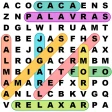
Puzzle Time - Daily Puzzles!
- 9.00
- 4.2
- Installs
- 50.00K
- Price
- Free
Screenshots
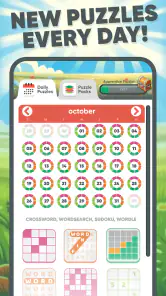

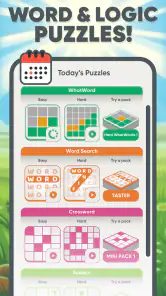
Analysis by Reviewed
I spent time with Puzzle Time - Daily Puzzles! as a compact word-game collection rather than treating it like one single puzzle title. That distinction matters: its appeal comes from being able to move between crossword solving, word searches, Wordle-style play, Sudoku, and other daily challenges when one format starts to feel repetitive. It is a free game from Karma Games | Word Puzzles & Games to play daily, aimed at Everyone and available for Android devices running Android 8.0 or later.
My first impression was that this is best understood as a flexible puzzle break. I would not choose it for a dramatic story, a competitive action experience, or deep long-term progression. I would choose it when I want something I can open for a few minutes, test my vocabulary or logic, and put down without needing to remember a complicated game world. The mix gives it more practical value than a single-format word app, although that variety also means the experience may feel less focused than a dedicated crossword or Sudoku application.
How the free model affects the experience
The basic price is easy to understand: the game is free to download and play. That makes it simple to try without making a commitment first, which is especially useful for anyone unsure whether a daily puzzle routine will stick. The developer offers in-app purchases ranging from $1.49 to $49.99 per item, so the free entry point and the optional spending side should be viewed as two separate parts of the experience.
In practical terms, I would start with the free access and only consider paying if the available puzzle selection becomes a regular part of my routine. The important question is not whether the app can be opened without paying; it can. The better question is whether any optional purchase solves a problem I personally have, such as wanting more content or a smoother session. I would avoid buying immediately just because the app contains several puzzle types. Variety alone does not prove that a paid option will be worthwhile for every player.
That approach also keeps the value judgement honest. A free puzzle game can be useful even when it is not your main game, because a short session during a commute, a lunch break, or while waiting for an appointment costs nothing to test. On the other hand, players who already own a favorite crossword or Sudoku app may find that paying here duplicates something they already use. For them, the free version is the sensible comparison point.
I also appreciate that the age rating is Everyone. That makes the game easier to consider for a shared household device or for younger players who enjoy letters and numbers. It does not automatically mean every puzzle will suit every reading level, but it does make the app feel broadly approachable rather than designed for a narrow adult audience.
A collection that works best when your mood changes
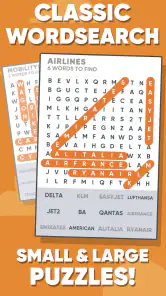
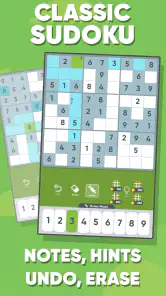
The strongest part of Puzzle Time is the ability to change mental gears. Crossword play asks me to use clues and vocabulary. Word searches are more visual and relaxed. Wordle-style puzzles encourage careful guesses and pattern recognition. Sudoku shifts the focus away from language and toward deduction. Having those formats together means I do not have to leave one app and search for another when I want a different kind of challenge.
That combination is more useful than it may sound. A person who gets stuck on a crossword can switch to a word search without abandoning the whole session. Someone who has spent too long looking at letters can move to Sudoku for a different type of concentration. I found that this makes the collection suitable for uneven energy levels: some days I want a demanding clue, while on others I prefer scanning a grid or filling in a number puzzle.
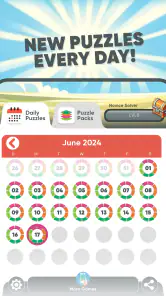
The daily-puzzle focus gives the game a natural stopping point. Rather than encouraging an endless session, a daily challenge can fit into a small routine. I could imagine opening it with breakfast, choosing one format, and leaving before the game takes over the rest of the morning. That is a better fit for people who want regular mental exercise without committing to a long play session.
There is also a useful social angle, even without turning the game into a multiplayer experience. A tricky clue or a nearly completed grid can become a small conversation with a family member or friend. Because the formats are familiar, it is easy to explain what you are doing. A person who does not care about Wordle-style play may still enjoy a crossword, while someone who dislikes vocabulary clues may prefer Sudoku.
Small habits that make the mixed format more useful
My most effective way to use the app would be to choose the puzzle type before opening it. If I want a calm break, I would go straight to a word search. If I want to challenge recall and vocabulary, I would select a crossword. If I feel mentally scattered, Sudoku gives me a more structured task. This prevents the collection from becoming a menu I browse without actually playing.
A second useful habit is to treat a difficult puzzle as a signal to switch formats, not as a reason to force the answer. When a crossword clue stops being enjoyable, moving to Sudoku preserves the session while changing the mental demand. This is one of the main advantages of having multiple puzzle styles in one place, and it is more practical than repeatedly restarting the same kind of challenge.
I would also use the game as a short transition between tasks rather than as background entertainment. For example, after finishing work, one quick word puzzle can provide a clear break before household chores. The daily structure makes that easier than an open-ended game that keeps offering another level. Players who struggle to stop gaming may still want to set their own limit, but the puzzle format itself supports shorter visits.
Another detail worth considering is the balance between language and logic. If English is not your strongest language, crossword clues and word-based puzzles may feel more demanding than Sudoku. In that situation, the collection is still approachable, but its value depends on whether you enjoy learning through vocabulary challenges. A dedicated number-puzzle app may be a better fit if you want to avoid language-heavy play altogether.
Where the collection can feel less satisfying
The same variety that makes the game convenient can make it feel less specialized. A player who wants the deepest possible crossword experience may prefer an app built almost entirely around crosswords. The same is true for a serious Sudoku fan who wants a highly focused number-puzzle environment. Puzzle Time is attractive because it gathers several familiar activities, not because it replaces every specialist alternative.
There is also a risk of uneven personal interest. If you only enjoy one of the included formats, much of the collection may become irrelevant to you. In that case, the free download still makes sense as a trial, but I would judge it by the quality and convenience of the one mode I actually use rather than by counting the number of puzzle categories available.
The daily approach may not suit players who want a large backlog of puzzles to work through at their own pace. Someone who prefers long sessions, extensive archives, or a clear campaign may feel restricted by a routine centered on daily challenges. This is not a flaw for everyone; it is simply a mismatch between the app’s rhythm and a player who wants a more expansive puzzle library.
I would also keep expectations realistic about the free model. Free access is excellent for trying the game and building a habit, but optional purchases mean that the full value of the app depends on what a player wants beyond the no-cost experience. Since purchase prices can vary by item, I would inspect the specific option shown in the app before spending and decide whether it adds enough to justify that cost. The sensible rule is to pay for a clear personal benefit, not for the promise of variety by itself.
Who is most likely to enjoy it
This game is a good match for casual puzzle players who like switching between words and numbers. It is especially suitable for someone who wants a daily activity that is easy to start, simple to pause, and varied enough to avoid feeling identical every time. Families may also appreciate the Everyone rating and the mix of formats, since different people can choose different challenges on the same device.
I would recommend it to a person who currently keeps several puzzle apps installed but uses them only occasionally. Consolidating crossword, word-search, Wordle-style, and Sudoku sessions into one collection can make the habit more convenient. It is also a reasonable first download for someone who has never established a daily puzzle routine and wants to experiment before choosing a specialist app.
It is less suitable for players seeking competitive rankings, a narrative adventure, or a highly technical puzzle system. It may also disappoint someone who already has a polished favorite for each individual format and expects this collection to offer greater depth in every one of them. In that situation, the convenience of one app may not outweigh the focus of separate alternatives.
The game’s Android requirements are fairly accessible for users with older compatible devices, since it supports Android 8.0 and later. Its current version is 8.4.2, which is useful context for anyone checking compatibility before installing. The app has reached over 50 thousand installs and holds a 4.2 average from around 700 ratings, suggesting that it has found an audience without making popularity the only reason to try it.
How it compares with familiar alternatives
Compared with a dedicated crossword app, Puzzle Time gives up some specialization in exchange for flexibility. A crossword enthusiast may prefer the focused design and routine of a crossword-only product, while a casual player may value not having to install another app for Sudoku or word searches. The better choice depends on whether depth in one format or variety across several formats matters more.
Against a standalone Wordle-style game, this collection has a broader purpose. It can offer a similar word-focused pause while also providing alternatives for days when guessing words is not appealing. However, someone who enjoys the simplicity of doing one familiar word puzzle and leaving may find the wider selection unnecessary.
Sudoku fans face a similar trade-off. A specialist Sudoku app is usually the more natural choice for someone who wants to spend most of a session on number grids. Puzzle Time makes more sense for a player who treats Sudoku as one part of a wider daily puzzle menu. I would choose the collection for convenience and variety, not because it is automatically the best specialist tool in every category.
My verdict after weighing the free value
I see Puzzle Time as a practical, low-commitment word and logic game rather than a must-have premium puzzle platform. Its free access makes the decision easy: install it, try several formats, and see whether the daily rhythm fits your routine. The main value is not a single standout mode but the ability to move from crossword clues to word searches, Wordle-style puzzles, or Sudoku without changing apps.
For me, that makes it worth recommending to casual players, families, and anyone who wants a short daily mental break. I would skip it if I wanted a deep specialist experience, a story-driven game, or a large, unrestricted puzzle campaign. I would also avoid optional spending until I had used the free version long enough to identify a genuine need.
My buy-or-skip advice is simple: try the free experience first, keep it if the variety becomes part of your routine, and pay only when a specific purchase clearly improves the way you play. With its broad age rating, accessible Android support, and mix of familiar puzzle styles, it earns a place as a convenient everyday option. It is not trying to replace every dedicated puzzle game, but for a flexible few-minute session, Puzzle Time - Daily Puzzles! delivers a sensible and approachable package.
Pros
- Daily variety keeps the experience fresh without requiring long play sessions.
- Simple interface makes puzzles easy to start and navigate.
- Helpful hints can prevent players from getting stuck for too long.
- Suitable for casual play during short breaks or commutes.
- Puzzle difficulty offers a satisfying challenge for regular players.
Cons
- Some puzzles may feel repetitive after extended daily use.
- Advanced players may find certain challenges too easy.
- Hints or extra features may be limited without watching advertisements.
- Progress can feel slow if only a small number of puzzles are available daily.
- An internet connection may be needed for new puzzles or updates.
- Category
- Word
- Version
- 8.4.2