Papers, Please
- 367.00
- 4.6
- Installs
- 100.00K
- Price
- $4.99

Screenshots



Analysis by Reviewed
Have you ever wondered what it would be like to be an immigration officer at a border checkpoint? The indie game Papers, Please gives you a taste of that experience in the most intriguing way possible. Developed by Lucas Pope, this game has been around for a while but remains a beloved classic for those who enjoy a mix of puzzle and simulation.
A job that gives you immediate goals
What makes the opening work for me is that the task is concrete: examine a traveler’s papers, apply the current rules, and make a decision before the workday ends. You do not need to learn a sprawling fantasy world or manage a long list of character abilities before the game becomes interesting. The desk itself is the tutorial, and every new document or instruction asks you to pay closer attention.
That setup is ideal when I want a focused session rather than an open-ended role-playing adventure. A useful way to approach a new day is to read the instructions first, then keep the day’s requirements in mind instead of relying on yesterday’s routine. Small changes matter here. I found that treating each visitor as a fresh check, rather than assuming familiar-looking papers are valid, helps avoid careless decisions.
The game is a role-playing title from developer 3909, but its role-playing comes through the pressures and choices of a job more than through conventional combat or character builds. If you are looking for exploration, party battles, or a large map to roam, this is not that kind of RPG. Its appeal is the tension of a narrow workplace where ordinary administrative decisions can become personal.
Welcome to Arstotzka
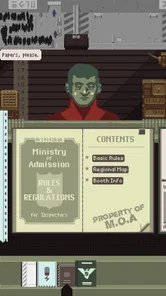
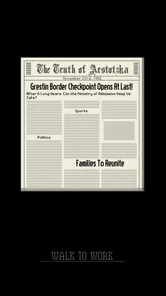
In Papers, Please, you step into the shoes of an immigration officer in the fictional dystopian country of Arstotzka in 1982. Your job is to inspect documents of immigrants trying to enter the country and decide who gets in and who doesn’t based on a rather complex set of rules that change every day. Sounds simple? Well, think again!
The Gameplay
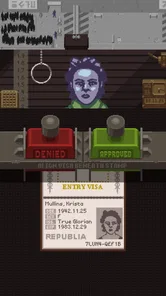
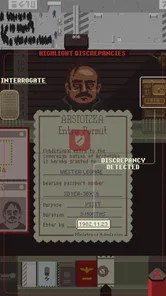
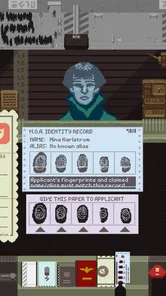
The core of the game revolves around checking the validity of various documents like passports, entry permits, and work passes. As you progress, the game's difficulty ramps up with more intricate paperwork and additional rules. You need to be meticulous and quick because time is money, literally. The faster you process people, the more money you earn to take care of your family, who depend on your salary for survival. And trust me, keeping them fed, warm, and healthy isn’t cheap!
Each decision you make can have significant consequences. Let in someone with faulty documents, and you might face penalties; deny entry to the wrong person, and you could end up with a moral dilemma. The game throws at you various ethical quandaries that make you question your decisions, adding an emotional depth to what might seem like a simple task at first glance.
More From Our News Desk

 Instagram
’s Power Comes From Its Place in Your Phone
A close look at how Instagram turns Meta’s reach, recommendation systems and everyday camera habits into durable platform power—and what that costs users.

 Gmail
Gmail in a Busy Inbox: Who Benefits Most?
From first account to crowded workday, Gmail earns its place through dependable search and flexible sorting—but its best fit depends on how much inbox maintenance you can tolerate.

 Prime Video
Switching to Prime Video: What Changes in Your Viewing Routine
Prime Video can make a compelling second home for streaming, but switching means learning a different catalog, rental layer, and route from browsing to playback.

 Universal TV Remote Control
 Works Best as a Reliable Backup
A phone remote earns its place through quick setup and reliable habits. Here is how to get more from Universal TV Remote Control—and where its limits show.

 Weather - By Xiaomi
Weather by Xiaomi Review: Clear at a Glance, Less Clear Up Close
Xiaomi’s weather app makes everyday forecasts quick to scan, but its calm surface can leave useful details and recovery paths harder to find than they should be.

 X
X Under Pressure: Can It Recover When Posting Goes Wrong?
A resilience-focused review of X, examining setup, mistaken posts, interruptions, weak connections, and the gaps that matter when recovery needs to be dependable.
Latest News



Progress you can feel at the desk
Progress here is not chiefly about collecting stronger gear. It shows up in how much more you must notice, how confidently you can compare details, and how well you balance accuracy against the clock. The rules become more involved, so a day that once felt manageable can turn demanding when several documents need attention at once. I like that the challenge is legible: when I make a mistake, I can usually connect it to a rushed check or a requirement I failed to keep in view.
That clarity also makes the game easier to return to after a break. I can orient myself by reviewing what the current rules ask me to do, then rebuild a careful rhythm. If you tend to forget small details during a busy session, pause between workdays and mentally reset rather than carrying yesterday’s assumptions forward. This is a practical habit, not a shortcut; the appeal still depends on personally inspecting the documents.
Graphics and Sound
Don't expect fancy graphics here. The game sports a pixelated, retro look that somehow fits perfectly with the bleak, oppressive atmosphere of Arstotzka. The art style complements the narrative, making you feel like you're really part of this grim world.
The sound design is also noteworthy. The soundtrack is minimal but effective, with a haunting main theme that sets the tone right from the start. The clattering of the stamp and the rustling of papers contribute to the immersive experience. It’s amazing how such simple audio elements can draw you in so completely.
Where the pressure comes from
The day-to-day loop is compelling, but it can also feel repetitive by design: you spend much of your time examining papers at the same desk. The variation comes from changing rules, escalating demands, and the human stakes around each decision, not from a constant stream of new environments. I would not recommend it to someone who needs frequent action or dislikes careful reading. If paperwork itself sounds tedious, the central activity is unlikely to win you over.
For a realistic evening scenario, imagine having a short stretch of quiet after dinner and wanting a game that rewards concentration. This can fit well if you are in the mood to focus on each visitor and accept that a workday may end with an imperfect result. It is a less suitable pick when you are tired, distracted, or looking for something to play while doing another task: a missed rule can turn a seemingly routine decision into a costly one.
Compared with familiar role-playing games built around combat, equipment, and character growth, this one trades breadth for a distinctive work routine and moral pressure. Compared with straightforward puzzle games, it gives those checks consequences that reach beyond getting an answer right. That combination is its strongest point, though it also means there is no conventional action loop to fall back on when the inspection process starts to feel demanding.
Making a shift manageable
I get the most from a session when I treat each workday as a small problem to solve rather than trying to turn the whole game into a speed test. Before taking the first case, I scan the current instructions and identify what has changed. During the shift, I focus on one document comparison at a time. This sounds obvious, but it helps keep a busy queue from turning into a blur of stamps and half-remembered rules.
A useful trade-off is deciding when to spend time verifying a suspicious detail and when to accept that the clock is part of the challenge. Rushing every case can make the family budget feel less precarious in the moment, but careless errors carry their own cost. On the other hand, checking every paper with equal hesitation can leave too little time for the rest of the day. The game does not hand over a universally safe rhythm; learning when to slow down is part of the role.
That makes it a better fit for a player who enjoys building a dependable personal routine than for someone seeking a sequence of unrelated puzzles. I would also avoid playing while multitasking. The inspection work rewards comparing details in context, and an interruption can make it easy to forget which requirement you were checking. If I only have a few distracted minutes, I would rather wait until I can give a shift proper attention.
Why You Should Play It
If you're someone who loves games that make you think, Papers, Please is definitely worth a try. It's not just about managing paperwork; it's about making choices that can affect people's lives. The game challenges your moral compass while keeping you engaged with its unique mechanics.
The balance between speed and care is the key trade-off I would keep in mind before buying. Moving quickly can help with the pressure of supporting your family, but hurrying makes it easier to overlook details; slowing down protects accuracy while making the workday feel tighter. I recommend setting a deliberate pace rather than trying to process every visitor as fast as possible. The tension comes from choosing what matters most, not from finding a perfect routine that removes every hard decision.
Despite its seemingly monotonous task, the game is incredibly addictive. Each day at the checkpoint brings new challenges and changes to the rules, ensuring you never get too comfortable. Plus, with multiple endings based on your decisions, there’s plenty of replay value.
What kind of replay value to expect
The reasons to return are closely tied to the decisions you made and the pressure of getting through another shift, rather than to a separate collection of upgrades. That keeps the experience focused: replaying is appealing if you want to see how different choices shape the story or test whether you can handle the changing demands more carefully. It is less compelling if you expect a large inventory, elaborate character builds, or a long list of side activities to keep unlocking.
I would not approach the possibility of different endings as a promise that every repeat will feel completely new. The checkpoint routine remains the center of play, so some repetition is inevitable. For me, the variation in rules and consequences gives that routine enough purpose, but players who tire quickly of repeated settings may reach their limit sooner. The strength is how the same desk can feel different when the stakes or requirements shift; the limitation is that it remains the same desk.
Is this the right fit for you?
The mobile version is a paid game, priced at $4.99, so I would treat it as a focused single-player purchase rather than a casual free sampler. Its 4.8 average from around 4,800 ratings and more than 100,000 installs suggest that many players have connected with this unusual premise, while the 327 written reviews offer another sign of an active audience. The game was released on July 27, 2022, and version 1.4.12 requires Android 5.0 or later. Its Mature 17+ rating is also worth checking before choosing it for a younger player.
I would especially recommend it to players who enjoy close observation, ethical choices, and stories that emerge from routine decisions. I would suggest skipping it if you prefer relaxed play, quick reflexes, or a more conventional fantasy role-playing structure. The pixel art and restrained presentation serve the setting, but they are not a reason to buy it if you need visual spectacle. Likewise, the pressure is part of the design, so this is not my choice for a soothing game to unwind with after an exhausting day.
One practical question is whether every mistake means a failed run. The game makes errors matter through penalties and consequences, but the point is not to approach each shift as a flawless checklist. I find it more rewarding to notice why a decision went wrong and adjust how I read the next case. Another natural question is whether it suits brief sessions: the workday structure gives play a clear unit, but the concentration required makes it better for an uninterrupted stretch than for constant stopping and restarting.
Choosing it over another kind of mobile game
For someone deciding between this and a more typical mobile role-playing game, the main question is what they want to do minute by minute. Many RPGs put their emphasis on fighting, collecting equipment, and developing a character. Here, the satisfaction comes from reading documents accurately and living with the consequences of a decision. I would choose this when I want a compact, story-driven challenge; I would choose a combat-focused RPG when I want exploration, battles, and visible character growth.
It also differs from a casual puzzle game. A puzzle usually asks me to find the right answer and move on; the checkpoint adds time pressure and personal stakes, so a technically correct decision is only one part of the experience. That emotional weight is a major reason to play, but it can make a session feel heavier than its simple controls suggest. If you want puzzles that are easy to dip into without absorbing the mood, a lighter option may be a better match.
The practical question of whether the mobile purchase suits your routine comes down to attention more than session length. A quiet break can work if you can complete a shift without interruption, while a commute full of stops or a noisy waiting room may undermine the careful reading. I would not buy it expecting background play. It asks you to be present, and that demand is both its distinctive strength and the main reason some players will bounce off it.
There is also a difference between enjoying the setting and enjoying the task. The bleak presentation and moral choices can draw in someone who likes narrative games, but liking dystopian stories alone does not guarantee that repeated document checks will be enjoyable. I would sample the idea mentally before buying: if comparing details under pressure sounds satisfying, the game has a clear appeal; if it sounds like office work after a long day, the theme may not be enough to make the routine fun.
In conclusion, Papers, Please is a brilliant blend of strategy, puzzle-solving, and narrative exploration. It’s a game that’s easy to pick up but hard to master, offering a deeply rewarding experience that will stay with you long after you’ve stamped your last passport. Play it for the story, the challenge, and the moral dilemmas. Glory to Arstotzka!
Papers, Please Frequently Asked Questions
What kind of game is Papers, Please?
Papers, Please is a role-playing game built around the tense routine of examining documents at a border checkpoint. Rather than focusing on combat, it asks you to inspect paperwork, make judgments, and manage the consequences of your choices. Its dystopian setting gives ordinary administrative work a dramatic edge, making it a distinctive choice for players who enjoy thoughtful, story-driven games.
Is Papers, Please suitable for younger players?
Papers, Please is rated Mature 17+, so it is intended for adults rather than younger children. Its tense subject matter and morally difficult decisions may not suit every player, even though its central activity involves reviewing documents. Parents and players should consider the age rating and the game’s serious dystopian themes before deciding whether it is appropriate for their household.
What is the main objective of Papers, Please?
In Papers, Please, players take on the role of an immigration officer in the fictional country of Arstotzka. The primary goal is to process the entry of immigrants and visitors by reviewing their documents, such as passports and visas, to ensure they meet the country's strict entry requirements. Success depends on attention to detail and decision-making skills.
Is Papers, Please available on both Android and iOS?
Yes, Papers, Please is available on both Android and iOS platforms. The game has been adapted for mobile devices, providing users with an immersive experience that retains the original's challenging and thought-provoking gameplay. Players can download it from the respective app stores for their devices.
What are the system requirements to play Papers, Please on mobile?
To play Papers, Please on Android, users need a device running Android 5.0 or later. The game is available for mobile play, and it is sensible to make sure your device has room for an installation before downloading. The paperwork-focused gameplay relies on careful inspection, so a screen and controls you find comfortable can also help during play.
Pros
- Engaging gameplay with moral dilemmas
- Unique art style and retro graphics
- Immersive storyline with multiple endings
- Challenging puzzles requiring attention to detail
- Quick sessions suitable for mobile play
Cons
- Can be repetitive after a while
- Limited replayability once all endings seen
- Requires precise attention to small details
- Not suitable for players seeking fast-paced action
- Some players may find the theme too dark